Rubric: • Concept • Beginning • Color • Ascent • Hair • Architecture • Finale • Conclusion
Concept
Start
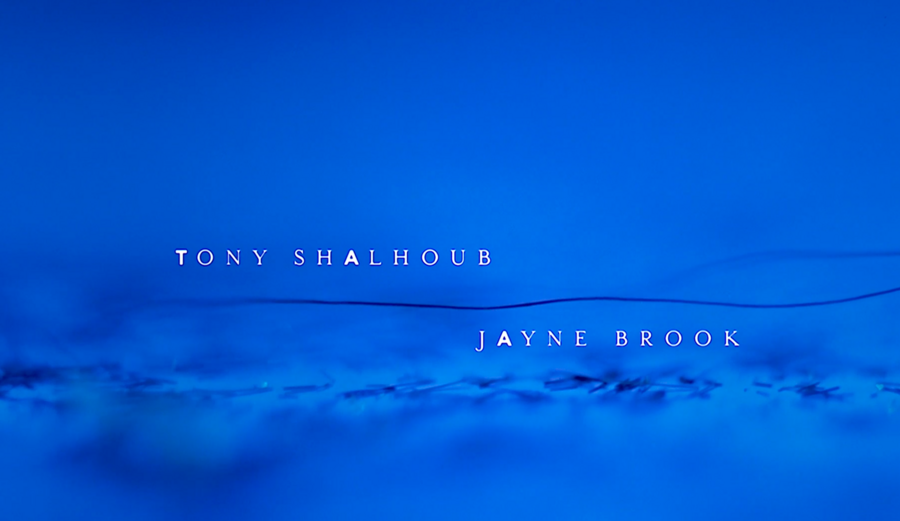
The opening credits immediately establish the theme of duality and division, which is the leitmotif of the entire film. The actors' names are written in two different typefaces—a grotesque and a serif.

Parallel to the names, we see the hero purifying his body of dry skin, overgrown hair, and nails. In this scene, Vincent’s identity is destroyed, and Jerome’s identity is created. The hero cleanses himself of imperfection. Vincent himself stated that he is producing «the removal of a part of his unfit self in a world of the worthy.»

Color
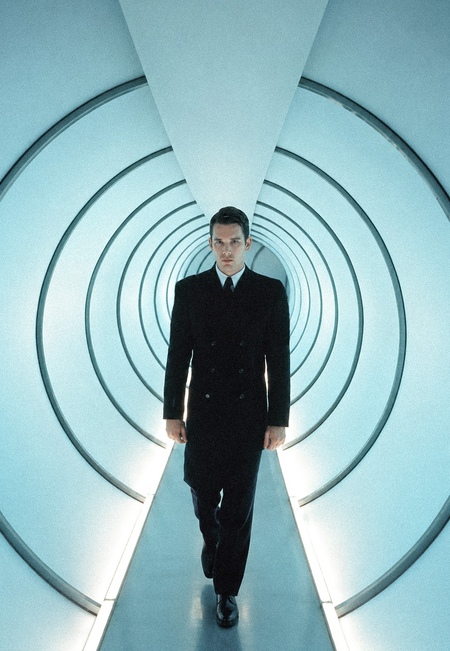
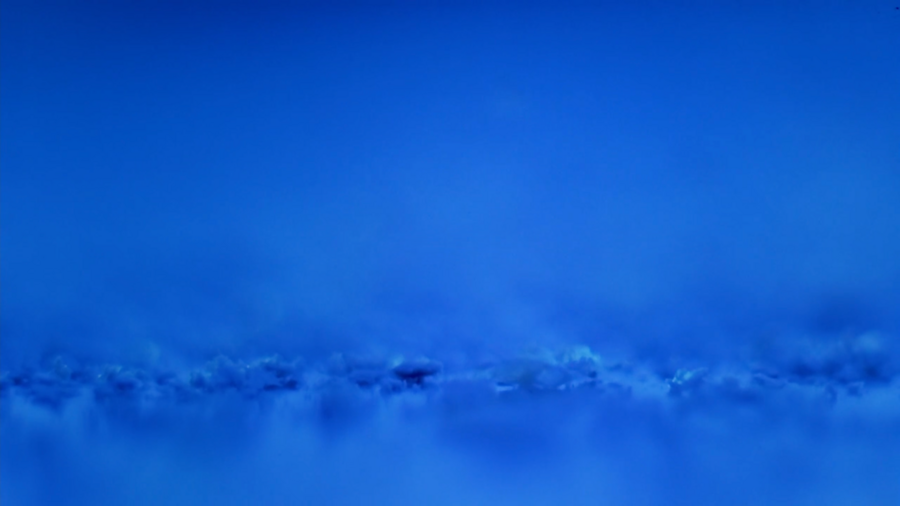
Returning to the theme of the protagonist’s internal division into two personalities—Jerome and Vincent—it is important to mention color. Color here functions as a visual indicator of the character’s internal state. Blue appears when the scientific personality of Jerome takes over. In these moments, the character is driven, egotistical, and calculating, exhibiting confident and reserved behavior. Blue in the frames symbolizes the system, rationality, technological progress, and genetic control. This color predominates in spaces associated with Gattaca’s work, medical procedures, and laboratories. The cool palette makes the world visually impersonal; people appear to be part of a single machine.
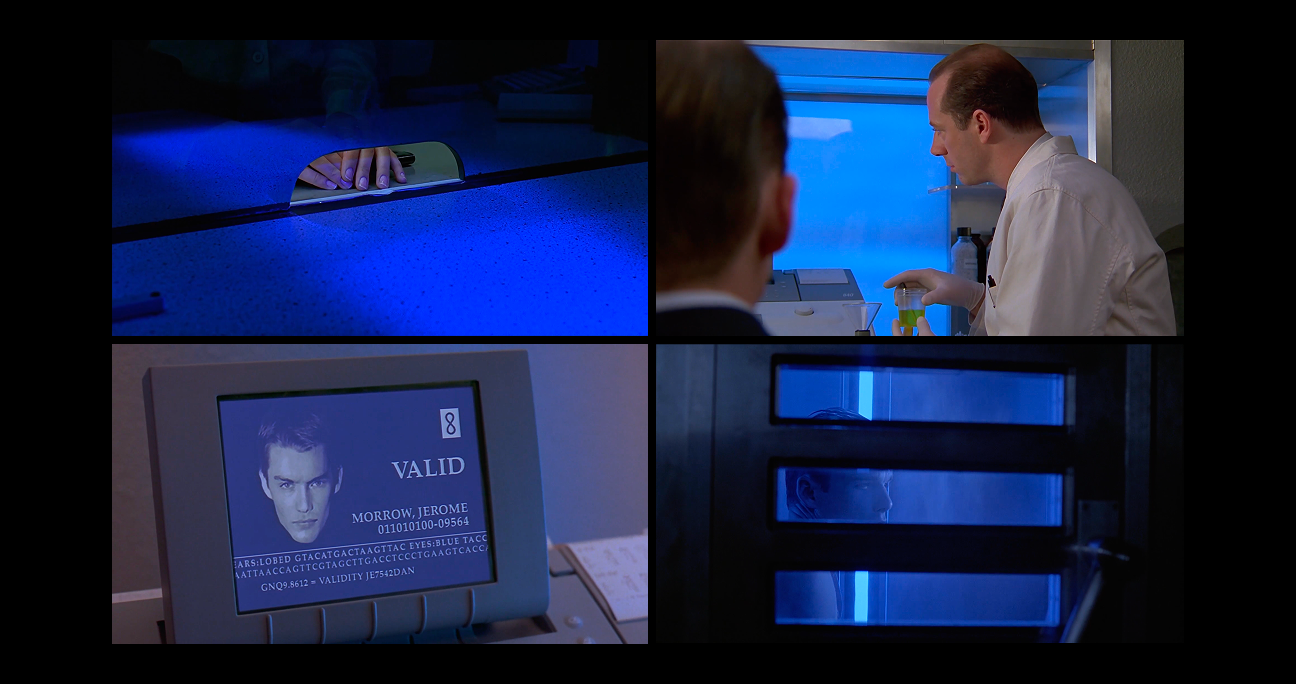
The scene keeps repeating: Vincent literally and metaphorically transforms into a genetically perfect individual, shedding the traces of his imperfect DNA by incinerating them in a waste incinerator with bright blue backlighting.
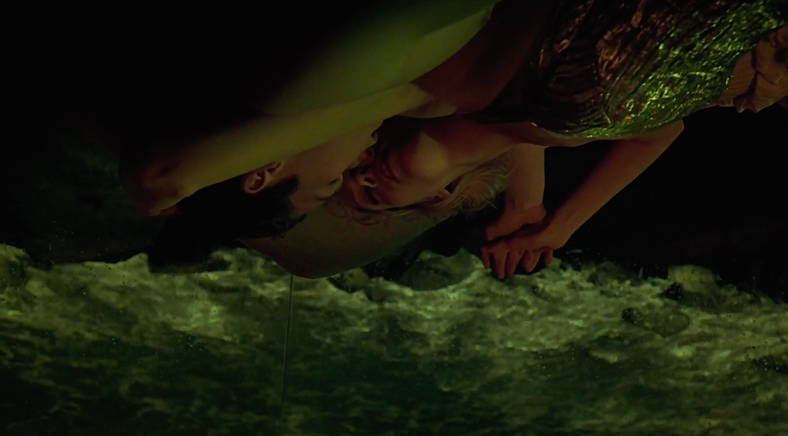
Green is the color of the transition between two of the hero’s identities. This color is literally the result of mixing yellow and blue, existing between them. Bright green appears during key moments of Vincent’s experiences and transformations. In this scene, by removing his lenses, Vincent sheds the identity of Jerome. The change in identity is confirmed by the bright green lights in the background.
The beating of the investigator also took place near a building illuminated by a green light. The protagonist performed a sudden, emotional act dictated by his natural predisposition toward violence. At this moment, the hero’s persona rapidly shifted from Jerome to Vincent.
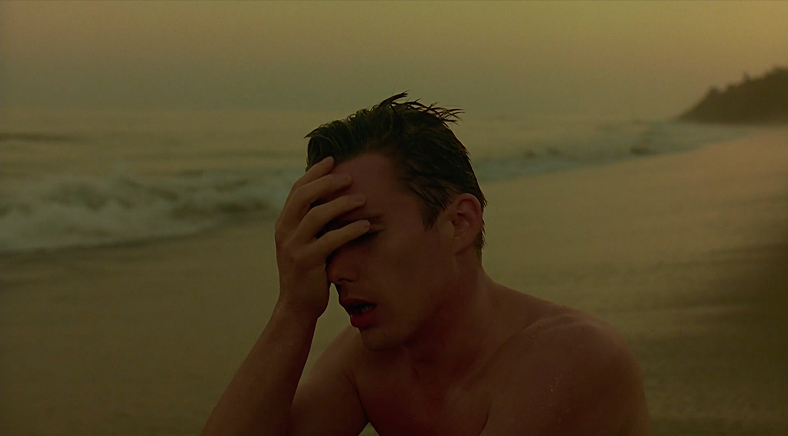
The bed scene with Irene takes place near the sea, with green waves. It was there that Vincent spent the night with the girl, and in the morning, Jerome came again, who, on the shore, was furiously trying to wash away what happened that night.
Vincent was conceived in a green car parked on yellow sand; the midwives who delivered his mother were dressed in green uniforms, and the background light was warm. Vincent’s beginning life has a green-yellow palette.
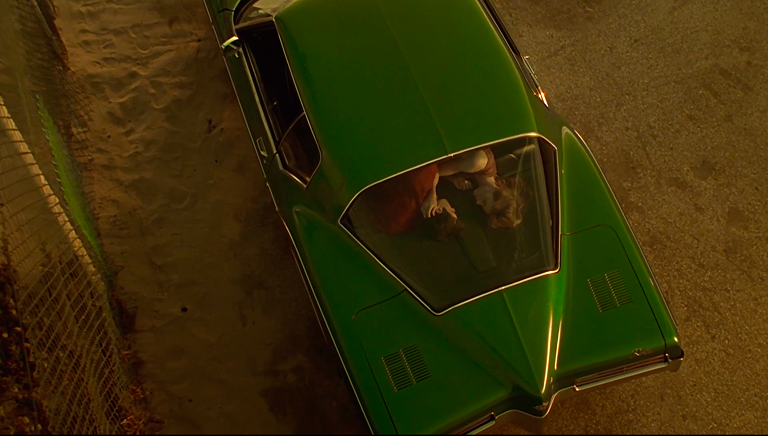
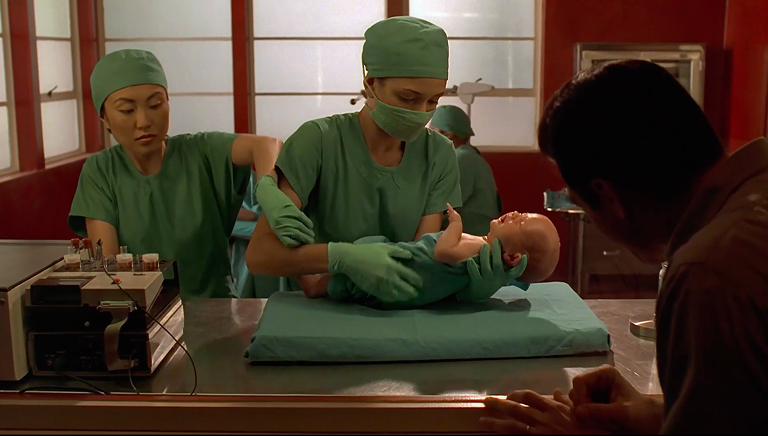
Shifting to yellow, it is important to note that this color accompanies Vincent during moments when his true human essence is revealed. Yellow is predominantly used in the first part of the film, when the protagonist feels the world’s injustice, when he competes with his brother, and when he recognizes the limitations of his genetically imperfect body.
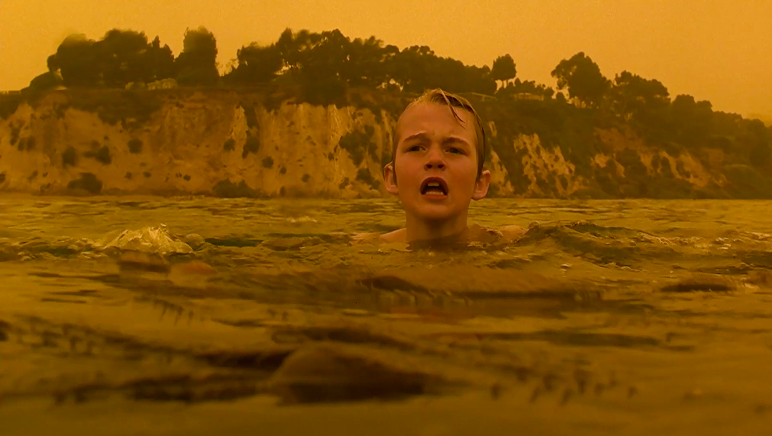
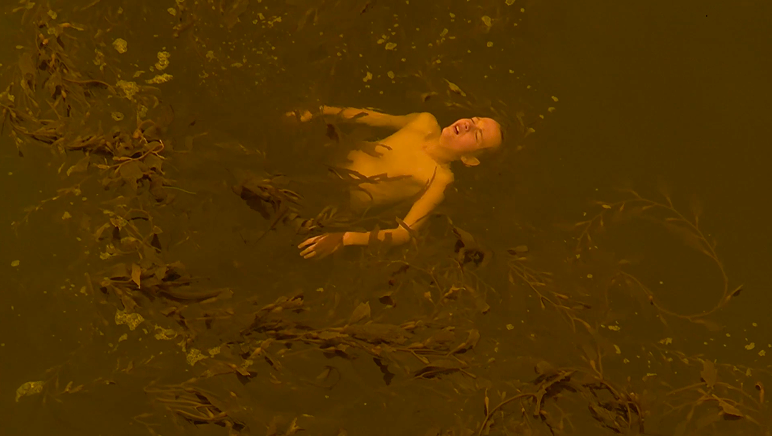
This color can be interpreted as a symbol of naturalness and imperfection. It is associated with individuals who do not conform to established genetic standards but possess their own emotions, will, and aspirations.
Yellow appears when his application for the space program is rejected based on his imperfect genetics.
The scenes where Vincent is not accepted into the kindergarten are also colored yellow. The shot of the Freeman family is framed through a grate. The composition and color here signify not only physical and genetic obstacles, but also social ones.
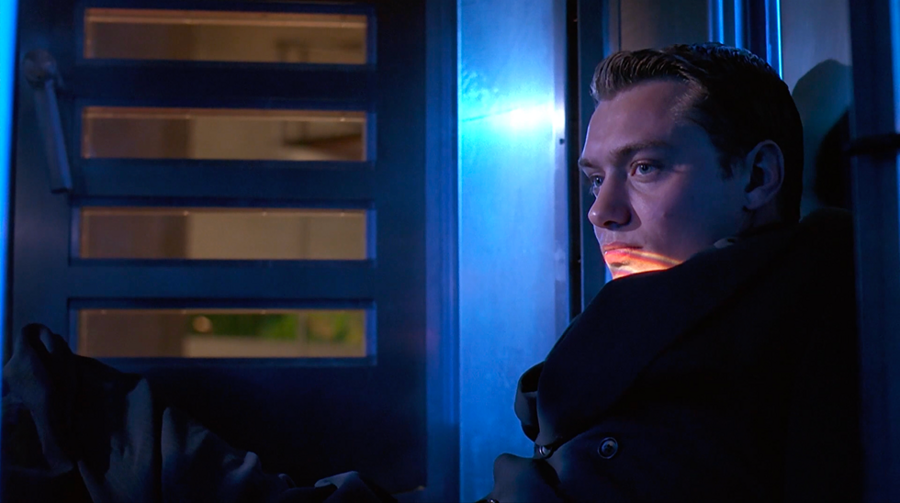
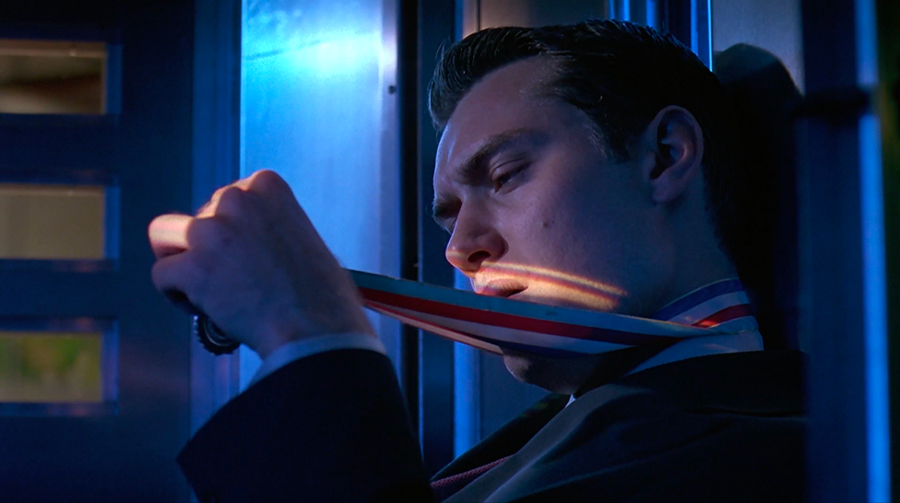
The combination of multiple colors within a single scene also holds significant weight.For instance, before his suicide, Eugene is surrounded by blue—a color that can be interpreted here as a symbol of an ideal that turned into a prison for him. Eugene is genetically perfect but unable to accept his own life after a physical injury stripped him of his ability to realize himself as an athlete. His second-place finish in the competition speaks to his imperfect, non-ideal side. To confirm this, we see a beam of yellow light falling onto the medal.