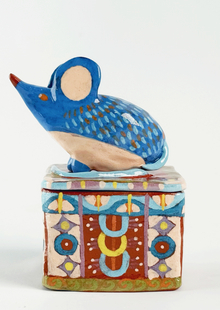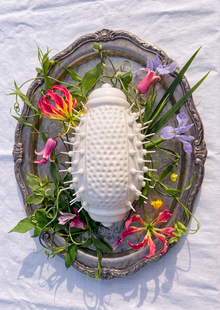
An abandoned hospital building will be selected for the final thesis exhibition and subsequent fieldwork. The presence of a real socio-political, historical, and personal context of decay will allow us to avoid the pitfalls of aestheticizing ruin and overcome the alienation between the viewer and the subject matter.
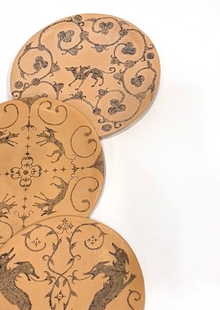
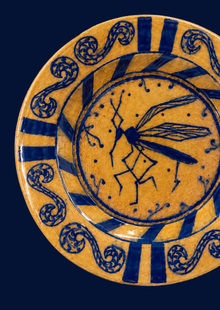
Ceramic samples and techniques mastered during Module 1 and in the previous year will be utilized both during and after the expedition to work with the discovered artifacts and directly with the building’s texture.
[1]
GOST 9169-75
rough molding from cut slabs
— 120×100 mm, 4 pieces— Plastic ceramic clay S-6043 (Ceramics Lab)— Temperature range: 1200–1260°C— Glaze coating is not included
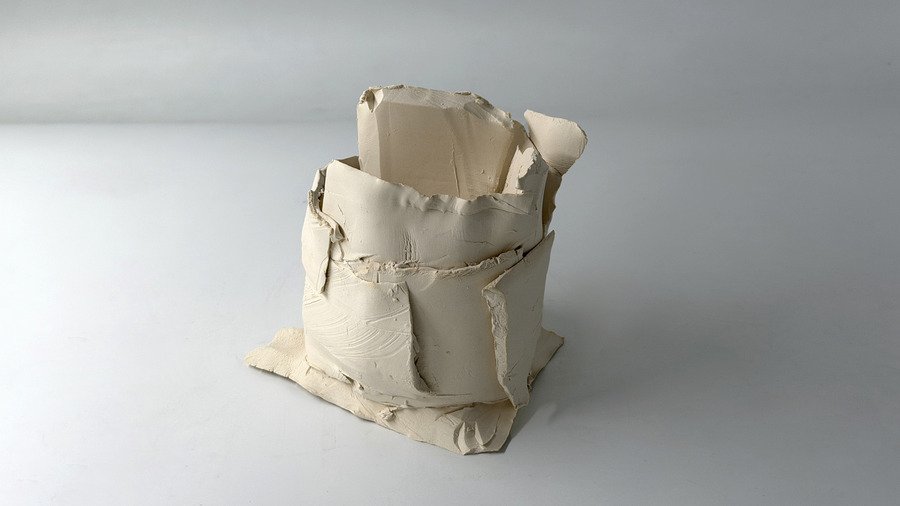
While working on an exhibition project exploring the processes of decay, I decided to engage with clay as a raw material. The firing fixes the traces of influence irreversibly, transforming the process into a document. The decision to forgo glaze, sanding, and perfect form is deliberate. In an era of standardized, homogenized imagery encouraged by algorithms, I leave the material raw, connecting with its temporality and capturing the moments of vulnerability it offers.
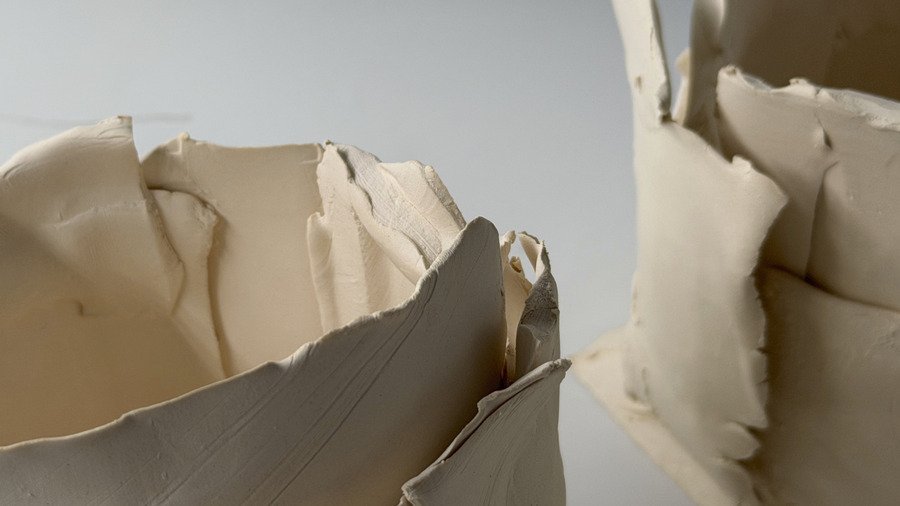
— 560×520 mm, 1 pc
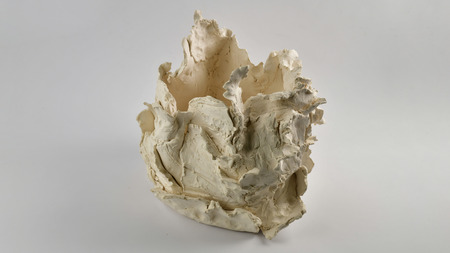
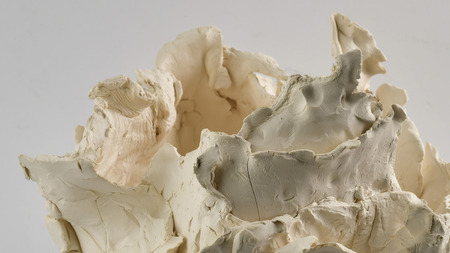
[2]
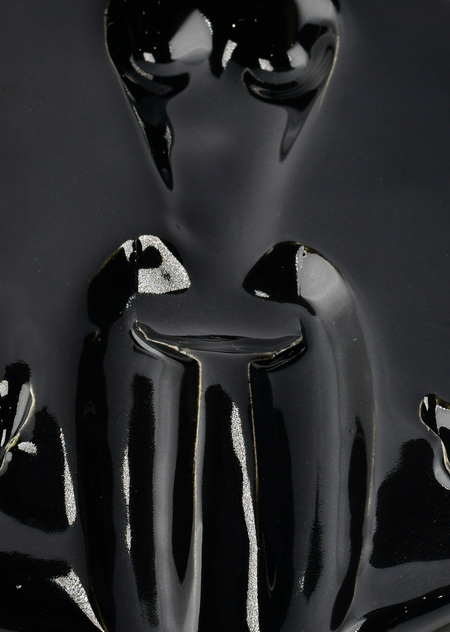
creation of personal plaster molds followed by casting
— 50 mm x 12 mm 55 mm x 21 mm— Casting material MF-2, S-6043 (Ceramics Lab)— Temperature range: 1200–1260°C— Glaze S-0128-01 black, opaque, glossy (Ceramics Lab) t 1180–1250°C
[3]
Working with Prints
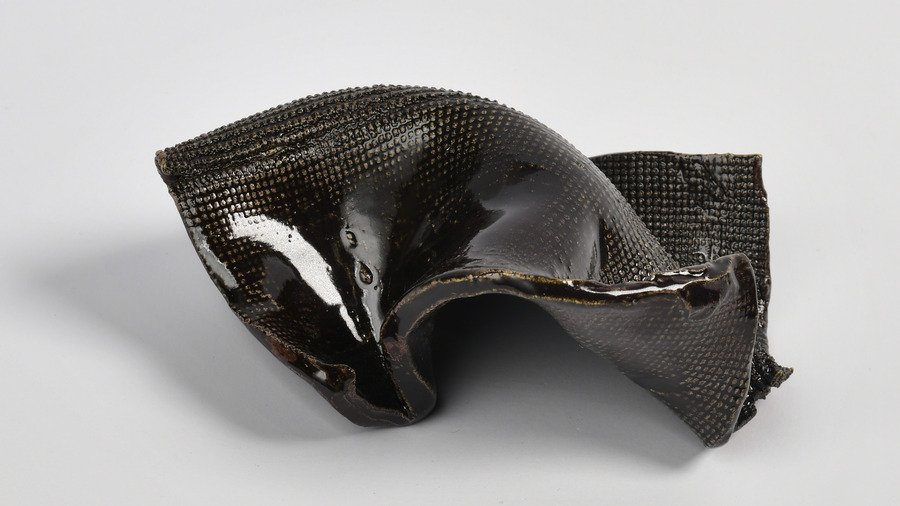
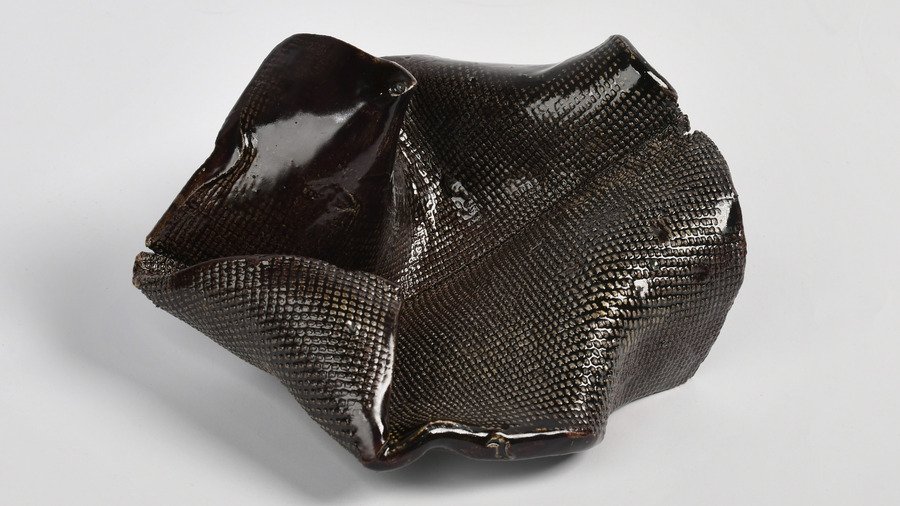
— Plastic ceramic mass S-6043 (Ceramics Lab)— Temperature range: 1200–1260°C— Glaze S-2128-10 brown, translucent, glossy (Ceramics Lab) Firing temperature: 1180–1230°C— Glaze S-0128-01 black, opaque, glossy (Ceramics Lab) Firing temperature: 1180–1250°C