Introduction

McDonald’s is one of the world’s most recognizable fast-food brands, serving millions of customers every day in more than 100 countries. Founded in 1940, the company has grown from a small restaurant into a global corporation known for its accessible menu, consistent customer experience, and strong brand identity.
Over the decades, McDonald’s has expanded far beyond the restaurant industry. The brand has developed a distinctive visual identity centered around the Golden Arches, iconic menu items, and memorable advertising campaigns that are recognized across cultures and generations.
Today, McDonald’s is recognized not only as one of the largest restaurant chains in the world, but also as a highly influential communication brand. Through social media, digital platforms, celebrity collaborations, and global marketing campaigns, the company has created a recognizable online presence that engages millions of consumers worldwide.

Brand Positioning
McDonald’s presents itself as a convenient and enjoyable part of everyday life. Rather than focusing solely on food, the brand promotes experiences associated with comfort, familiarity, and shared moments. Whether through family meals, quick lunches, or late-night snacks, McDonald’s positions itself as a brand that fits naturally into different lifestyles and daily routines.
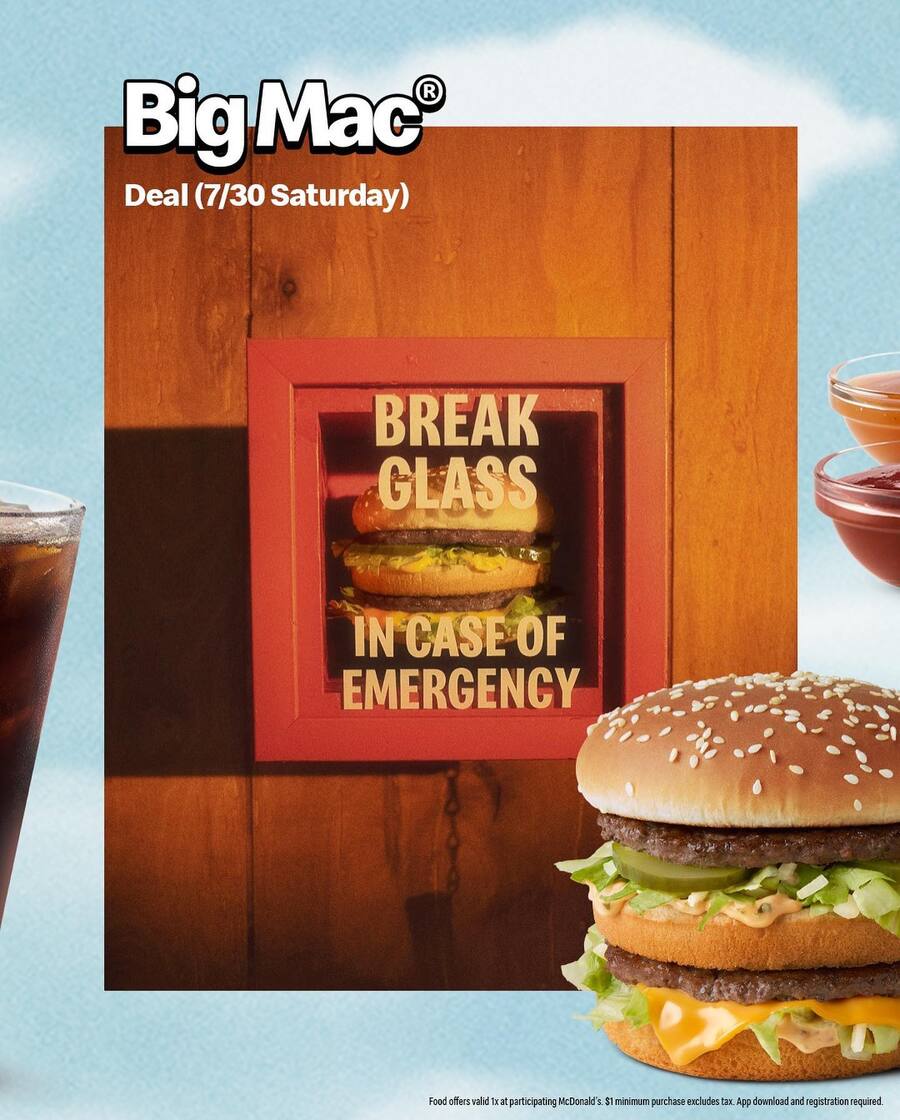
The brand’s identity plays a significant role in maintaining its global recognition. The Golden Arches, red and yellow color palette, simple typography, and product-focused visuals make McDonald’s instantly identifiable across platforms. This consistent visual language helps the company remain recognizable while adapting its communication to different cultures and audiences. The identity is not only a visual element but also a communication tool that reinforces the brand’s values of accessibility, convenience, and enjoyment.
Communication Channels
McDonald’s communication strategy is built around the idea of remaining present in consumers’ everyday lives. Rather than relying exclusively on traditional advertising, the brand actively participates in online culture through social media, collaborations, limited-time campaigns, and audience-driven conversations. The company continuously monitors online trends and adapts its content to topics that are already generating public attention, making its communication feel timely and relevant.
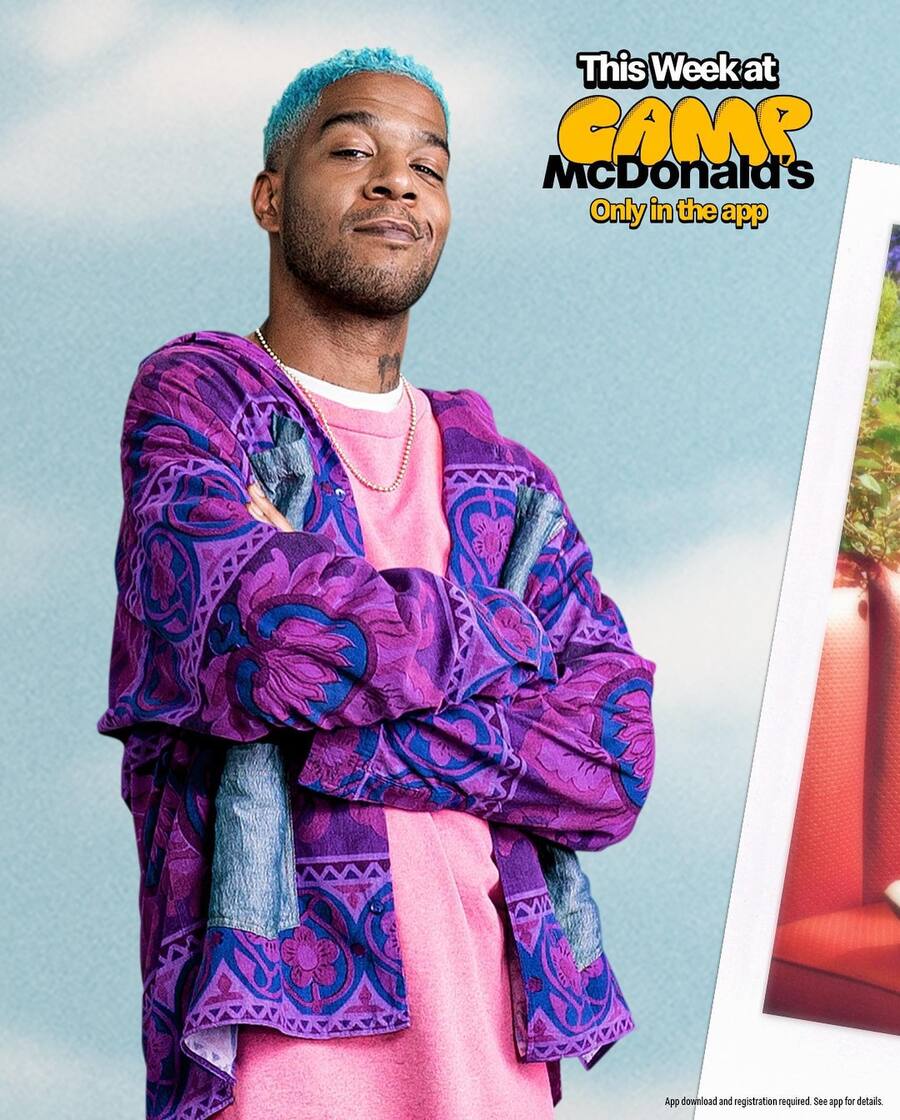
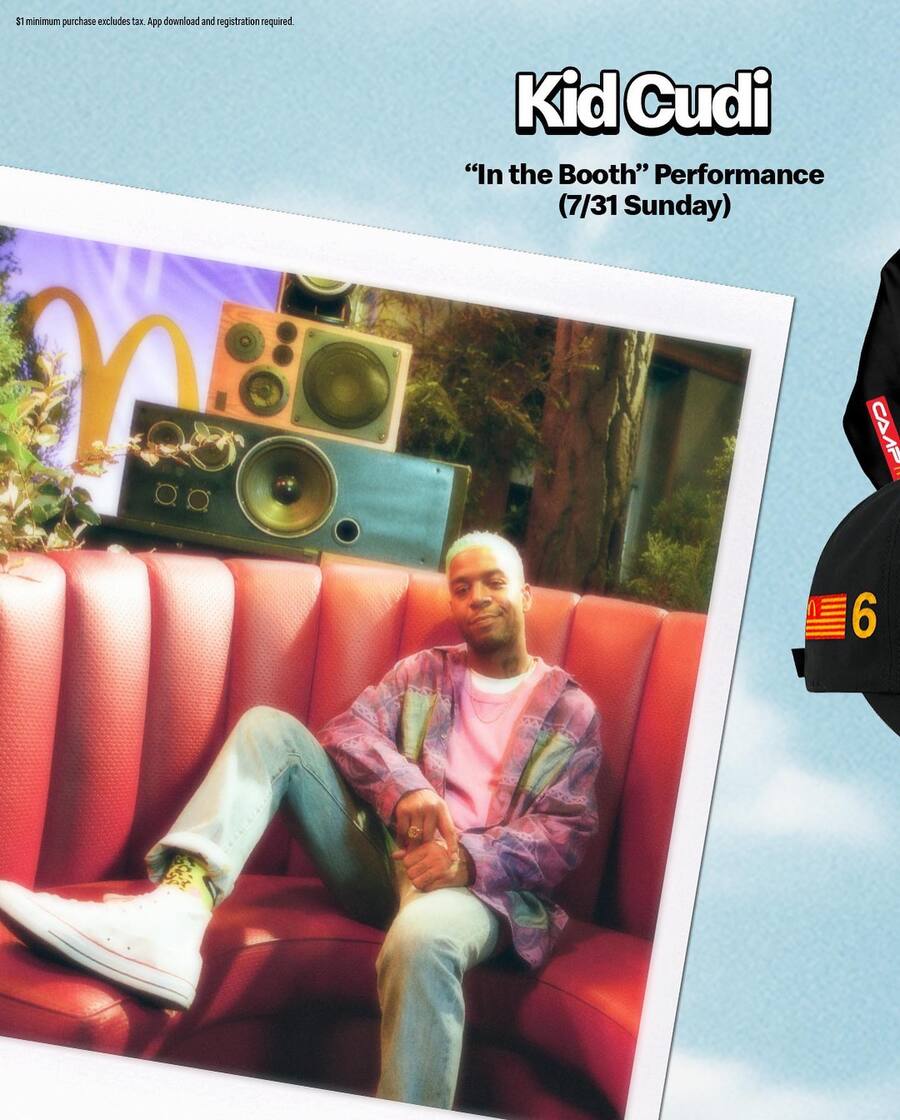
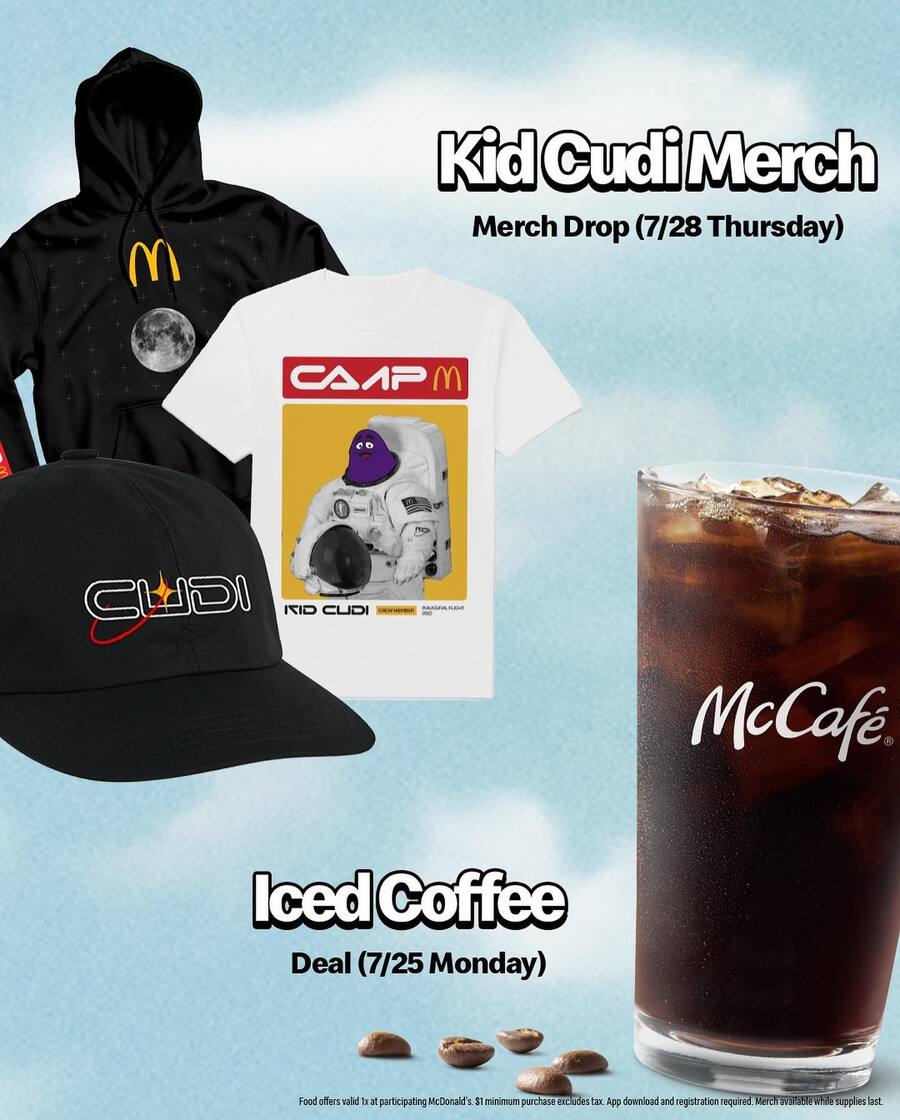
One of the most successful examples of this approach is the collaboration campaign with Travis Scott in 2020. Instead of simply promoting a menu item, McDonald’s transformed a celebrity meal into a cultural event that generated widespread discussion across social media platforms. Consumers shared photos, videos, memes, and personal experiences connected to the campaign, turning a product promotion into a participatory online phenomenon. Similar strategies have been used through collaborations with BTS, Cardi B and Offset, and other public figures whose audiences extend far beyond traditional fast-food consumers. These campaigns demonstrate how McDonald’s connects its brand with existing fan communities, encouraging audiences to actively engage with content rather than passively consume advertisements.
Another example can be seen in the brand’s seasonal and limited-time campaigns, such as the Grimace Birthday campaign. Originally introduced as a nostalgic celebration of a classic mascot, the campaign unexpectedly became a viral social media trend as users began creating their own videos and interpretations around the Grimace Shake. Rather than attempting to control the conversation, McDonald’s allowed audiences to shape the trend organically. This reflects an important principle of Uses and Gratifications Theory, which views audiences as active participants who select and engage with media based on their own motivations and interests. In this case, users transformed a promotional campaign into a form of entertainment and social interaction.


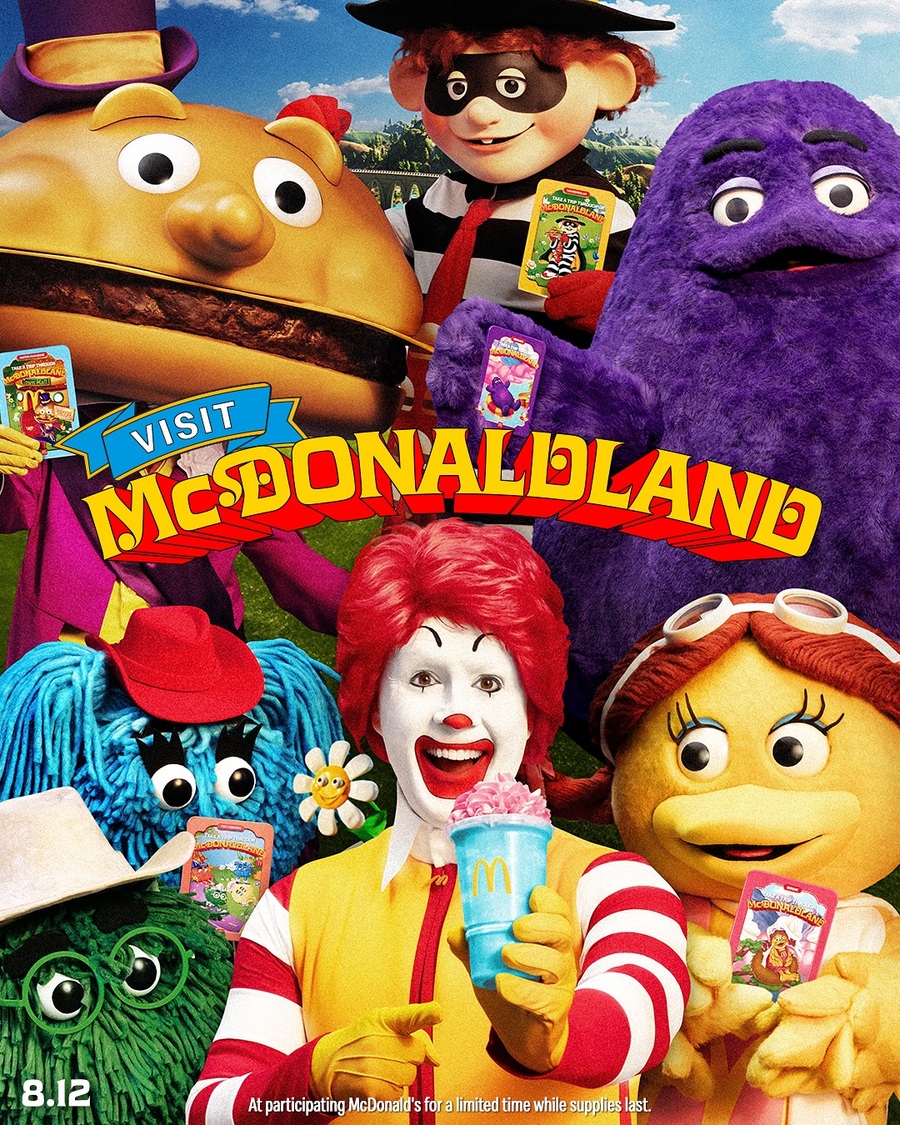

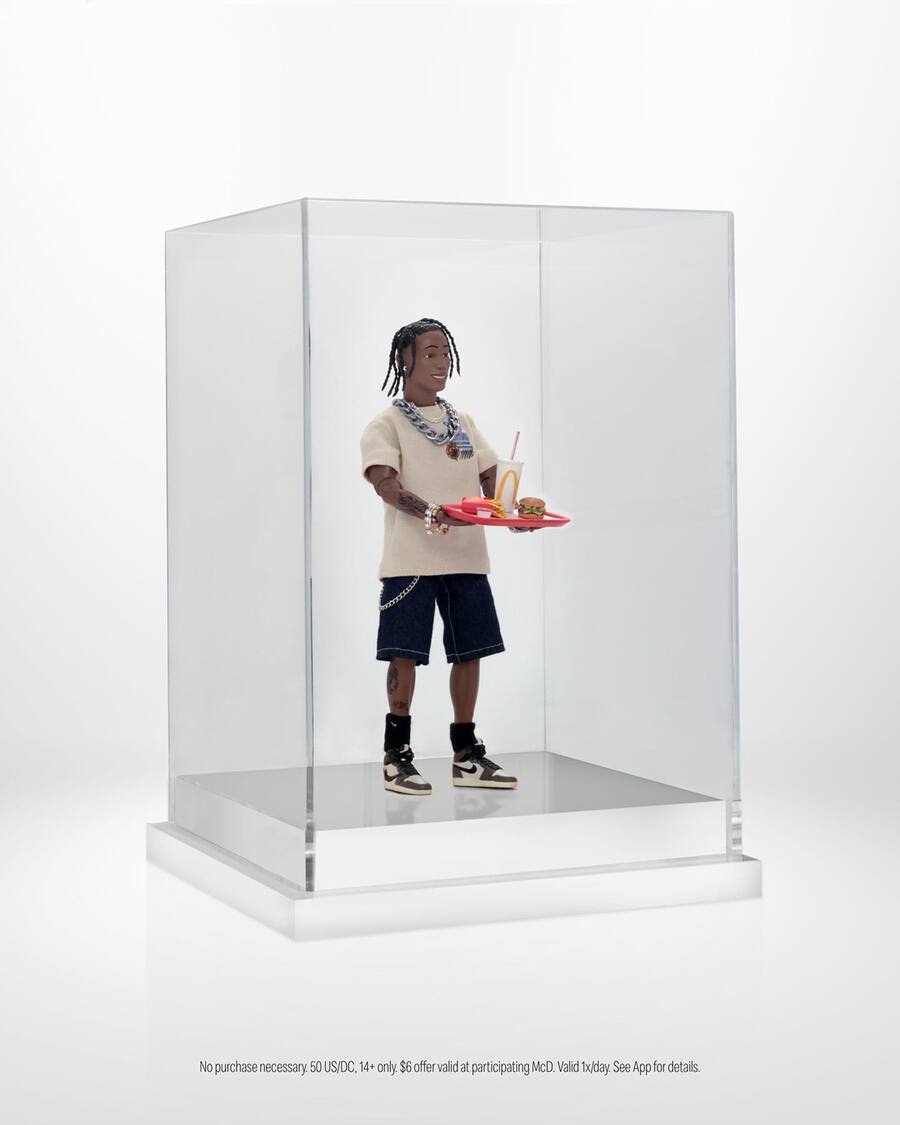
McDonald’s celebrity and cultural collaborations
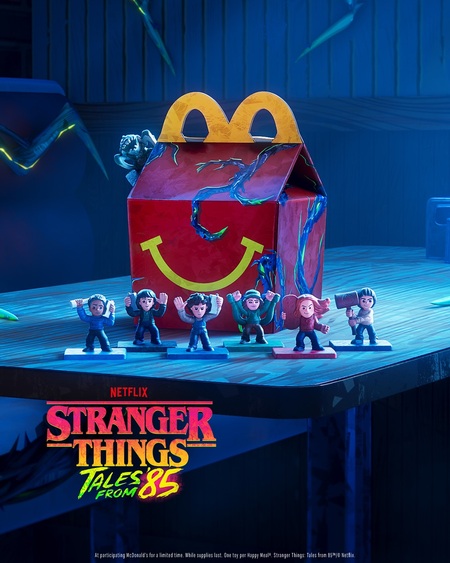

McDonald’s × Netflix co-branded promotional posters
McDonald’s is active on several communication platforms, including Instagram*, TikTok, YouTube, X, mobile applications, and its official website. Each platform serves a different purpose in reaching audiences and maintaining brand visibility across various digital environments.
*Instagram is owned by Meta Platforms Inc., which is considered extremist and banned in the Russian Federation.
What connects all of these channels is McDonald’s ability to integrate itself into everyday digital culture. Rather than focusing exclusively on product promotion, the brand creates content that encourages participation, conversation, and sharing. Through humor, collaborations, trends, and community engagement, McDonald’s becomes part of users’ online experiences, strengthening emotional connections and increasing brand relevance across different audience groups.
Theoretical Framework
Uses and Gratifications Theory
McDonald’s communication strategy can be analyzed through Uses and Gratifications Theory, which suggests that audiences are not passive recipients of media content but actively select it based on personal needs and motivations. In this context, users engage with McDonald’s content for entertainment, information, and social interaction rather than simply receiving advertising messages.
The brand addresses these motivations by creating content that aligns with different audience needs. Users interact with McDonald’s social media for humor, trends, and viral content, while the mobile app provides functional value such as ordering, discounts, and convenience. At the same time, McDonald’s competes with other food delivery platforms and lifestyle services for user attention, which reflects the theory’s idea that media compete for need satisfaction.
McDonald’s content fulfills several key gratifications identified by the theory.
First, the brand provides diversion, as users engage with entertaining social media content, memes, and viral campaigns. This type of communication transforms McDonald’s from a food provider into a part of online entertainment culture.
Second, McDonald’s supports personal identity, as users associate the brand with cultural moments, celebrity collaborations, and shared online experiences. Limited-time campaigns allow consumers to express identity through participation and sharing on social media.
Third, the brand encourages social interaction and belonging, as users actively participate in discussions, trends, and user-generated content related to McDonald’s campaigns.
Finally, McDonald’s fulfills surveillance needs, as users seek information about new products, deals, and updates through social media and digital platforms.
Elaboration Likelihood Model
Elaboration Likelihood Model explains how audiences process persuasive messages through two routes: the central route, based on logical evaluation, and the peripheral route, based on emotional and visual cues. McDonald’s communication strategy primarily relies on the peripheral route, using strong visual identity, emotional appeal, and recognizable branding elements.
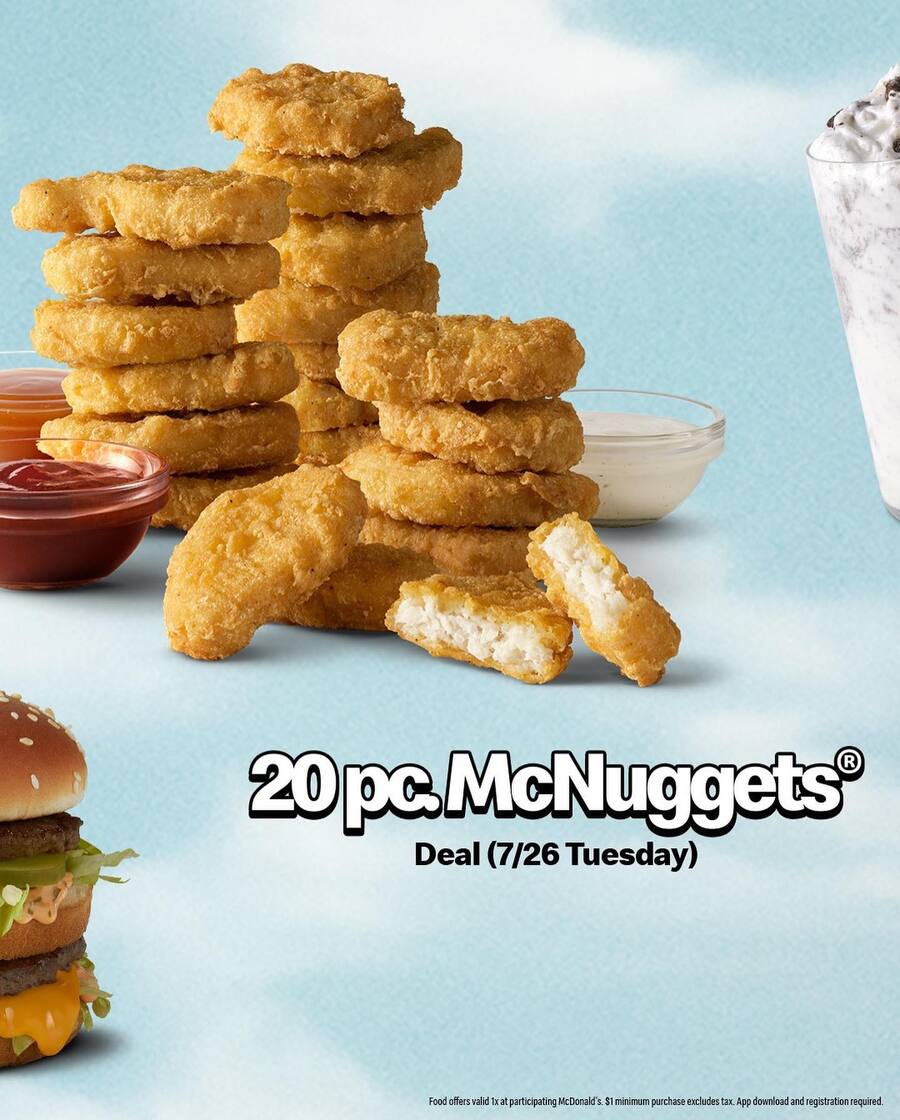
In advertising and visual communication, McDonald’s uses bright colors, simplified messaging, and consistent branding to create immediate recognition. The Golden Arches, red and yellow color palette, and product-focused imagery are designed to trigger fast emotional responses rather than detailed cognitive analysis.
At the same time, the central route is present in functional communication such as mobile applications, nutritional information, pricing, and delivery services, where users make rational decisions based on convenience and practicality.
Overall, McDonald’s successfully combines both routes of persuasion, using emotional visual communication to attract attention and rational messaging to support decision-making, which increases the effectiveness of its overall communication strategy.
Analysis
Uses and Gratifications Theory argues that audiences are active participants in media consumption. Users deliberately choose media content that satisfies their personal needs, including diversion, personal relationships, personal identity, and surveillance. At the same time, the Elaboration Likelihood Model explains how audiences process persuasive messages through either the central route, which relies on careful evaluation of information, or the peripheral route, which is influenced by emotional and visual cues.
McDonald’s communication strategy reflects the principles of both theories. The brand creates content that audiences actively seek out and engage with while simultaneously using visual design, humor, celebrity endorsements, and emotional storytelling to influence attitudes toward the brand.
Using the brand’s most popular communication channels, we analyzed how McDonald’s satisfies different audience needs through Uses and Gratifications Theory and how its content persuades audiences through the mechanisms described by the Elaboration Likelihood Model.
TikTok
TikTok is one of McDonald’s most successful communication channels. The brand regularly participates in viral trends, challenges, and humorous content that are designed primarily to entertain rather than directly promote products. This reflects the central idea of Uses and Gratifications Theory, which suggests that audiences actively choose content that satisfies specific needs. Users engage with McDonald’s TikTok content because it provides diversion and entertainment rather than information about food products.
A notable example is the Grimace Shake trend, which generated thousands of user-created videos and became one of the most recognizable fast-food trends on the platform. The campaign encouraged audiences not only to watch content but also to participate in its creation, satisfying needs for entertainment, social interaction, and community involvement. According to Uses and Gratifications Theory, users actively seek media experiences that provide enjoyment and allow them to connect with others, which helps explain the popularity of this campaign.
From the perspective of the Elaboration Likelihood Model, the effectiveness of these videos can be explained through the peripheral route of persuasion. Most users do not carefully analyze product information while scrolling through TikTok. Instead, they respond to visual humor, trending sounds, recognizable branding, and emotional reactions. The Grimace character, bright visual elements, and viral format function as peripheral cues that create positive associations with the brand without requiring extensive cognitive processing.
By combining entertainment with strong visual branding, McDonald’s successfully captures audience attention while encouraging active participation. This demonstrates how the brand satisfies audience needs while simultaneously influencing attitudes through peripheral persuasion.