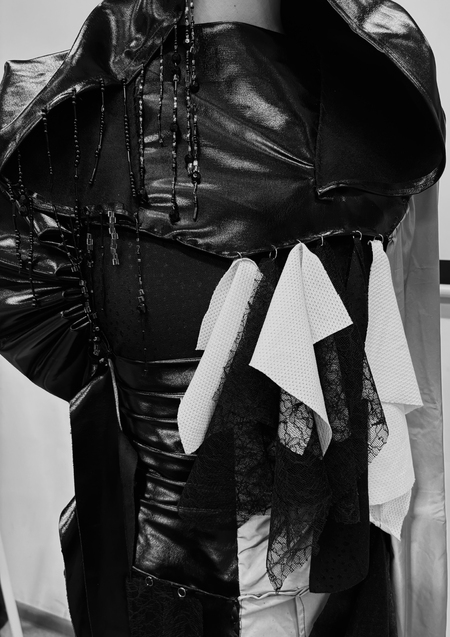
The year 2287. A world where the body became a document
The city’s infrastructure operates entirely through biometric identification. To pay for a purchase, enter public transit, access an apartment, receive medical care, or enter an institution, a person must be recognized by the system. Passwords, cards, and paper documents have vanished—the body has become the sole universal passport.
The system was created for security and convenience. It was intended to shield society from personal data theft, fraud, and crimes committed under someone else’s identity.
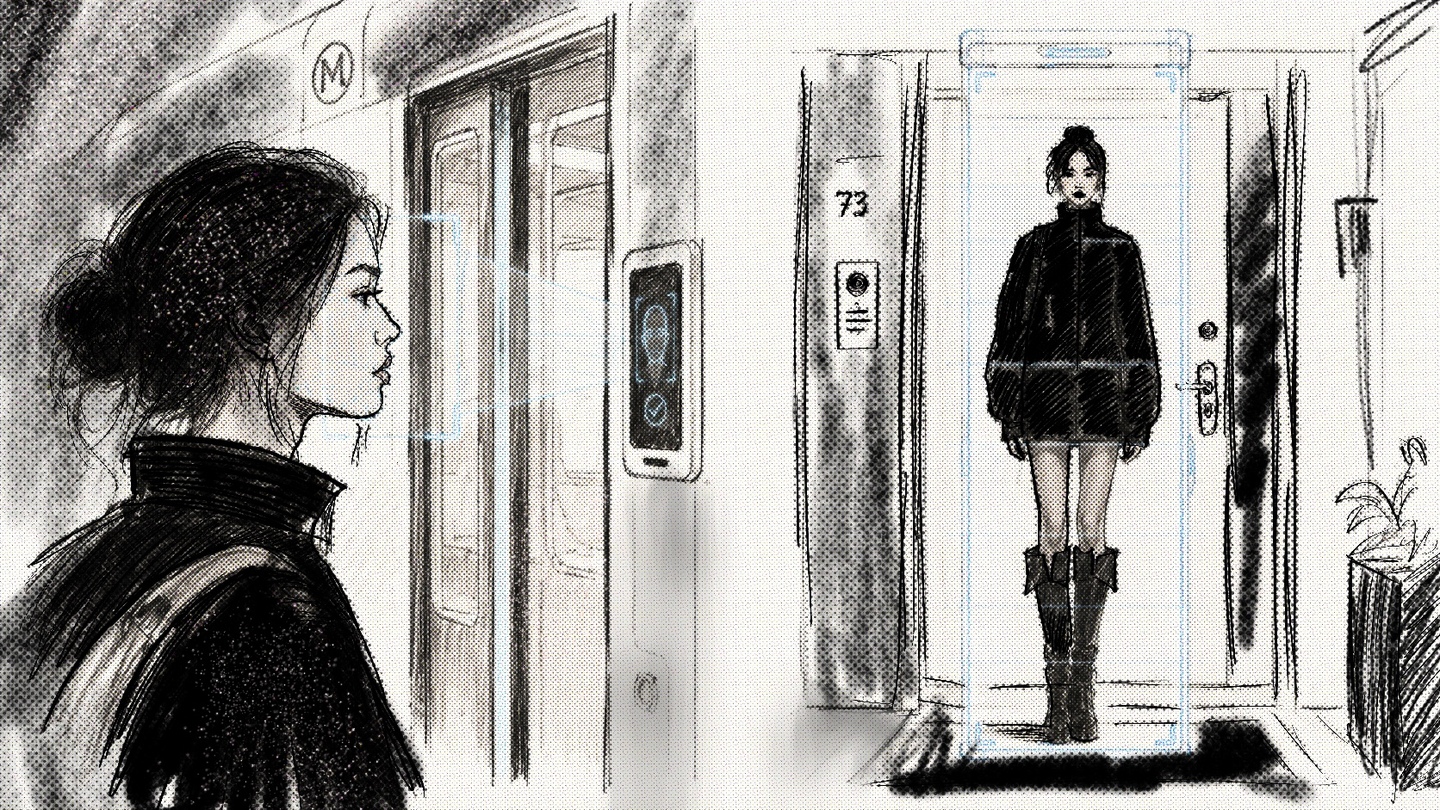
But gradually, convenience evolved into a prerequisite for existence.
Even a walk through the city stopped being a private space. Cameras tracked movements, algorithms analyzed behavior, and predictive systems determined how closely a person’s actions matched their digital profile.
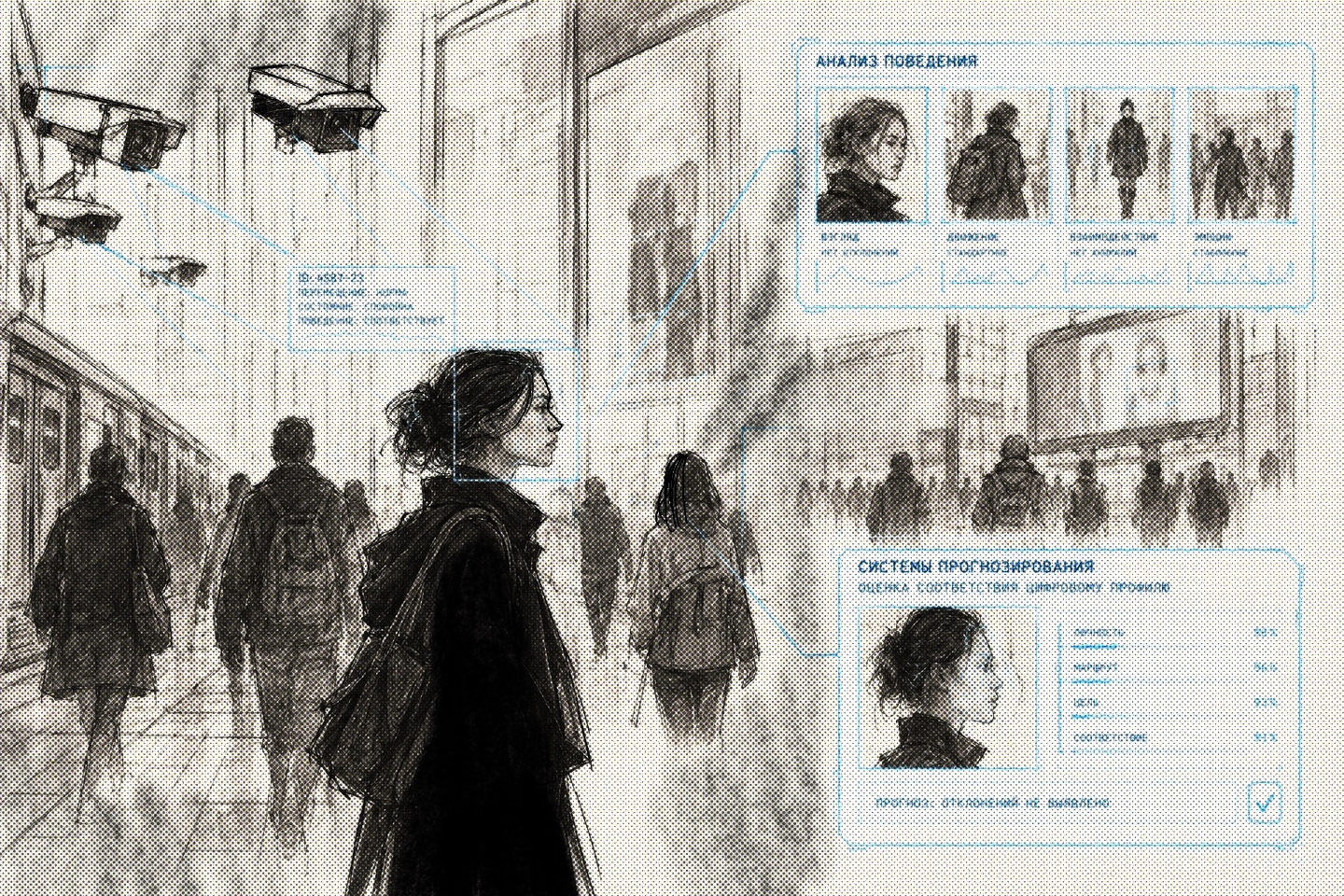
Individuality has become public information, and privacy is viewed as disloyalty.
If the system can know you everywhere, do you have the right to remain anonymous?
Underground Studios. First Disappearances
When biometrics become mandatory, some people start looking for ways to hide from the system. Underground ateliers emerge first—closed workshops creating clothing capable of disrupting automated facial, voice, gait, fingerprint, and thermal signature recognition.
It all began with individuals who suddenly realized they no longer controlled their own lives.
Journalists discovered that the sources for their investigations were disappearing from city databases. Activists faced movement restrictions after participating in protests. People whose biometric data was once leaked online became vulnerable to blackmail and identity theft.
Then, several engineers, designers, and textile specialists began looking for a solution in an unexpected place—clothing. If a system uses the body as a source of information, can we create garments that change the very way the body interacts with its environment?
Clothing ceased to be merely a shell for the body. It began to function as an interface between the individual and the digital city. First appeared items designed not to display status, beauty, or group affiliation, but to protect the right to personal space.
The first studios were located in places that the city system barely acknowledged—abandoned industrial spaces, closed workshops, and old technical tunnels.
From the outside, they looked no different from abandoned buildings. Inside, there were sewing machines, industrial printers, experimental materials, mannequins with altered proportions, and tables covered in patterns.
People who refused to accept the notion that one’s right to exist must be constantly proven worked here.
What united them was less a desire to break the law and more a striving to restore to the individual the ability to autonomously manage their personal information. In these studios, designers reevaluated the purpose of clothing. Hoods ceased to be mere protection from rain. High collars concealed facial contours. Asymmetrical constructions disrupted the conventional perception of the figure. Layered materials created complex visual surfaces, and textile modules interacted with surrounding sensors.
The designs might have seemed unfamiliar, even unsettling. But behind the unconventional silhouettes lay a simple idea: a person does not have to constantly display themselves to the system.
In a world where identity was constantly read, clothing became a way to declare one’s independence.
But the state was unwilling to accept the emergence of a space it could not fully control.
2291. «Open Contour»
In response, the state introduces the «Open Contour» network—urban scanners that detect biometric interference and temporarily block anonymous clothing. When entering the scanning zone, the suit loses the ability to change silhouette, mute voice, or conceal a thermal signature. The person becomes visible to the system but remains locked out of transportation, payments, communication, and medical services until they verify their identity. Anonymity transforms into digital isolation.
This is the primary danger of Open Contour.
It doesn’t detain a person or put them under arrest. Instead, it robs them of their familiar ways of living.