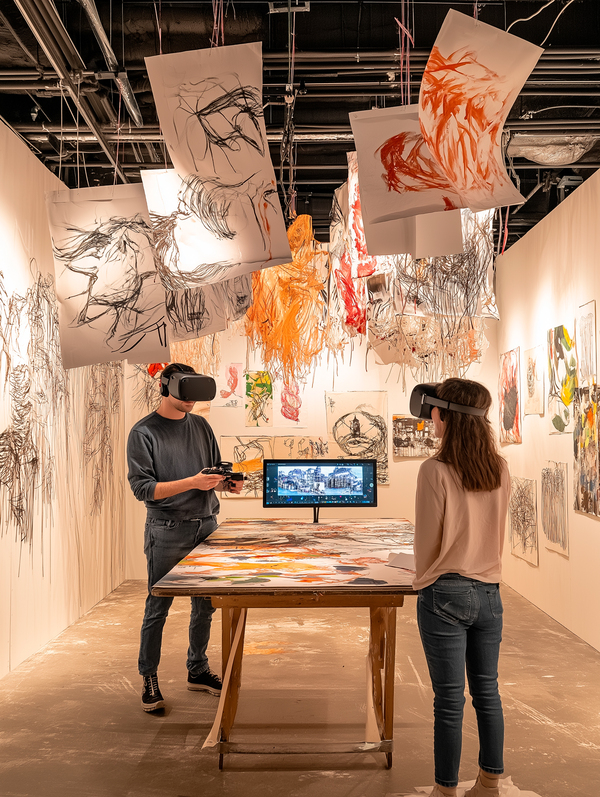
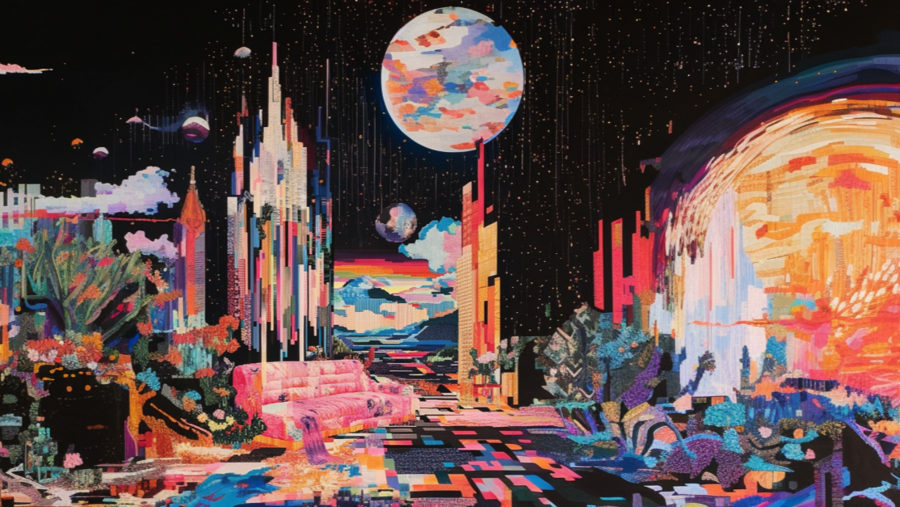
Phygital art (from the English word «phygital"—a blend of «physical» and «digital») is a contemporary art direction that merges physical and digital elements into a single artistic piece. Artists working in this genre use digital technologies to create their works while integrating traditional materials or processes within them.
Phygital art extends beyond purely virtual reality (VR) to encompass a broader range of practices where digital and physical components interact and complement one another. This allows for the creation of artworks that exist simultaneously in both material and virtual worlds, offering the viewer a novel experience of art perception. Phygital art reflects the convergence of technology and art within our daily lives.
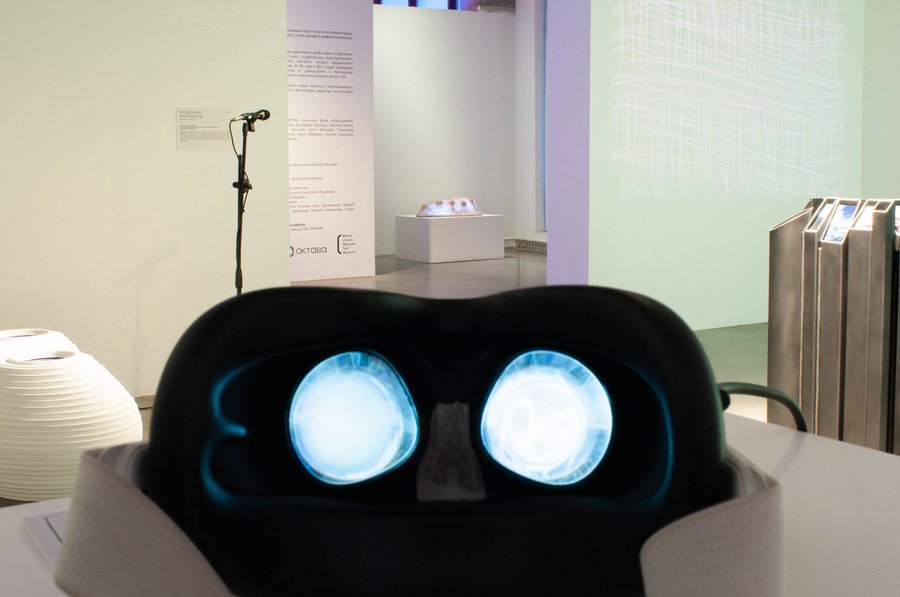
The course «Phygital Art: Research by Practice» aims to familiarize students with the theory and practice of contemporary art. Students will learn how to conduct practical artistic research, work with sources, and prepare applications for open calls to participate in art projects.
The course objective is to teach students how to integrate approaches to artistic creation at the intersection of material and virtual worlds.
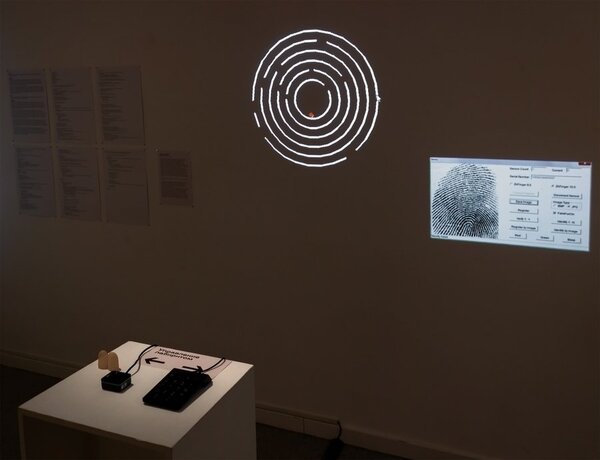
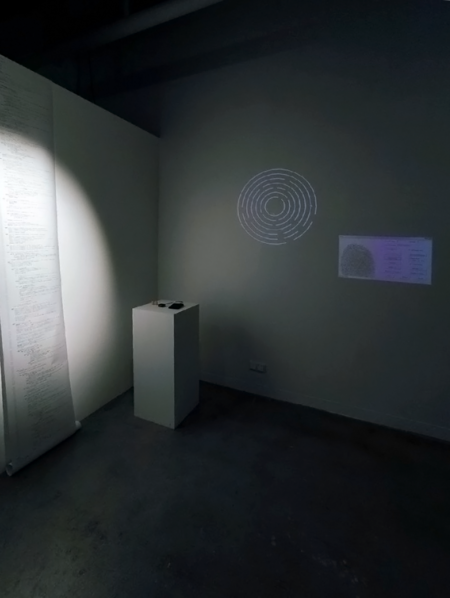
What You Will Learn
Module 1— Practice as Inquiry:This module examines the foundations of practice-based research, including terminology, history, and methodology. Particular emphasis is placed on the creative process as a source of new knowledge, illustrated with examples of practical research across various media.— Media Art and Art & Science:Students will study the fundamentals of media art, computer art, and the application of artificial intelligence in artistic practice. We will explore scientific art (science art) and the transposition of laboratory practices into gallery spaces. Phygital art will be analyzed as the intersection of the virtual and the real.— Digital Fashion as the Virtualization of Fashion.We explore new technologies in fashion and the potential for digital representation. Key technological innovations of Industry 4.0 in the fashion industry are discussed: 3D modeling; AR, XR, and VR technologies in fashion; and wearable technology as the technological mediation between reality and virtuality. The influence of digital technologies on the creation, production, and consumption of fashion products is analyzed.
Module 2
— Media Art and Art&Science: Foundations of media art, computer art, and the application of artificial intelligence in artistic practice are studied. Science art (sci-art) and the translation of laboratory practices into gallery spaces are examined. Phygital art, as the intersection of the virtual and the real, is analyzed.
— Gamification: Interactive forms in art—gamification, participation, and co-creation—are considered. The evolution of interactive and immersive technologies in the museum sector, contemporary innovative solutions, and the aesthetics of video games and their influence on other media are studied.
— Real and Virtual Spaces Digital twins of buildings and cities, and the virtual architecture of impossible spaces, are explored. The transference of natural environments (water, air, light, vegetation, climatic processes) into game engines and 3D modeling systems is examined, as is the reverse movement from the virtual to the physical environment through augmented reality, projections, and media facades. Ecological issues, the legacy of land art, and the question of what happens to the experience of presence when space becomes computable are analyzed.
Final Project
Artistic project for an exhibition/grant/submission. A presentation showcasing a project that utilizes tools and methods to work at the intersection of physical and virtual spaces.
Course Instructors
Stanislav Milovidov is a Candidate of Sciences in Art and Design. He is a media researcher and lecturer at the Institute of Media and the HSE Art and Design School. His work spans various creative fields, including transmedia storytelling, interactive media, and experimental art. His research focuses on artistic practice utilizing machine learning technologies and examines the aesthetic potential of digital and intelligent technologies. He is a participant in the Artificial Intelligence Laboratory at the HSE Art and Design School.Elena Demidova is an artist, performer, and curator of exhibition and educational projects. She heads the research project Mediabodymedia focused on multisensory media and curates the «Signaling Systems» conference.Oksana Pertel is a researcher of digital fashion, a digital philosopher, and the creator and designer behind the clothing brand Objet.Maxim Shibayev holds a Candidate of Sciences degree in Art and Design, and he is an artist and game researcher. In his practice, he addresses the aesthetics of video games as an environment where perception, fixation, and comprehension are equal modes of experiencing the digital world. His artistic work with in-game imagery draws on the principles of urban photography, landscape practice, installation, and video art.Yana Malinovskaya is a Candidate of Sciences in Art and Design, a curator of contemporary art projects, and an organizer of cultural and social events.Yulia Shulenina is a researcher and lecturer in the fields of art, architecture, and memory culture. She works with industrial heritage and space as an environment for corporeal, auditory, and media perception.
About Elective Courses
Variational courses are specialized workshops designed by faculty members of the School of Design for third-year students. By selecting a variational course, a student has the opportunity to work under the guidance of renowned practicing designers teaching at the School, gaining unique knowledge and supplementary competencies not covered in the standard curriculum for their major. The variational course is a mandatory requirement: every third-year student must participate in a variational workshop in each module.
How to enroll in a course?
Attach Card
Registration for elective courses opens several days before the start of each academic module and closes when the module begins. If a student fails to register for an elective before the module starts, they must contact the School of Design’s academic office or their group administrator.
Class sizes are limited, so each student must select three different options. You must choose one priority option and two supplementary options. If the number of applicants exceeds the capacity of the planned group, admission will first be granted to students with a higher academic ranking. Students who are not placed in their first-choice option will be assigned to one of the courses they selected as a supplement. Each option can only be selected once per year—repeating the same option is not permitted.
How does the inter-campus variation system work?
Electives at the School are cross-campus. This means that students from all campuses can select them.
For all organizational matters related to option selection:
— Moscow campus students should contact Elena Shcherbinina (eshcherbinina@hse.ru) or Elizaveta Trushko (etrushko@hse.ru); — St. Petersburg campus students should contact Anna Prishchak (aprishak@hse.ru); — Perm campus students should contact Elena Ivanova (ENIvanova@hse.ru); — Nizhny Novgorod campus students should contact Anna Antropova (aantropova@hse.ru).