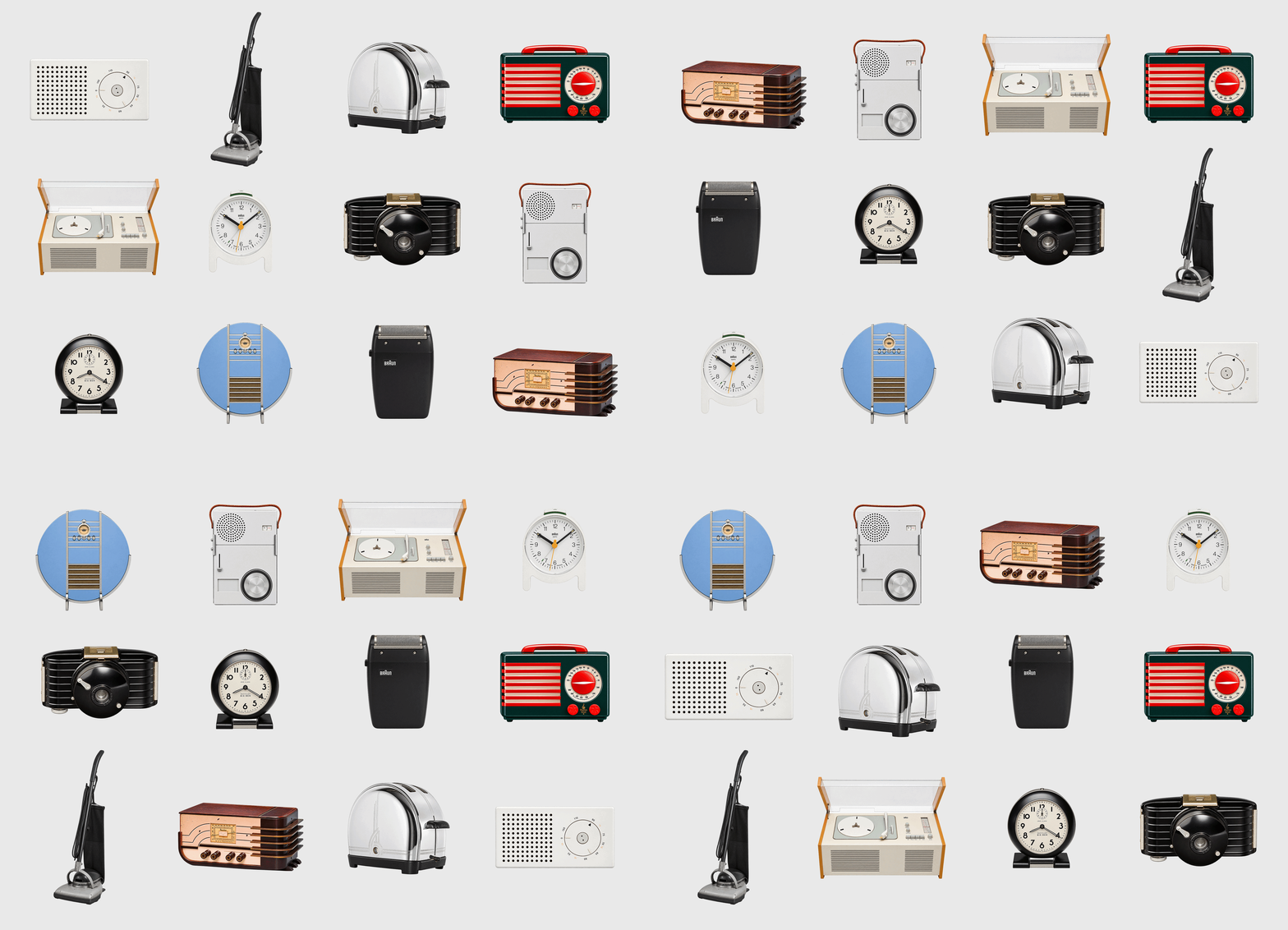
Concept
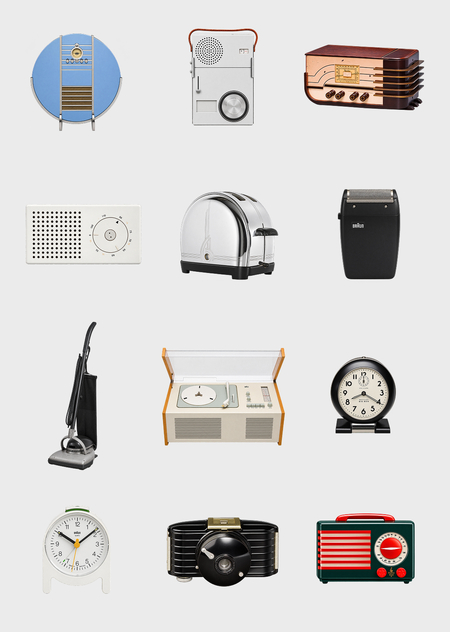
Industrial design of the 20th century reflects profound shifts in how people perceive the interaction with technology and the built environment. Amidst industrialization and the rise of mass production, various approaches to object design emerged, reinterpreting the concepts of aesthetics and functionality. Functionalism and Streamline are particularly interesting—two movements that offer divergent ways to visually articulate an object’s form. Functionalism embodies rationality, intuitive clarity, and subordinating form to function. Designers of the Streamline movement, conversely, seek to embed metaphors of motion and aerodynamics into the form through expressive manipulation.
The choice of topic stems from an interest in researching these two paradigms, the differences in their visual language, and the desire to trace how objects with the same function can have fundamentally different artistic solutions. As a specific example of the development of functionalism, the work of Dieter Rams is examined, allowing for an understanding of design principles in postwar industrial design. The foundation of the study consists of images of industrial and domestic objects from the 20th century: furniture, radios, clocks, lighting fixtures, household appliances, vehicles, and other everyday items. Materials are selected based on their relevance to the directions under review.The study’s structure is built on a thematic principle, systematically revealing the visual characteristics of the two movements. Initially, the prerequisites for the emergence of these two movements and the early works where function takes precedence are examined. Next, functionalism and streamlined design are explored—specifically, the characteristic features of their formal creation. A special focus is given to the comparative analysis of functionalism and streamlining based on common visual attributes.The research’s textual base includes scholarly publications on the history of industrial design, materials on the Bauhaus, functionalism, and streamlining, monographs on Dieter Rams' work, various articles on the subject, and museum catalogs. Preference is given to specialized publications, electronic museum collections, and primary historical materials.
Key Question: How do functionalism and streamline reflect the relationship between function and aesthetics through the visual component and object form?
Hypothesis: Historical eras and technological contexts can shape the general mood and set the thematic scope for developing a particular design field, but they do not dictate the singular way in which these ideas are visually expressed. The means employed can be entirely diverse, which is explained by the designers' individual vision and their approach to the plastic interpretation of context. As a result, functionalism and streamline demonstrate how a single spirit of the age can generate fundamentally different visual languages.
INDEX
01_Function as the Basis of Form
02_Rational Aesthetics
03_Form as Movement
04_Form Versus Form
01_Function as the Basis of Form
The Bauhaus School building in Dessau, 1926
Bauhaus—an art school and at the same time a holistic philosophy of design, founded on uniting art, craft, architecture, and industrial production.
At the heart of the Bauhaus philosophy was the idea of bridging the gap between artistic creation and practical life, as well as creating a new material environment that met the needs of modern humanity. A designer was thus viewed not merely as an artist, but as a specialist capable of designing the environment surrounding people.
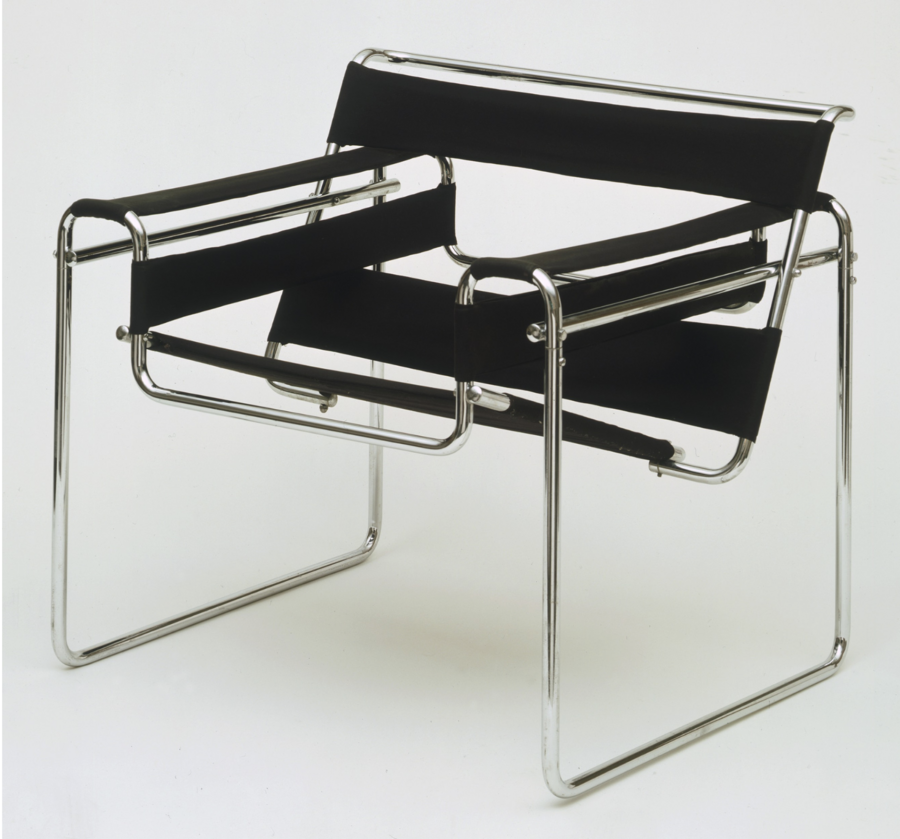
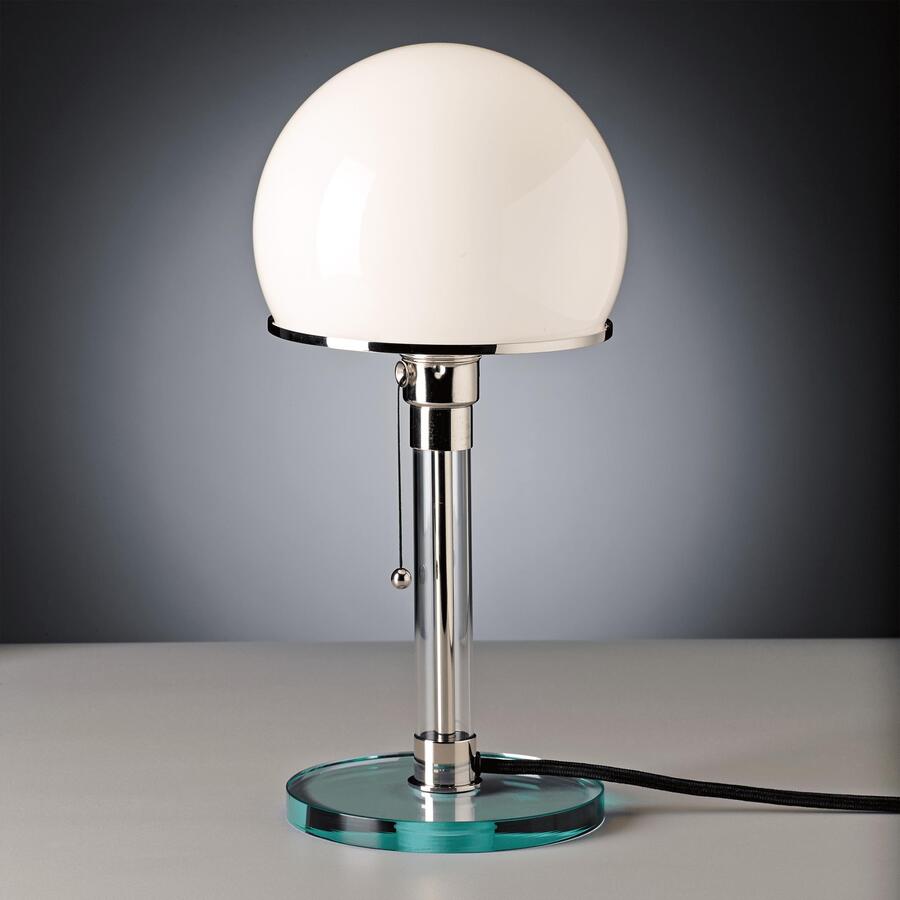
Left: Marcel Breuer, Club Chair (Model B3 / «Vasily»), 1927–1928 / Right: WG24 Lamp, 1923–24, Wilhelm Wagenfeld and Carl J. Jucker
The work of Bauhaus designer Marianne Brandt (1924), photographed by Lucia Moholy-Nagy, who documented Bauhaus artifacts.
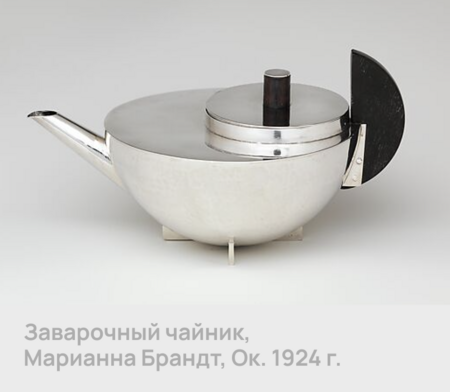
During its brief existence (1919–1933), the Bauhaus School nurtured a constellation of architects and designers whose work profoundly influenced the visual landscape of the 20th century. Marianne Brandt’s teapot is the quintessence of the Bauhaus style. Its miniature size—only about 7.5 cm high—stems from its functional purpose: unlike conventional teapots, this piece was designed to brew concentrated tea, which could then be diluted with hot water directly in a cup to achieve the desired strength [10].
Marcel Broyer. B32 Chairs. Thonet. 1920s.
Breuer, like other Bauhaus representatives, sought to make high-quality and functional furniture accessible to people with limited incomes. Students and faculty at the school explored new materials and forms, creating pieces devoid of superfluous decorative elements. This approach was rooted in the concept of furniture as an object intended for mass production—convenient to use, practical, and safe for human health. In 1924, in his essay «Form and Function, ” he wrote:
«…a chair shouldn’t be 'vertical' or 'horizontal'; it shouldn’t be 'expressive' or 'constructivist'; it shouldn’t be made solely for the sake of convenience or to match the table; it must simply be a good chair, and in that quality, it will undoubtedly suit a good table» [9]
Bauhaus Woodworking Workshop (Carpentry and Weaving) in Weimar. Early 1920s
02_Rational Aesthetics
Soviet art critic L. A. Zhadova, after visiting the company Brown, the firm Grundig, and the first exhibition of the German Designers' Union in 1964, outlined the main directions of design development in the FRG, according to her view, shaped by the «Ulm Concept.»
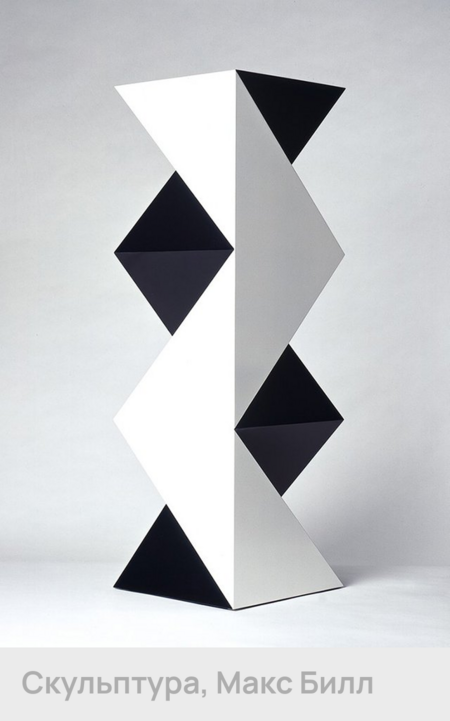
«This is undoubtedly a drive toward new solutions based on the swift and systematic comprehension of the latest scientific and technological advancements. The development of the research aspect of design solutions—the system, the logic in form creation, the emphasis on this part of the creative process—are characteristic traits of the finest examples of West German design. This yields the overall, distinctly rationalistic character of the designers’ stylistic solutions. This necessitates a consistent pursuit of unification and standardization, complexity and variability, and efficiency in the use of resources. The harmony in the solutions of top West German designers is not a consequence of the sculptural-plastic integrity of the form, as seen in Italian designers, but emerges as the result of a deliberately thought-out logical system of form composition, achieved with the most minimal means» [2].
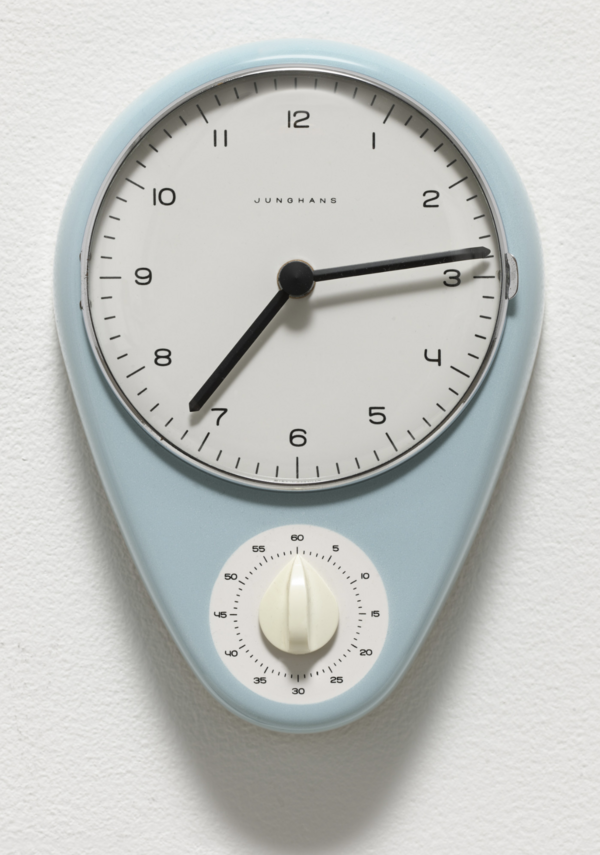
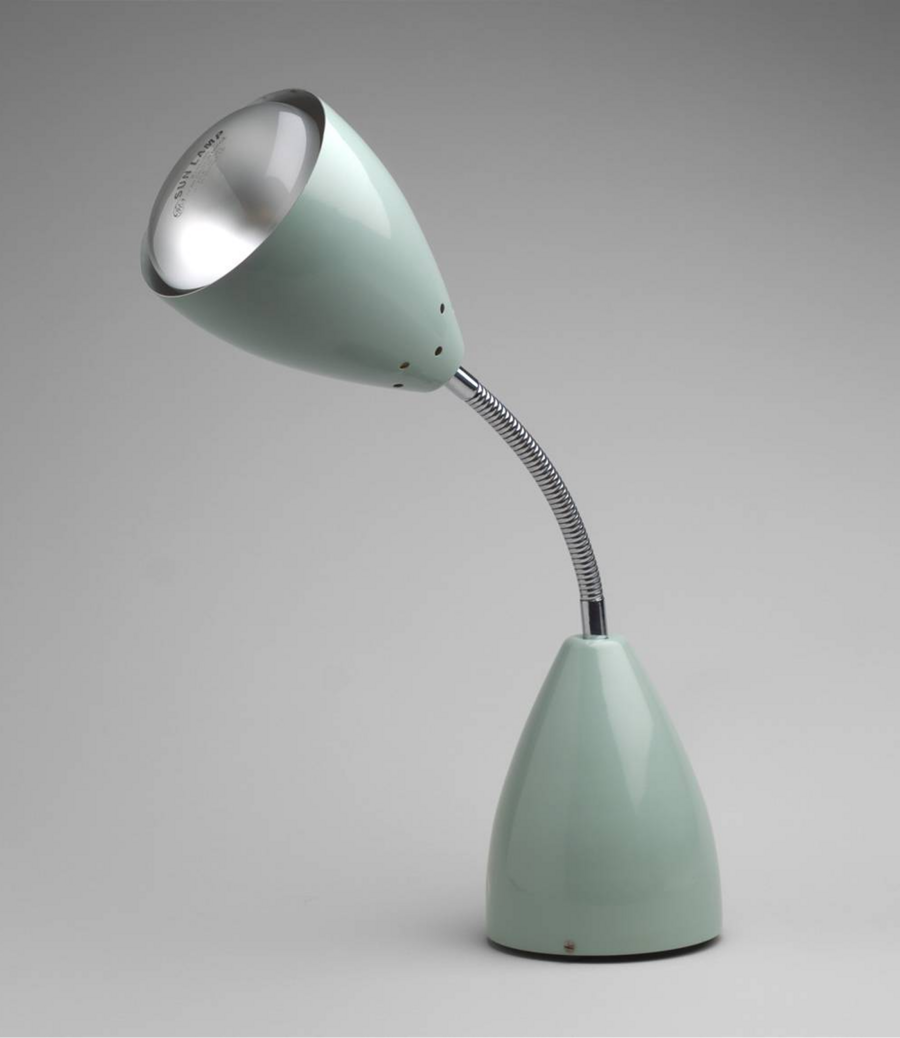
Left: Max Bill, Sun Lamp, 1951 / Right: Max Bill, Kitchen Clock, 1956–1957
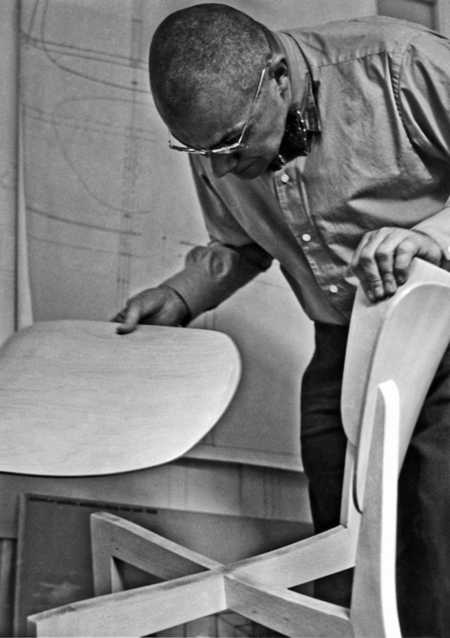
Max Bill was born in Winterthur, Switzerland, in 1908. After graduating from the Zurich School of Arts and Crafts, he enrolled at the Bauhaus school in Dessau in 1928, where Paul Klee and Wassily Kandinsky were among his mentors.In 1950, Bill became one of the founders of the Ulm School of Design. He designed buildings for this institution and served as its rector until 1956. Many of Max Bill’s works—whether architectural projects, works of art, or design objects—have become classics.
Braun’s design style is closely connected to the Ulm School of Design (HfG Ulm), as the company’s collaboration with the school’s faculty and students significantly shaped the new visual direction of its products.
The core idea behind the style is that an object’s appearance should be dictated by its function and structure. Braun’s technique was characterized by restrained geometry, a neutral color palette, an intuitive control system, and an attention to usability. The design did not strive to decorate the object, but rather to make its construction and functions visually clear.
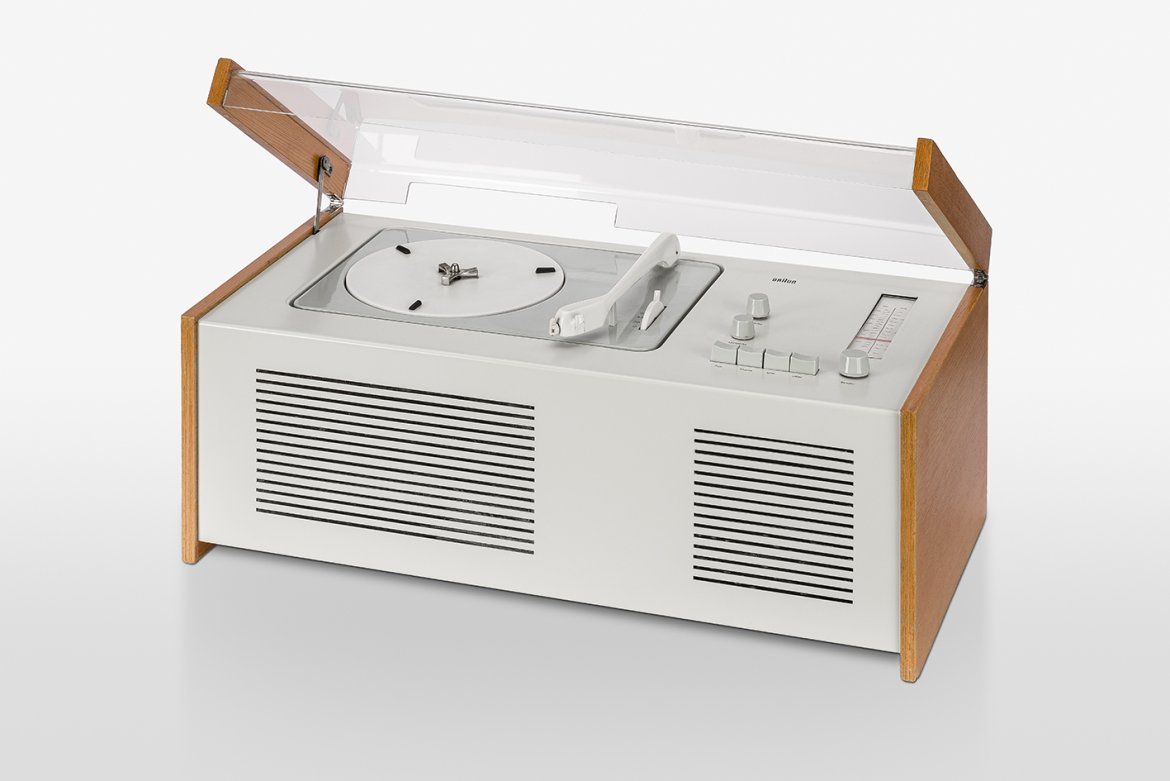
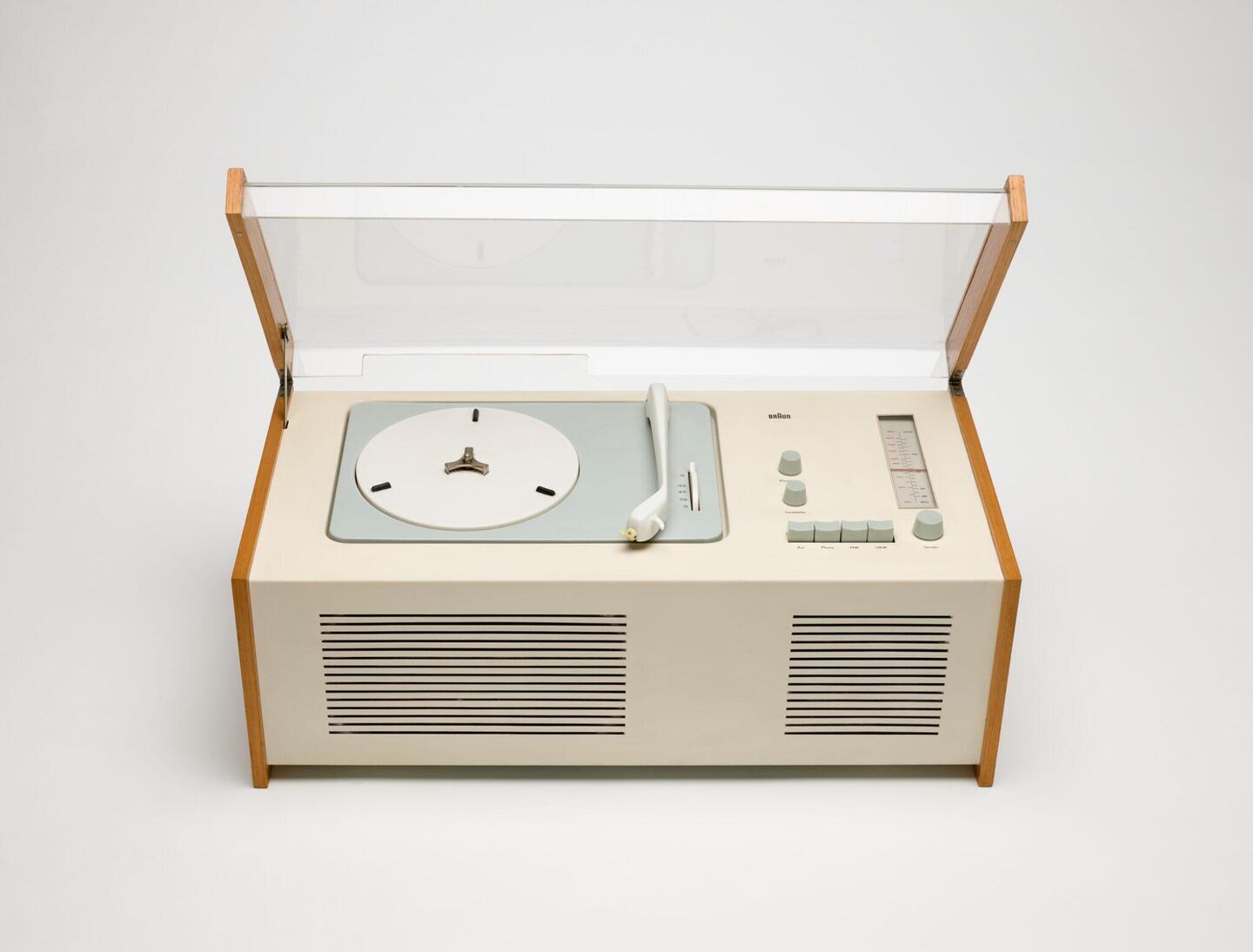
Braun SK-4 Radio and Record Player, Dieter Rams and Hans Gugelot, 1956
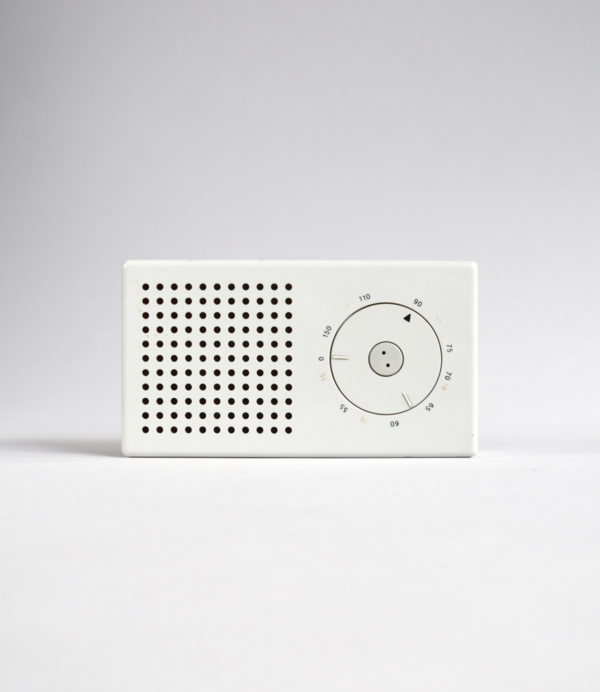
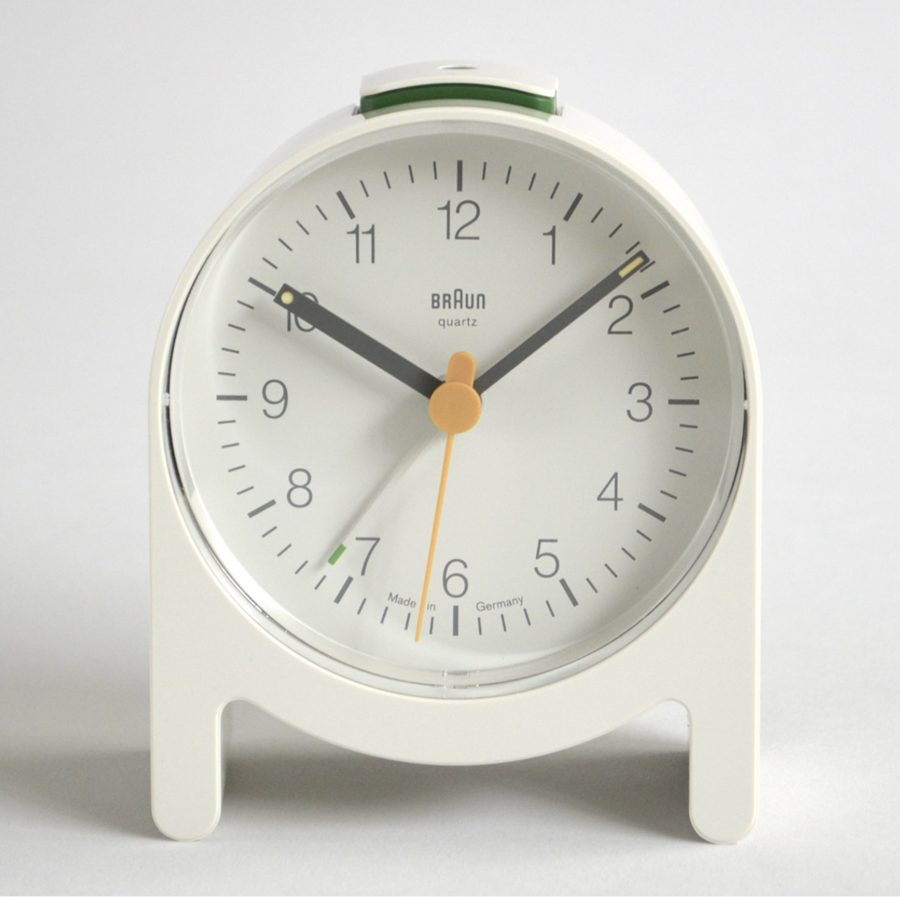
Left: Pocket radio (Model T3), Dieter Rams, 1958 / Right: AB 2 alarm clock (white), 1984
Dieter Rams succeeded in creating a unified thread that permeates Braun’s entire product design—known as the Braun style—and is easily recognizable by consumers. He devised a signature aesthetic for an entire constellation of household items, characterized by simple forms, clean lines, and an achromatic black-white-gray color palette.
Dieter Rams, Audio 1 Phonograph (Model TC 40), 1962
The KM 3 model, developed by Müller in 1957—with its smooth contours and cohesive form—became the first manifestation of what would later evolve into a significant «organic» direction within Braun’s functionalism of the 1960s.
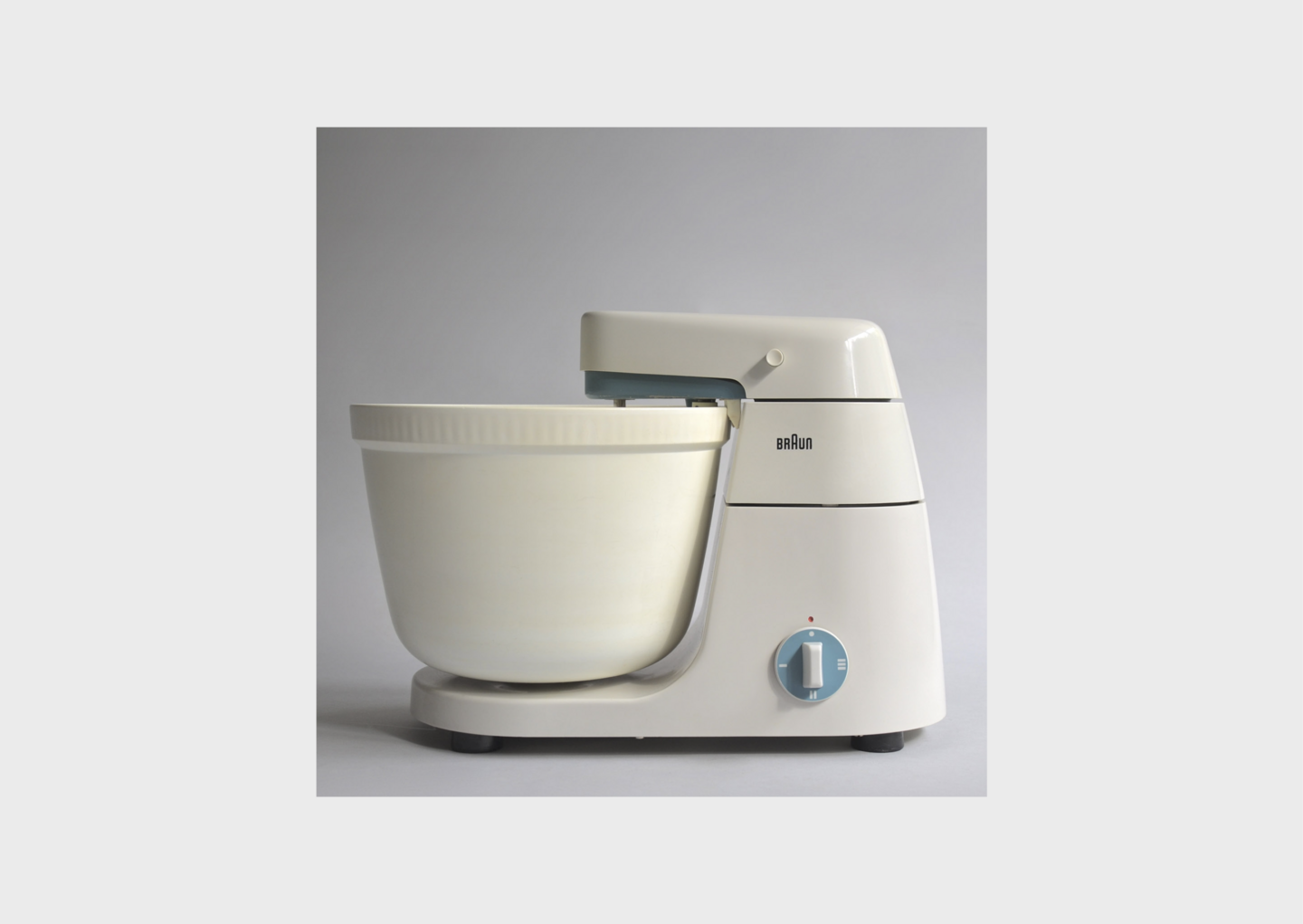
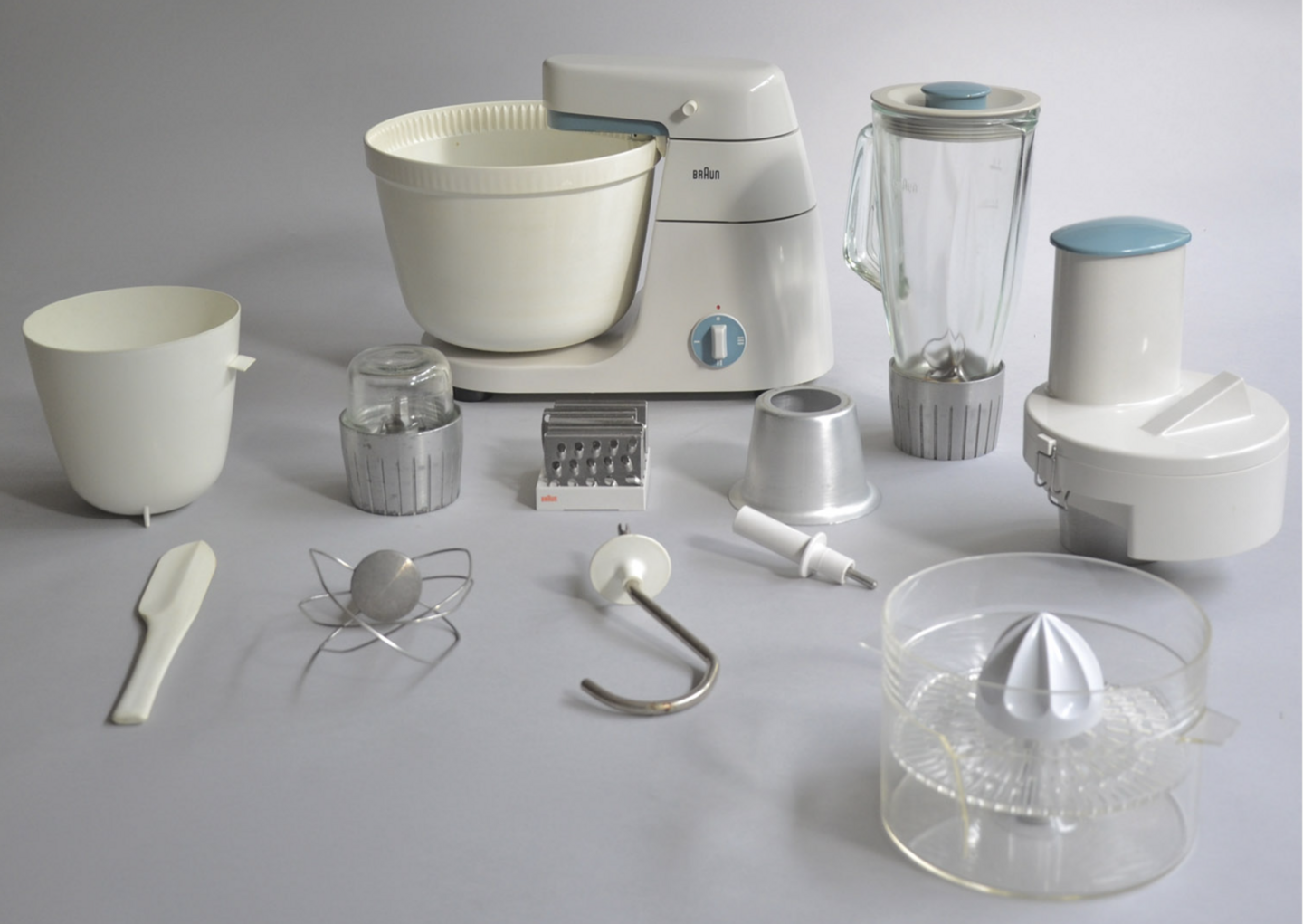
KM 3 Model, Müller, 1957