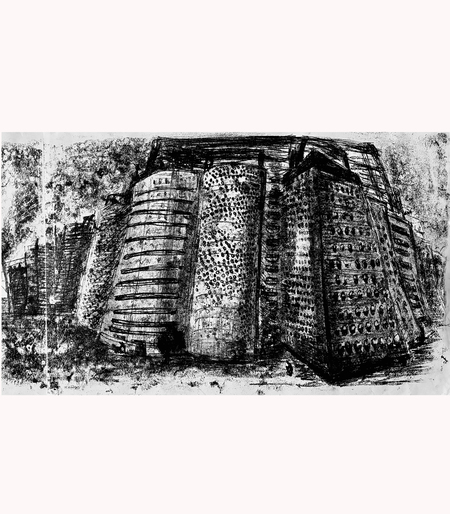
The city is a grater. The topic of global urban development is extremely relevant to a megacity like Moscow, stemming from practical necessity. Numerous discussions about preserving historical landmarks—the «face of the city”—do not negate the rapid expansion of gigantic „termite mounds“ outside the city center. Large-scale projects demand standardized and easily reproducible solutions. The landscape and the lives of city dwellers become „packaged“ into uniform cells. The system of models infiltrates not only the architecture and city planning but also the organization of daily life, the sense of self, and human behavior and thought. (The topic is explored more acutely and in detail in the article about Modular Shanghai: https://mediiia.com/project/modulnyj-shankhaj)
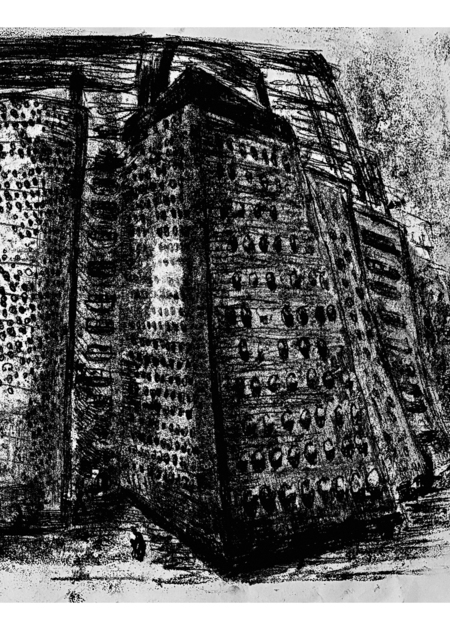
As a resident of a cozy, green district in Moscow, this dynamic causes me anxiety. The appearance of vast concrete boxes instead of sky and air makes one feel trapped inside a giant combine, and the homogenization strips away free will, imagination, and thought. The metaphor of the city as a grater did not appear immediately. During one walk, I found a crumpled, rusty grater on the roadside, and within it, I saw modules of high-rise buildings, as well as a clear sense of what should be done with these structures.
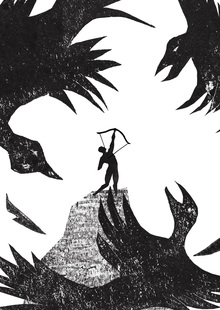
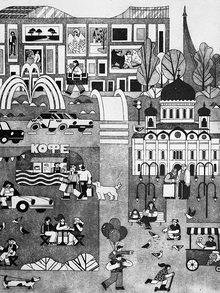
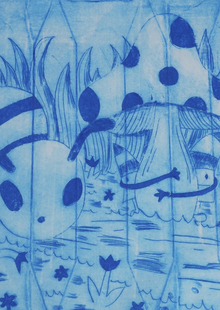
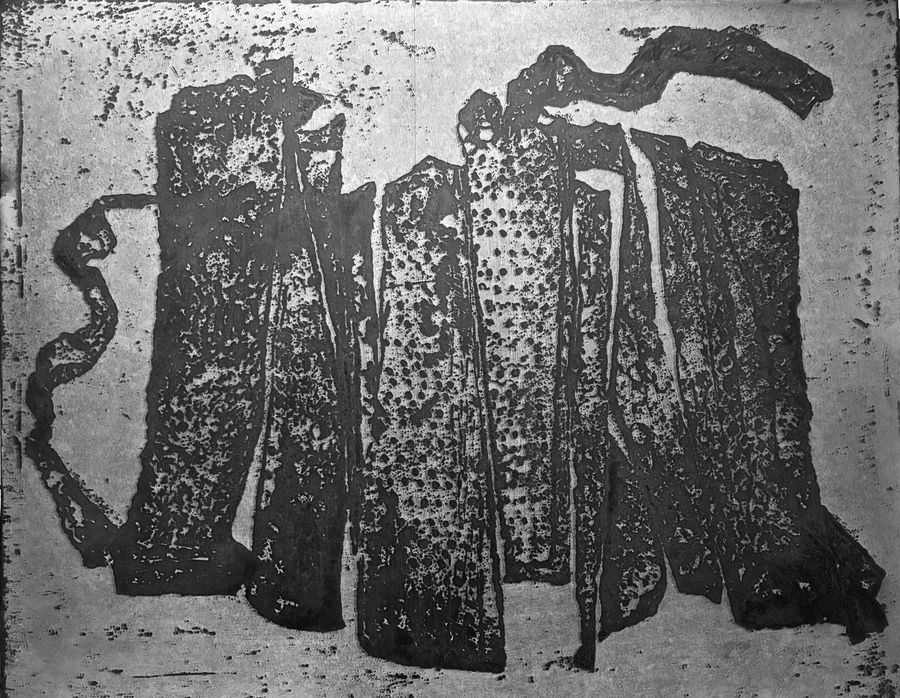
Currently, the project is presented as sketches and material samples. The final execution technique will be etching. I wanted to supplement the metaphor of the city as a grater—the landscape—with an investigation of the tool itself: fragile and also susceptible to decay and modification. A possible conclusion could be a composition made from printed scraps, organized into a new structure resembling a city map.
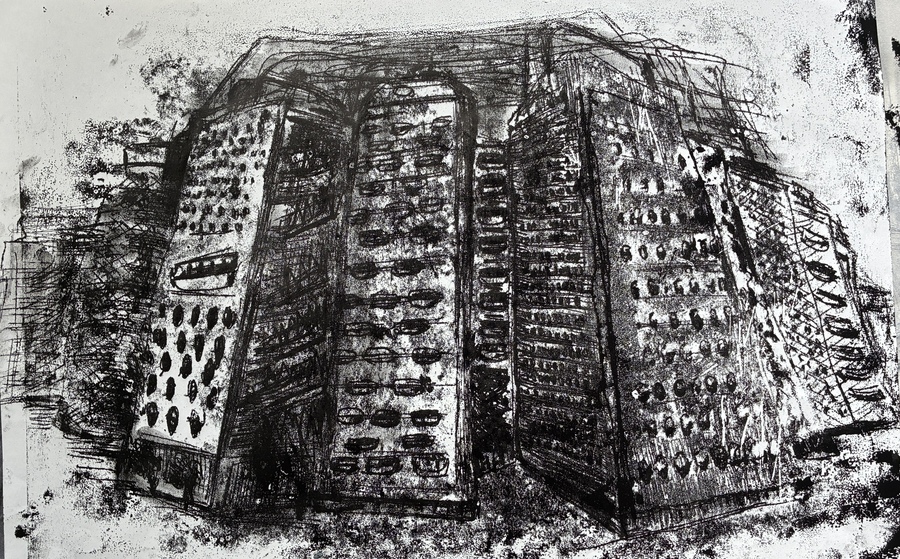
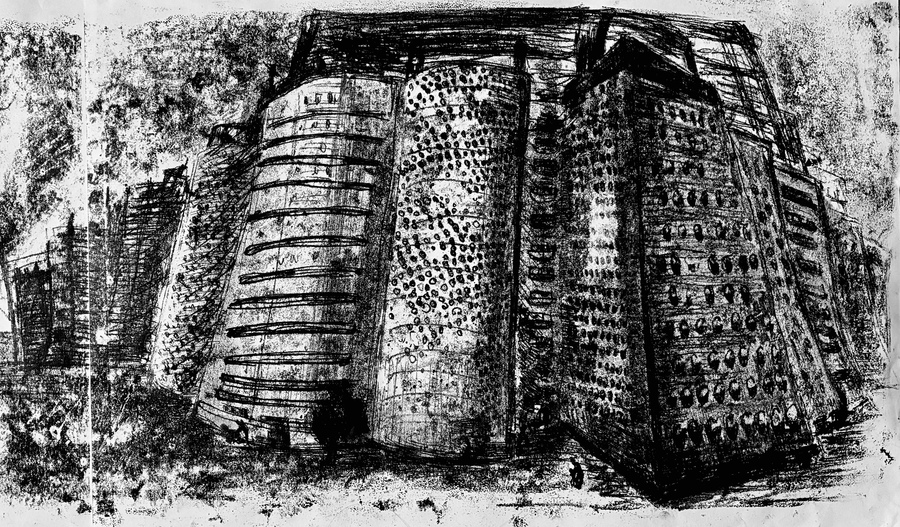
Final project sketches in the daguerreotype technique for subsequent transfer to etching (above)
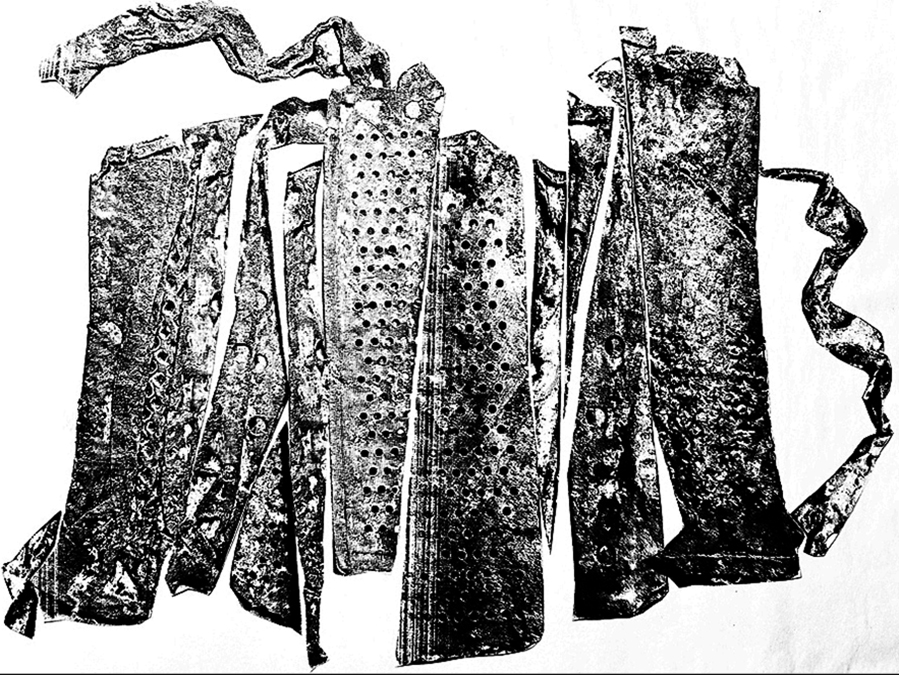
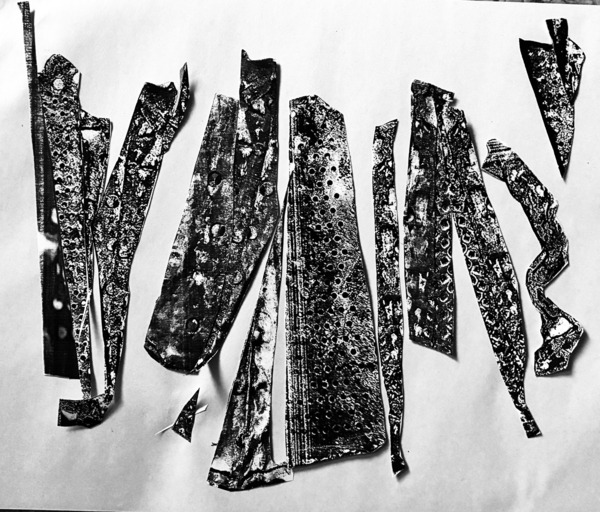
Sketches — Collage of Texture Transformation
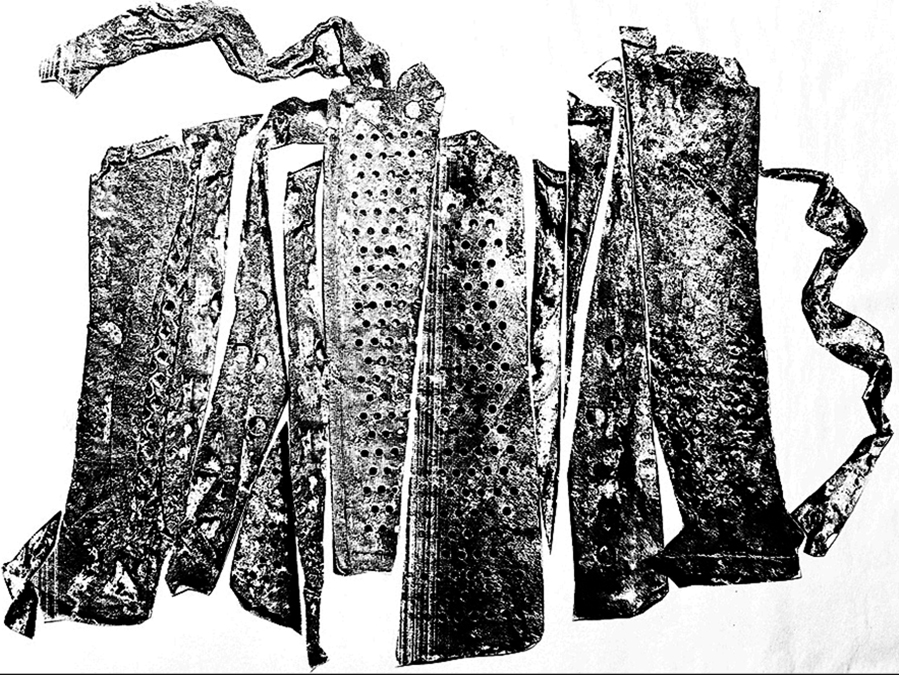
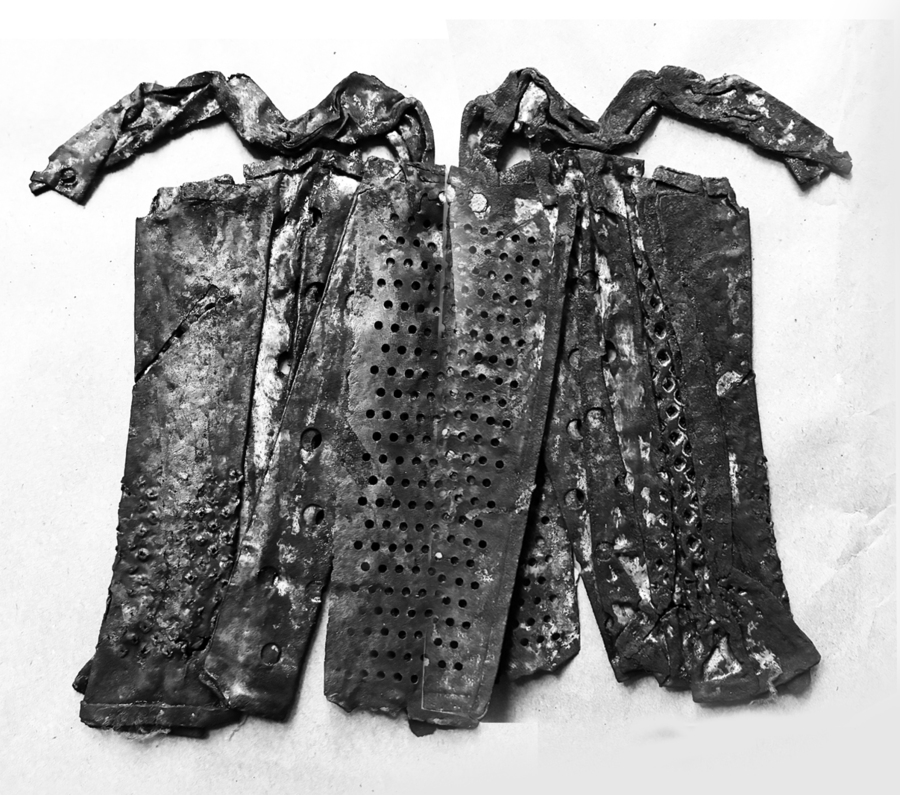
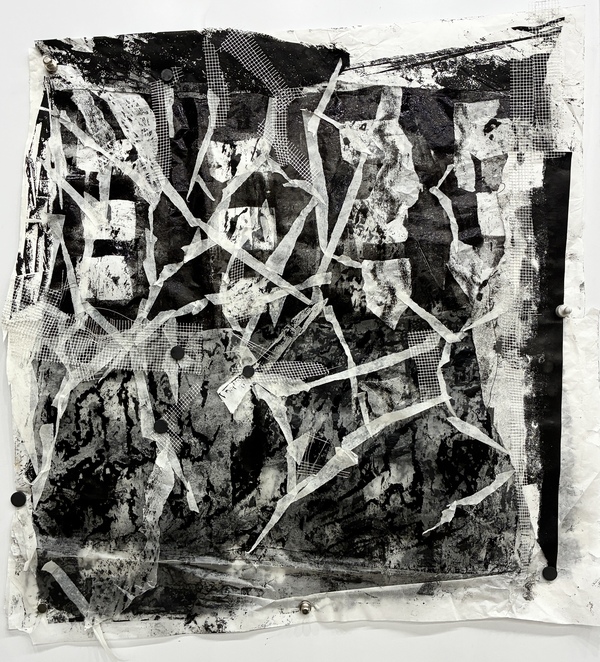
Additions: crinkled grater and collage made from scraps
Metal sample (32×26 cm board in print) and sketch