The term «dopamine» has flooded social media feeds in recent years—it seems everyone is obsessed with this hormone.
They tell us how to «hack» dopamine receptors, how to achieve «long-lasting» dopamine, and what it differs from fast-acting dopamine, suggesting we diversify our daily lives with «dopamine-boosting» purchases as a form of self-care.
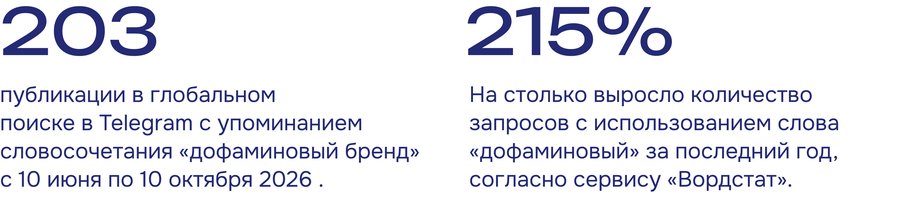

RESEARCH CONCEPT
In a world saturated with fast and accessible pleasures, we fall into a «dopamine loop»: the receptors for this neurotransmitter are constantly being stimulated by social media algorithms and advertising.The overall external level of stress is rising—crises, wars, and external instability inevitably impact our consumer behavior.This creates a pattern that compels us to seek joy in small purchases, home decor, vibrant colors, prints, clothing, and emotional purchases in general.
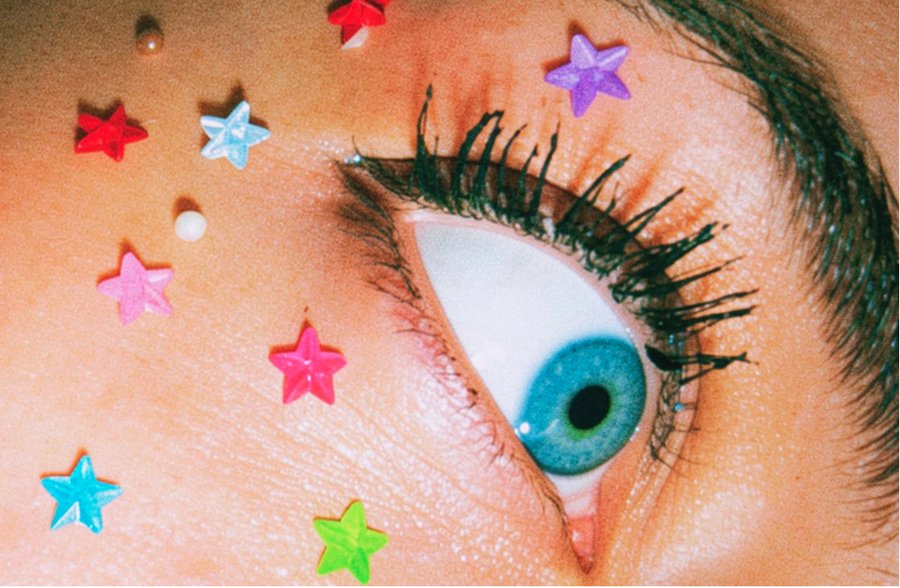
As part of this research, I am studying the trend toward «dopamine dressing» from the perspective of emotional purchasing—how the average consumer makes such purchases. Which specific aspects of buying things for personal pleasure make him feel the most satisfied? Is there something in the brand’s positioning that makes him feel this way? Is «dopamine aesthetics» transforming into genuine consumer joy?
During a recession, we tend to turn to the purchase of small, affordable joys—this phenomenon is called the «red lipstick effect.»
QUESTIONS
The key question is: What in the brand’s narrative signals to us that this purchase will bring us joy?
HYPOTHESES
— Certain brands stand out for their communication specifically targeting dopamine aesthetics.— A brand’s specialized «dopamine» communication converts into emotional purchasing decisions.— «Dopamine» visuals prompt a person to experience feelings of joy when making a purchase.— Brands featuring «dopamine» visuals are more often chosen as gifts for oneself or for loved ones.
SURVEY
To study consumer behavior regarding emotional purchases, I surveyed 124 individuals; respondent ages ranged from 17 to 48.
Most respondents live in major Russian cities (Moscow — 83,3%, Saint Petersburg, Yekaterinburg, Kazan).
The budget for emotional purchases for 70,6% of those surveyed is 5,000–10,000 RUB/month.
The average age of the respondent is 24 years old.
What categories of purchases do you most often turn to when you want to lift your spirits?
Which purchase would delight you more: a core brand item with highly vivid and emotional communication (packaging, social media presence, brand philosophy) or a unique item with neutral brand communication?
Have you noticed any changes in how you choose clothes, accessories, and home decor over the past three years?
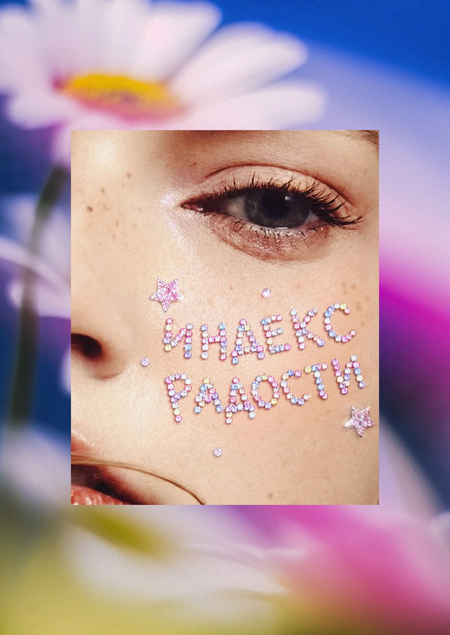
INDEX OF JOY

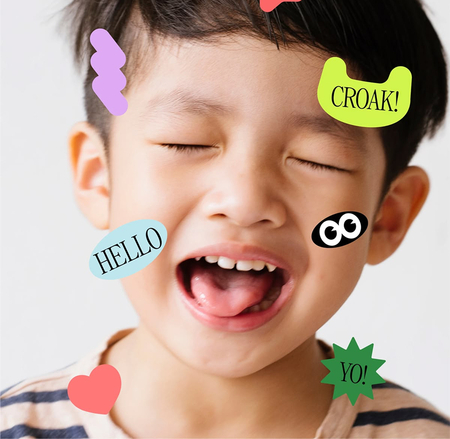
Based on the insights from the previous section, I selected 10 brands that include «dopamine-inducing» products. The rating features brands mentioned by respondents in the survey, along with results gathered from a global search for the phrase «dopamine brand» and its variations across Telegram channels over the past five months.
Point Scoring Table