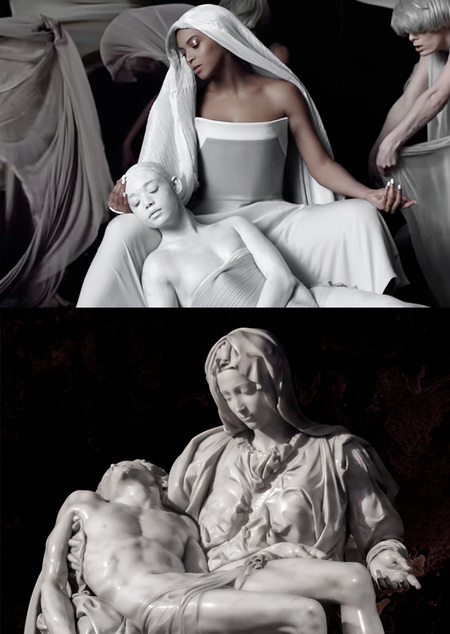
The research project «Art on Repeat» explores how artworks are utilized in music videos and acquire new meaning. Directors reference famous paintings, photographs, and films—reproducing their composition, employing individual imagery, or adopting the artist’s style. In this process, the original work can shift its meaning depending on the context. The study illustrates how artistic motifs transition from classical art into contemporary pop culture, transforming and becoming integral parts of a new visual language.
Navigation
1. Concept
2. Art as a Source
3. The Painting Becomes a Frame
4. Artistic Style as Clip Language
5. The Image Beyond the Original
6. Art in a New Context
7. From Painting to Cinema Screen
8. Conclusion
Art as a Source
Artworks often become a source of inspiration for music videos. Directors draw upon famous paintings, photographs, and cinema, borrowing specific imagery, compositions, and artistic techniques. Such references can be overt or subtle, and their meaning depends on the context in which they are used. This section explores how art transitions from one era to another, why familiar motifs continue to appear in contemporary culture, and how they become part of a new visual language.
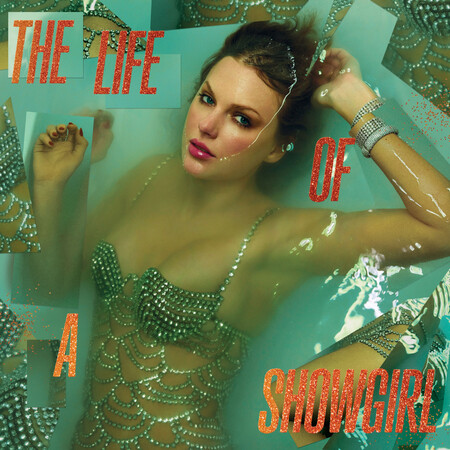
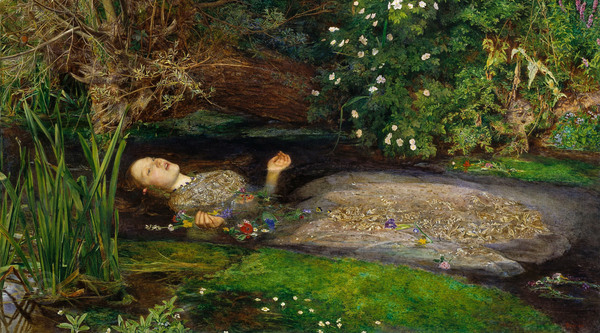
The Life of a Showgirl Musical Album — Taylor Swift ‧ 2025/John Everett Millais — Ophelia 1852
For the cover of her new album, The Life of a Showgirl (2025), Taylor Swift embodied the image of Ophelia, the tragic Shakespearean heroine immortalized by John Everett Millais in 1851–1852. Between echoes of water nymphs and allusions to the fate described in Hamlet, the pop star fits into a long tradition of visual and literary reinterpretations—an image that marries theatrical pathos with Pre-Raphaelite symbolism, recontextualized through the prism of modern pop music.

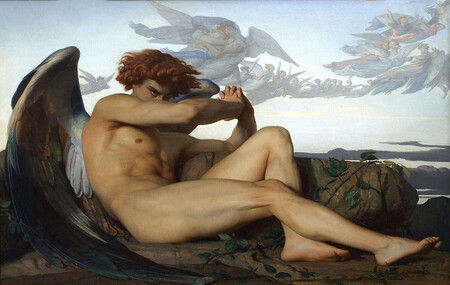
Psalm in Flop, 2021./Alexander Kabanel «The Fallen Angel» (1847)
An Italian rapper poses in a recreation of Alexander Kabannel’s painting «Fallen Angel» (1847) to promote his album Flop (2021): the angel’s somber gaze and restrained tears become a visual metaphor for his defiant, disillusioned stance.
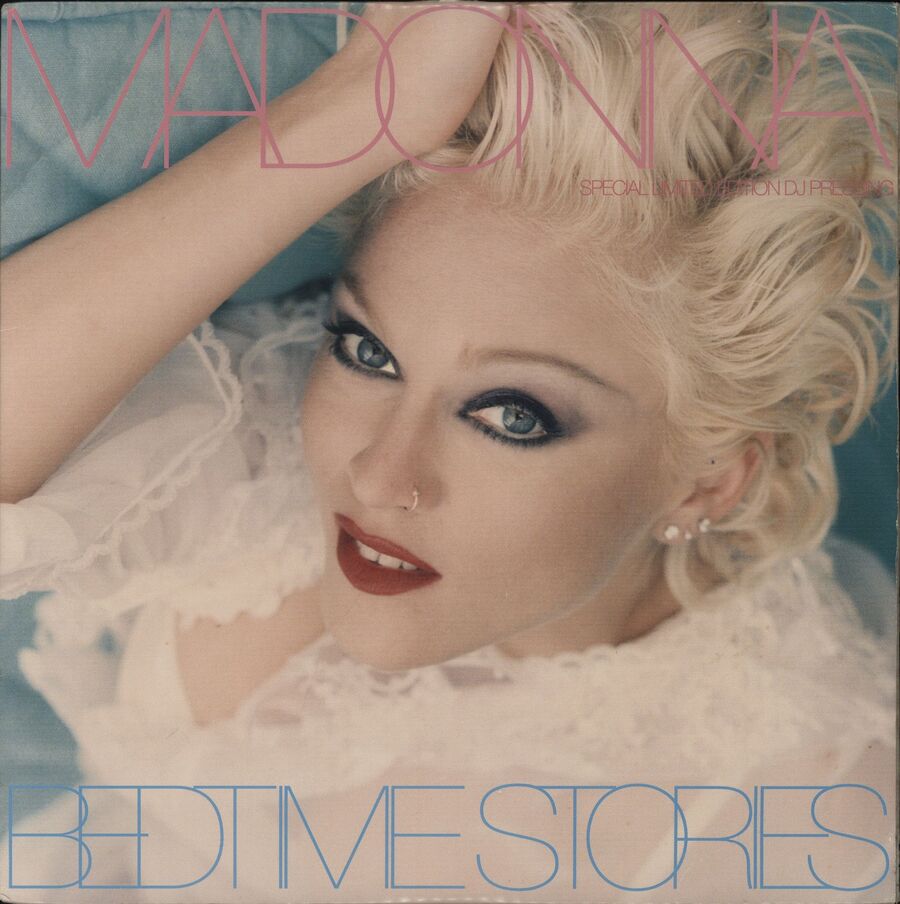
It is no secret that Madonna is an art connoisseur. In the music video for «Bedtime Story» (1994), she undertakes a fantastical journey into the world of Surrealism. The video transports her through scenes inspired by Leonora Carrington and Leonor Fine—artists who had not yet achieved the recognition they enjoy today. The result? A seamless flow between dreams, painting, and electronic music.
Art as a Source
Famous paintings form the basis for individual scenes in music videos. Directors replicate the composition, poses, and gestures of the characters, transferring the artistic images into a modern visual context.