Original size 2048x3072

How Mosaic Became a Language of Art in Ancient Greece, Rome, and Byzantium

PROTECT STATUS: not protected
This project is a student project at the School of Design or a research project at the School of Design. This project is not commercial and serves educational purposes

Navigator

1 Concept 2 First Mosaics and Their Functions 3 Mosaics in Ancient Greece 4 Ancient Rome 5 Byzantium 6 Supplemental Information 7 Sources

Concept

Analysis of why and how mosaic became such an important part of these cultures due to the architecture of faith and status.

The First Mosaic

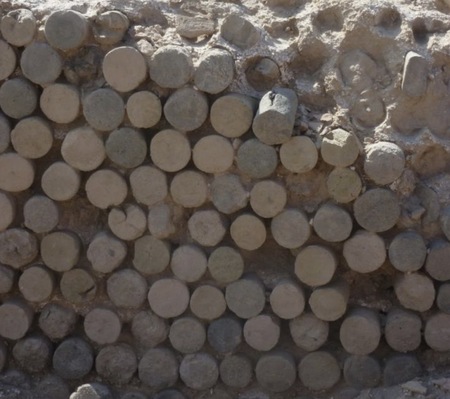
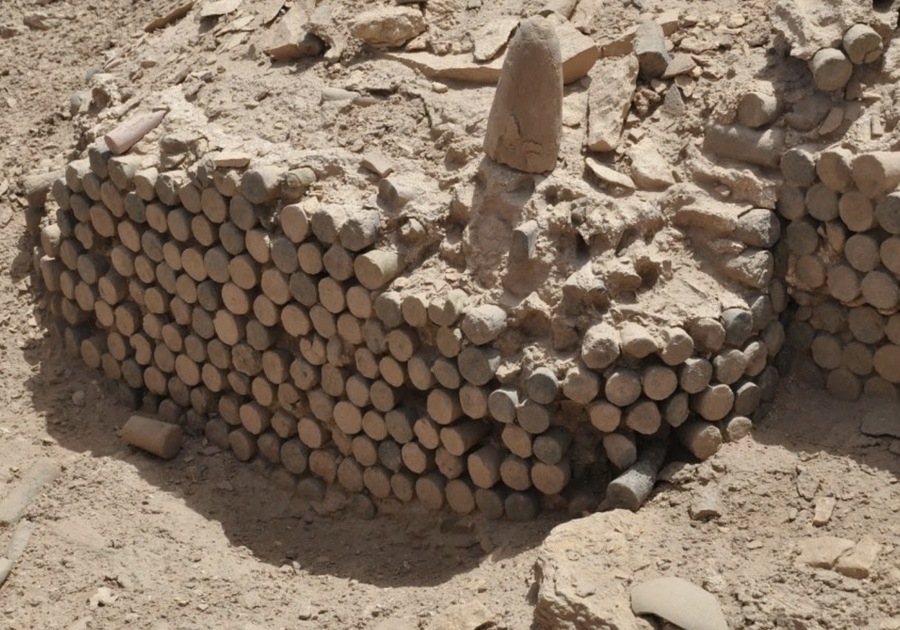
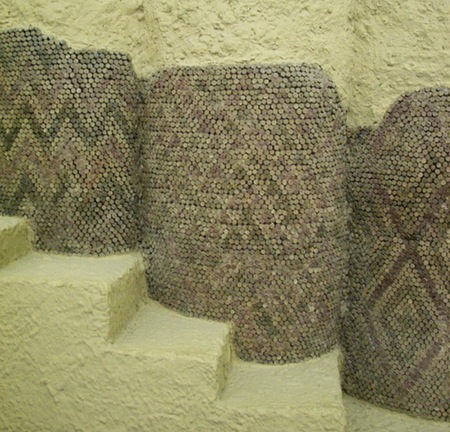
The history of mosaic work dates back to the second half of the 4th millennium BCE—the period during which the palaces and temples of Sumerian Mesopotamian cities were constructed. The mosaic, used as cladding for mud-brick walls, was created from fired clay cones («ceramic nails») measuring 8–10 cm in length and 1.8 cm in diameter [1].
The Sumerians built monumental temples and ziggurats using unfired (adobe) bricks. This material was quite fragile: it rapidly deteriorated due to sun, wind, and rain. To protect the walls from decay while simultaneously decorating them, Sumerian craftsmen devised a brilliant technological and visual solution—cone mosaics featuring ornamentation, zigzags, lines, stripes, and triangles.
big
Original size 1688x1181
Original size 1605x1001
Original size 2040x494
0
1/2
Original size 1403x1030
Original size 2034x1518
How Mosaic Became a Language of Art in Ancient Greece, Rome, and Byzantium
Project created at 15.11.2026
designschool.am
designschool.am — цифровая экосистема, объединяющая профессиональное портфолио для дизайнеров — студентов, выпускников и сотрудников программы «Коммуникационный дизайн» (совместный проект Российско-Армянского Университета и Школы дизайна НИУ ВШЭ), образовательную онлайн-платформу, площадку, агрегирующую международные онлайн-конкурсы в креативных индустриях и другие профессиональные инструменты.... Show more
We use cookies to improve the operation of the website and to enhance its usability. More detailed information on the use of cookies can be fo...
Show more