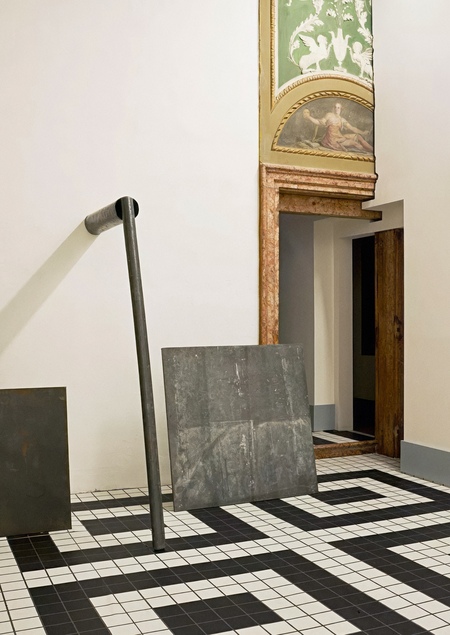
- Concept
- When Attitudes Become Form. Iterations I. Bern 1969 II. Venice 2013
- Attitudes to Form I. Material II. Non-material
- Conclusion
- Bibliography
- Image Sources
CONCEPT
This research focuses on the exhibition When Attitudes Become Form (1969), curated by Harald Szeemann, and the texts that contemplate the artistic practices of the late 1960s and early 1970s, authored by the exhibition participants. The objective of this research is to demonstrate how the individual theoretical reflections on art by the participating artists are reflected in the collective exhibition.
Harald Szeemann’s innovative exhibition, When Attitudes Become Form, held in 1969 at Kunsthalle Bern (Switzerland), challenged traditional notions of art and presented a new perspective on the relationship between the immaterial and the material. The revolutionary and unconventional nature of Szeemann’s project lies in the fact that the primary values of the exhibition were the personal handwriting of each artist and processuality, rather than the object itself.
Artists in When Attitudes Become Form explore various facets of artistic discourse. The primary focus is on the ideas of form, materiality, and immateriality, the individual mythologies of creators, and how these are realized in their work. The theoretical foundation for this study is Art in Theory 1900–1990 (Harrison C., Wood P.) [1] and «Six Years: The Dematerialization of the Art Object, 1966–1972» (Lippard L.) [2]. The collection and book feature the following essays and manifestos: «Paragraphs on Conceptual Art» by Sol LeWitt (1967) [1], «Sentences on Conceptual Art» by Sol LeWitt (1969) [2], «Statements» by Lawrence Weiner (1969–72) [1], «Interview with Arthur R. Rose» by Robert Barry (1969) [1], «From Art Pouera» by Germano Celant (1969) [1], and «Not Just a Few Are Called, But Everyone» by Joseph Beuys (1972) [1]. By analyzing these texts within the context of When Attitudes Become Form, two distinct directions in the authors' thought leading to dematerialization can be identified: material art and immaterial art.
The exhibition features site-specific works by Minimalist Richard Serra, Arte Povera artist Mario Merz, Land Art artist Robert Smithson, and Conceptualist Joseph Beuys. Artists who explore objecthood from an abstract perspective or the absence thereof include Conceptualists Sol LeWitt, Lawrence Weiner, Walter De Maria, and Robert Barry.
In the 1960s and 70s, the material form of a work began to lose significance in favor of the idea—a trend critic Lucy Lippard termed the «dematerialization of art» [2]. The evolving relationship with form, and the observation of how «art changes its tools» [3], can be traced by analyzing how artists from these various movements approached materiality and how these different philosophies intersect at the Zeeman exhibition. The research utilizes documentation from the 1969 exhibition, its subsequent reenactments, and individual later repetitions and variations of the installations.
WHEN ATTITUDES BECOME FORM. ITERATIONS
Harald Szeemann, curator of When Attitudes Become Form, 1969
I. BERN 1969
The figure of the independent curator only began to take shape in the late 1960s. Related to this, in When Attitudes Become Form (1969), Ziemann acts as the creator—his authorship is inseparable from the exhibition itself. By presenting radical art in an unconventional manner, Ziemann did not summarize everything that had been done in 1960s art; rather, he opened up a new format for exhibiting and interacting with the works relevant to the time. He abandoned the conventional barriers between objects, which were placed so closely that they interacted with one another. The works were scattered throughout the Kunsthalle—on walls, near the entrance (a perceived encroachment on the sidewalk), and on the floor. The distance was reduced not only between the objects but also between them and the viewer, lending the exhibition a processual and performative character.
Giap’s Igloo, Mario Merz, When Attitudes Become Form, Kunsthalle Bern, 1969
When Attitudes Become Form, Kunsthalle Bern, 1969
Joseph Beuys, When Attitudes Become Form, Kunsthalle Bern, 1969
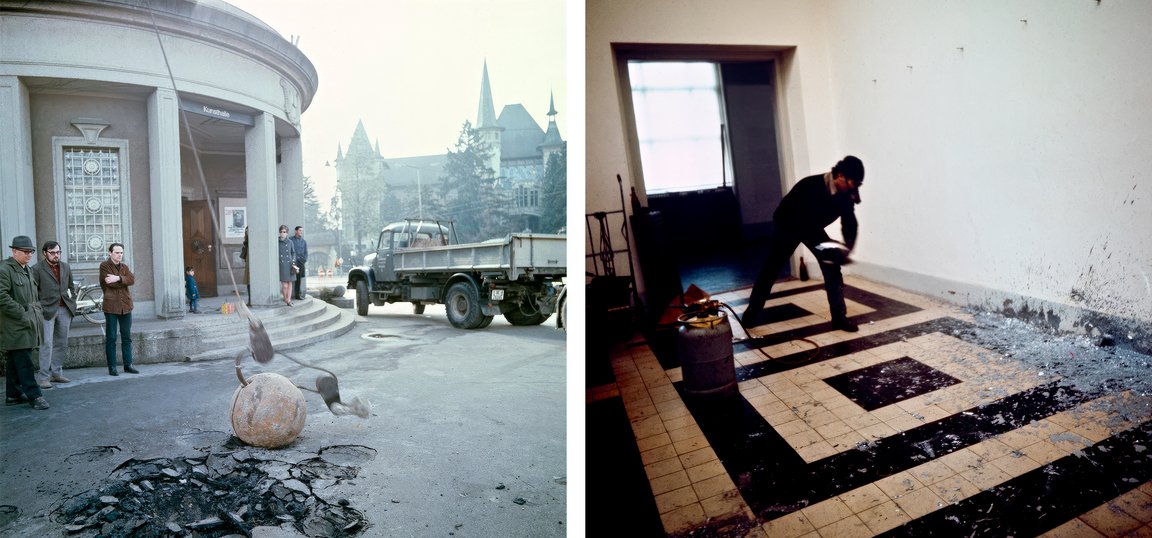
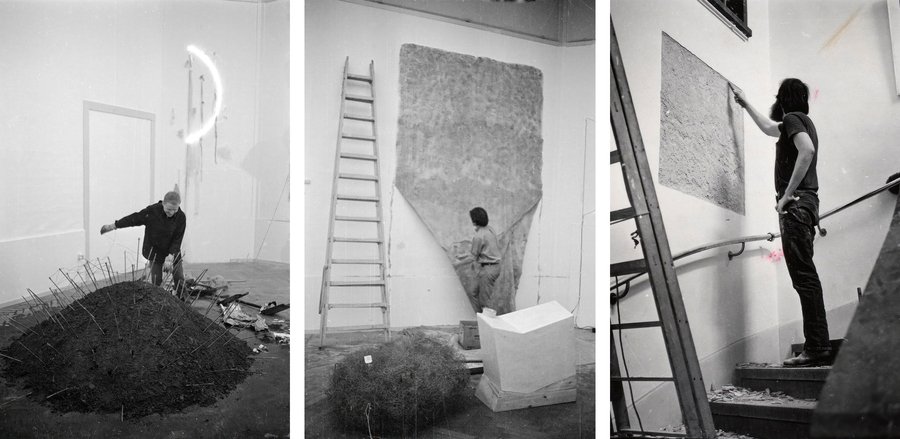
Reiner Ruthenbeck, Keith Sonnier, Lawrence Weine, Kunsthalle Bern, 1969 / Berne Depression by Michael Heizer, Splash Piece by Richard Serra, Kunsthalle Bern, 1969
The precedent combination of the curator-artist’s autonomy and the emphasis on participants' individual voices has become one of the most significant events in the history of curatorial practice. This emphasis is evident in the curator’s remarks on When Attitudes Become Form: «a collection of first-person stories» [4].
Plan, When Attitudes Become Form, Kunsthalle Bern, 1969. The density of the arrangement of objects relative to each other.
When Attitudes Become Form, Kunsthalle Bern, 1969
When Attitudes Become Form was also exhibited at the Institute of Contemporary Arts (London, United Kingdom) in 1969.
Live in Your Head: When Attitudes Become Form, Institute of Contemporary Arts, London, UK, 1969 / Catalog When Attitudes Become Form, 1969
The nature of the works comprising the exhibition is reflected in its title: (Works — Concepts — Processes — Situations — Information). Art is what objects become that were not originally so. Interaction with the material during the process dictates the form or «anti-form.» Thus, the exhibition is created from the experience of the artistic process. As Zeeman wrote in the exhibition catalog [5]:
«…the artist’s internal engagement with the work has never been so direct. However, the artists in this exhibition are not creators of objects; rather, they strive to liberate the object, thereby expanding its semantic layers by incorporating situations that go beyond its framework. They want the artistic process to remain visible in the final product—in its „completed state.“»
Live in Your Head: When Attitudes Become Form, Institute of Contemporary Arts, London, UK, 1969
II. VENICE 2013
When Attitudes Become Form: Bern 1969/Venice 2013, Fondazione Prada, 2013
In 2013, under the curation of Germano Celant, the exhibition When Attitudes Become Form: Bern 1969/Venice 2013 took place at Fondazione Prada. Similar to how Kunsthalle Bern was engulfed by a generation of young, revolutionary artists in 1969, the Ca' Corner della Regina space projected the halls of the Kunsthalle from the previous century. The reenactment included both a complete reproduction of the exhibition and archives from 1969, thereby becoming an «exhibition of an exhibition.»
Plan When Attitudes Become Form: Bern 1969/Venice 2013, Fondazione Prada, 2013
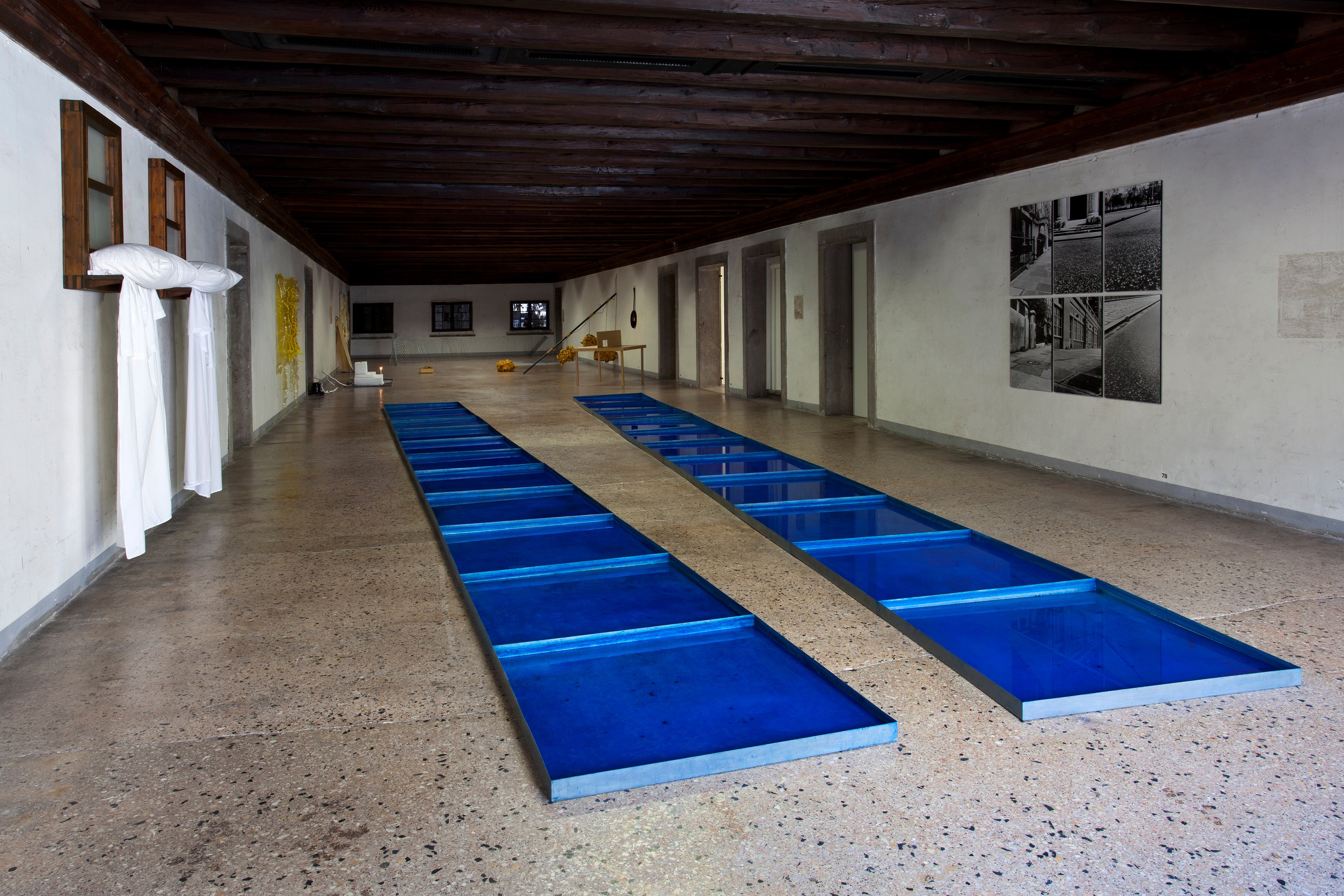
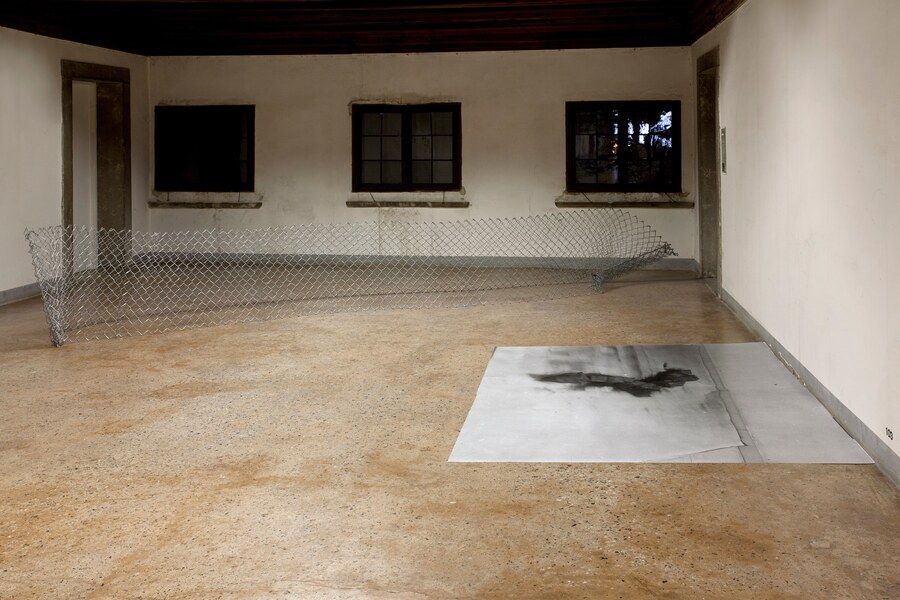
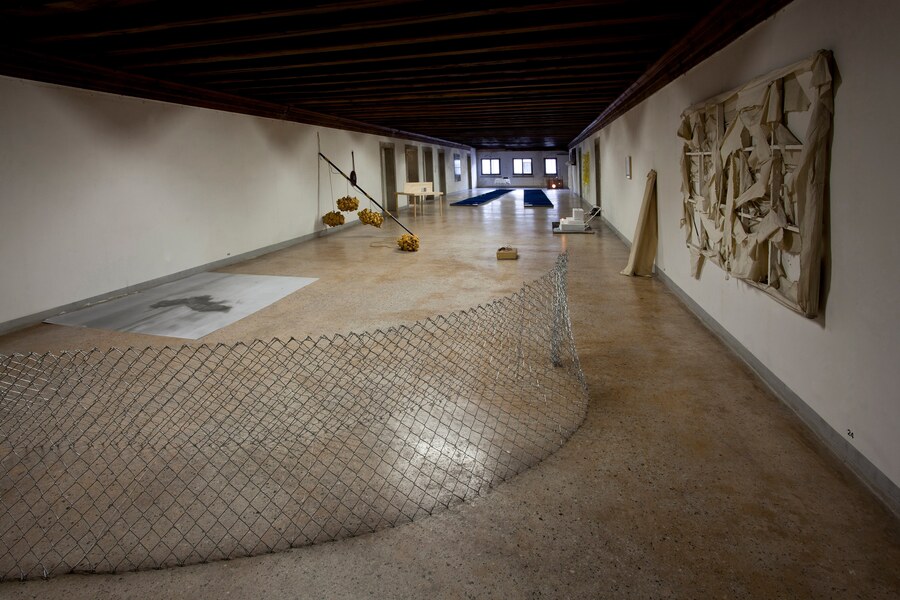
When Attitudes Become Form: Bern 1969/Venice 2013, Fondazione Prada, 2013
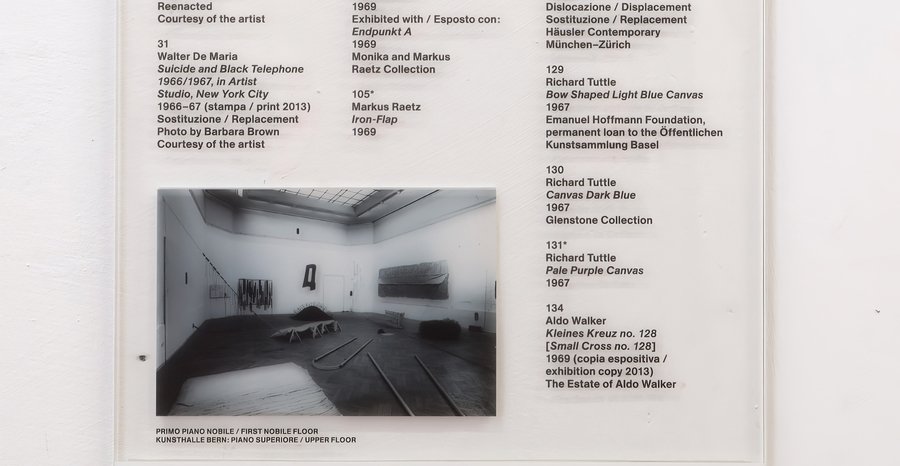
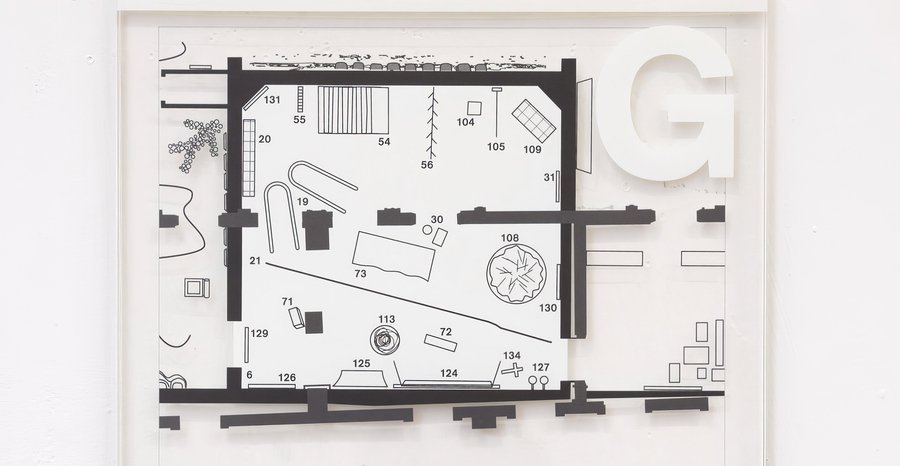
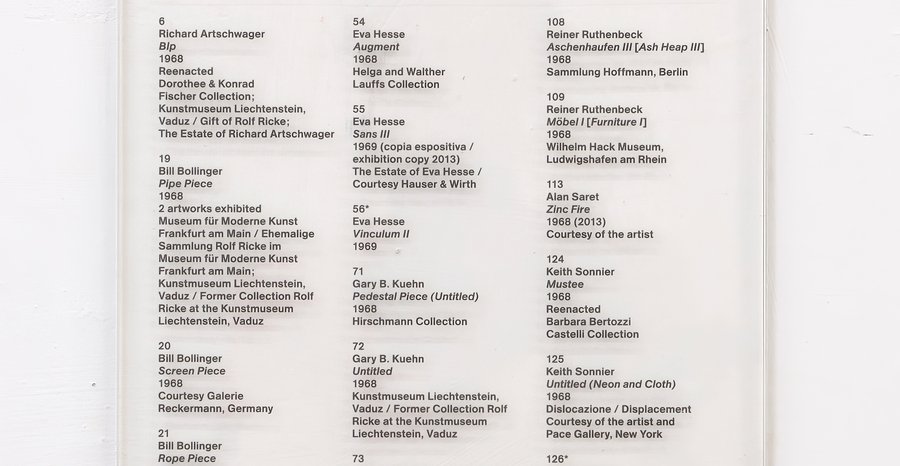
Plan When Attitudes Become Form: Bern 1969/Venice 2013, Fondazione Prada, 2013
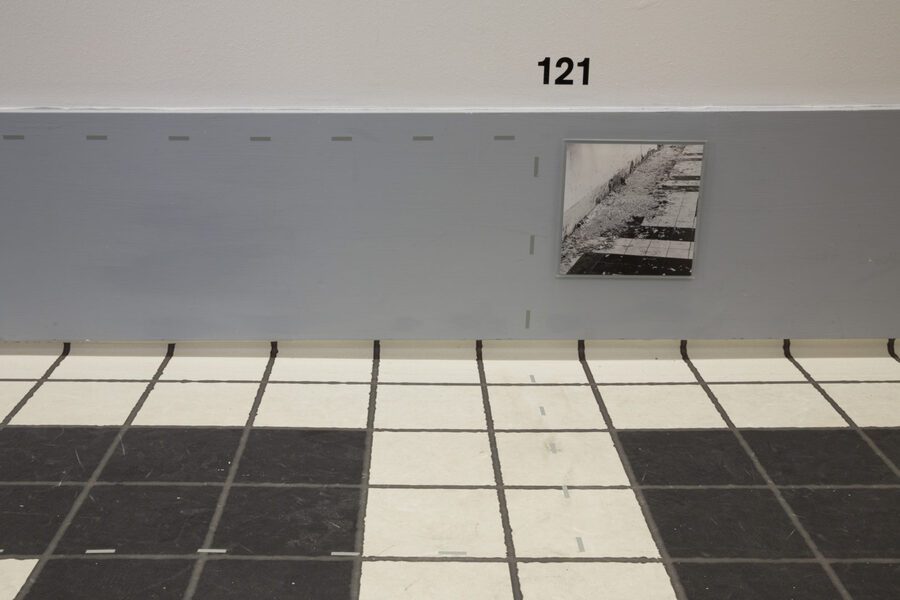
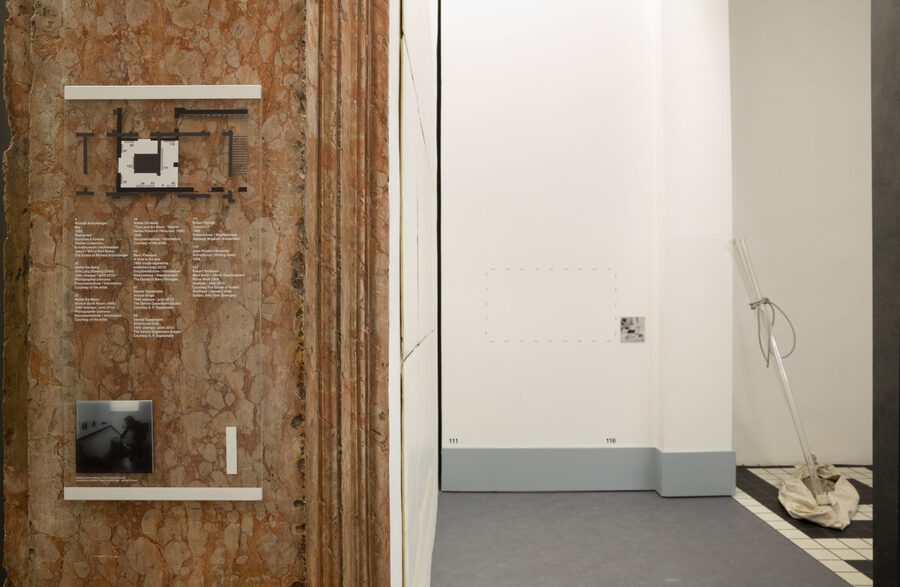
When Attitudes Become Form: Bern 1969/Venice 2013, Fondazione Prada, 2013
When Attitudes Become Form: Bern 1969/Venice 2013, Fondazione Prada, 2013
Curator of the reenactment, Germano Celant, is also the author of the essay «Art Povera» (1967) [1]. This essay became iconic for the pioneers of the Italian movement because it was the first to define the term «arte povera.» Some participants in When Attitudes Become Form, such as Mario Merz and Alighiero Boetti, belonged to this movement and practiced unconventional processes of art creation and used non-traditional materials from everyday life in their work.