Concept
Introduction to the general state of animation in the 1920s—what cartoons were being released and what techniques were being utilized.
Lotta’s Biography
Research Question: What is the uniqueness of Lotta as an artist—how does she differ from other illustrators of that time, and what influence did she have on animation?
Hypothesis
Silhouette instead of a drawing
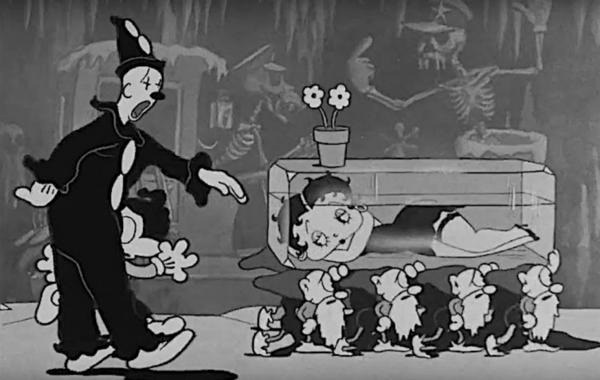
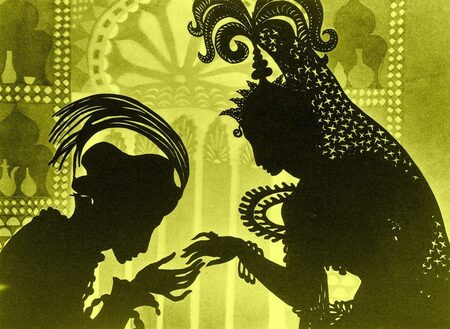
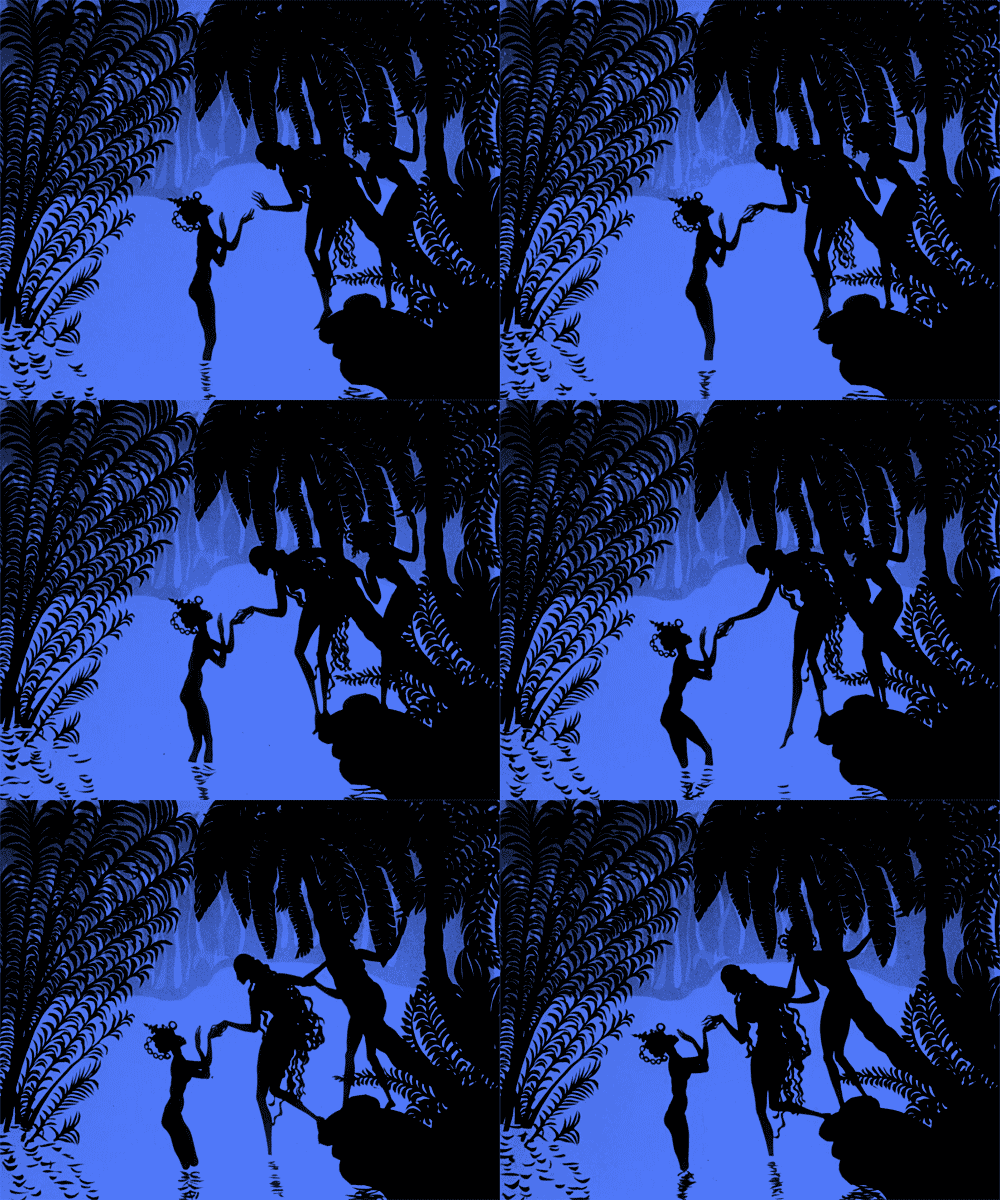
In 1920s animation, drawn animation dominated: characters were created on paper or celluloid, and their movement was built upon a sequence of drawn frames. Lotte Reiniger chose a fundamentally different path. Instead of drawing, she based her imagery on the silhouette—a flat, black figure cut out of paper and cardboard. Her characters were not drawn; they were literally cut out with scissors and then brought to life using frame-by-frame filming.
Reiniger began working with silhouettes even before entering the film industry. She cut out paper profiles and put on amateur shadow performances at home, including miniature Shakespeare productions.
Later, this early experience in children’s theater and performance became the foundation of her cinematic language: the silhouette ceased to be a decorative portrait or a scene element and transformed into an independent animated character.
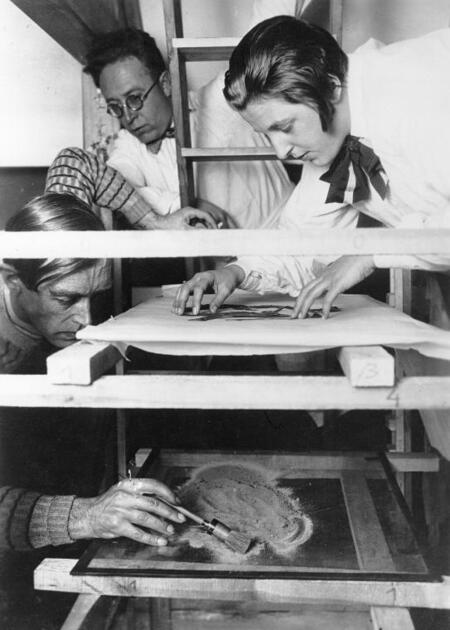
Technically, her method combined craft, sculpture, and cinematography. Reiniger cut figures from black cardboard and thin lead, separated them into individual pieces, and joined them with wire hinges. This allowed the character to bend its arms, turn its head, change poses, and execute complex, fluid movements.
The figures were placed on a glass surface illuminated from below, with the camera positioned above; the animator manually adjusted the dolls' positions and filmed each frame separately.
This method of working differed fundamentally from drawn animation. Reiniger did not have to draw the same character hundreds of times: she created a movable doll that could then be posed repeatedly in different ways. However, this did not make the process simpler. Every gesture, head turn, arm swing, or step required precise manual adjustment of the figure and a separate frame. Silhouette animation proved not to be a «cheap» substitute for drawing, but an extremely labor-intensive form of auteur cinema.
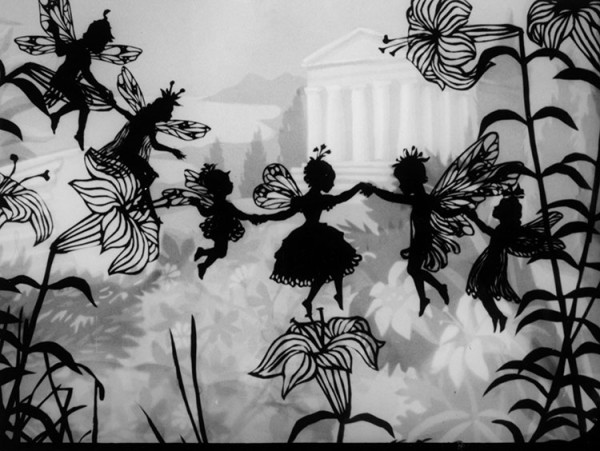
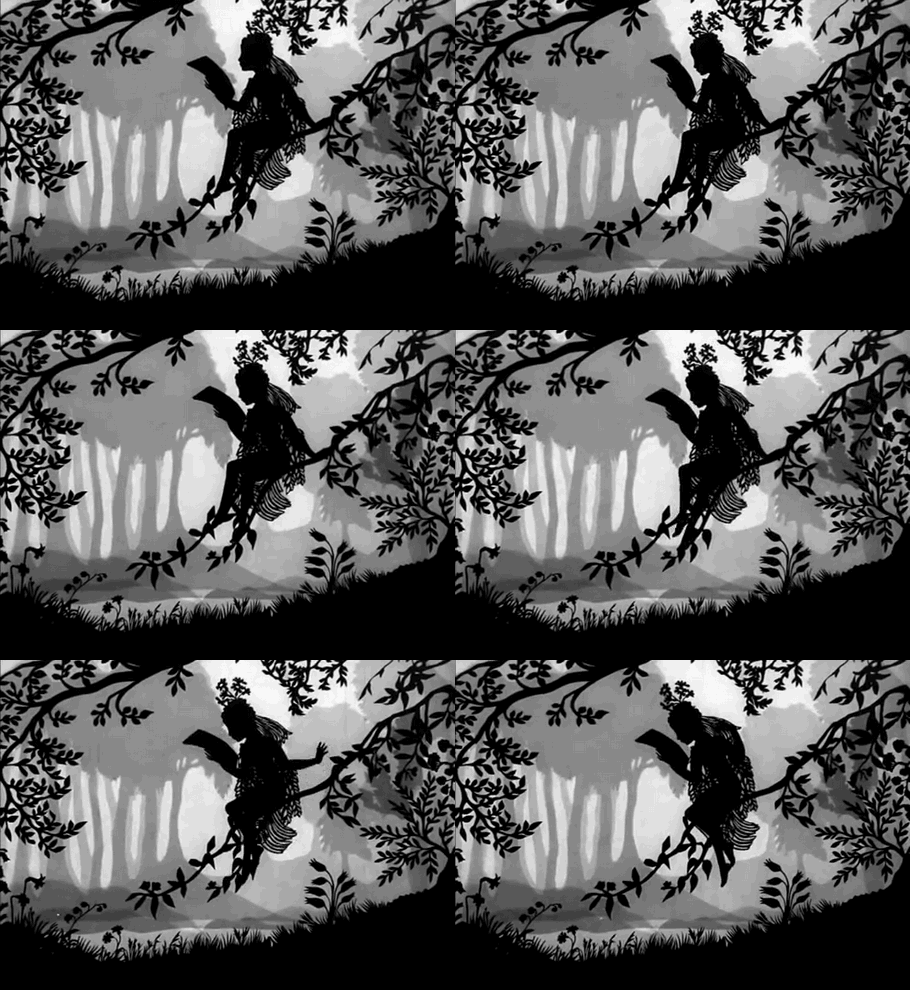
Rainger’s artistic language defined the silhouette. The black figure against the light background lacks facial details, clothing color, and realistic body texture. The viewer does not see eyebrows, pupils, expressions, or skin tones—yet they instantly understand who is in front of them: a prince, a witch, a wizard, a bird, or a monster. This occurs because the silhouette functions as a sign: the character’s nature is read through the contour, proportions, posture, rhythm of movement, and interaction with the environment.
Initially, Reigner developed storyboards and character sketches. She then cut out the figures by hand from relatively thick black cardstock; for the most heavily stressed details, she used thin lead, which gave the figure rigidity and allowed it to maintain its shape.
Each movable part—arms, legs, head, and sometimes individual costume elements—was cut separately and attached to the body using miniature hinges made of safety wire. The more active the character in the narrative, the more movable joints it possessed: the main character might have several degrees of freedom, while a secondary figure remained almost static.
The finished silhouettes were placed on a glass table and backlit from below. The strong underlighting rendered the wire hinges nearly invisible, while the black figures appeared sharp and volumetric against the background. After each frame, Reigner manually adjusted the position of the arms, legs, head, or the entire body slightly and then photographed the next frame; thus, smooth animation emerged from a sequence of micro-movements.
For large and distant shots, she created several size variations of a single figure: this allowed the character to retain its expressiveness both in close-up and in the overall scene.
In this way, the silhouette was not merely a cutout image, but a carefully constructed miniature puppet—simultaneously a graphic image and a mechanical animation tool.
This is the first, and perhaps most significant, difference between Reigner and most animators of her time. She did not attempt to imitate traditional drawn animation or realistic movement. Instead, she made the constraints of the silhouette—flatness, black color, and the absence of facial expression—a source of expressiveness. Her characters appear simultaneously abstract and alive: they are not people nor dolls in the conventional sense, but beings made of light, paper, and shadow.
Depth and Multilayeredness
Visual Storytelling
Woman in animation
Impact on Animation
Conclusion
[No translation provided as the input is gibberish/non-Russian text.]
Links