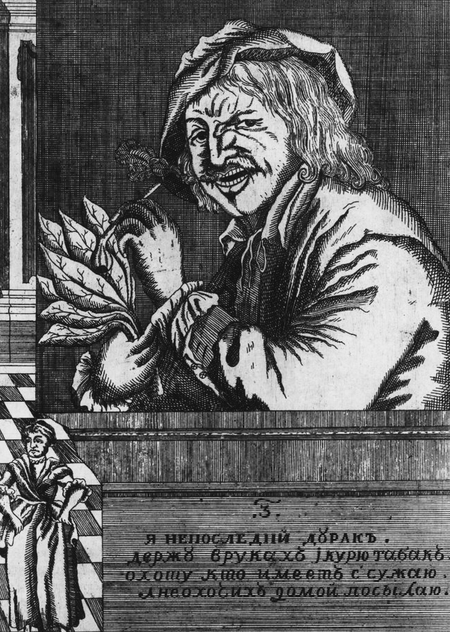
Concept
Before the advent of modern mass media, print imagery was one of the ways to disseminate information about the surrounding world. In Russia, the lithographic print occupied a special place, gaining widespread popularity across various social strata due to its mass production and accessibility.
The themes of these prints encompassed historical events, religious narratives, social phenomena, daily life situations, and human relationships. The distinct characteristic of the lithograph was the combination of image and text, which gave the information a visual and accessible form.
However, the lithographic print was not a neutral reflection of reality. The selection of subjects, the use of symbols, exaggeration, and emotional emphasis allowed creators not only to portray events but also to guide how they were perceived. Therefore, the image did not simply present a situation to the viewer; it offered an interpretation of it. This quality makes the lithograph an important object for studying visual communication and the formation of public perceptions.
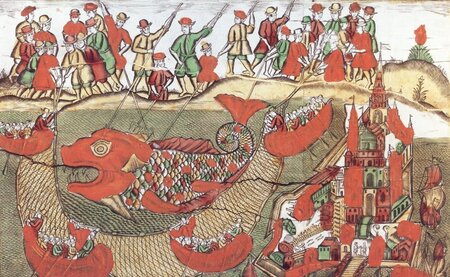
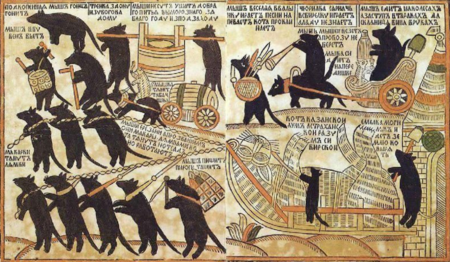
This research focuses on Russian lubok prints from the late 17th to the 19th centuries, with primary attention to the 18th and 19th centuries—the period of its widespread dissemination. The goal of this work is to identify the specific characteristics of lubok as a tool for mass information dissemination and to define the role of visual and textual elements in interpreting the depicted events.The key research question is: how did the lubok print transform information into a visual message and guide the viewer’s perception of it?The study is based on the hypothesis that the combination of reproducibility, an accessible visual language, and textual accompaniment allowed the lubok to spread information to a wide audience while simultaneously shaping a specific interpretation of reality.
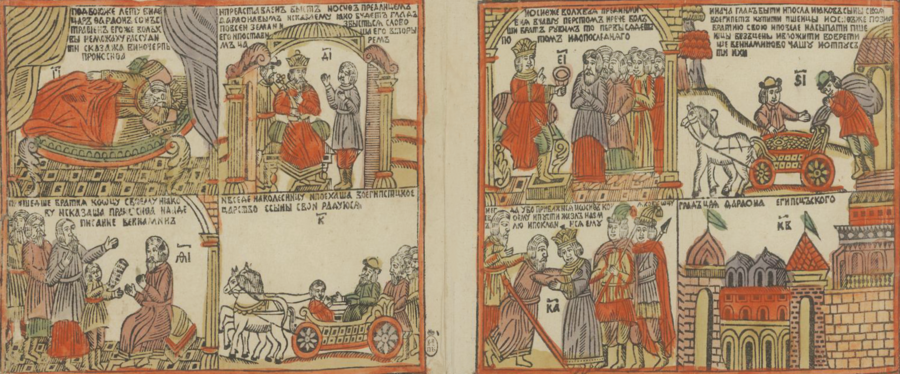
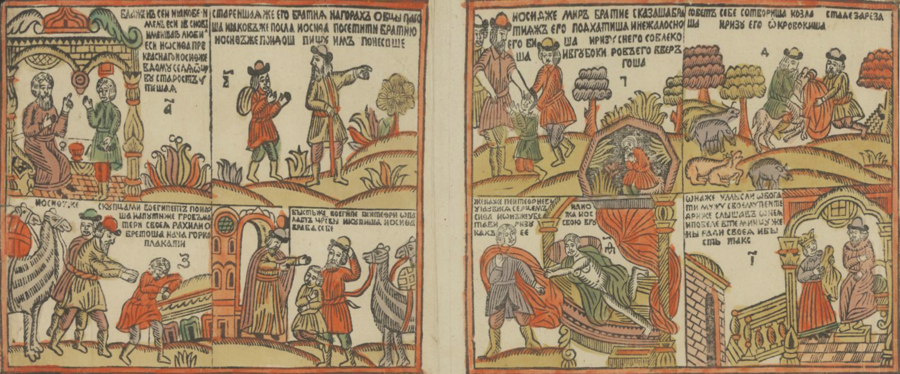
To achieve this goal, it is necessary to study the history of the origin and development of lubok prints, the specifics of their production and dissemination; to examine methods of transforming information into a visual image; to analyze the interaction between image and text; and to identify the mechanisms by which public perceptions are formed.
The research employs historical-cultural, comparative, formal-visual, and semiotic analytical methods, as well as an analysis of the interaction between text and image. The research material consists of 18th and 19th-century lubok sheets, scholarly publications, historical documents, and museum and library catalogs. Visual examples are selected taking into account the theme, historical context, and the potential to analyze their communicative functions.
Comparing sheets from different thematic areas will reveal recurring visual techniques and determine how methods of conveying information depended on the content and function of the image.