Media Concept
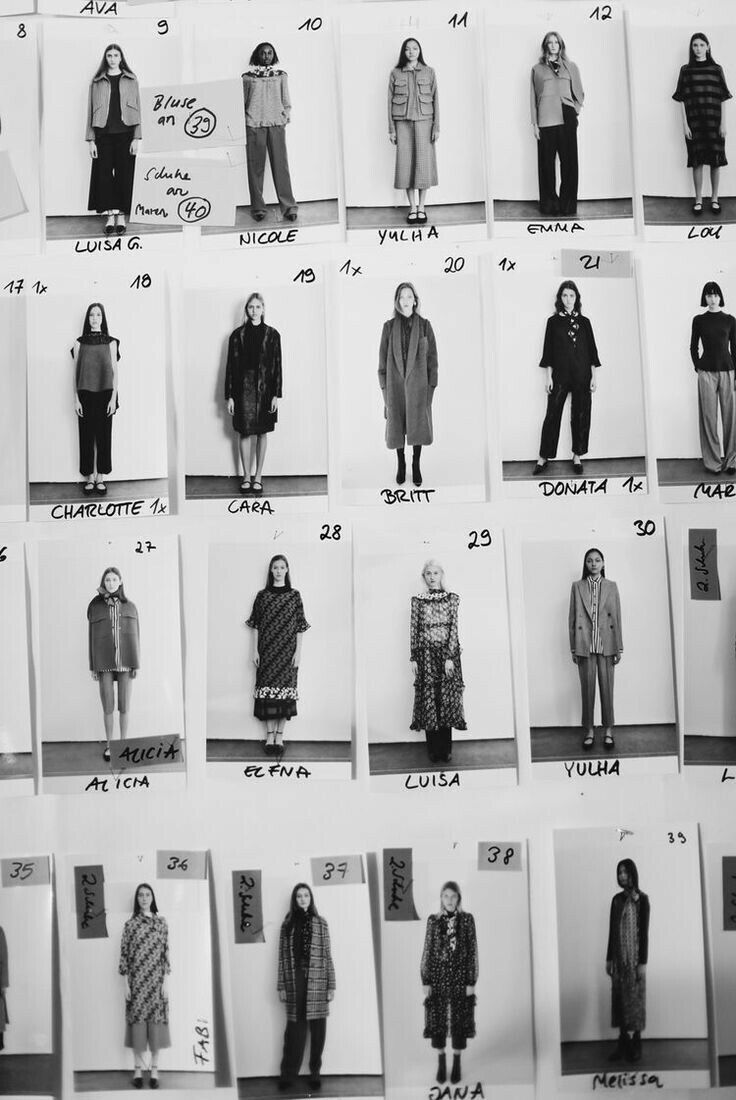
«Discontinued» is an independent Telegram media focusing on modern fashion, the Moscow fashion scene, and the people who shape it. We explore local brands, designers, stylists, and cultural phenomena, linking fashion with art, music, cinema, and digital culture. Our goal is not simply to report on events, but to explain their context, uncover non-obvious connections, and form our own perspective on what is happening. The core of the media is professional expertise, an ironic tone, and an authorial interpretation. Neural networks assist the editorial team in processing information, but they do not replace their perspective.
Data Sources for Media
The foundation for the «Discontinued» series is derived from primary materials from the fashion industry, international research, official brand publications, and cultural institutions. We utilize international sources to track global trends and local sources to understand the Moscow context.
International Sources
FHCM — Fédération de la Haute Couture et de la Mode The official organizer of Paris Fashion Week. We use show schedules, participant lists, and materials on new collections to track the international fashion agenda.
Tagwalk A search platform with an archive of collections, show photography, and trend analytics. It helps identify recurring silhouettes, colors, materials, and visual techniques.
Lyst Index A quarterly study on the popularity of fashion brands and goods based on Lyst platform data. We use it to analyze consumer interest and correlate trends with real market demand.
Vogue Runway An archive of collection photographs and reviews from international fashion shows. We use it as a visual database for comparing seasons, studying design choices, and identifying historical references.
Local Sources
Moscow Fashion Week Official information regarding shows, participants, young Russian designers, and industry events. It allows us to track the Moscow fashion scene directly through the organizers.
Official Local Brand Resources The websites, press releases, collection catalogs, and social media of designers. We use these to gather information about new projects, campaigns, collaborations, and internal brand changes.
Direct Industry Contacts Interviews and commentary from stylists, photographers, designers, production directors, and PR specialists. These sources allow us to gather proprietary material that cannot be assembled solely from public publications.
Data schema separated into human and machine processing
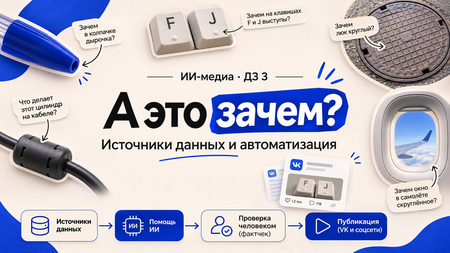
The editorial workflow encompasses both automated processes and tasks requiring human oversight. Neural networks handle information retrieval, organization, and preparation, while the editor is responsible for its accuracy, interpretation, and final quality.
- Information Gathering — Machine ProcessingAutomated services monitor updates from selected sources, collecting headlines, links, dates, images, and brief descriptions of the materials. This data is fed into a centralized editorial database.2. Sorting and Analysis — Machine ProcessingA neural network removes duplicates, categorizes materials, identifies key themes, and generates brief summaries. Events related to the Moscow scene and international trends that may affect the local industry are noted separately.3. Topic Selection — Human ProcessingAn editor verifies the original sources, assesses the relevance of the information, and decides which topics align with the media’s concept. At this stage, the editorial angle is formed—not just what happened, but why it is worth discussing.4. Content Preparation — Machine ProcessingBased on the selected and verified data, the neural network proposes a publication structure, title options, a draft text, and visual references. The materials are adapted for Telegram’s short-form format.5. Editing — Human ProcessingThe editor fact-checks, refines the text, adds personal observations and wit, selects images, and approves the final version of the publication.6. Publishing and Feedback — Mixed ProcessingAfter approval, the material is published on Telegram. Automated tools gather statistics on views, reactions, and comments, while the editor interprets these results and adjusts the future content plan.
Guidelines for Automated Services in the Scheme
Working with Sources
Primarily utilize official websites, primary publications, research, and materials provided by event organizers. For every piece of content, retain the source title, link, and publication date. Do not present unconfirmed rumors as fact.
Information Selection
Priority is given to topics related to the local fashion industry, emerging designers, cultural phenomena, and new approaches to creating fashion. International news is selected first when it can be connected to the Russian context.
Content Creation
Write concisely, clearly, and substantively. Avoid bureaucratic jargon, promotional language, and mechanical regurgitation of news. Maintain an ironic, intellectual, and slightly provocative tone of voice for the media. Each piece must offer not just information, but an engaging angle on it.
Fact-Checking
Do not fabricate quotes, interviews, statistics, events, or biographical details. Separate verified facts from assumptions and authorial opinions. When information is insufficient, note the need for human verification.
Visual Content
Select images with a fashion-editorial aesthetic: expressive photography, collages, experimental typography, and minimalist design. Verify the origin of the images and usage rights. Do not present generated images as documentary footage.
Editorial Oversight
Automated services do not make autonomous decisions regarding publication. The final selection of topic, phrasing, visuals, and editorial stance remains with the human editor.
Core Principle of Automation
The neural network processes the information; the editor creates the meaning. Technology enables faster finding and structuring of materials, but the recognizable voice of «Discontinued» is formed by a person.