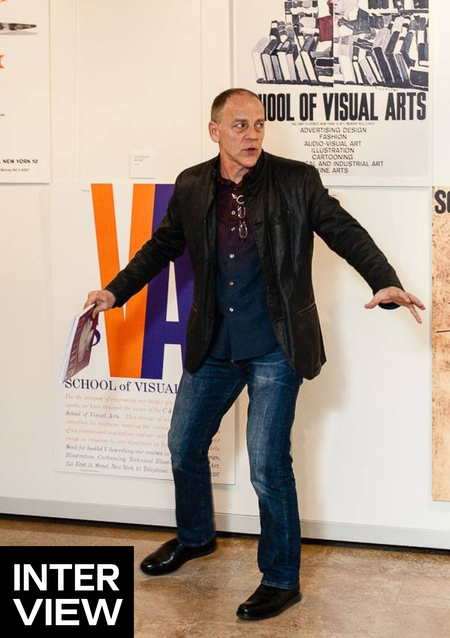
Mirko Ilic was born in Bosnia. In Europe, he drew comics, worked as an art director, made posters, books and albums. After moving to the US, he took up the post of an art director of the international edition of Time. Later on, he became an art director of the columnists section in The New York Times. Mirko Ilic has numerously been awarded by the Society of Illustrators, the Art Directors Club, I.D. and Print magazines. Mirko Ilic and Steven Heller are co-authors of several books, including Ingenious Moves: 100 Icons of Graphic Design, Handwritten, Stop thinking, go do it and Inscriptions in large type. In cooperation with Milton Glaser, he wrote the book The Design of Dissent.
Mitya Kharshak (M.K.) You work in different fields of graphic design — posters, identities, book design, motion graphics. You worked as an art-director for the Time and The New York Times, and, as I understand, also do a lot of academic teaching in SVA. Please correct me if I’m wrong. The question is — which of your numerous activities is the main and primary one? Which projects take most of your time and effort?
Mirko Ilic (M.I.) It all depends. From week to week it is different and that is why it is interesting. Lately, most of my time is spent on social activism helping organizing lectures, shows and festivals about equality and other social issues.
M.K. You also do interactive graphics. Do you see any differences in approaches in printed and screen graphic design? Do they somehow influence each other, or are they developing separately?
M.I. I do very little interactive graphics. Usually it is a part of the branding or identity package for a client. And I have a person who does most of the «dirty» work. That way I will not really pretend I know much about that. Even though I must tell you that I did probably some of the first interactive things, for example I did a series of them in 1994 for Sony Music, and that was probably their first interactive. One of their requirements was to fit it on a floppy disk.
M.K. What did you start with? What were your first professional projects? And what did your professional career consist of before you moved to the USA?
M.I. I don’t know what professional projects mean, I started publishing my illustrations when I was 17, my comics when I was 20, and those they were my first paid jobs. I designed my first professional/paid poster when I was 22, some other for free, if the payment is a measure of professionalism.
M.K. You moved to the US from Europe in the early nineties, didn’t you? Was it difficult to adapt to the new reality? Did you know about your future job in the US when leaving Europe, or was it a jump into the unknown world?
M.I. In ‘86 actually. I didn’t speak English pretty much, I wasn’t promised a job, and I knew maybe 2 or 3 people in NY, only by recommendation.
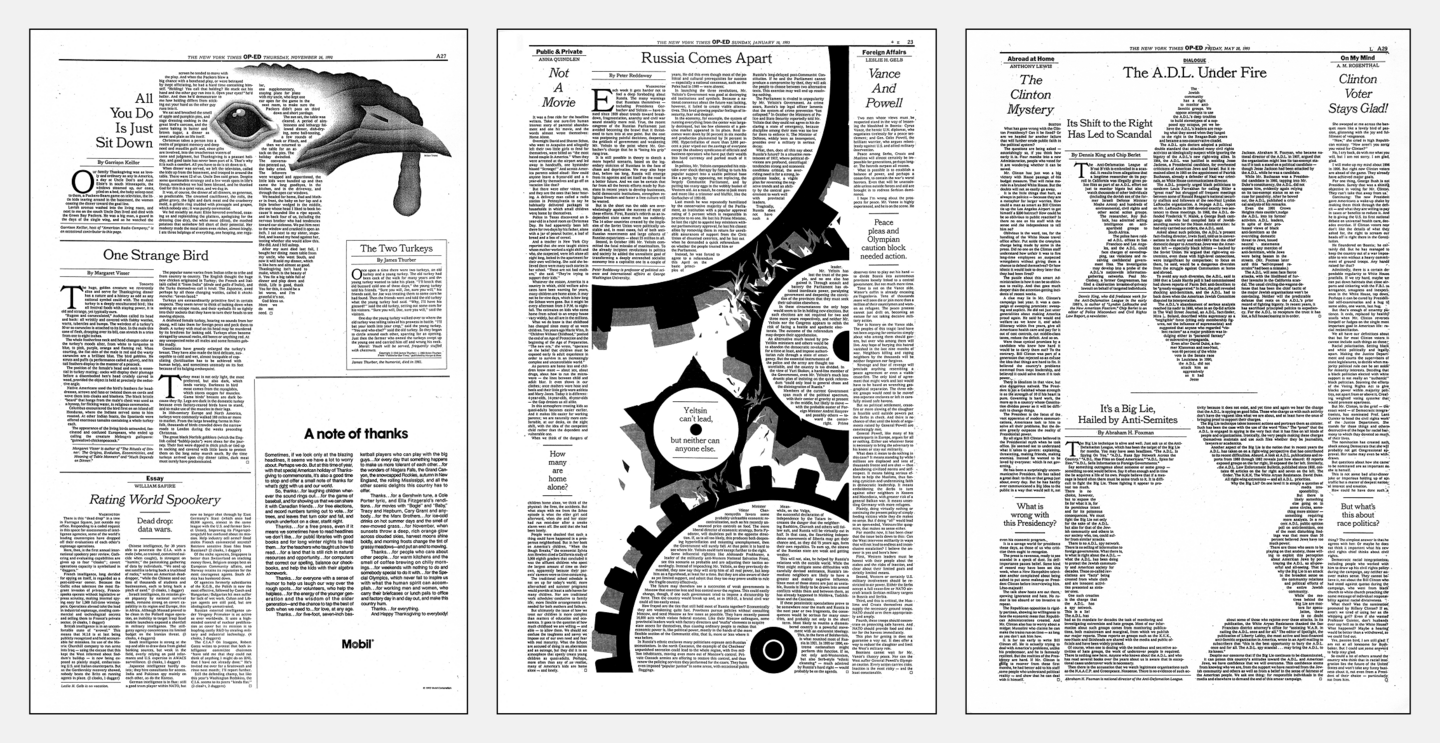
The New York Times newspaper pages. Mirko Ilic. 1992–1993
The New York Times newspaper pages. Mirko Ilic. 1991–1993
M.K. Experienced in working both in Europe and the USA, can you say there is a crucial difference in design schools and approaches between Europe and the States? If you see any, please describe them. Or is graphic design an international profession, and its visual language is equally understandable all over the world?
M.I. The main difference between being a designer in the US and Europe is that in US it’s an everyday job, in Europe it’s a profession, fancy profession. Design is an international profession, and language is indeed international, except for the fact that designers must work with local rules and local clients.
M.K. Can you trace the border between the graphic design at the end of the XX and XXI century? Did you witness any revolutionary changes in the profession during the time of your practical work? Or has graphic design been evolving smoothly over the past three decades?
M.I. I personally think graphic design is devolving. As we would l say here in NY, corporations are discovering importance of graphic design and because of that they decided it is too important to leave it in hands of graphic designers. There are more graphic designers in the industry than ever, but I don’t believe there is the same amount of good and exciting jobs for graphic designers, or let’s say companies which will appreciate their contribution. Putting all of that on the side, the amazing influence of technology on our industry is a separate issue.
M.K. Being a head of your own studio, do you have to spend much time managing and administrating the process, and doesn’t it interfere your creative work?
M.I. I am not sure if I can answer this question because I am not only a head of my studio, I am its arms and legs too, because my studio is my designer, my intern and me. Partly, I keep things that way to not lose too much time on administrative and marginal tasks and sitting in meetings with strange people.
M.K. Do you personally do all the meetings, negotiations and presentations for your clients?
M.I. Yes of course, as a matter of fact all three of us we are working with open space, one email and one telephone line, that way everybody knows everything in the studio about everything, from money to creative aspects.
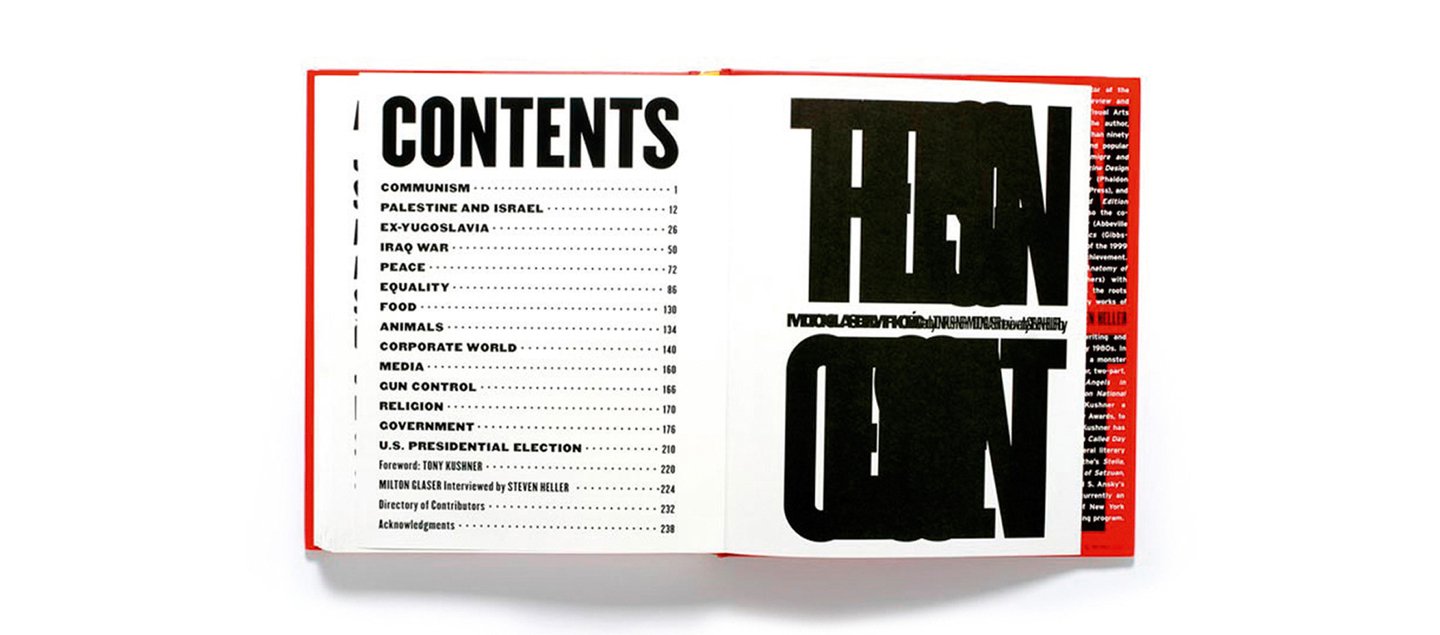
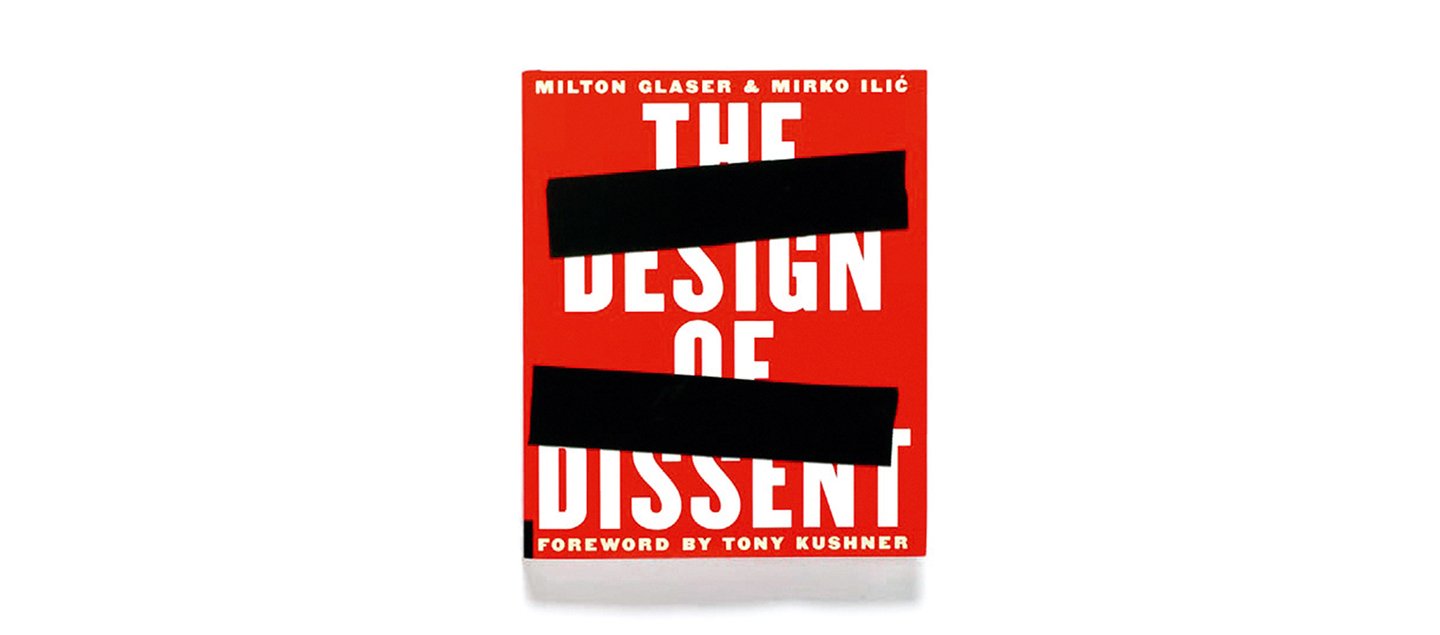
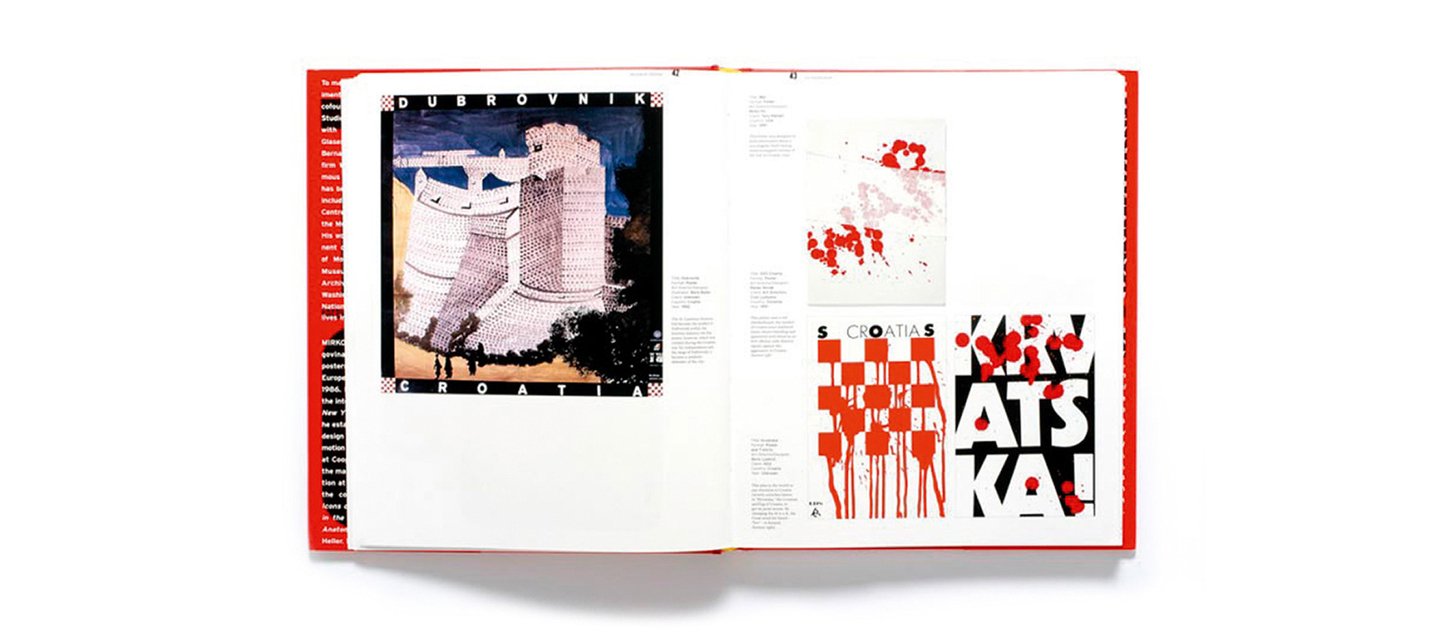
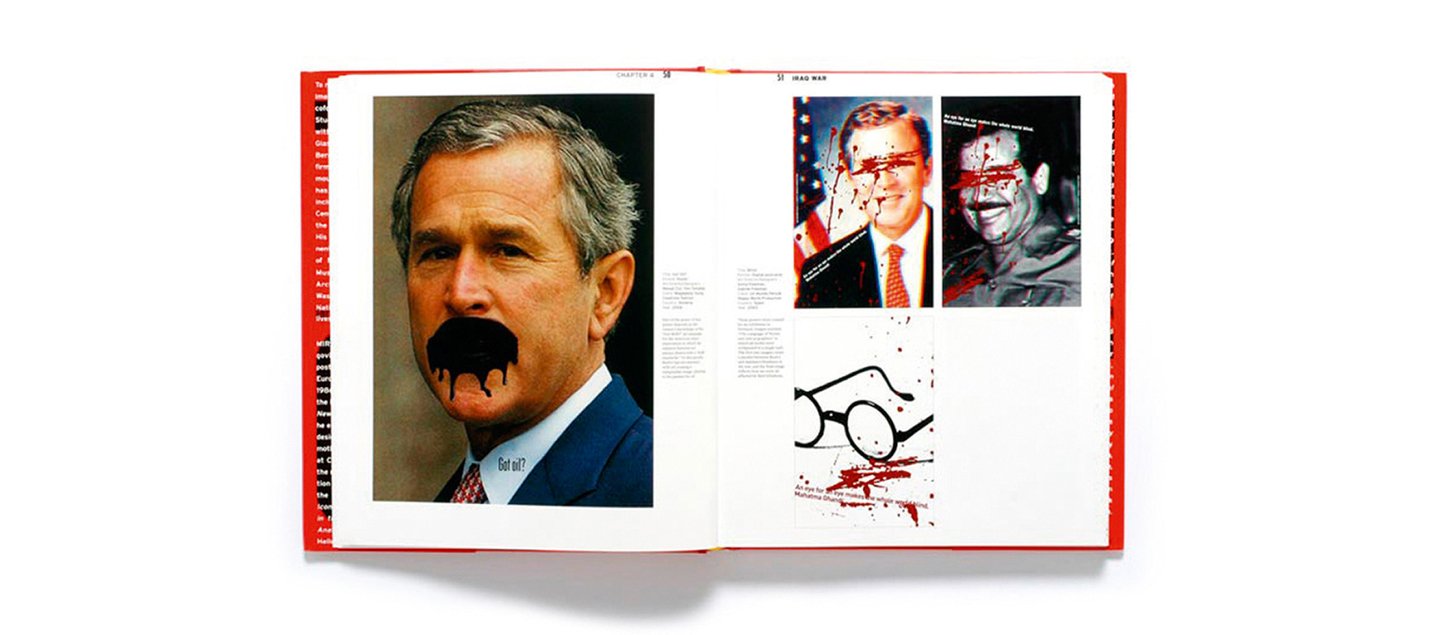
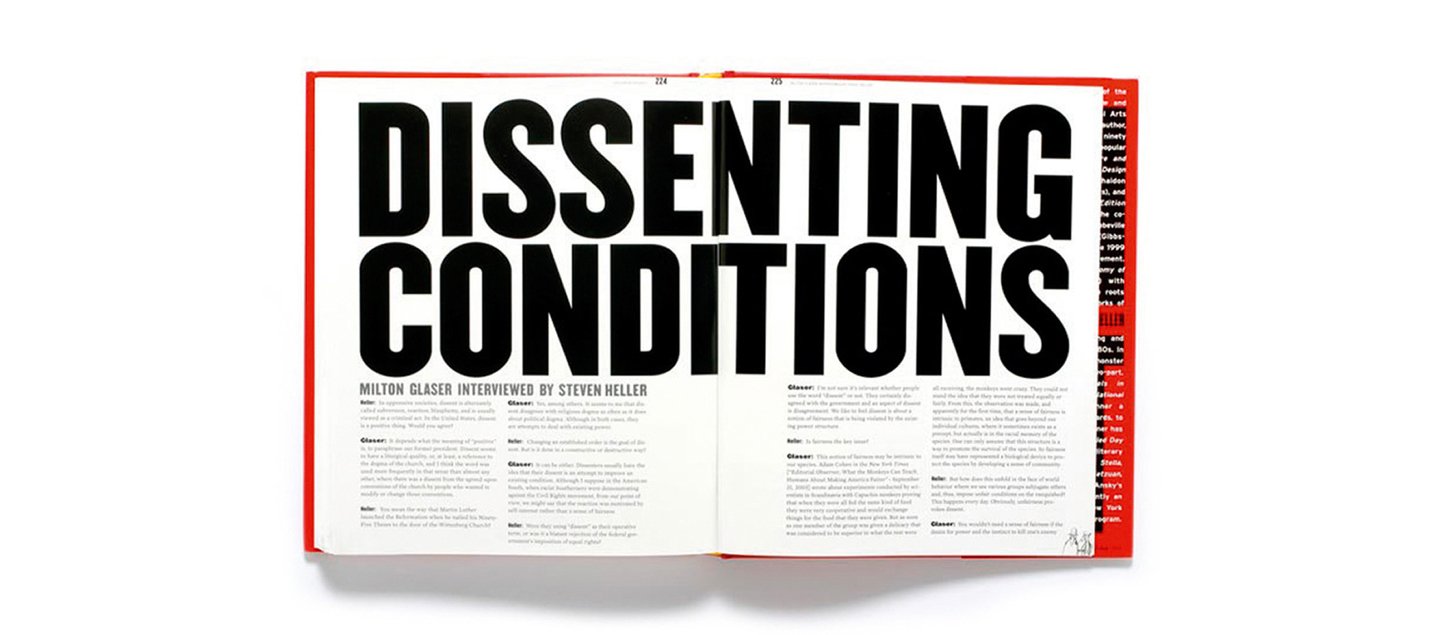
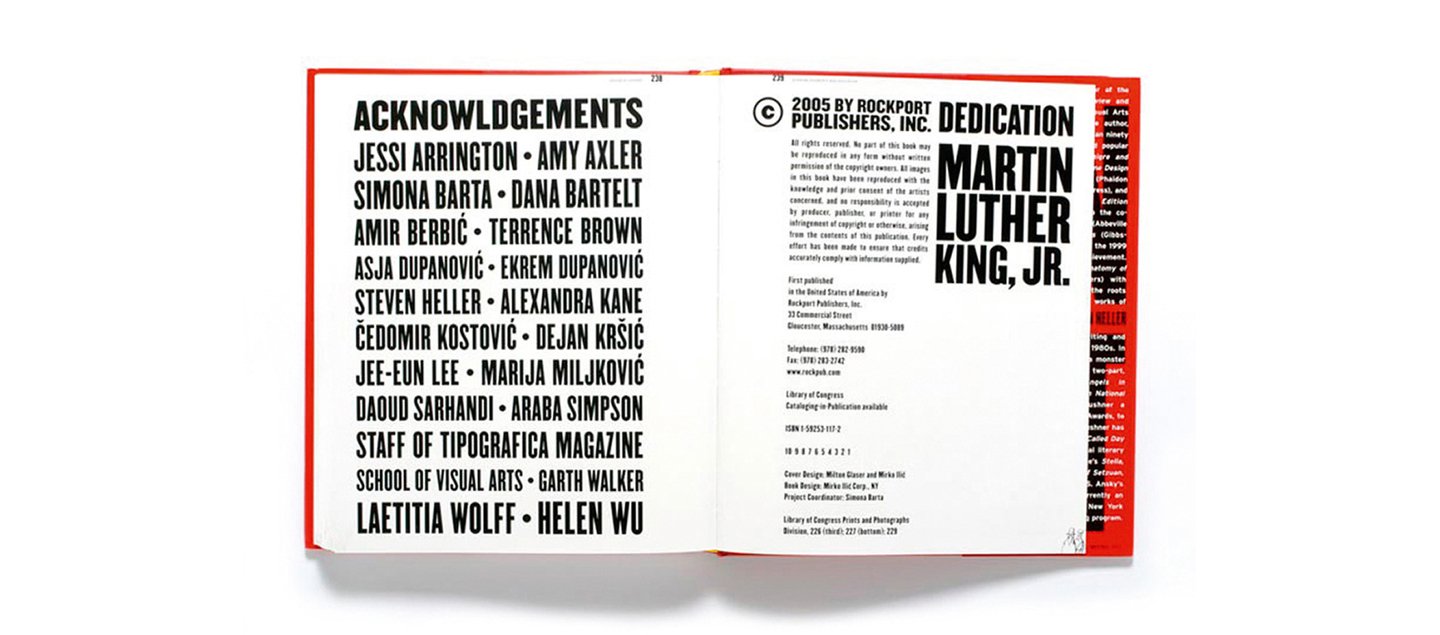
The Design of Dissent. Milton Glaser and Mirko Ilic
M.K. Have you ever had a situation when your work was not accepted by the client? Have you had any conflicts and unfinished projects in your career?
M.I. Every decent designer has that. Approximately 1/5 or even a quarter of my work ends up like that.
M.K. How do you usually start your project? With brain-storming, lots of sketches, or with a period of quiet thinking?
M.I. Quiet thinking.
M.K. How many people are working in your studio? And do you somehow divide their responsibilities? Do you take part in all the projects your studio runs?
M.I. I think I answered this above. As I mentioned before, we are extremely small. Me and my designer, we do everything together.
M.K. How many projects can you run at a time? Is it a comfortable situation for you to do several projects at the same time, or would you prefer to concentrate on the projects one after another?
M.I. For example, at this point we have six different projects simultaneously: branding for a food market, poster for Broadway, I am designing a book, a catalogue for a show, doing branding for a beverage, and designing invitations for a gala event for a charity organization.
The New York Times newspaper pages. Mirko Ilic. 1992–1993
The New York Times newspaper pages. Mirko Ilic. 1992–1993
M.K. How personal may your relations with the clients be? Are they strictly regulated by the contract? Do you highly involve your client into a creative process?
M.I. Very rarely do I have any contracts, and I’m on friendly terms with quite a few of my clients. In working in such a small-scale company, personal relationship is very important.
I always try to communicate with the highest possible level of client’s corporation, that way the information is passed more clearly in both directions and it’s less diluted. Very often, I prefer to call than email.
M.K. You also have professional awards in illustration. That of course means you personally do a lot of hand-drawing, but do you think a good hand-drawing skill is necessary for a graphic designer? Is it a significant part of designer work?
M.I. Any additional skills are good for any profession, because they allow you to think a little bit out of the box. Drawing and design are very closely related. Some of the best designers in the past were also good at drawing/illustration. It is nice to be able to draw, doodle sketches for logos, typefaces, posters or whatever you need. It is good for the thinking process.
M.K. What is design for you? Do you consider it to be more conscious or emotional? Is it your lifestyle of a business?
M.I. Design is not a unified thing. Designing posters for the commemoration, for the concentration camp for children from 1941, requires a completely different mind set then the poster commemorating 75 years of Print Magazine.
M.K. Have you ever felt your work is becoming a routine? Do you sometimes have doubts and negative thinking concerning your work due to some reasons?
M.I. Yes, that happens very often. Because of that, I am trying to switch the type of design I do from editorial to book design, posters, commercial, designing restaurants, hotels, festivals, non-profit organizations… Each one, again, requires a different way of thinking, and so the process cannot be a routine. I always have doubts about my work because I never feel I’m good enough. But then again, when I feel I am doing something wrong I also feel that maybe it is time to move on.

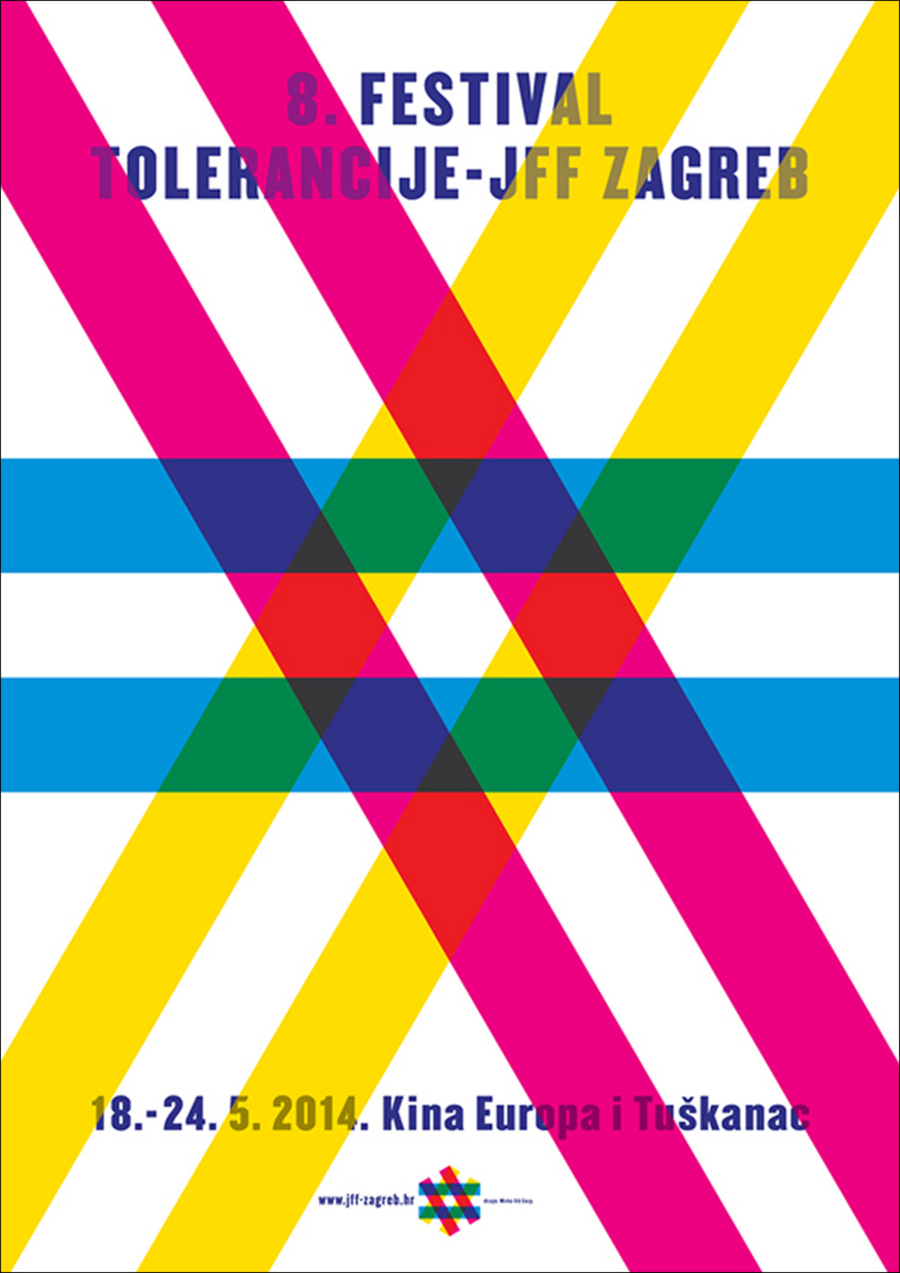
Posters for the 8th Zagreb Jewish Film Festival. Mirko Ilic
M.K. Are you more productive in the morning or in the night time? Do you sometimes have such busy deadlines in your projects that you have to work 24 hours a day, with no sleep?
M.I. Depends, lately mostly in the morning because the telephone doesn’t ring very often. When I was younger it was over nights.
M.K. Do you have any hobbies or interests which are not in touch with design and visual art? If so, what are they?
M.I. Everything I do somehow ends up being related.
M.K. And a piece of architecture work is highly likely to outlive any graphic work! We work with short-lived items.
M.I. Right. A graphic work has no real value, it is ephemeral, while a building is an entirely different thing. Its similarity with graphic design is that you enter someone’s universe and create a visual language people understand it and interact with. And this is what attracts in the design of the space. This is really a very exciting field.
M.K. Do you monitor the work of other contemporary designers? Who you may recon as an influential master of contemporary graphic design?
M.I. Of course I look at other designers’ work. There is a huge number of people that influence me in one way or another. I am not saying this to avoid giving people credit, but it is just that there are lots of people out there. Even my students are influencing me. You take influence wherever you can.
M.K. What are your personal criteria of the success in the profession?
M.I. To make a difference. What is more important for the young designer — to look for his own peculiar style and creative face, being a universal specialist, or follow the actual trends in design? It’s from person to person. But I think the most important thing is to be excited with what you are doing.
M.K. What are the basic three (five, ten?) pieces of advice you may give the young generation of designers? What do you think is crucial for touching the heights in the profession?
First advice: ideal job must have three things: lots of freedom, lots of money and lots of time. Not so ideal job must have at least one of those. Second advice: It is easier to think for 10 hours and work for 2 than opposite. Third advice: It is very important to know your history and culture. Professional and personal.
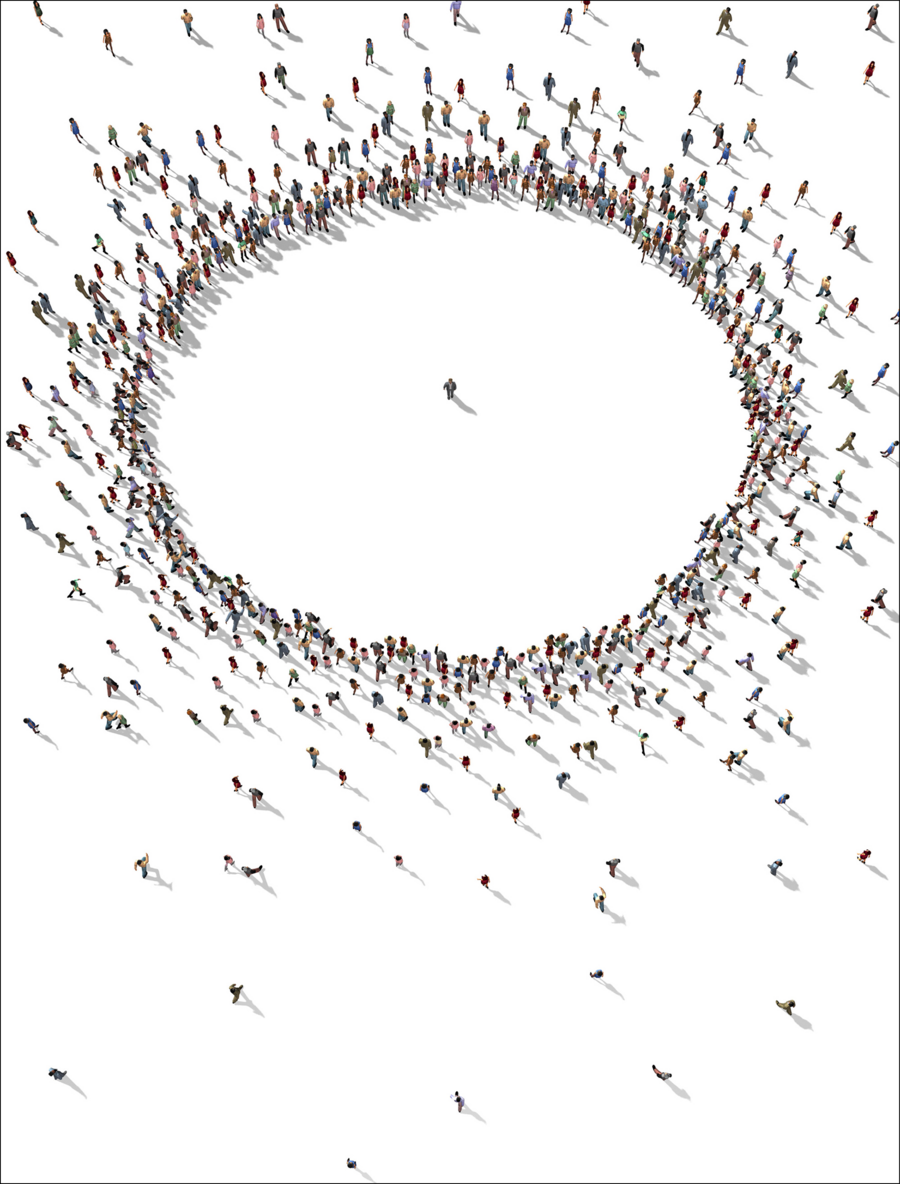
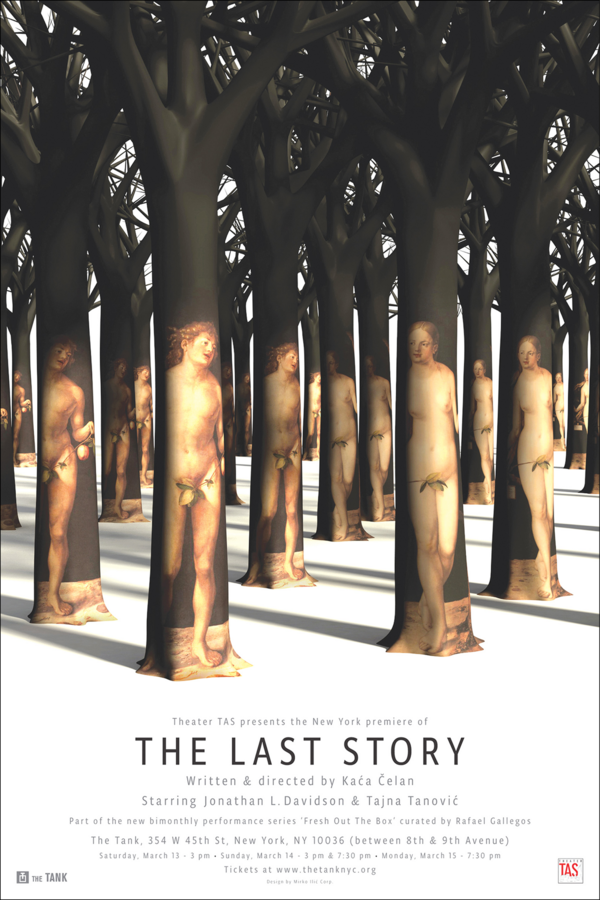
Tribe. Illustration for Penguin Group USA. Mirko Ilic The Last Story poster. Mirko Ilic
M.K. Do you think there’s a difference between working with big businesses, like international corporations and brands, and working with cultural institutions?
M.I. I think I answered that earlier.
M.K. Do you think there’s a sort of «dream projects» for a designer? If so, what kind of projects that would be? Is there a design project you’re dreaming of? Designing a museum, or designing identity of a country? What kind of challenge would you gladly accept?
M.I. Probably every designer has their own vision of a dream project. I would love to do something that is going to make a difference. Something that would make living a little bit more pleasant and easier. I don’t think it’s necessarily designing a museum.
M.K. Would you accept a client whose project doesn’t interest you, but pays well? And vice versa, would you work on a project for free or for a little fee if it is very interesting from the creative point of view? Have yoy ever had such a situation?
M.I. Yes, I would, because that is the only way to work for somebody who doesn’t have money to pay for the job. You become your own Robin Hood — take from the rich and give to the poor. I assume everybody is doing that to a certain degree. My company is doing approximately 1/3 of the jobs pro bono. When I say pro bono, that is no money at all. Obviously, that is in one way or another paid by the other 2/3 of the job. The «curse» is of course that sometimes boring jobs produce better results then something that initially seemed interesting. There is something nice about that unpredictability.
M.K. Do you need any doping for being sharp-minded and creative? What are your dopings? Or, to put it in other words, what are your sources of inspiration (if you need any)?
M.I. Mostly, everything is in the breaf. Most of time my main source of inspiration is in the client’s description of what they would like to achieve. Ideas come from within.
M.K. Are there any peculiar things or conditions which you can not work without? Music, fresh air, darkness or bright light, favorite armchair?
M.I. Assignment. Everything else are excuses.