Creative Brief
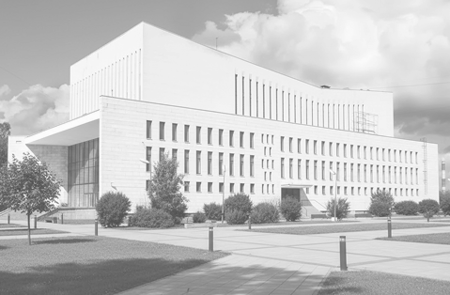
Address the challenge of exhibiting industrial sites in a diploma project using multimedia tools within a museum gallery.
Location: Nevsky Culture Center, Saint Petersburg
Concept
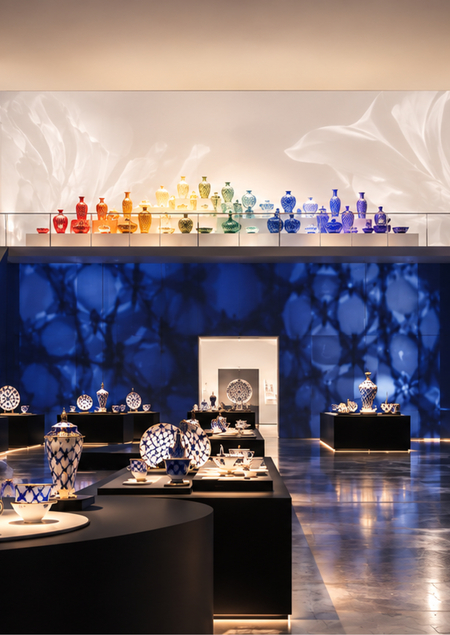
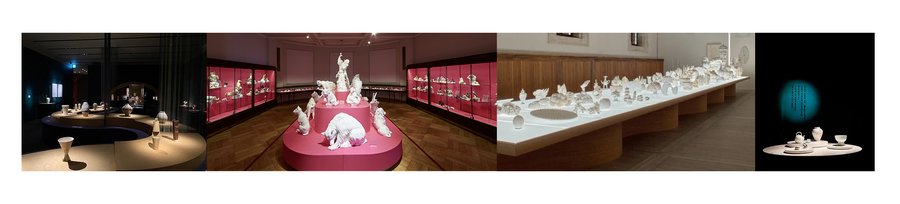
The history of the Imperial Porcelain Factory is revealed through the transformation of porcelain—from an experimental material of the 18th century to a contemporary work of art. Four epochs become four spatial states, reflecting changes in Russian art and history.
The space gradually changes scale: from a small, dark laboratory to an open, bright hall featuring a monumental porcelain installation.
Master Plan
Visitor Scenario
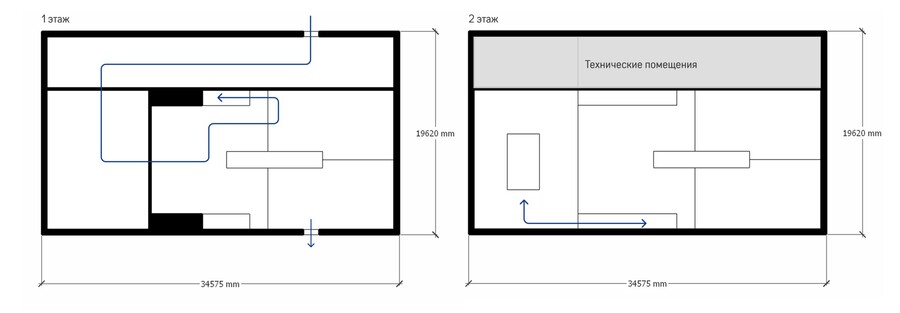
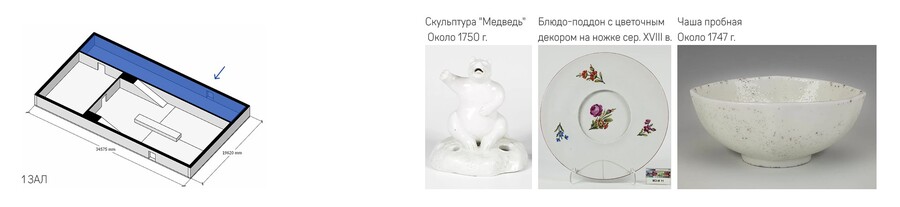
Room 1
The visitor enters a narrow, darkened space. At the center is the first piece of Russian porcelain, surrounded by projections of Dmitry Vinogradov’s experiments: formulas, minerals, firing processes. Light gradually reveals the object’s form from the darkness. The unveiling of the recipe marks the first moment of matter transforming into art.
Hall 2
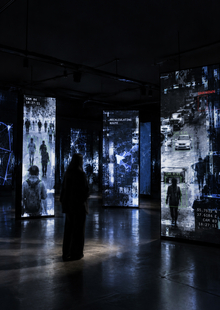
The space expands, acquiring the solemn symmetry of imperial interiors. At the center stand ceremonial vases and items from royal tableware. Projections of architectural details, ornaments, and frescoes continue the compositions of the exhibits on the walls, creating the feeling of a palace ensemble. Porcelain becomes a symbol of state representation and high craftsmanship.
Room 3
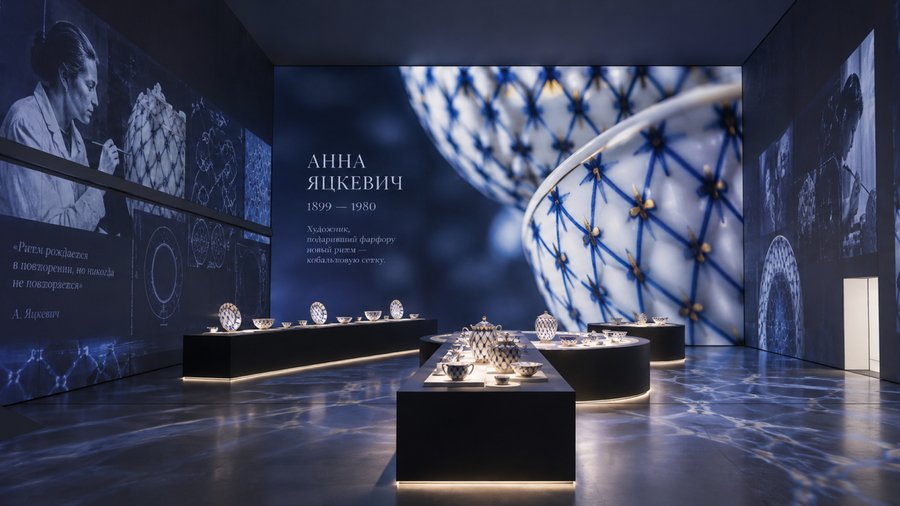
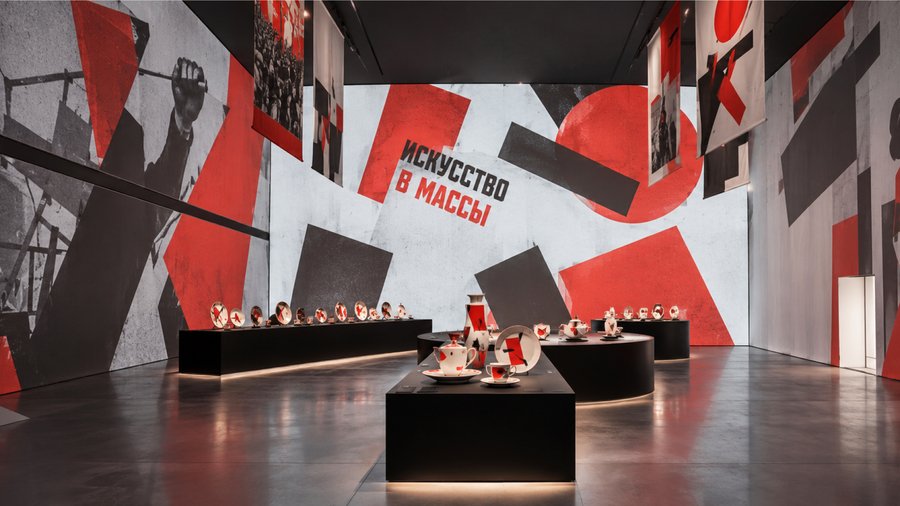
The space radically alters its geometry: instead of classical symmetry, it features dynamic planes and contrasting graphics. Agitprop porcelain comes alive through the movement of slogans and Suprematist compositions. Next, visual noise gives way to silence, and the space is filled with the rhythm of Anna Yatskevich’s «Cobalt Grid.»
These two artistic languages demonstrate how porcelain reflected the shifts of the era while preserving its own tradition.
Room 4
The visitor enters an open, bright space featuring a large-scale installation from contemporary IFZ collections. The actual pieces form a unified sculptural composition, enhanced by projections of textures, paintings, and light. The digital imagery gradually fades, leaving the authentic material as the central focus. The finale unites four eras into a continuous narrative of artistic exploration.