Concept
A photographic book for museums, galleries, art centers, and other exhibition spaces serves several functions aimed at shaping the institution’s image. It helps capture a snapshot in the history of the space. It acts as one of the communication channels that forms readers' perceptions of the institution—particularly for those who are unable to visit the venue in person. Furthermore, it contributes to the enlightenment and popularization of cultural institutions.
In this visual study, I am interested in exploring photobooks, photo albums, commemorative, and annual publications about exhibition spaces. I am looking at both Russian and international publications that focus not on specific shows, but on the broader context surrounding these venues—the history of the architectural features, the chronology of collection creation, exhibition programs, staff, visitors, and the daily operations of these institutions.
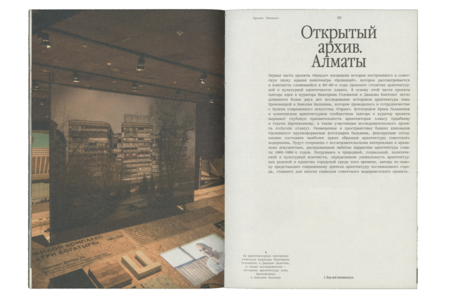
The photographs in the analyzed publications serve less as illustrations for the text and more as the fundamental structure of the narrative and a key source of information.
As textual sources, I utilized articles from the official pages of museums and design agencies that were involved in developing the analyzed books. To better understand how the narrative was constructed within the photobook format, I consulted an article published by the OCAT Research Center’s publishing houses in Beijing. Research published by Routledge proved instrumental in my study of museum space as a medium for storytelling and the effect of presence within it.
The Hypothesis of the Visual Study posits that the museum photobook is not merely a tool for documenting the life of a cultural institution. Rather, it functions as an independent medium for shaping the institution’s image, history, and identity. Through the selection of photographs, the sequence of their presentation throughout the narrative, and the relationship between the photographic material and the text blocks, the book determines what perception of the institution will be created in the reader.
Navigation
As a framework for further analysis, I have delineated the following sections:
(1) Photobook Covers — the first element a reader encounters when exploring the museum, setting the initial impression. (2) Architecture Sections — visual methods for presenting architecture, showcasing exteriors and interiors. How photographs shape the reader’s perception of space, scale, and the adornment of rooms. (3) Exhibition and Display Sections — what becomes the focal point of the narrative: individual artifacts and groups of works, or how the works interact with visitors; the artworks and their details, or the overall layout of the exhibition. (4) Sections on the Institution’s Life and Its People — how the influence of human presence on the museum environment is tracked in the publications. Photos of visitors, and interviews with staff.
(1) Museum Photobook Covers
Cover of the «Tselinny» Contemporary Culture Center publication. Design by Novinka Atelier.
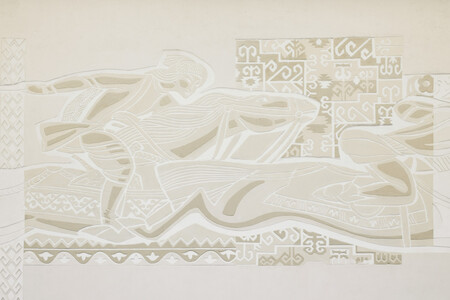
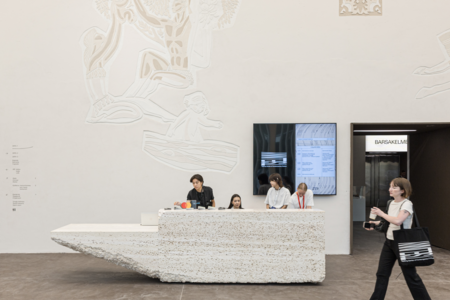
Wall installation on the ceiling in «Tselinny» Photo left: Michael Ekimson Photo right: Laurian Ghinitoiu
Center for Contemporary Culture «Tselinny» Photo: Laurian Ghinitoiu
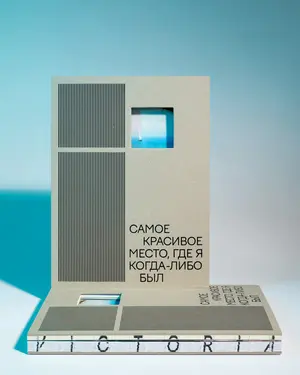
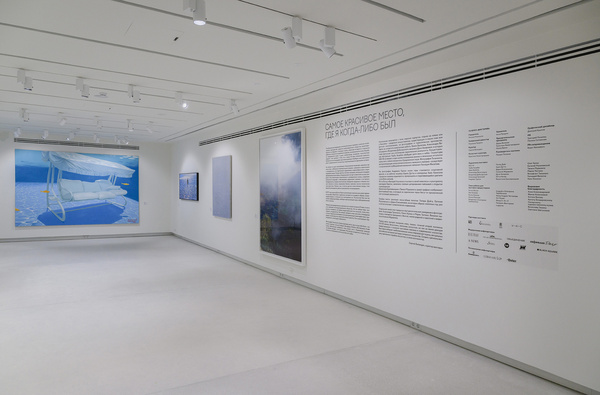
Exhibition catalog cover for the «Victoria» Gallery and interior view Photo on the left: Yulia Zakharova Photo on the right: Andrey Bolkhovetsky
The catalog cover temporarily mirrors the exhibition’s design—developed and executed by a single studio, holystick—and the building’s facade. The square window and vertical slats transition from the building onto the paper.
From left to right:
- «Volkhonka, 12.» 110 years of the A. S. Pushkin State Museum of Fine Arts. Mikhail Rozanov’s Photo Album
- «Making the Met, 1870–2020»
- «Tate Modern. Building a Museum for the 21st Century»
«GARAGE Book» (Published by the Garage Museum of Modern Art, 2014)
The cover of «GARAGE Books» was an exception among the books reviewed. Instead of a photo of the building or a graphic reference to its facade, the viewer is greeted by a turquoise rectangle with the museum’s name overlaid.I believe the reason for choosing such an abstract image might be that some of the exhibitions described within the book are performances not tied to the museum’s physical space. Consequently, it would not have been appropriate to limit the focus to the walls of a single building.
(2) Architecture Sections
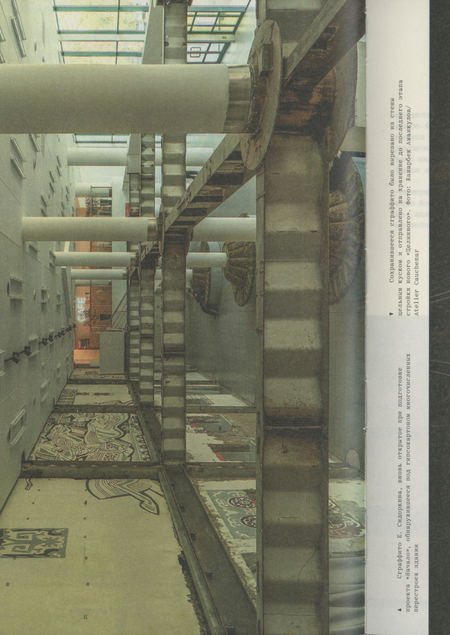
The introductory sections of these areas are accompanied by text blocks that immerse the reader in the historical context. The accompanying photographs, while showcasing large-scale buildings, are presented relatively small—they do not compete for attention or dominate the view.
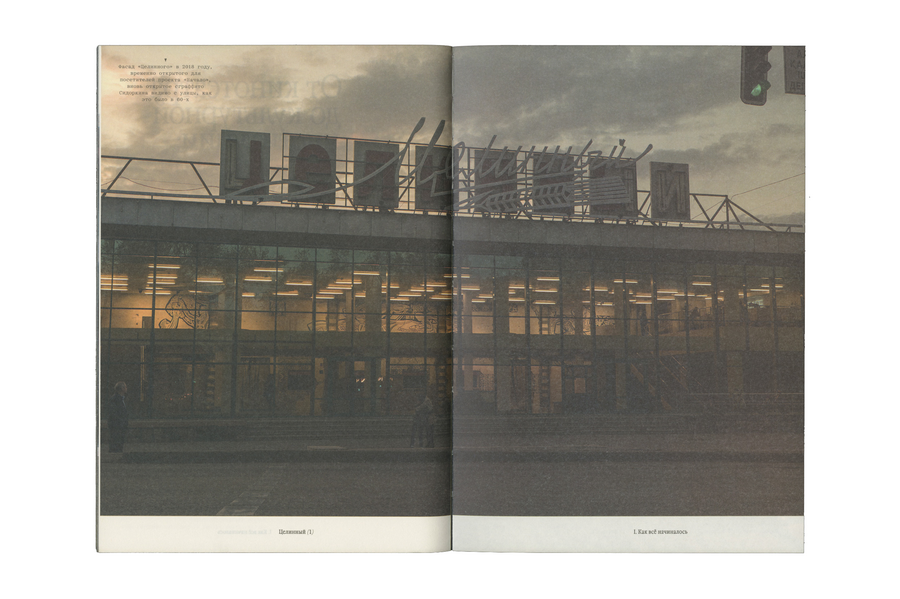
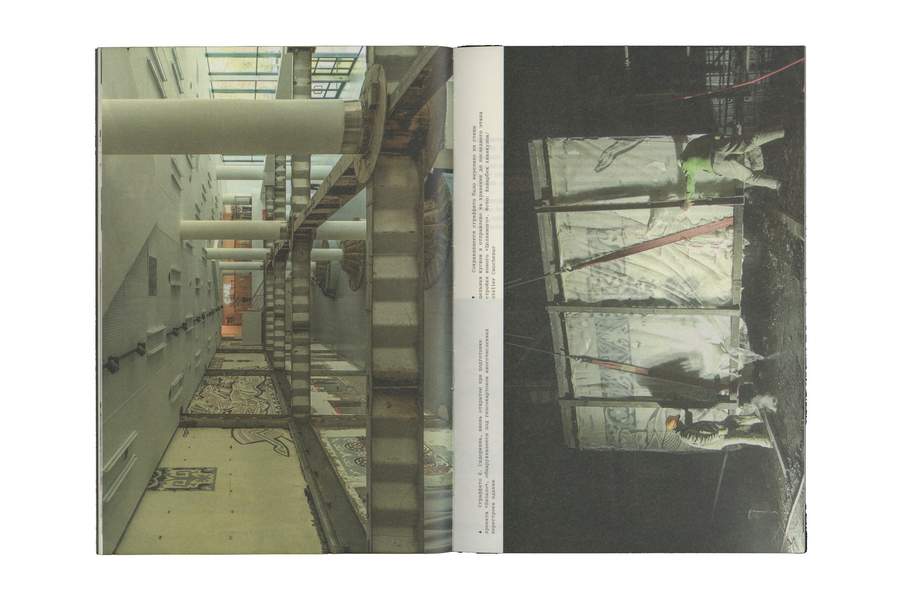
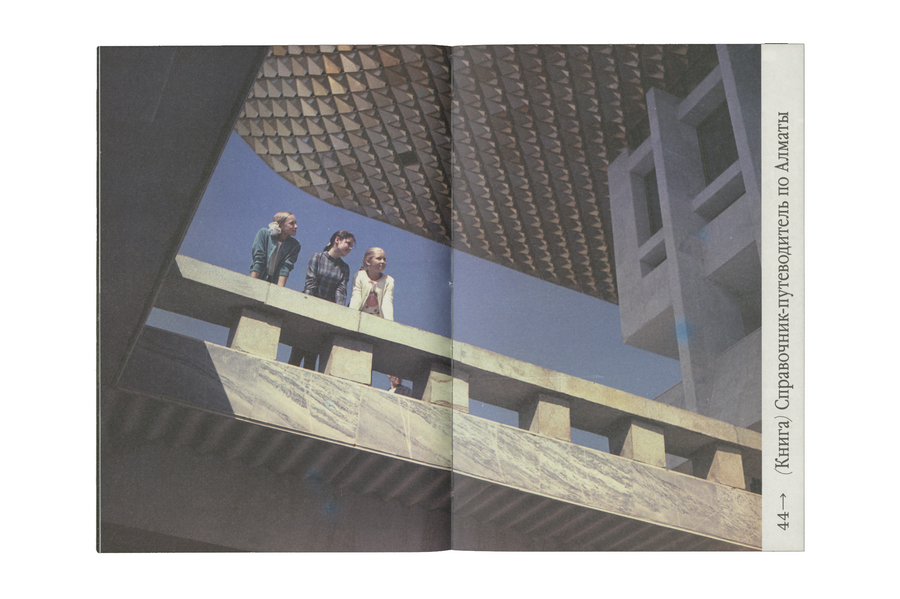
On several pages where photographs are displayed, both the images themselves and their captions can change orientation. This high degree of variability, on one hand, helps to maximize the advantageous presentation of every image. On the other hand, it engages the reader by avoiding monotony.
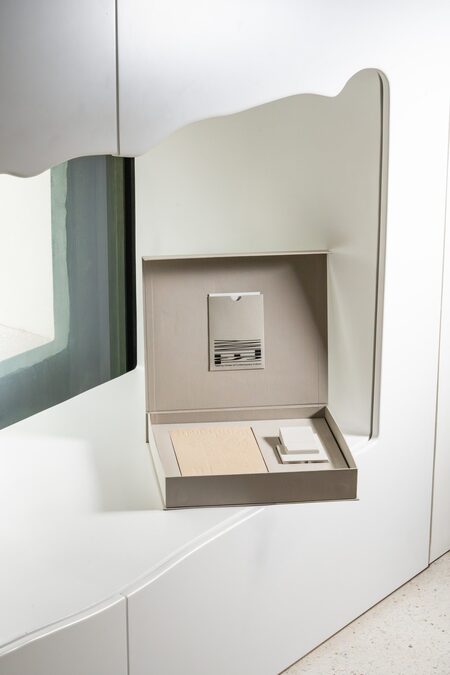
The creators designed the option to purchase the publication bundled with a miniature building made of microconcrete (8.5 × 13 cm, 3.5 cm high). Together with the building plan and model photographs, the reader should gain a complete understanding of the center’s space.
«GARAGE Book» (Publisher — Garage Museum of Contemporary Art, 2014)
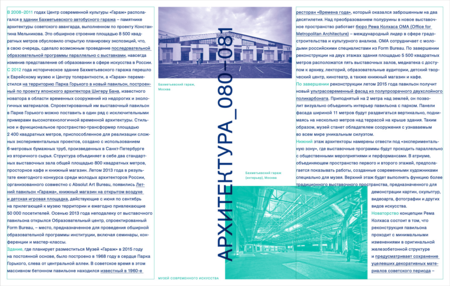
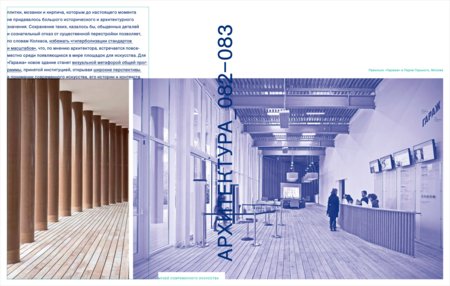
«GARAGE Book» (Published by Garage Museum of Contemporary Art, 2014)
«Tate Modern. Building a Museum for the 21st Century» (Publisher — Tate Publishing, 2016)
«Tate Modern. Building a Museum for the 21st Century» (Publisher — Tate Publishing, 2016)
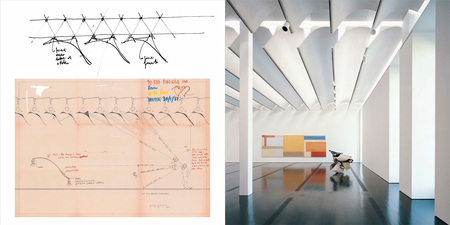
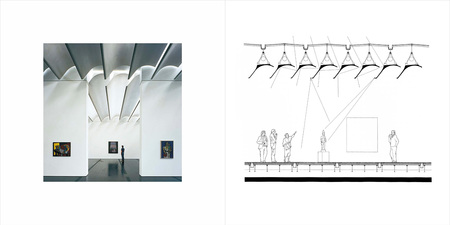
«Menil. The Menil Collection» (Publisher — Renzo Piano Foundation, 2007)