Navigation
- Concept
- Features of the Visual Language 2.1. Body Distortion 2.2. Technologism 2.3. Artifice and Beauty
- Conclusion
- Bibliography
- Image Sources
1. Concept
The creativity of British photographer Nick Knight holds a special place in the history of modern fashion photography. His work is hardly commercial, as he experiments extensively, exploring corporeality, technology, and perceptions of beauty standards.
Nick Knight is not merely a fashion photographer; he is a significant figure in the fashion industry, renowned for his unique vision and the distinct manner in which he creates his work. Consequently, he is an artist whose perspective diverges from traditional glossy imagery.
The choice of this topic is motivated by the fact that fashion photography has long since moved beyond a simple display of clothing on a beautiful model, evolving into an independent artistic statement.
The relevance of this study lies in the fact that many of Nick Knight’s techniques have become part of contemporary visual culture today. They can be found not only in fashion photography but also in other media—in advertising, music videos, and social media.
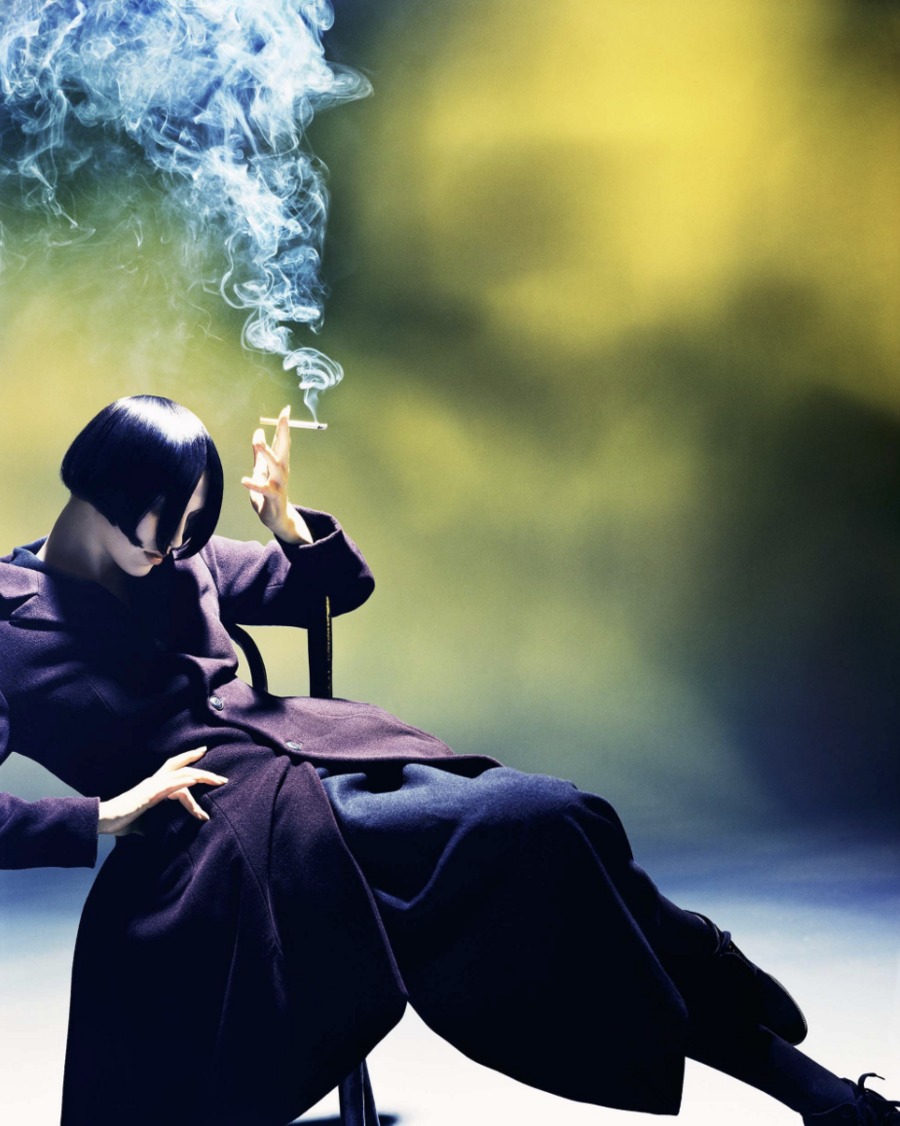
Nick Knight. Susie Smoking, 1988
Nick Knight’s work with the body is particularly compelling. In his photographs, the body functions both as an object of beauty and as a distorted form that sheds its materiality. One could say he explores not only the aesthetics of fashion but also the contemporary perception of identity and corporeality. His pieces integrate numerous diverse themes, which lends the photographer’s visual language a distinctive quality and significance for further analysis.
The research hypothesis posits that Nick Knight’s unique visual language transformed the perception of fashion photography from being exclusively a commercial and aestheticized image. He achieves this by employing digital manipulation, body distortion, and other experimental methods that undeniably influence contemporary media.
The research’s principle of categorization is built around chronology and theme, achieved by isolating semantic blocks that reveal various aspects of the photographer’s visual language.
Based on this, the following chapters of the research can be identified: the specific features of the visual language, which can be divided into the following sections: body distortion, technological quality, artificiality, and beauty. The conclusion at the end of the research will summarize the findings of the analysis conducted.
This structural principle will allow for a comprehensive review and analysis of the photographer’s work.
The visual component of the research will draw upon the work of Nick Knight. These works will be analyzed through the lens of narrative logic, based on the principle of rubrication. The material for further analysis consists of articles and interviews that reveal the photographer’s visual style.
2. Visual Language Characteristics
One of Nick Knight’s early works is his «Skinheads» series (1982). Although these photographs are not from his fashion industry work, they help to better understand his approach, which would be traceable in his later work as well.
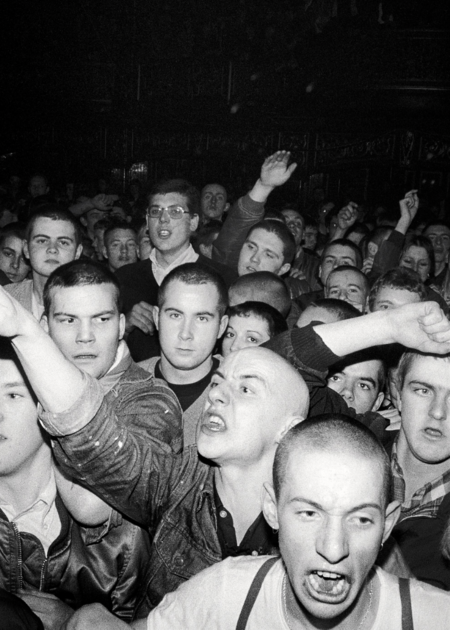
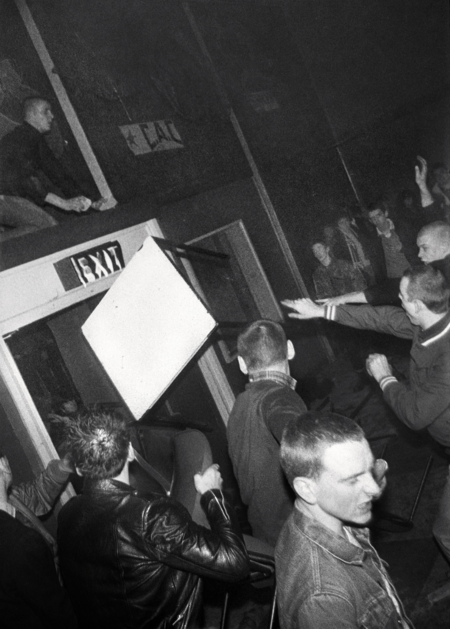
Nick Knight. Hammersmith Palais, 1979–1980; Acklam Hall III, 1979–1980
This series is remarkable for how the photographer plays with contrast: he didn’t just capture a subculture; he captured people as they truly are. Nick Knight doesn’t aestheticize the image of skinheads; he documents their way of life. It is this approach that foreshadows his further development in the fashion industry.
Knight himself said the following about this series in one interview: «I wanted you to experience the same sharp sensations—fear, desire, or something else—that I felt» [Emma Robertson] (author’s translation from English).
In doing so, he explained that it was important to him not just to capture the portraits of the people around him at the time, but to convey his feelings.
Nick Knight. Mad John’s Bottom Lip, 1979–1980
In 1986, Nate began collaborating creatively with Japanese fashion designer Yohji Yamamoto. Their partnership was so successful that «Yamamoto extended his contract with Nick until 1997» [URL: https://fotogora.ru/nik-nayt-dobro-pozhalovat-v-mir-feshn/].
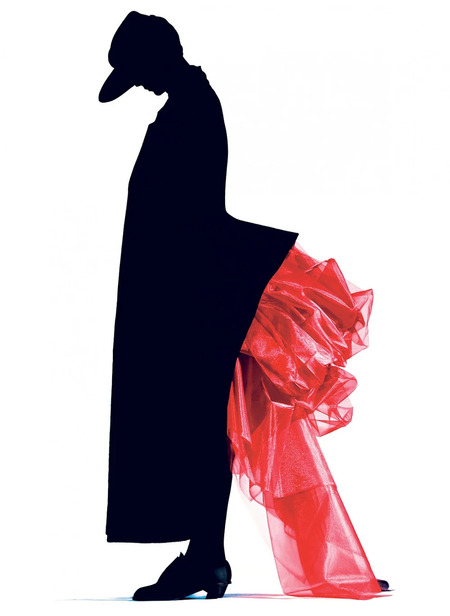

Nick Knight. Red Bustle, 1986; Red Coat I, 1987
With these photographs, taken for Yohji Yamamoto, Night showcases his departure from classic fashion shoots and emphasizes form.
It is also noteworthy that Nick Knight experiments with themes of bodily deformation and technology. He, for instance, blurs the line between the artificial and the real by capturing models in unnatural poses and unusual images.
Nick Knight. Devon Aoki for Alexander McQueen, 1997
Speaking of technology, Nick Knight doesn’t just play with photo processing and methods of creation—he keeps pace with the times. For example, in 2022, he launched the digital project ikon-1 with the Jazzelle NFT collection [URL: https://www.nickknight.com/about].
2.1. Body Deformation
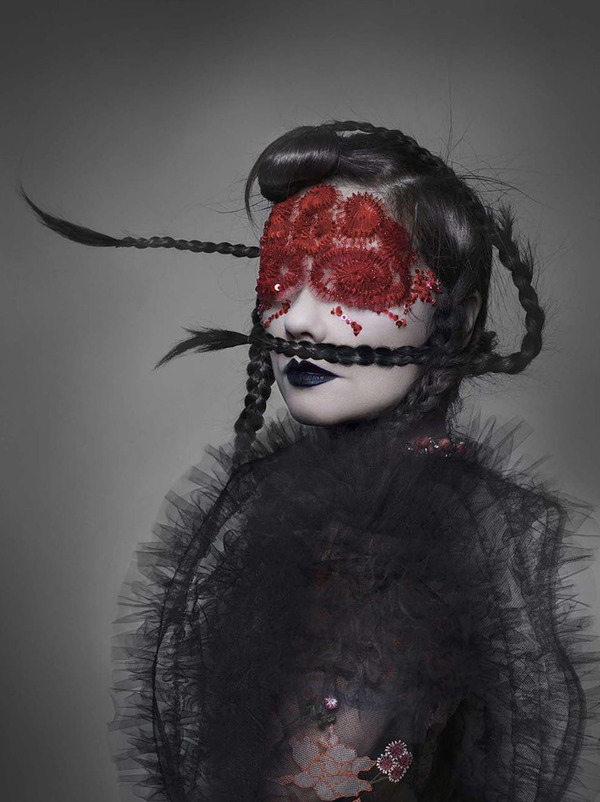
Photos from the album «Honogenic» (1997) by Icelandic singer Björk are a sort of echo of a frame by Nick Knight featuring Devon Aoki. There is also a sense of unease here, as the makeup, image, and photo treatment make the captured young woman seem lifeless and unnatural.
Nick Knight. Björk, Homogenic, 1997 (Album Cover)
In the photo series «Dolls» (2000), the line between depicting the body and depicting something surreal and unreal blurs. Due to the distortion of the models' features, it is barely readable what they truly resemble—plastic dolls.
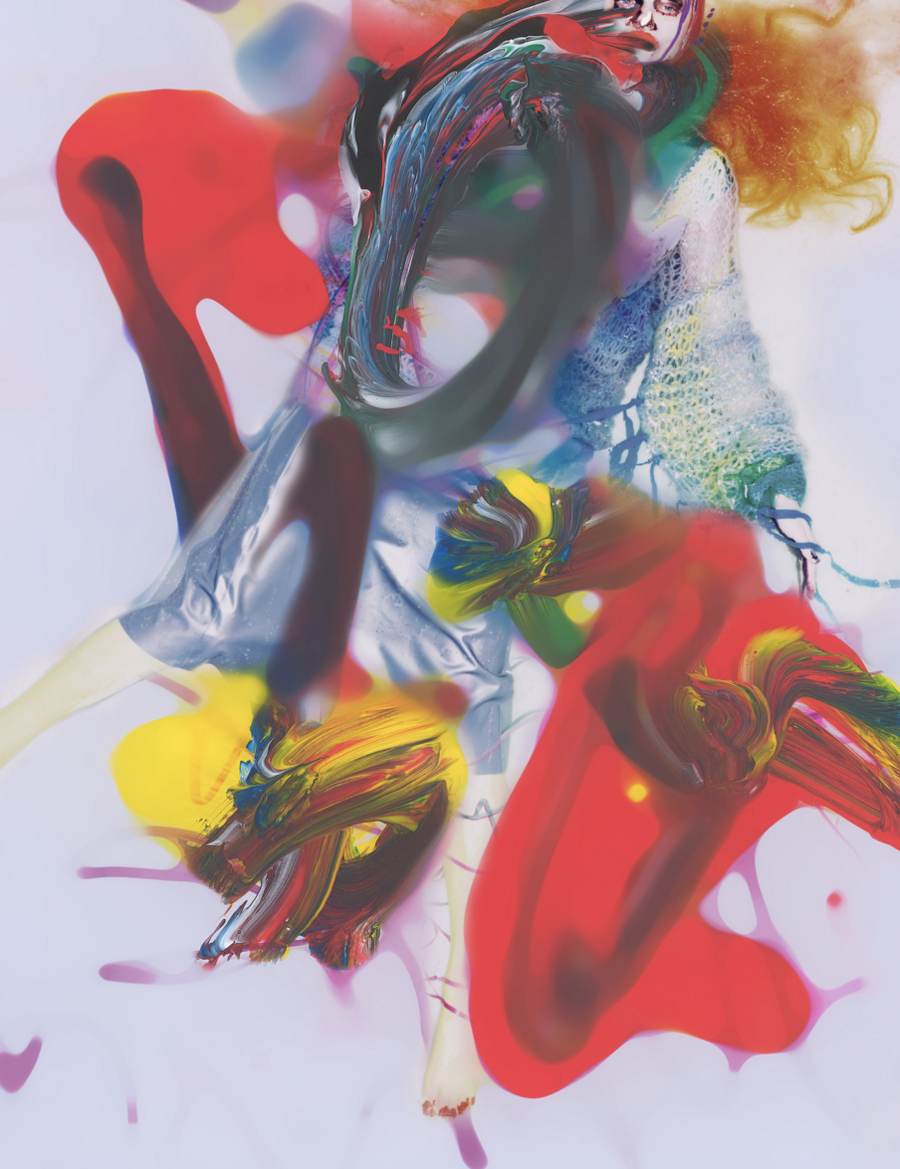
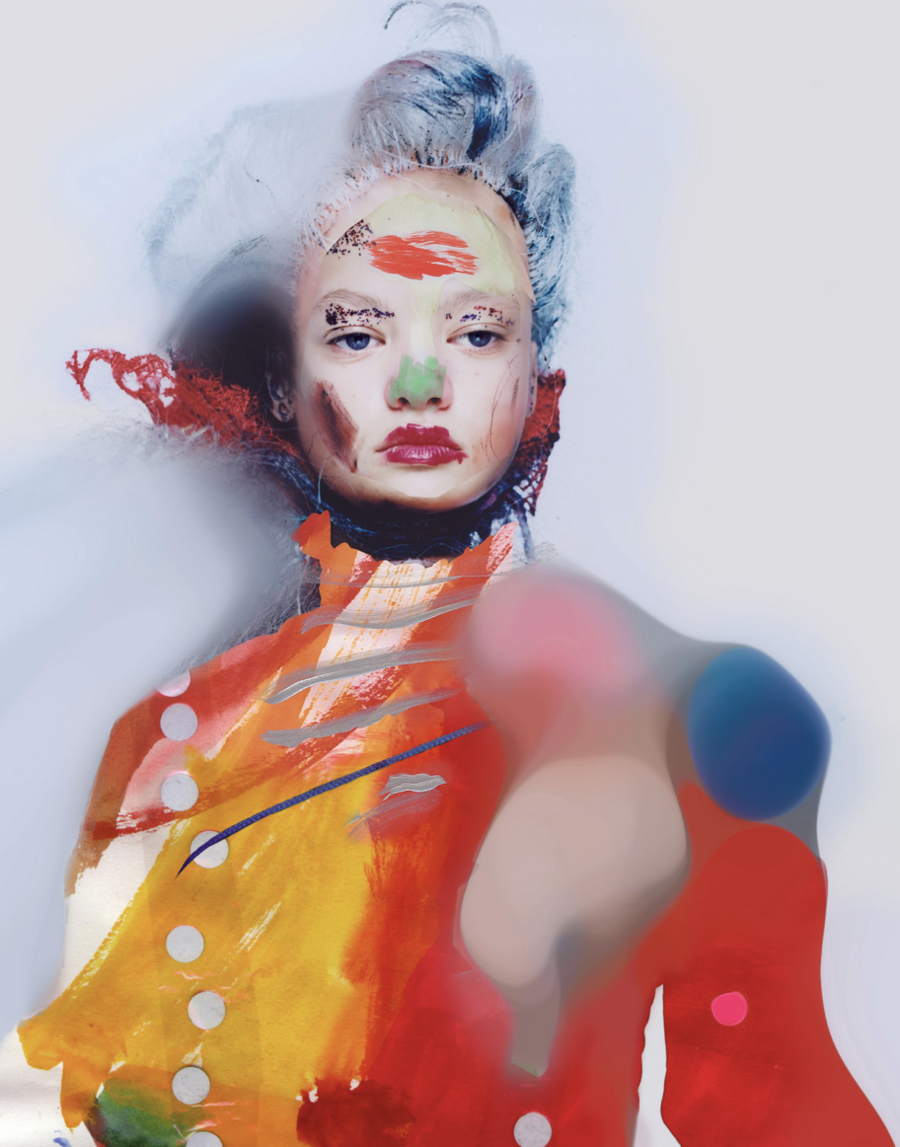
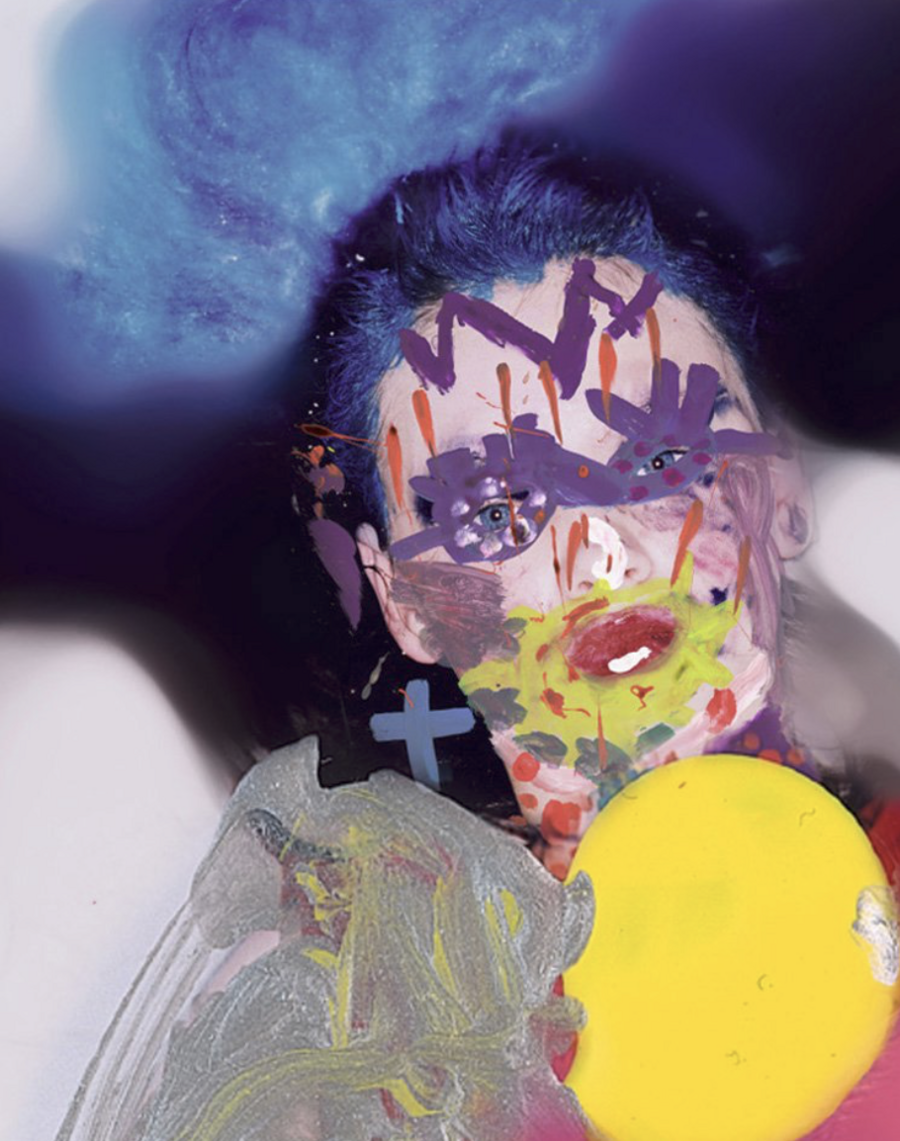
Nick Knight. Dolls, 2000
However, Night does not always deform the body to the point of being unrecognizable in his work. He experiments and plays with light, camera placement, and textures.
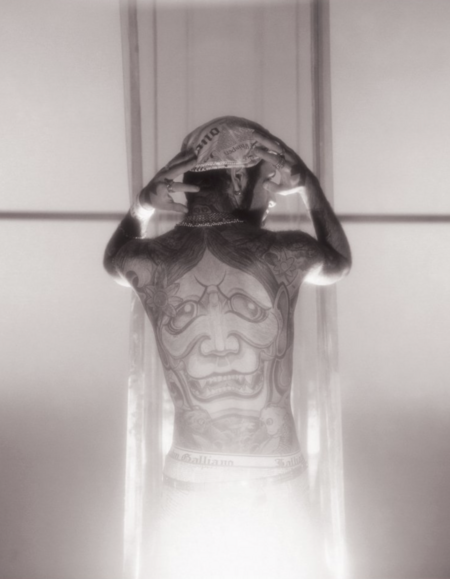
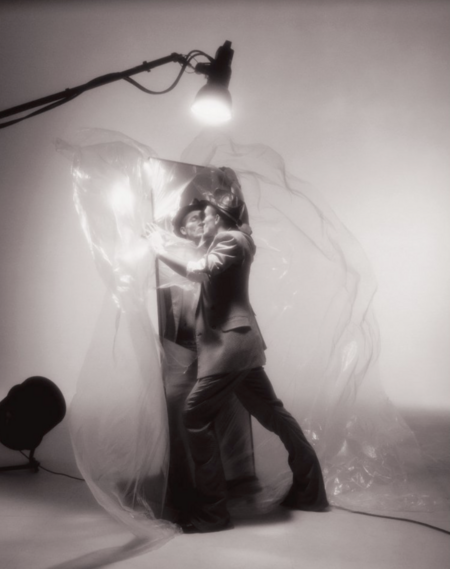
Nick Knight. GALLIANO HOMMES, 2003
For the 2004 Pirelli Calendar, Nick Knight decided to build a narrative based on conversations with renowned women and their innermost desires [URL: https://www.showstudio.com/projects/pirelli_calendar/gallery]. In this project, the photographer combines various techniques to showcase the bodies of the models in his own way, as if attempting to convey the unique identity of each woman.
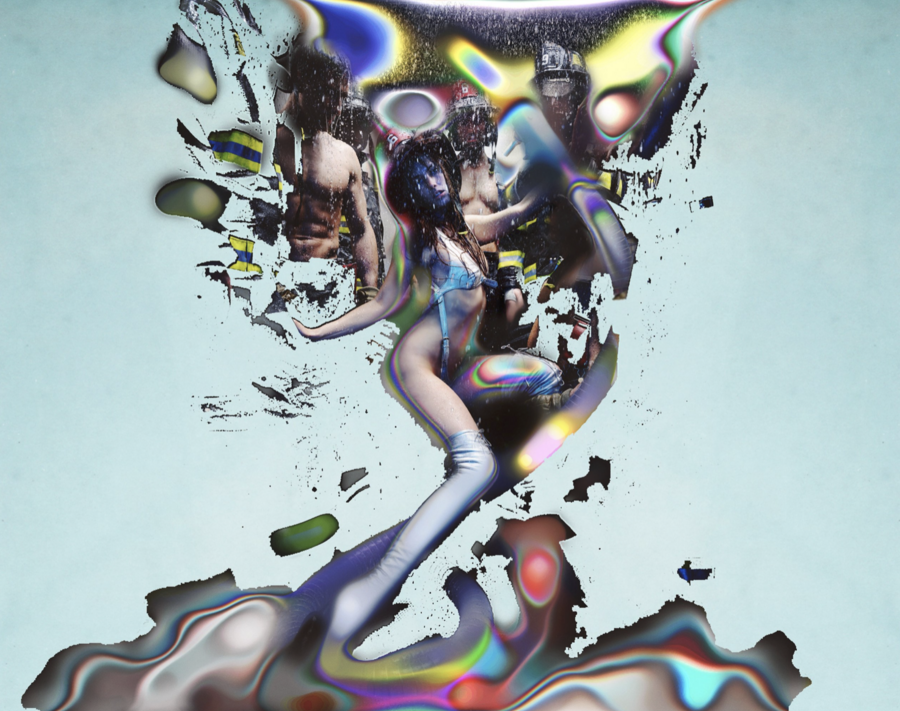

Nick Knight. Pirelli Calendar. January, 2004; April, 2004
Nick Night actively experiments with the body’s posture: in his works, it assumes unnatural poses, which creates dynamism and establishes a distinct narrative.