Categories
1. Introduction
2. The Depiction of Animals in Antiquity
3. The Depiction of Animals in the Middle Ages
4. The Depiction of Animals in the Renaissance
5. Conclusion
Concept
The depiction of animals in art history occupies a significant role, reflecting not only how the surrounding world was reproduced in a specific era, but also expressing the cultural, religious, and philosophical concepts of the people of that time.
Throughout history, animals have featured in mythical and religious narratives, as well as in artistic and decorative compositions and studies. However, the goals and methods of depicting animals differed fundamentally across the eras of Antiquity, the Middle Ages, and the Renaissance. The structural forms, degrees of fidelity, character, spatial relationship, and symbolic meaning—which imbued the animal image—all underwent change.
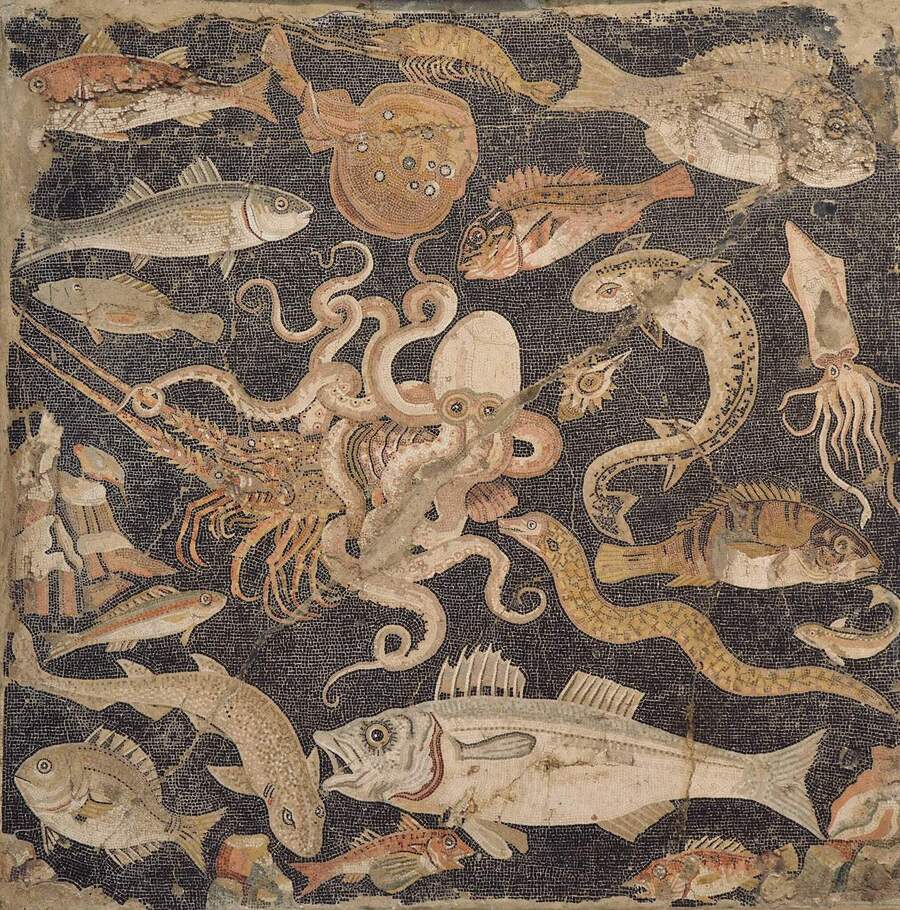
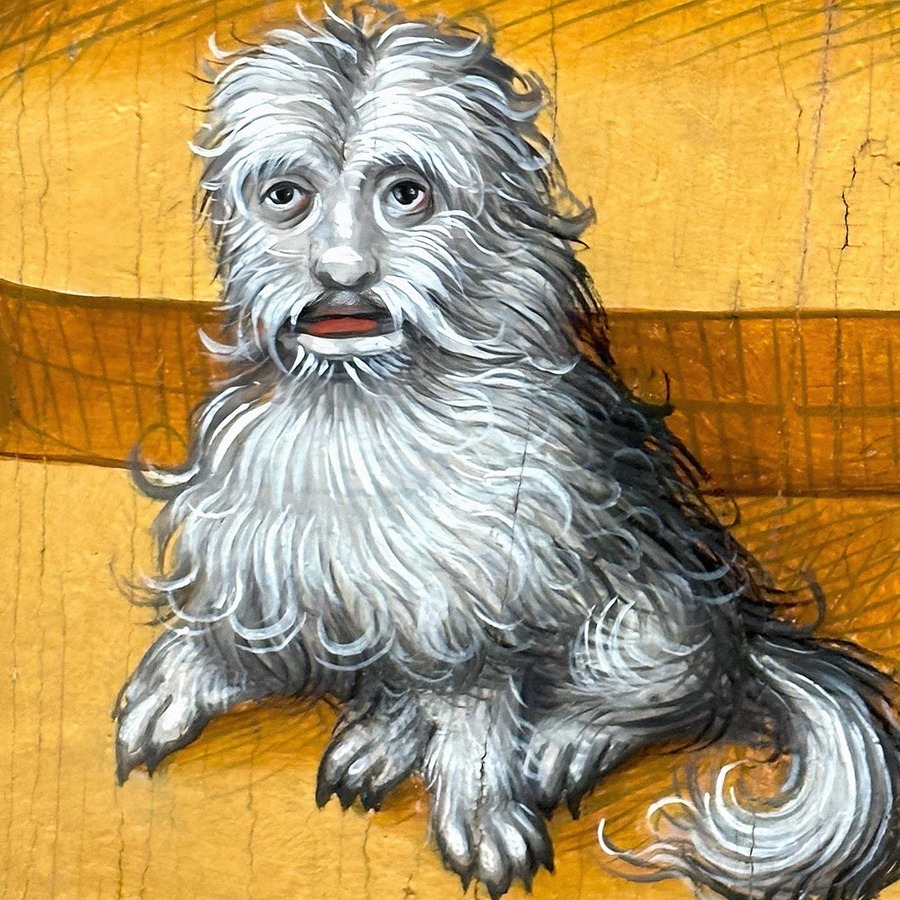
The depiction of the entire world across different eras clearly reflects the worldview and values of the people of that epoch. In Antiquity, the Middle Ages, and the Renaissance, animal imagery held a significant place in art. They can be found in various works: sculptures, mosaics, and even illuminated manuscripts and engravings.
Animals were depicted both as companions to gods and heroes and as the main protagonists of the story.
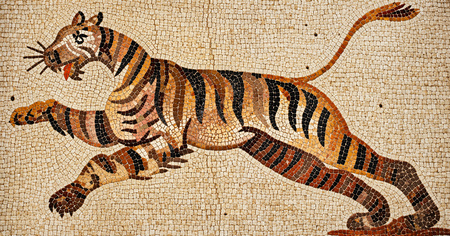
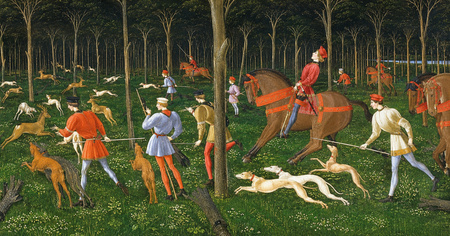
In Antiquity, the Middle Ages, and the Renaissance, depictions of animals held a significant place in art. They can be found in various works: sculptures, mosaics, and even illuminated manuscripts and engravings. Animals were portrayed both as companions to gods and heroes and as central figures in narratives. Furthermore, these depictions differed noticeably from one another. The distinctions are evident not only in appearance and proportion but also in the animal’s role within the composition and plot, how it interacts with its surroundings, other characters, and the significance its presence might carry.
One of the important points is the depiction of details.
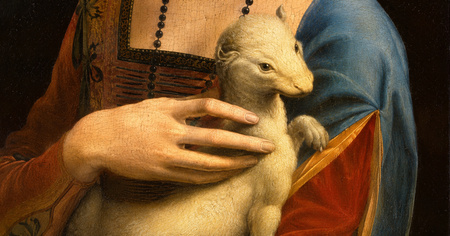
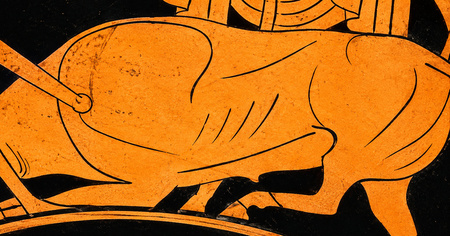
In some works, you can discern fur, feathers, or scales, as well as muscle structure and specific bodily features. In others, detailed imagery was absent, or the details were simplified to a few conventional lines. Comparing these details reveals which animal characteristics the artist considered important, what symbolism they imbued in the image, and where the creator intended to focus the viewer’s attention.
When making comparisons, it is important to consider that the technique significantly influences the final appearance of the work. A miniature engraving in a book, for instance, will obviously differ from a colossal sculpture. Different materials provide the artist with different possibilities.
When making comparisons, it is important to note that technique significantly influences the final look of an image. A miniature engraving in a book, for instance, will obviously differ from a massive sculpture. Different materials offer the artist different possibilities.
Despite the differences between historical periods and the techniques of those eras, common threads can be found.
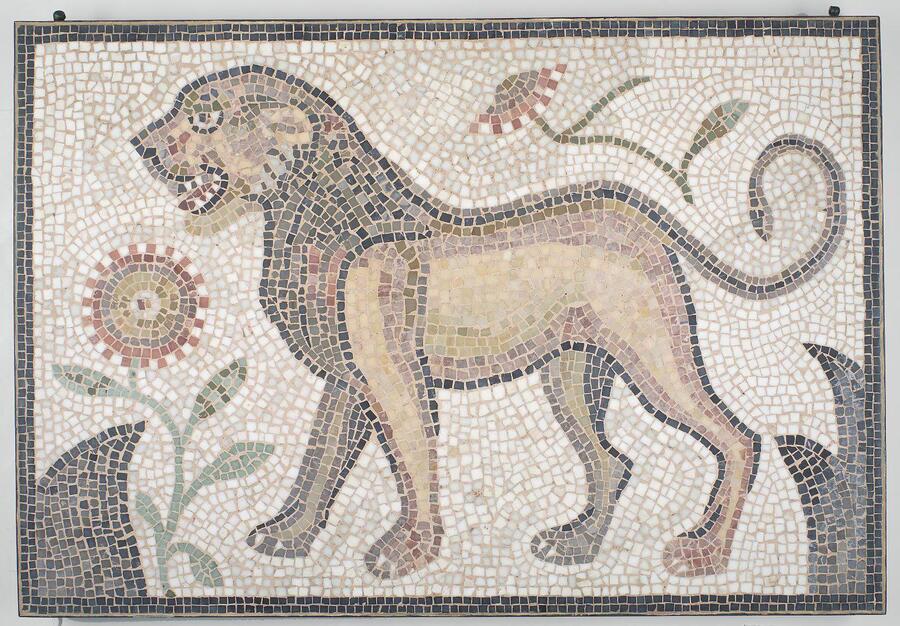
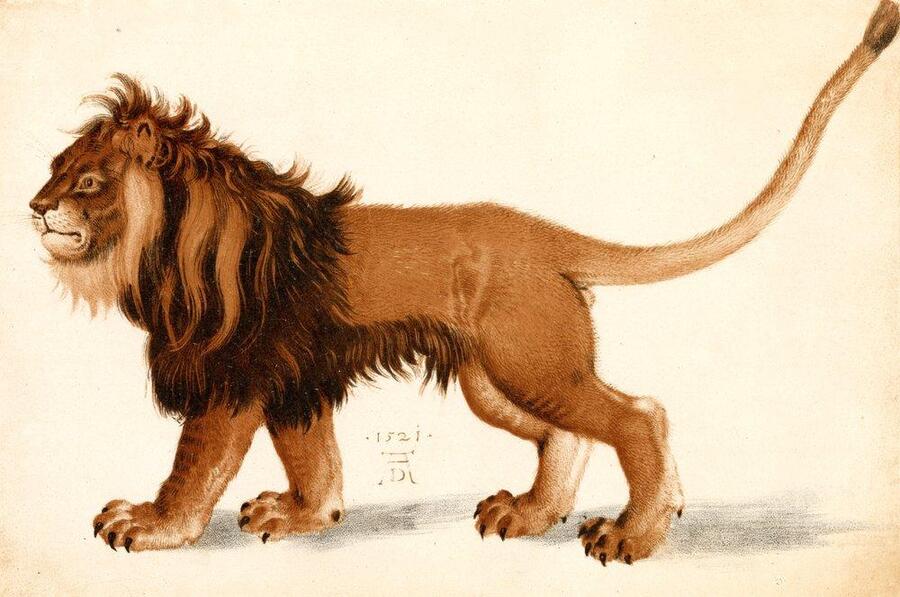
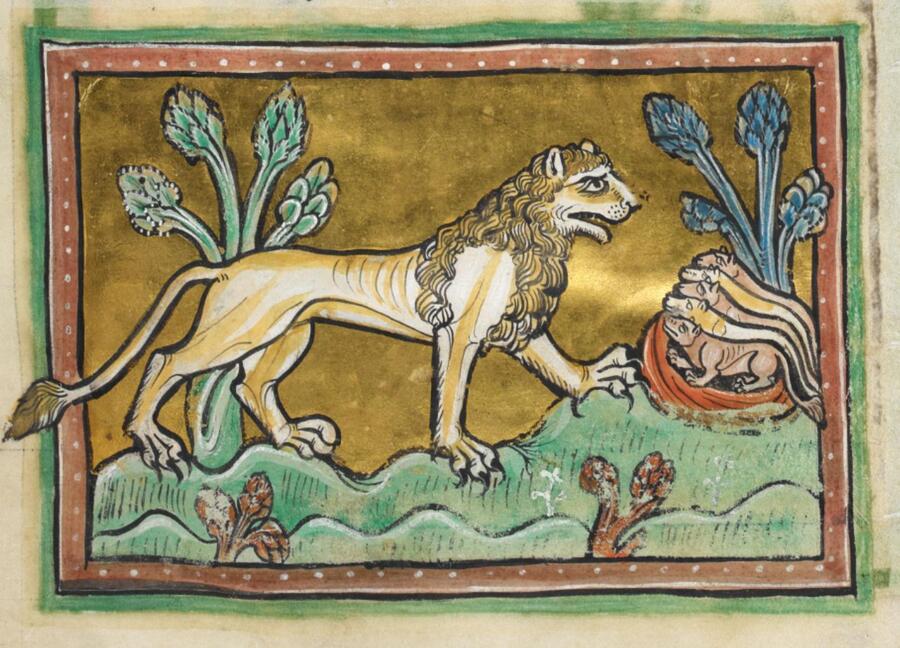
Similar ways of depicting animals can be found in art from different eras, and within a single period, completely different visual approaches may coexist. It is important to consider not only the time of the work’s creation but also its specific characteristics, significance, and context.
A comparison of animal imagery in Antiquity, the Middle Ages, and the Renaissance raises the question of why their depictions can differ so significantly. Of particular interest is how the methods of portraying the external appearance of animals, their role in works of art, and the attitude toward their representation changed across different historical periods.
Depiction of Animals in Ancient Art
Ancient art was closely intertwined with mythology and religion. Artwork frequently depicted mythological narratives, gods, heroes, rulers, and athletic competitions. Through art, ancient people expressed their views on a world of deities and warriors. Special attention was given to the human figure and the human body.
Nature and animals were integral parts of ancient narratives. They can be found in sculptures, reliefs, mosaics, and paintings. Animals often accompanied humans, gods, and heroes in depictions of hunting, battles, and daily life. Horses frequently appeared in scenes of athletic competitions and battles.
The imagery of animals was inextricably linked to the myths, religions of Antiquity, and human conceptions of the world.
Many animals depicted in ancient art were associated with specific gods and became their recognizable symbols. The eagle symbolized Zeus, embodying his power and authority. The owl was the symbol of the goddess Athena and represented wisdom. In this context, animal imagery helped convey the multifaceted and supernatural image of the deity through familiar and understandable representations of living beings.
The goddess is depicted with her sacred bird. Here, the owl becomes part of Athena’s imagery.
In this work, the eagle represents Zeus himself, assuming the form of a bird.
The significance of animals in ancient art was not limited to their connection with the gods. Artists paid close attention to their physical appearance, striving to convey the structure of the body, proportions, and movement. Artists observed the world, nature, and animals, attempting to capture the natural essence of the environment.
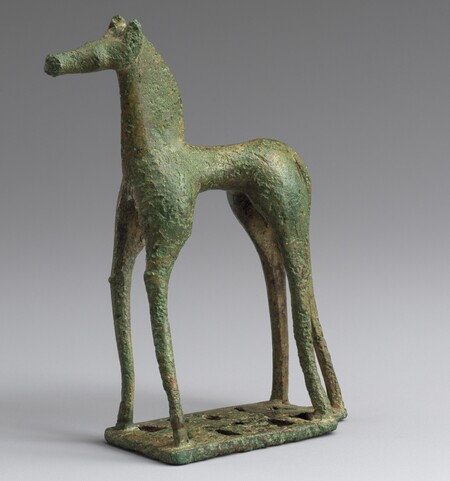
However, documentary accuracy was not always the primary goal. Depending on the subject matter, the artist might emphasize, hyperbolize, or alter certain traits of an animal to underscore its significance within the composition. Animals were depicted more realistically in everyday scenarios, while in mythical representations, they acquired the necessary contextual characteristics.
Bronze figurine of a horse Mid-8th century BCE, Ancient Greece