Navigation
1. Research Concept
2. Fischinger. A Brief Biography
3. Analysis of Oskar Wilhelm Fischinger’s Work
4. Identifying Fischinger’s Core Artistic Techniques
— Geometric Shapes and Lines
— Movement as a Reflection of Musical Rhythm
— Color as Emotional Tint
— Composition and Space
5. Conclusion
6. Bibliography
Research Concept
In the first half of the 20th century, animation developed rapidly and gradually moved beyond traditional narrative. This period marked the active establishment of animation as a complete form of cinema. People experimented actively with various animation styles, inventing increasingly unusual and engaging methods. Constructivism, abstractionism, and other movements of modern art were the most popular directions at the time. The 1920s and 1930s are the era of the avant-garde.
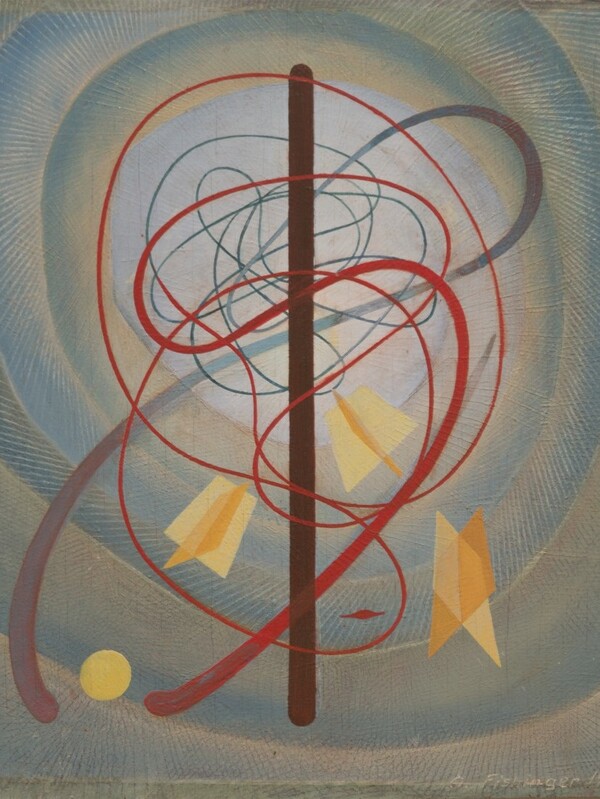
Let’s look more closely at one of the famous movements of the 20th century—abstract animation. This trend in animation combines geometric shapes, lines, and spots, characterized by the absence of recognizable and familiar characters and narratives.
Oscar Wilhelm Fischinger was one of the most prominent figures in abstract animation.
«Fischinger is one of the pioneers of avant-garde animation and an outstanding representative of so-called abstract, non-objective animation.»
The creativity of this German animator-artist is an attempt to create an analogy between music, color, sound, and image. He sought to make them a unified whole.