Hello!! I’m Asta your graphic designer: ^)
Hi! My name is Asta and I’m a graphic designer. But I haven’t always been a designer. I initially studied to become a product manager, but I found that field not creative enough for me, so I became a designer. Management gave me in‑depth knowledge about how large companies work and how decisions are made, about how to analyze an audience and how marketing works. Design allows me to express my creative side. I get the best of both worlds!In this presentation, I want to show three of my favorite projects and explain why I like them so much.
Сметана
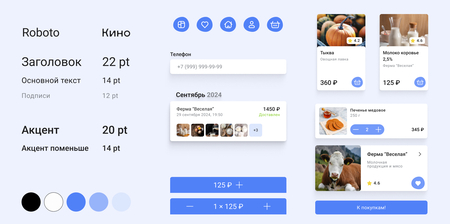
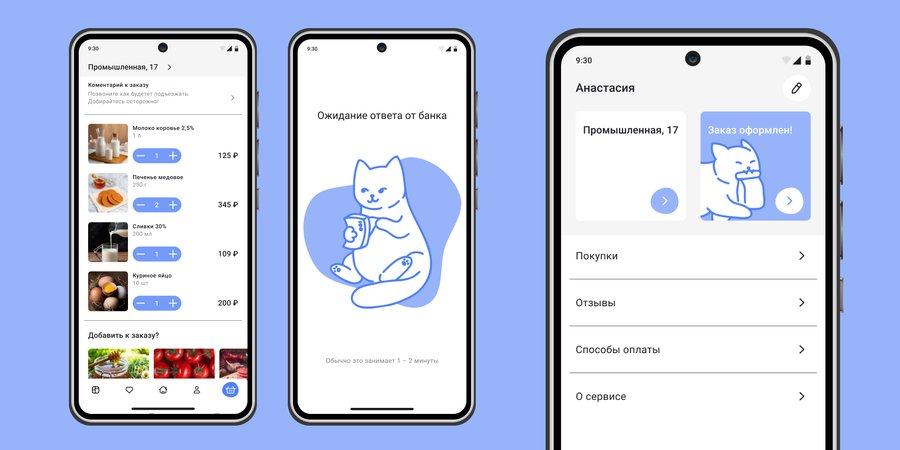
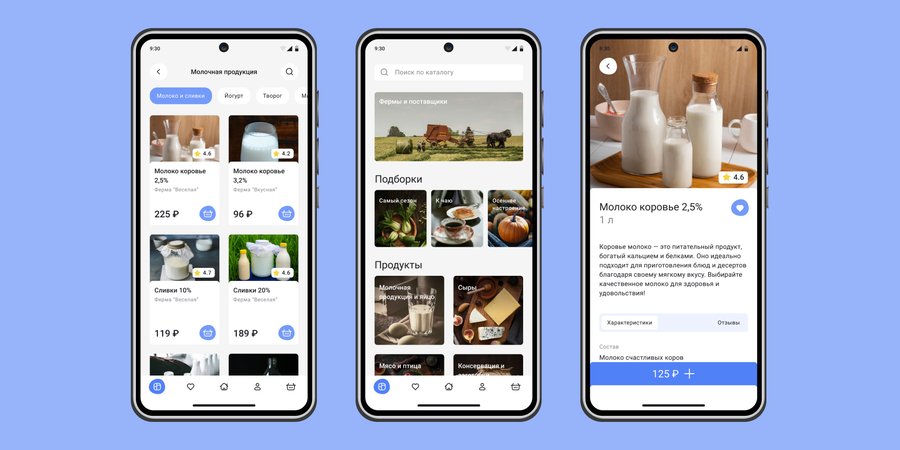
Сметана — is a marketplace for farm products, bringing together local farms and lovers of fresh, eco‑friendly products.
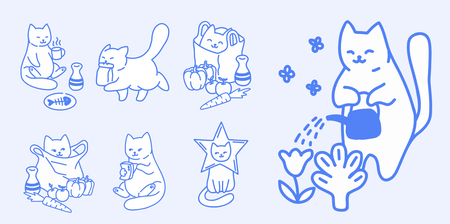
I was tasked with creating a mobile app. I chose to build a marketplace for farm products. It was a good exercise in creating a complex interface, using auto layouts, and presenting a clickable prototype. I especially enjoyed creating cat illustrations for the app. The presence of a character in this project makes it charming.Figma / Illustrator / Procreate
Фолк-кемп
Фолк-кемп — is the first educational camp for urban youth in the countryside, which introduces people to the beauty of traditional Russian culture, folk music, and village dances
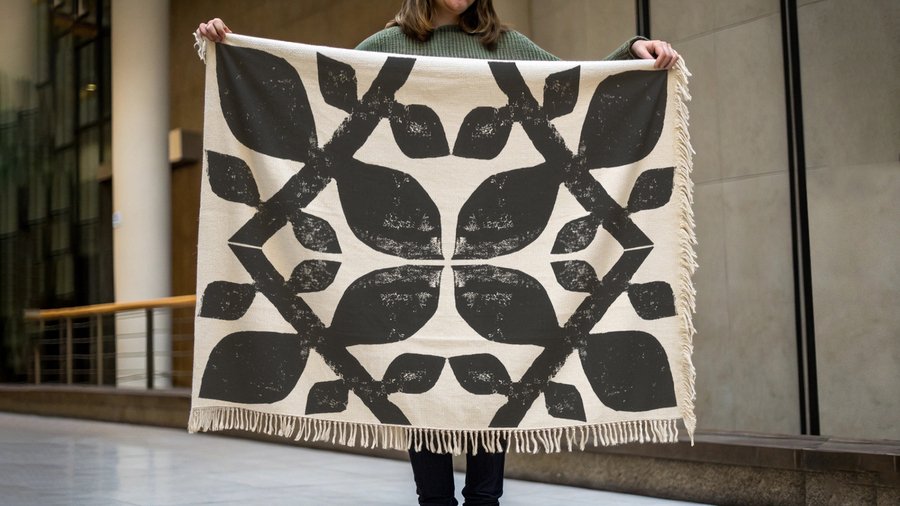
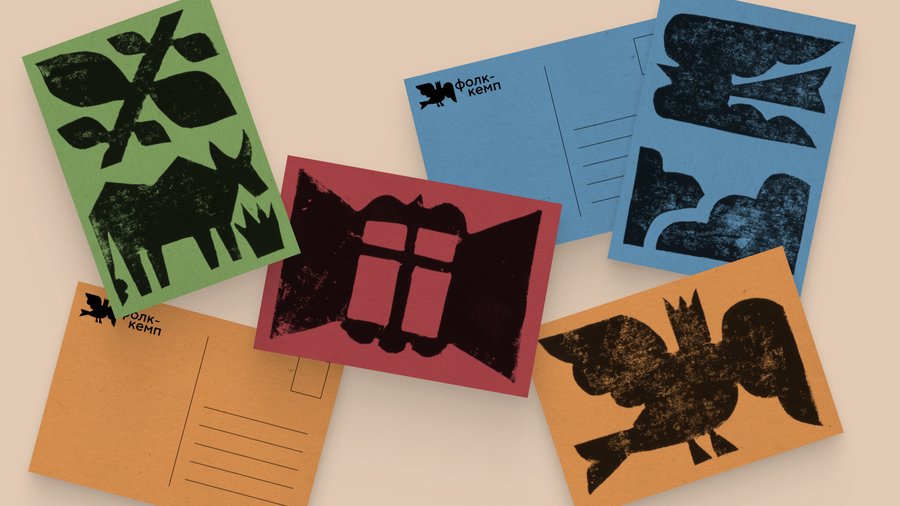
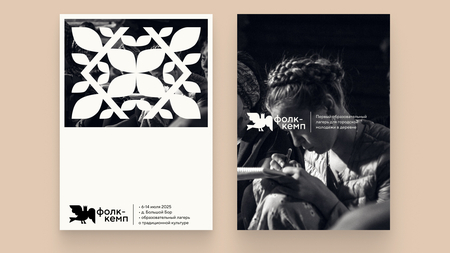
I was tasked with doing a rebranding for an already existing business. I wanted to create an identity based on graphic elements, not on photos, as the existing identity did. The presence of hand‑drawn graphics adds authenticity and grit to the branding, conveys something real and rustic, without relying on literal imagery (photos).Illustrator / Photoshop / Linocut
The signature style is based on a linocut print inspired by motifs of rural life. It also refers the viewer to traditional popular prints that were popular among the peasant population of Tsarist Russia.
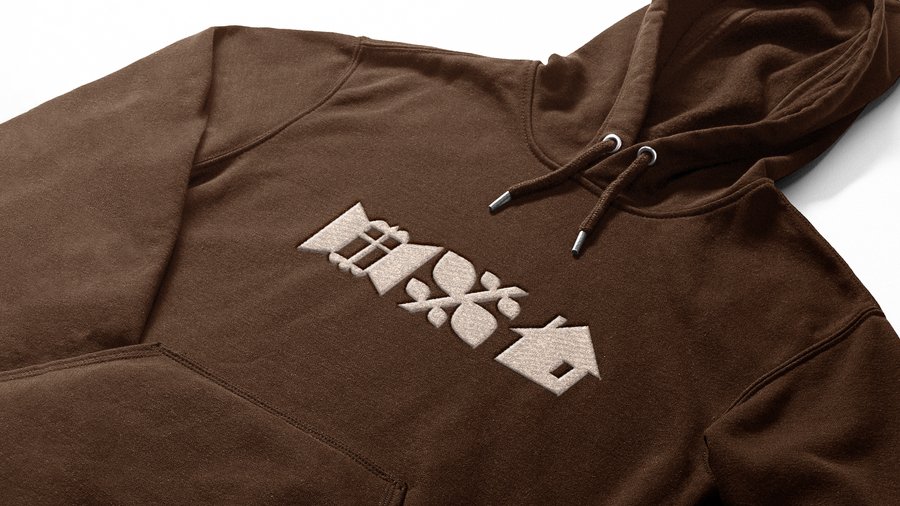
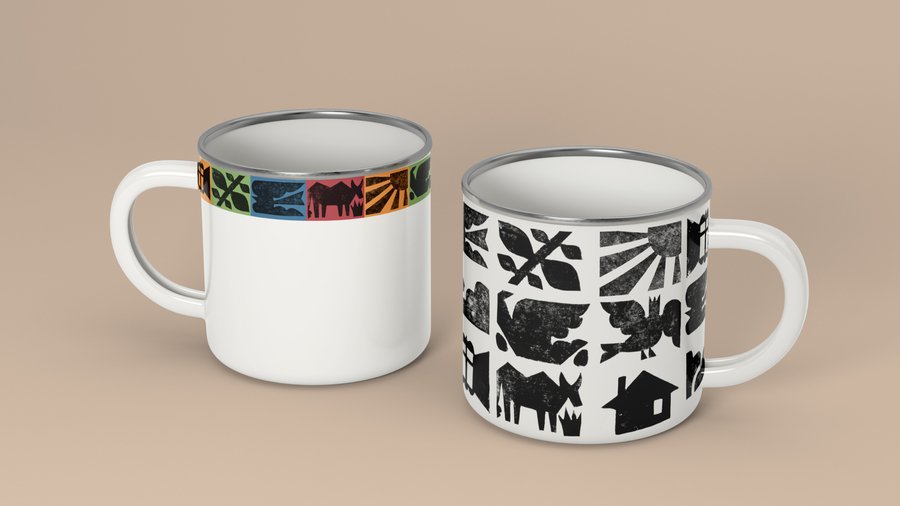
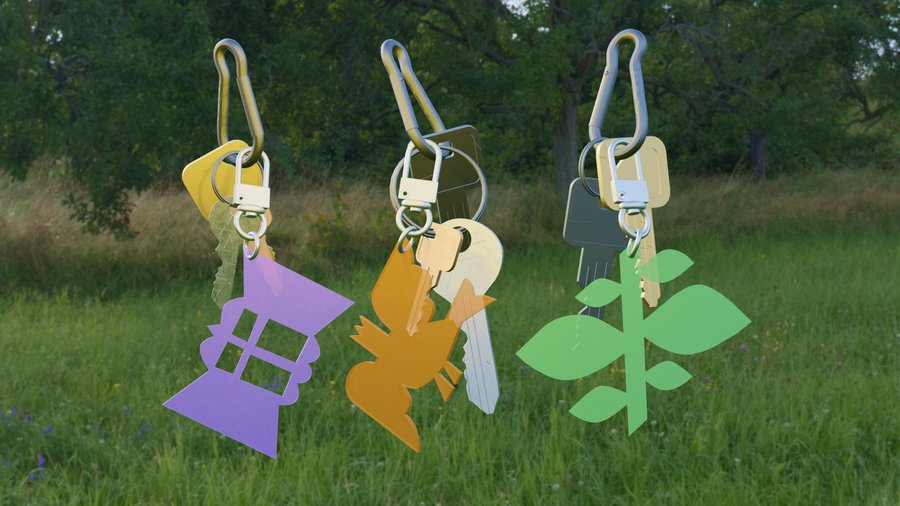
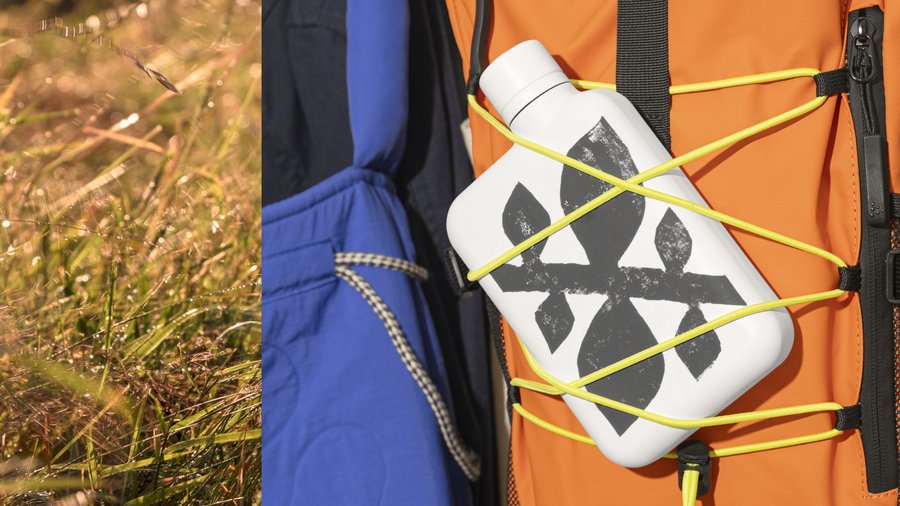
This brand is suitable for young people who are actively interested in rural culture and enjoy spending time outdoors. They are seeking a connection with cultural heritage without the intermediary of a museum. An opportunity to live in a different way.The project participants see the Russian North not as tourists, but will feel the uniqueness and special charm of this wonderful region from the inside.
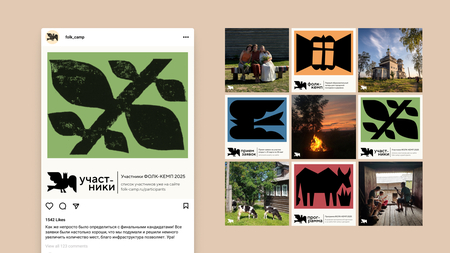
Immersing in the rustic atmosphere: master classes in folk singing and dancing, life in the old Pomor houses of the village of Bolshoy Bor. All of this you can experience for yourself by visiting Folk-Camp
12 кадров
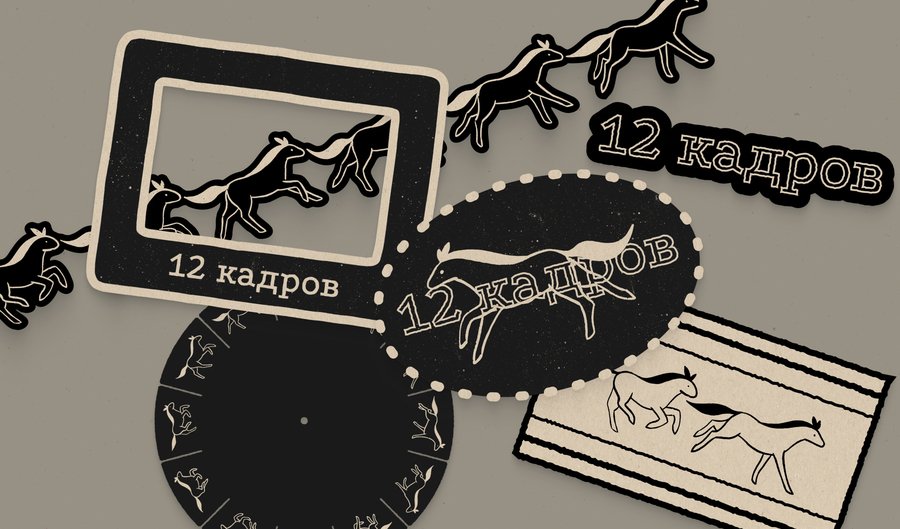
12 кадров — is a TV channel dedicated to festival and independent animation, focusing on art‑house cinema that is usually shown only at specialized festivals. The channel gathers animation from all over the world, presenting works by numerous independent studios and creators, rather than limiting itself to a couple of popular names.
The main task was to create motion branding based on movement. The basis was the circular motion of the Magic Circle and the creation of a moving image using сменяющиеся frames. This is one of my first animated projects in which I combined manual and digital techniques.Procreate / After Effects / Illustrator
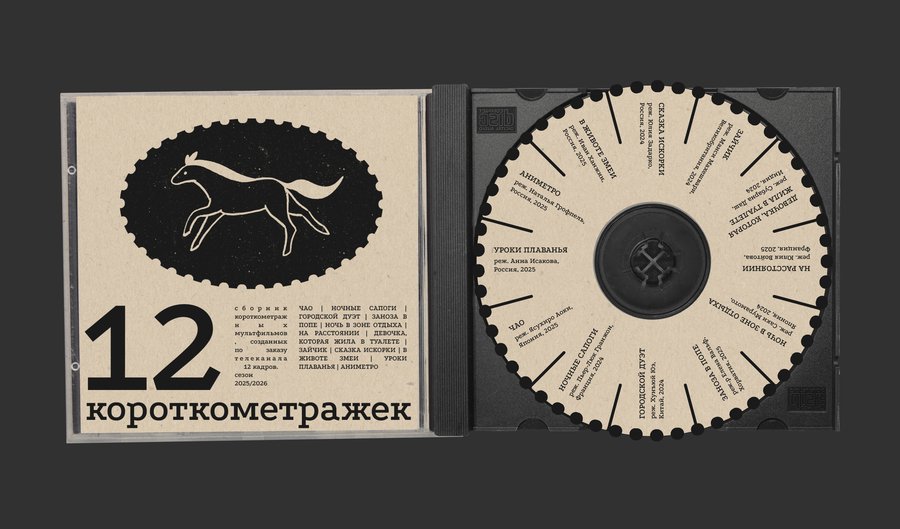
Where does the name come from?12 frames per second — the minimum frame rate required to create a sense of smooth motion is approximately 12–18 frames per second.
+
The phenakistoscope, which is the main visual constant of the brand, often features exactly 12 cells with drawings.
The horse, which is the channel’s mascot, was not chosen by chance. Its image was inspired by cave paintings and drawings from animation guides.The horse was animated using frame‑by‑frame animation. The phenakistoscope wheel and the frame were animated using digital tools. Nowadays, animation is mainly created and consumed in electronic format. Therefore, it was decided to combine animation techniques. The project includes both frame‑by‑frame and keyframe animation.
Animation is perceived as part of the viewing experience, on par with indie films, art‑house cinema, and documentaries. The focus is on festival and auteur animation, rather than mass‑market animation. On air — works that can most often be seen only at festivals.
Managers who think like designers put themselves in the customers’ shoes