About the Project
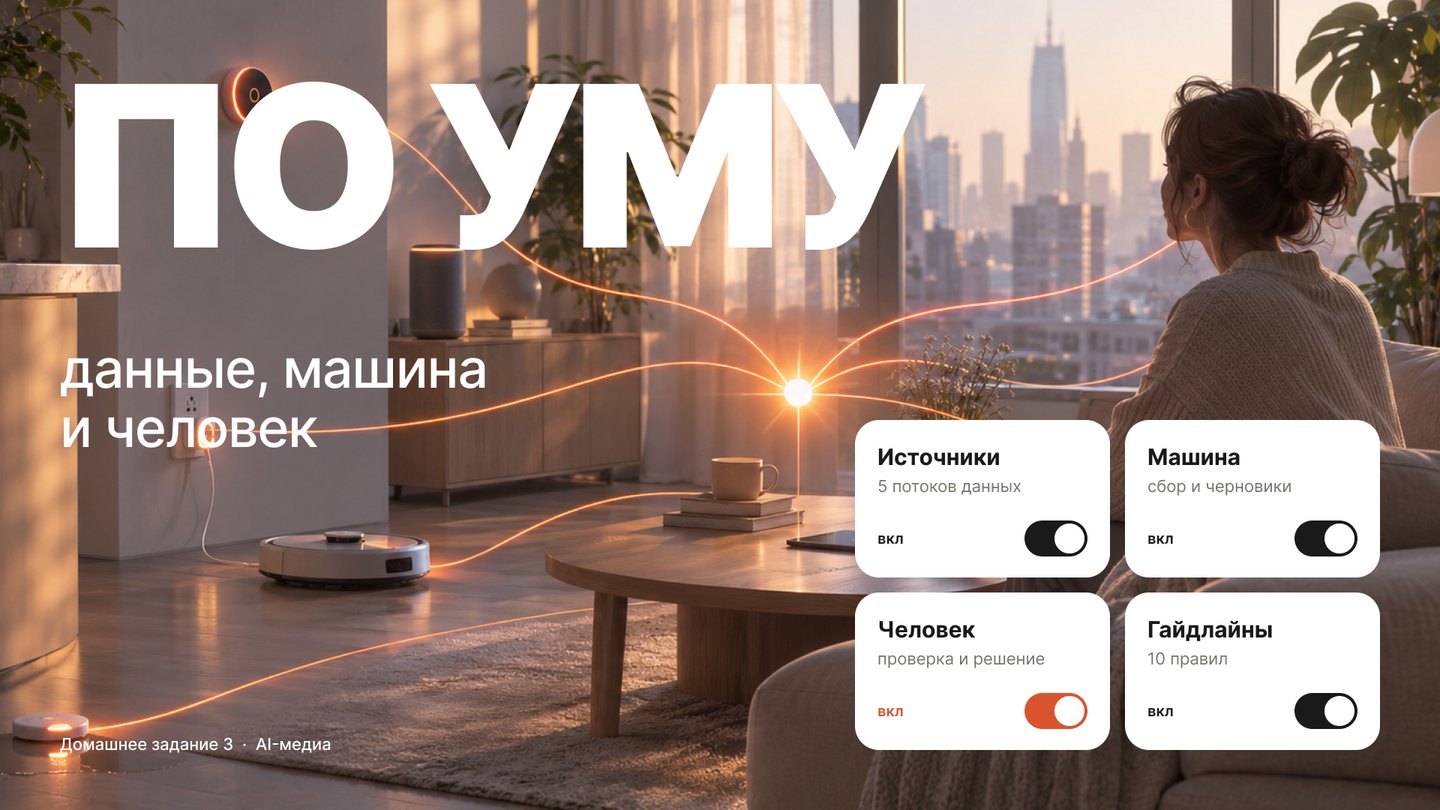
«Pomu» is an automated AI media outlet focused on smart home technology. In the first two parts, we covered the concept, target audience, competitors, thematic roadmap, and content samples. This section dives into how the media operates internally: where the data comes from, what the machine does with it, where human intervention is essential, and the rules governing these automated services.The system’s core principle is that the machine handles the routine tasks while humans are responsible for meaning and veracity. No material is published without an editor, and the AI does not invent devices or set prices.
Media Concept
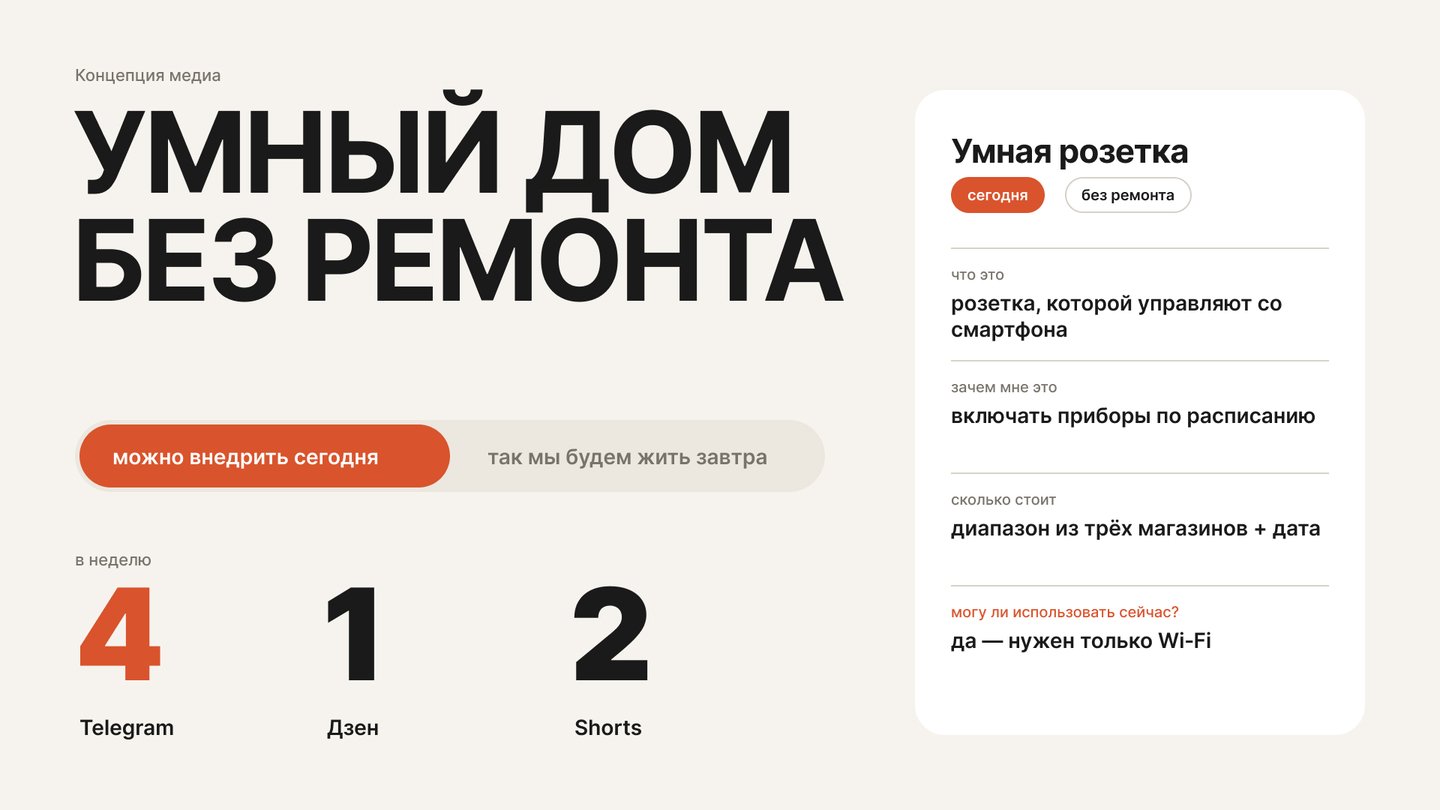
Smart homes don’t have to be expensive systems built into a major renovation. Many technologies can be added to an ordinary, even rental, apartment gradually and without a large budget. «Smartly» talks about such solutions and how technology will transform our homes in the coming years.AI tracks new devices and transforms them into understandable content using one formula: what it is, why I need it, how much it costs, and if I can use it right now.The content is divided into two areas: «What You Can Implement Today"—affordable devices and scenarios, and «How We Will Live Tomorrow"—home robots, AI assistants, and concepts. The main platform is Telegram, supplemented by articles on Zen and short videos on YouTube Shorts.The concept from the first part remains unchanged.
There is a constant stream of news about smart devices—manufacturer announcements, reviews, and price changes happen weekly. No single editor could cover this manually, so a machine handles the routine tasks: collecting data, removing duplicates, organizing specifications into product cards, calculating prices, and preparing drafts.
The decisions that determine reader trust remain with the human editor: which topics to cover, whether the device is genuinely useful, whether contested facts are accurate, what the headline should be, and whether the article should be published at all.
Data Sources
Media requires four types of data: device news, specifications, current pricing, and user questions. This information comes from five groups of sources.Manufacturers and ecosystems include press releases and blogs from Yandex, Sber, Aqara, Xiaomi, Apple, Google, and a catalog of Matter-compatible devices. From these sources, we gather announcements, specifications, and compatibility information.Exhibitions and tech media sources like CES, IFA, MWC, iXBT, Habr, and The Verge signal new topics, but they are not factual sources—facts are always cross-verified with the manufacturer.Marketplaces and retailers—such as Yandex Market, Ozon, and Wildberries, as well as official brand stores—provide pricing and availability in Russia.Expert and official sources, including Roskachestvo, Rospotrebnadzor, electrical safety regulations, and electricity tariffs, provide data for tests, safety assessments, and cost-saving calculations.The audience provides comments, questions, and surveys across all platforms, offering insights into user interests, pain points, and bug reports.The news and specifications machine updates daily; pricing is updated weekly and before every publication. The editor selects expert sources relevant to each specific topic.
Data Freshness
For purchasing media, an outdated price is worse than no price at all. Therefore, each record in the database has a verification date and a status.
Verified — the specifications match the product description and another source, and the price has been collected from at least three stores.
Awaiting verification — the data is older than 14 days, or the sources contradict each other. These records will not appear in new listings until they are confirmed by the system or an editor.
Outdated — the product has been discontinued or the price has changed significantly. The system flags published materials with this data, and an editor updates the post with an «updated» tag.
Selection Criteria
The same news about a device usually appears in dozens of media outlets. The system compiles reprints into a single informational event and checks it against four criteria: — the device solves a clear, everyday problem or presents a new lifestyle scenario involving a home—this is the main criterion from the first part; — the specifications are confirmed by two sources, one of which is an official specification; — there is a price in Russia; if not, the material is filed under the «future» section with a «not yet available» note; — it is not an advertisement: paid reviews and sponsored selections are not considered sources of facts.
Audience questions and comments are used only anonymously—without names, usernames, or profile links.
Data Schema: Machine and Human
The data passes through six stages, and at each stage, it is predetermined what the machine does and what the human decides.
Collection. The machine gathers announcements, media feeds, prices, and audience questions. The editor sets the list of sources and the monthly themes according to the thematic plan.
Analysis. The machine merges duplicates, transfers device specifications into the product card, and determines the timeline: «today» or «tomorrow.» The editor reviews what the machine could not classify with confidence.
Selection and Verification. The machine evaluates the news event against specific criteria and proposes a priority level. The editor approves the weekly themes, verifies questionable facts, and decides whether the device is useful or simply «superfluous.»
Storage. Product cards, news events, everyday scenarios, and audience questions are housed in a single database, with each entry tagged with a source, date, and status.
Publication. The machine compiles the drafts and schedules them; the editor writes the headline, refines the tone, and approves the publication.
Feedback. Reactions, questions, and error reports cycle back to the beginning of the process. Once a week, the editor reviews the report and adjusts the plan.
Device Card
The primary data unit is the device card. Its fields mirror the media formula: the everyday problem answers «why, ” the price with the date answers „how much it costs, ” compatibility, complexity, and suitability for a rented apartment answer „can I use this now.“Most of the fields are populated by the system based on specifications and store data. The editor checks the fields requiring experience and responsibility—implementation complexity, suitability for a rented apartment, limitations, and final status.Thus, the material does not merely retell the press release; it is compiled from verified data fields.
Content Package
The machine assembles a content package for three different platforms from a single card—it doesn’t just copy one text. On Telegram, it sends a short card following a specific formula, which keeps the audience engaged. On Zen, the structure of the article is «how it works → who it’s for → alternatives, ” which is discoverable via search. For Shorts, it generates a 30-second script: the device in action, the main effect, the benefit, and the price.The machine proposes a feature and schedules the materials: 4 Telegram posts, 1 article, and 2 videos per week. The headline and the final „publish“ button are left to the editor.
Guidelines for Automated Services
These guidelines are built into the instructions for the language model, the database filters, and the content package templates.1. Task first, then specifications. The material begins with a real-life scenario; a term is included only with an explanation. 2. A formula in every draft. If there is no answer to one of the four questions, the field is marked «no data» and sent to the editor. 3. The AI does not fabricate anything—no devices, no specifications, no prices, no quotes. Every number must have a source link. 4. Price must include a date: a range from several retailers, the date, and the region, without affiliate links. 5. «Today» and «tomorrow» must be separate. A concept or announcement should be signed as «not yet available.» 6. No ecosystem lock-in. Devices are compared on a single scale; if a material covers one ecosystem, alternatives must be provided. 7. Safety first. No instructions on working with wiring or gas—only «a specialist is required.» A privacy section is mandatory for locks and cameras. 8. Tone: calm and simple, using the formal «you, ” without jargon or alarmism. 9. AI visuals are labeled and not presented as photos of real devices; they contain no text or logos. 10. Only the editor publishes. Revised materials are marked „updated“ with a date.
Ad Filter