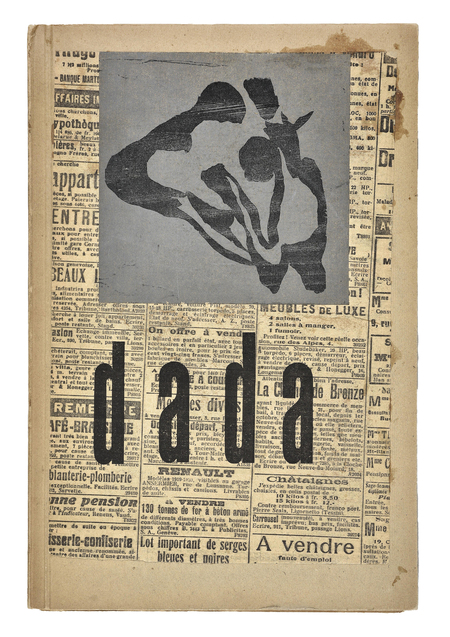
Concept
The topic, «Techniques of Dadaist Typography in Experimental Web Design,» was selected due to the growing interest in non-traditional visual communication and experimental approaches to digital design. Dadaism, which emerged in the early twentieth century, challenged established artistic conventions through randomness, fragmentation, collage, absurdity, and a rejection of settled aesthetic rules. These principles remain relevant in contemporary graphic and web design, where designers increasingly employ expressive typography, unconventional compositions, and interactive visual experiences. Studying the relationship between the historical practices of Dadaism and modern digital technologies allows us to understand how avant-garde visual ideas can be recontextualized today. This theme is particularly pertinent because typography in web design is no longer limited to conveying information; it can also become an independent visual and expressive element.Materials will be selected based on their relevance to Dadaist typography and their potential to demonstrate the transformation of historical methods into digital design. The research will encompass historical Dadaist posters, typographic compositions, photomontages, and the work of artists such as Raoul Hausmann, Kurt Schwitters, Hannah Höch, and John Heartfield. Modern examples will include experimental websites, digital collages, kinetic typography, and interactive typographic compositions. Priority will be given to visual materials that clearly illustrate techniques such as fragmentation, asymmetry, overlaying, distortion, typographic collage, and chance. Both historical and contemporary examples will be chosen to facilitate meaningful visual comparisons.
The research will be conducted chronologically and thematically. It will first explore the historical origins and artistic philosophy of Dadaism. Following this, characteristic typographic techniques will be identified and classified. Finally, these techniques will be correlated with their contemporary applications in experimental web design. The practical visual analysis will be organized into thematic categories: typographic fragmentation, collage and layering, asymmetric composition, distortion, randomness, and kinetic typography. This structure will allow for tracking the evolution of individual technologies from print media to interactive digital environments.
Text sources will be selected based on their scholarly reliability, timeliness, and contribution to the understanding of Dadaism, typography, and digital design. The research will include books on avant-garde art, academic articles, historical publications, design theory, and professional resources dedicated to modern web design. The sources will be analyzed using comparative, historical, and critical methods. Special attention will be paid to the interrelationship between artistic concept, visual structure, typographic expression, and technological capabilities.
Research Question: How can the typographical techniques of Dadaists be adapted and transformed for experimental web design to forge new forms of visual communication and interaction? Hypothesis: The visual principles of Dadaist typography can be successfully integrated into contemporary web design through digital collage, fragmentation, distortion, asymmetrical layouts, randomness, and animation. Their application has the potential to expand the expressive capabilities of typography, challenge traditional interface structures, and create a unique digital experience—provided that artistic experimentation is balanced with readability and usability. The expected outcome of this research is a systematic visual analysis of historical and contemporary examples, supported by practical typographical experiments demonstrating the relevance of Dadaist techniques in modern experimental web design.
Categories
…Concept …Navigation[1] Introduction [2] Analysis of Dadaist Typographic Techniques in Dada and Merz Magazines [3]…Conclusion
[1] Introduction
[2] Analysis of Dadaist Typographic Techniques in the Journals Dada and Merz
[2.1] Collages
The words and sentences were separated, rearranged, and distributed across the page. The text no longer conformed to a continuous reading flow. This technique disrupted the habit of traditional linear reading and prompted readers to perceive typography as a visual composition.
2.2 Extreme Typography
Different fonts, weights, and sizes were used in select text blocks and across single pages. The absence of a unified typographic hierarchy created visual tension and disrupted the traditional distinctions between headings, body text, and supplementary information.
2.3 Deconstructing the Traditional Grid and Employing Asymmetry
The text blocks were placed at various angles and in unconventional positions. Horizontal, vertical, and diagonal orientations created a dynamic visual rhythm. The page became an open compositional space rather than a rigidly structured container.
2.4 Absurdity, Humor, and Unexpected Visual Combinations
Typography and illustrations were integrated into a tight visual relationship. Instead of functioning as separate elements, they formed a unified composition where words could become graphic objects and images could influence the interpretation of the text.
2.5 Anti-Design and the Rejection of Conventional Beauty
Significant development can be observed in Merz No. 8-9, Nasci (1924), developed in collaboration with Elisiewicz. The composition demonstrates a more considered approach to typography, utilizing geometric organization, contrasting font weight, and carefully selected elements. This piece illustrates the transition from spontaneous Dadaist experiments to a more systematized modernist design language.
Visual Analysis: Merz demonstrates how Dadaist experiments can evolve into a more organized visual system. His typography balances artistic freedom with compositional balance, visual hierarchy, and functional communication.
3 .............
3. … Specific Examples
brutalist websites
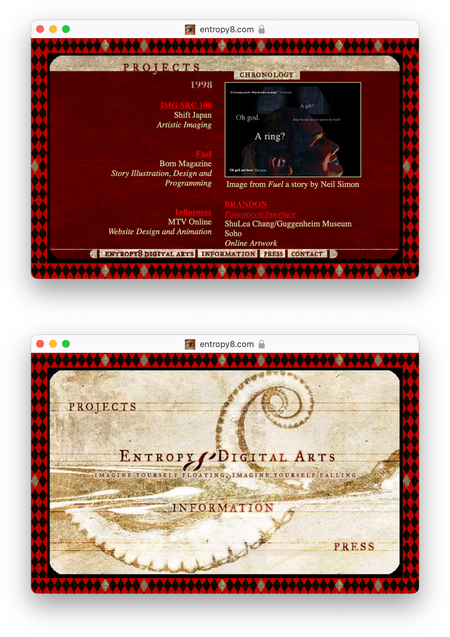
[No meaningful text provided for translation]
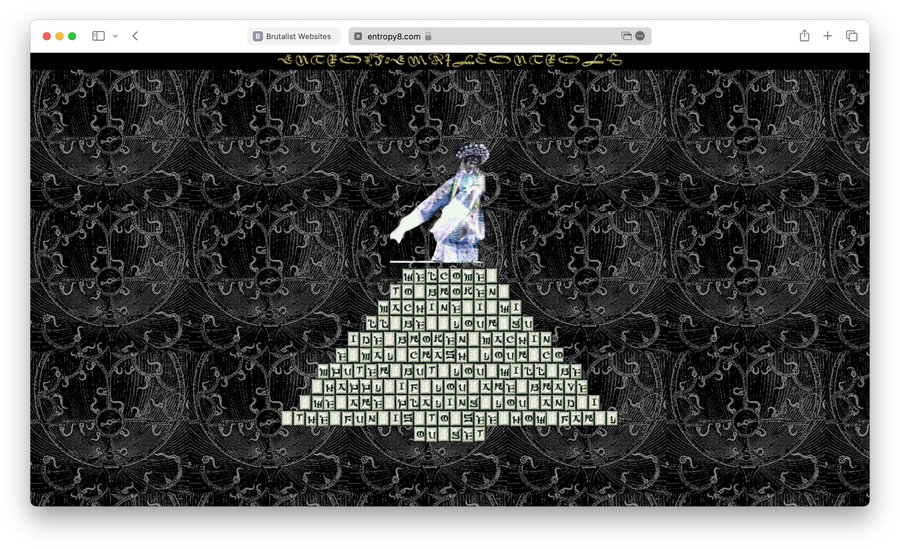
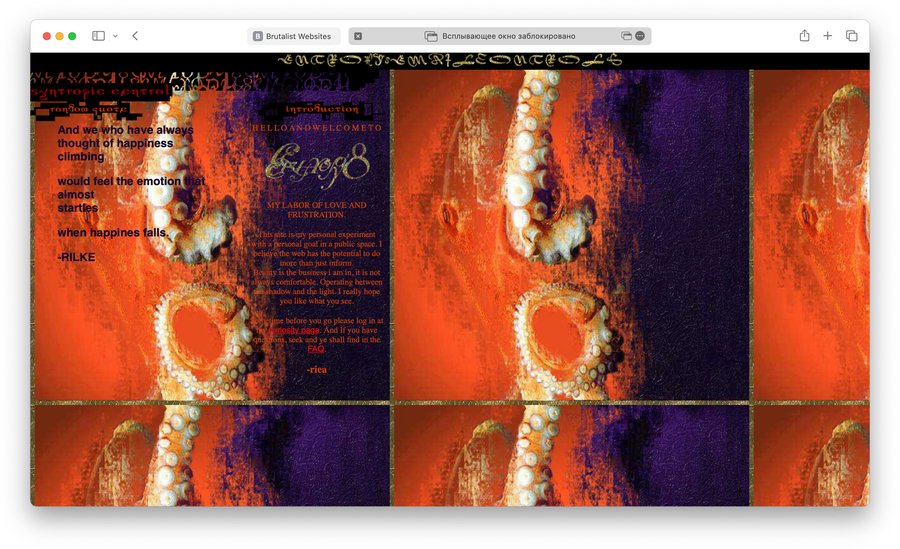
Conclusion