Concept
Cinema does not always construct a narrative through the direct depiction of events and characters. Sometimes, what remains outside the frame plays a vital role: empty spaces, hidden objects, reflections, and items bearing the traces of an absent person. The viewer does not see the source of anxiety itself, but its visual manifestations, allowing them to reconstruct what is happening independently. Thus, absence becomes a full-fledged tool of visual storytelling.
The relevance of this topic lies in the fact that tension in film can be created not only through the depiction of action but also through the limitation of visual information. An empty interior, a closed door, a reflection in a mirror, or an object related to an absent character can generate a sense of hidden presence. This research examines how composition, space, and framing organization influence the viewer’s perception, allowing for the creation of an unsettling atmosphere without directly depicting its source.
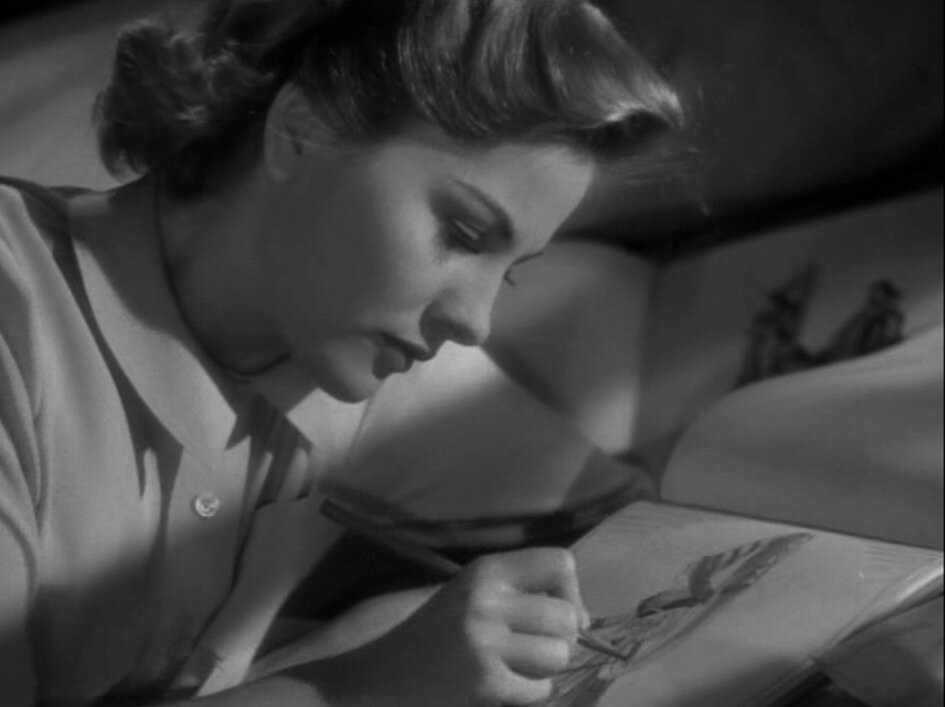
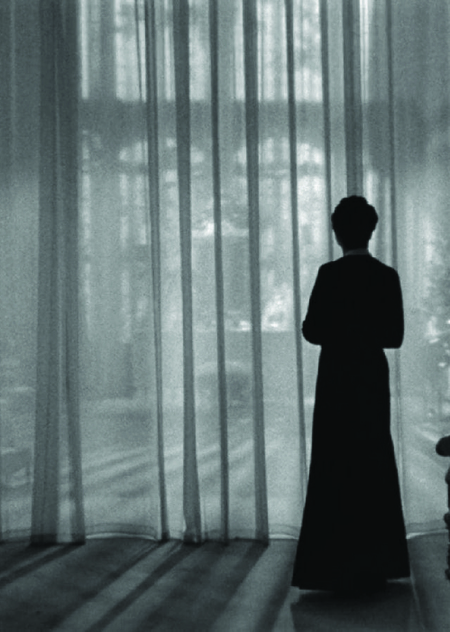
«Rebecca» (1940), Alfred Hitchcock
The choice of topic is driven by an interest in the dark, psychologically intense aesthetic of cinema, where visual form becomes an independent mode of storytelling. The films selected for analysis include Stanley Kubrick’s The Shining (1980), Michael Haneke’s Hidden (2005), Kurosawa’s Cure (1997), Oliver Assayas’s Personal Shopper (2016), and Alfred Hitchcock’s Rebecca (1940). Despite differences in plot and artistic approach, all these films utilize the absence or incompleteness of an image as a vital element of visual narrative.
The material is selected based on the presence of scenes where a character, event, or source of threat is not depicted directly, but whose presence is felt through the visual organization of space. The analysis considers frame composition, spatial depth, character placement, perspective, reflections, the material environment, and the image boundaries. Special attention is paid to how interiors and personal belongings retain visual traces of an absent character, which is particularly noticeable in the film Rebecca.
The structure of the research is built from an analysis of negative space toward more complex forms of visual presence. The first chapter, «Emptiness as Event, ” is dedicated to the absence of a character and the role of free space. The second, „Beyond the Frame, ” examines hidden objects and the limitation of the viewer’s field of vision. The third, „Traces of Presence, ” analyzes objects, interiors, and visual signs of the absent human. The fourth, „The Effect of Observation, ” focuses on the camera’s point of view, distance, and shooting through obstructions. The fifth chapter, „Distortion of the Visible, ” explores reflections, unusual perspective, and compositional ambiguity.
Textual sources are selected based on their connection to film theory, visual storytelling, image semiotics, and the principles of cinematic framing. Priority is given to scholarly publications and monographs that help explain the role of space, composition, and visual imagery in forming meaning.
«Shining» (1980), Stanley Kubrick
Key research question: How does cinematography create a sense of hidden presence and threat without directly showing its source?
The research hypothesis is that the deliberate limitation of visual information intensifies the film’s impact: negative space, frame boundaries, reflections, object remnants, and camera perspective prompt the viewer to construct the events independently. Because of this, an absent object or character can remain significant to the narrative, even if it never appears on screen.
Emptiness as an event
Empty space in cinema can become an independent narrative element. The absence of characters, symmetry, repetitive motifs, and extended perspective allow for the creation of a sense of anticipation and hidden presence. This technique is particularly pronounced in Stanley Kubrick’s The Shining (1980) and Alfred Hitchcock’s Rebecca (1940), where space does not merely surround the characters but becomes an essential component of the film’s visual identity.
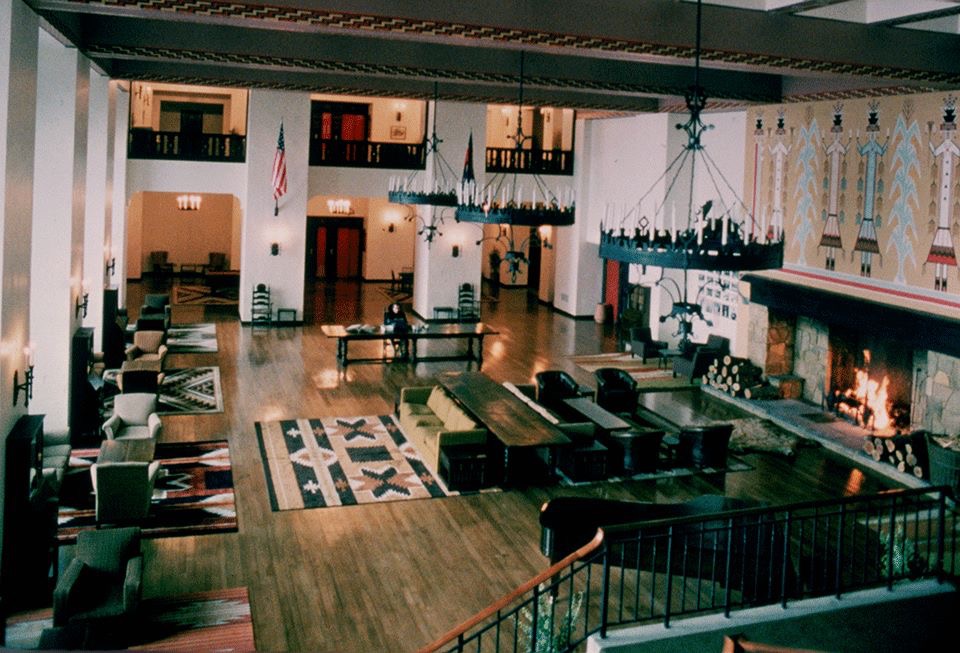
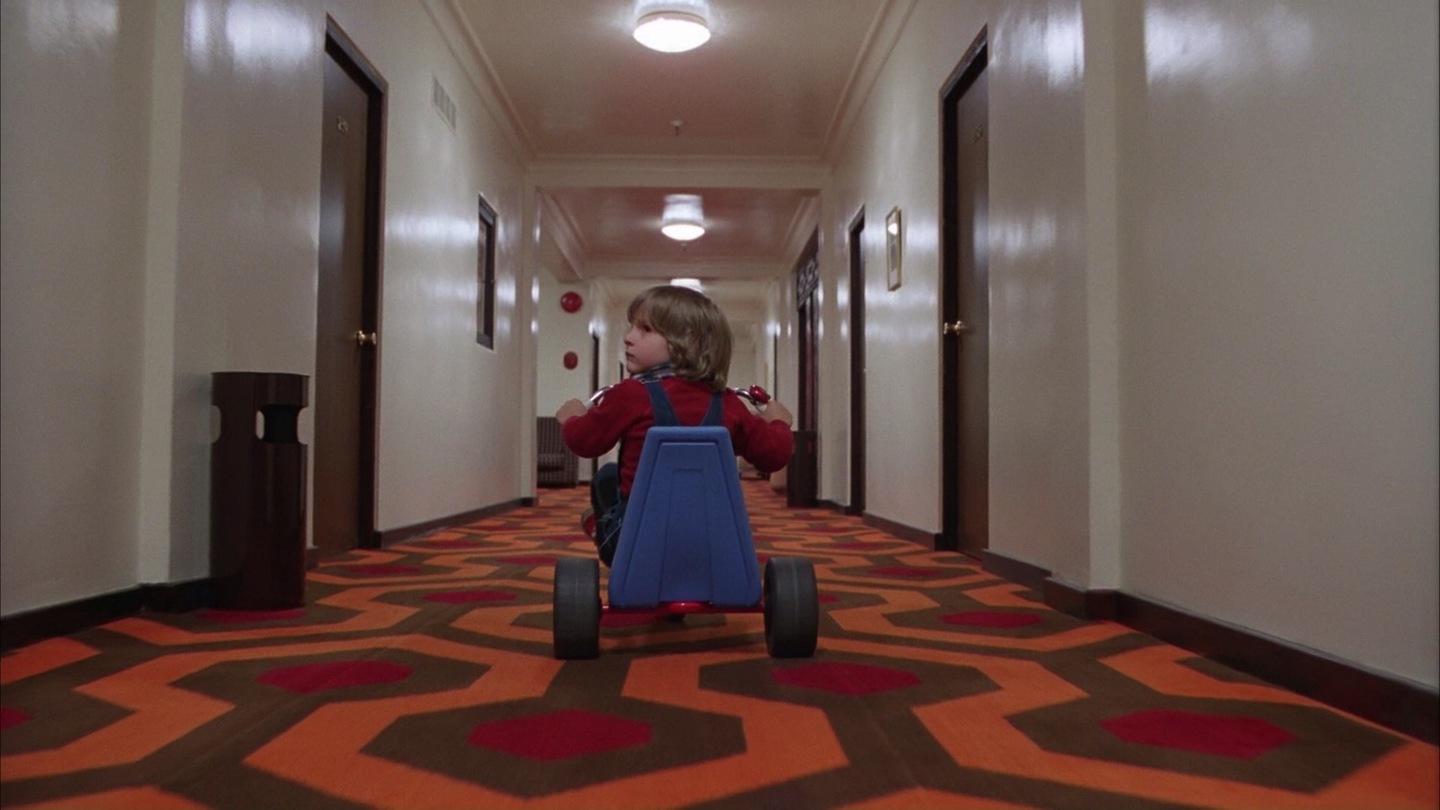
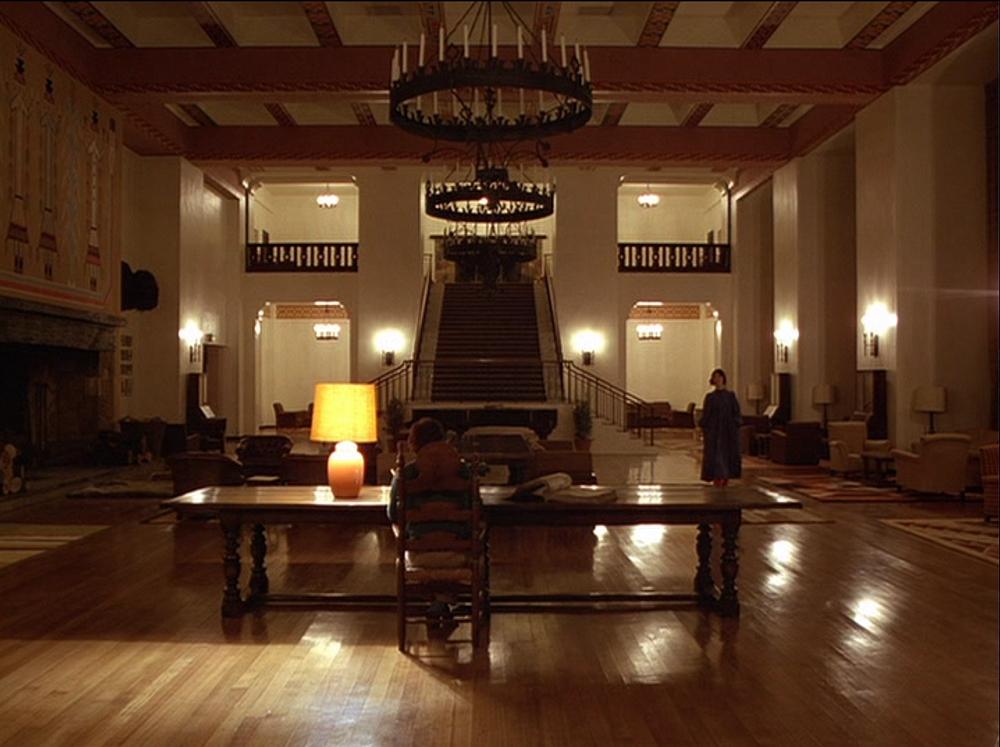
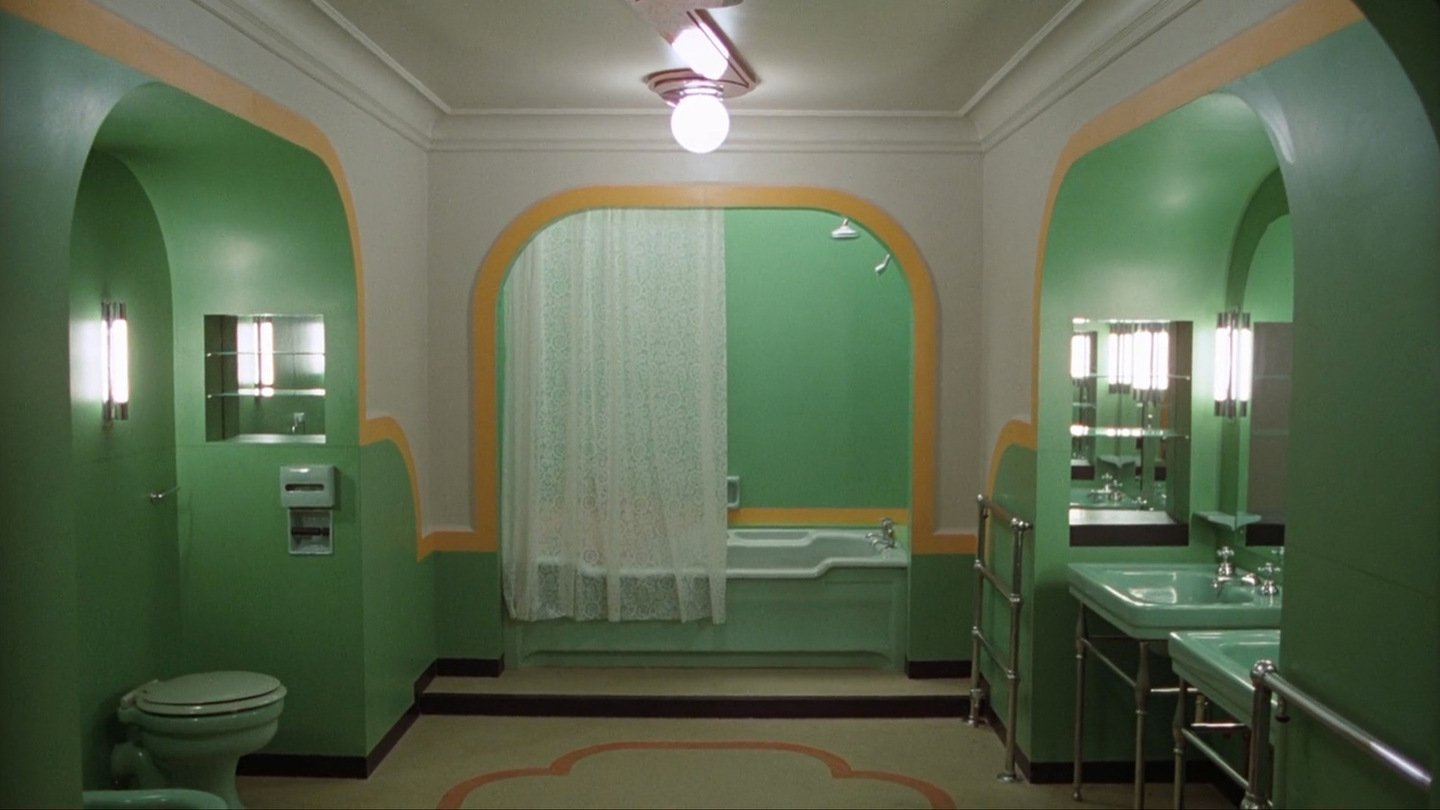
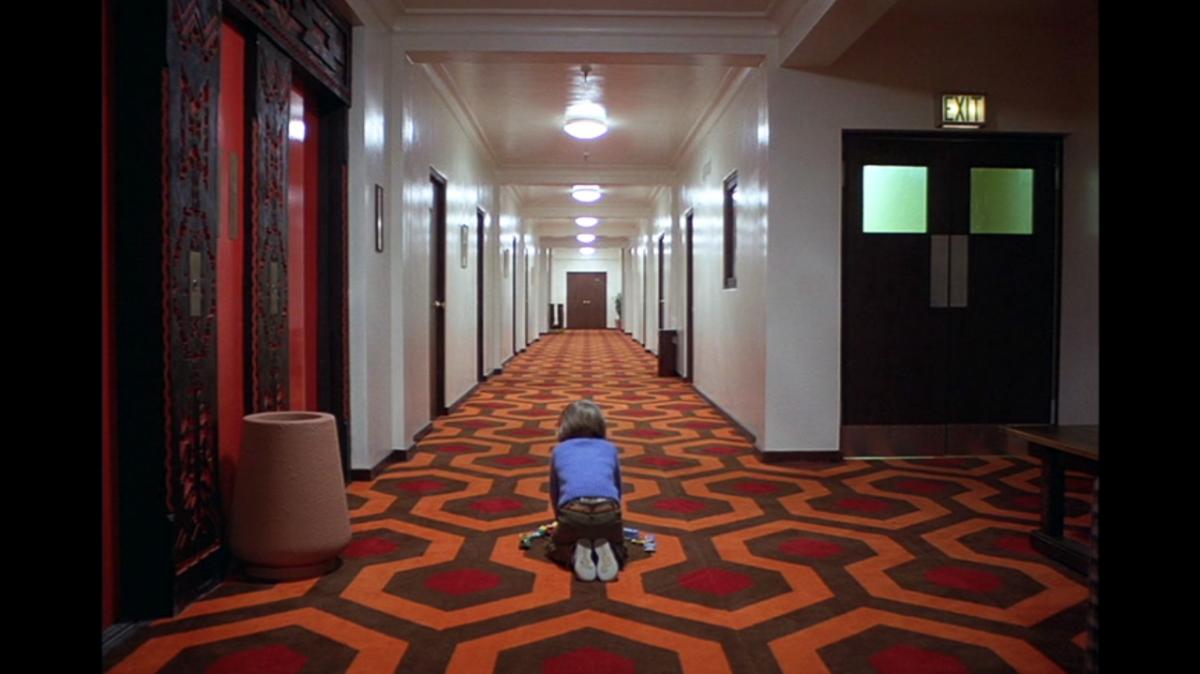
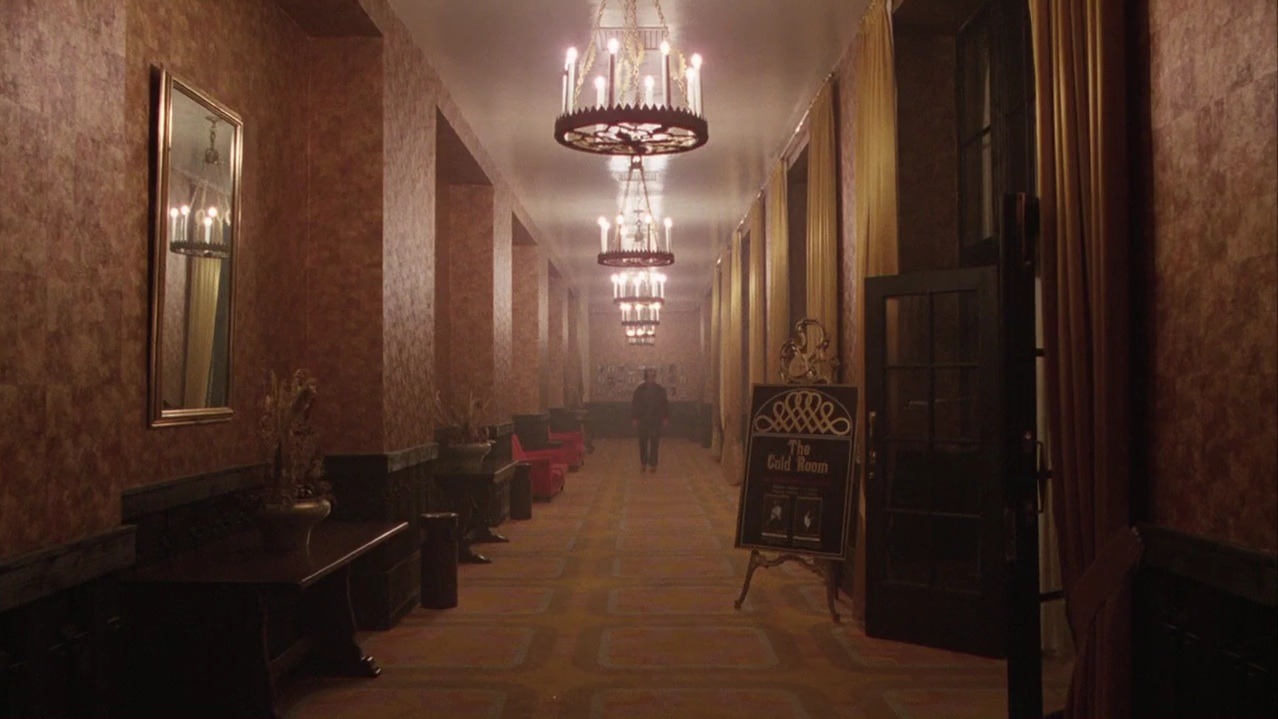
«Shining» (1980), Stanley Kubrick
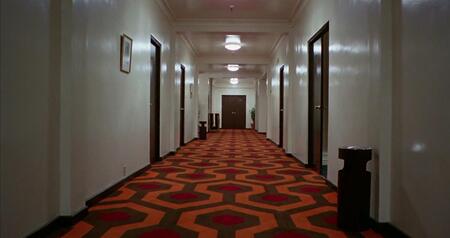
In «The Shining,» the Overlook hotel is presented as a space that gradually begins to feel like a character unto itself. Kubrick utilizes interior architecture to craft a visual sense of isolation and psychological pressure. Long corridors, repetitive doorways, geometric carpet patterns, and symmetrical compositions form a rigid system where virtually no details appear arbitrary.
Scenes featuring the camera observing empty hotel hallways are particularly characteristic. Central perspective draws the viewer’s gaze deep into the frame, while the repetition of identical elements creates a sense of infinite space. Yet, the audience is not always clear on where the corridor leads or what lies beyond it. The emptiness begins to register not as a lack of action, but as an anticipation of something appearing in the frame at any moment.
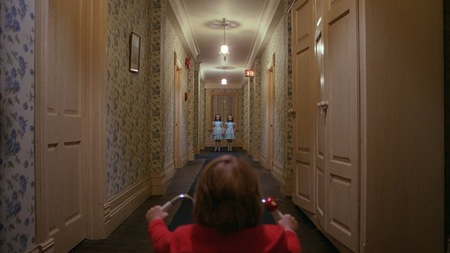
The scene where Denny rides his tricycle through the hotel hallways is striking. The low camera angle brings the viewer into the perspective of a child, while the alternation between carpeted and wooden floors creates a visual rhythm. The camera maintains symmetry and guides the eye down the corridor, emphasizing its length. Denny’s figure appears small against the backdrop of the grand architecture, heightening the sense of human vulnerability within the space.
The absence of other characters plays a crucial role as well. When the camera fixes on the empty interior, the viewer begins to examine the image more closely, searching for changes or possible figures in the depth of the frame. Kubrick exploits this perceptual characteristic, transforming ordinary hotel spaces into a source of constant anticipation.
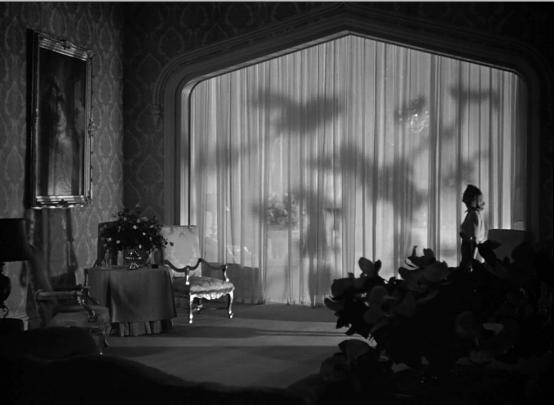
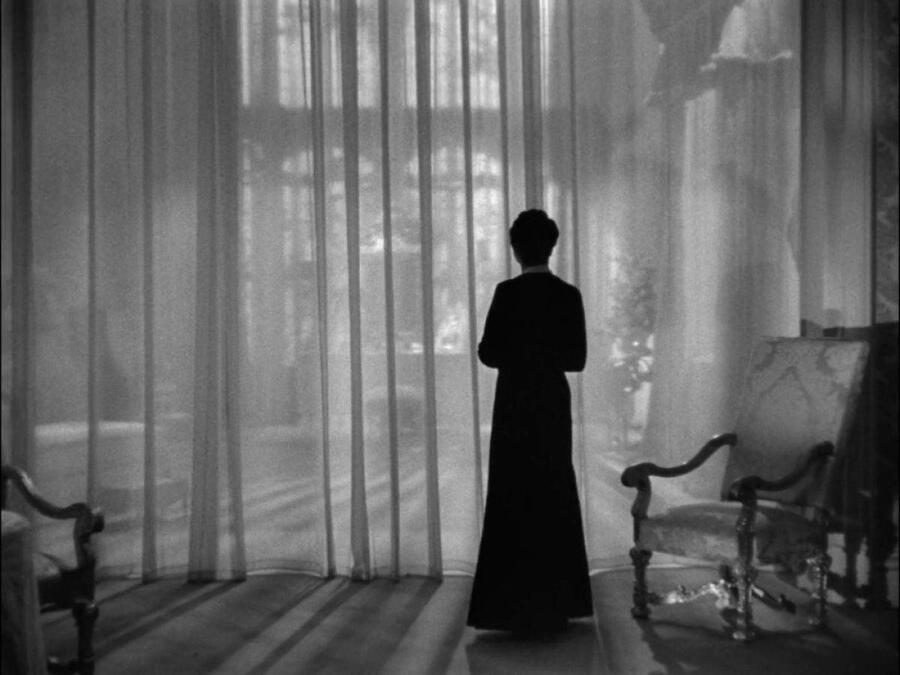
«Rebecca» (1940), Alfred Hitchcock
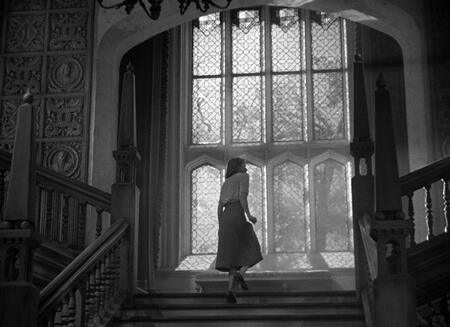
In Rebecca, the Manderley setting is linked to the protagonist, a character who is physically absent from the present-day narrative but continues to define the lives of the other characters. Hitchcock reveals her image not through direct depiction, but through the interiors, objects, and environmental details. The house becomes a peculiar visual reflection of the past, a past that does not disappear even after Rebecca’s death.
Scenes in rooms associated with Rebecca are particularly significant. Her bedroom maintains its former order: the furniture, clothing, personal belongings, and other details create the feeling that the hostess has only left the room for a short time. The camera focuses on these objects, allowing them to serve as visual testimony to the absent person. The viewer comes to know Rebecca through the space, even though the heroine herself remains outside of the action.
The image of Mrs. Danvers is especially noteworthy; she maintains the room’s former arrangement and treats Rebecca’s possessions with particular care. Her presence in the interior underscores the contrast between the present and the past. The composition of shots featuring Mrs. Danvers and Rebecca’s belongings creates a sense that the space still belongs to the absent mistress, leaving the new Mrs. de Winter feeling like an outsider within it.
Unlike «The Glow,» where emptiness is primarily shaped through scale, geometry, and perspective, in «Rebecca» it takes on a personal character. Here, absence is filled with objects and visual traces of the human presence. The interior does not appear truly vacant, but rather the preserved details serve as a reminder of those who are no longer there.
In both films, space becomes a means of conveying what is not depicted directly. However, Kubrick uses architecture, symmetry, and repetition to create a sense of uncertainty and isolation, whereas Hitchcock connects the absence of a character with specific objects and interiors. In The Shining, the void compels the viewer to anticipate the appearance of the unknown, while in Rebecca, it fosters the feeling of someone’s presence who can no longer appear. Thus, empty space can serve different functions: building tension through anticipation or sustaining the image of an absent character through the surrounding environment. In both cases, it ceases to be a neutral backdrop and becomes an active participant in the visual narrative.
Beyond the Frame
Visual storytelling is not limited to what is captured directly in the frame. Sometimes, important information is deliberately left outside those boundaries: the viewer sees only a portion of the space, a fragment of an object, or a character’s reaction to something they cannot see. This compositional approach creates ambiguity and compels the audience to imagine what is happening beyond the visible area. This technique is particularly evident in Michael Haneke’s film Hidden (2005) and Akira Kurosawa’s Cuire (1997).
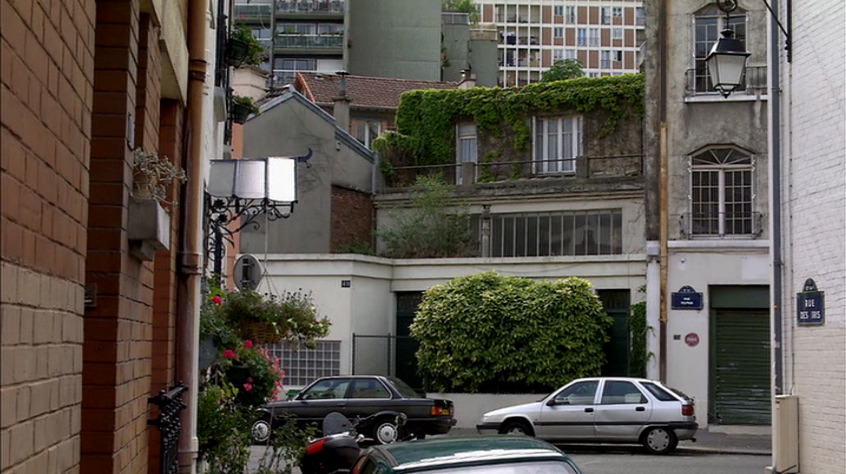
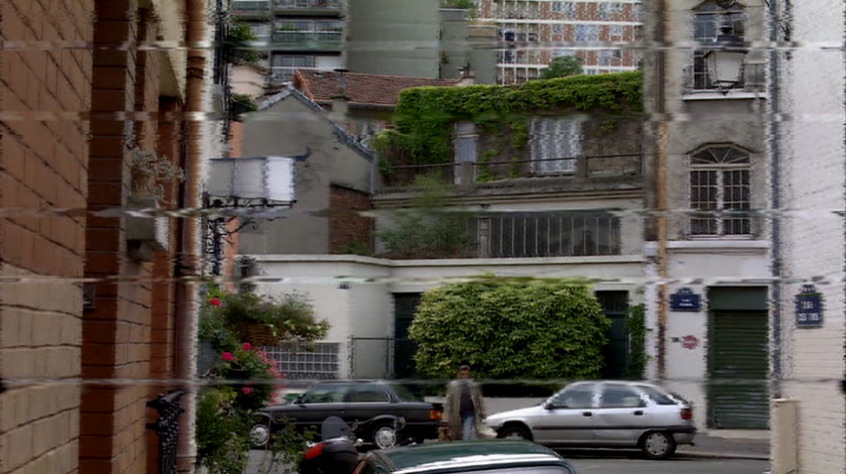
«Hidden» (2005), Michael Haneke
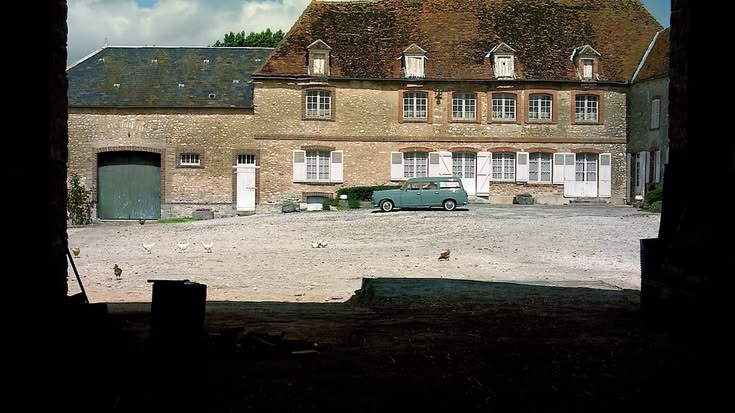
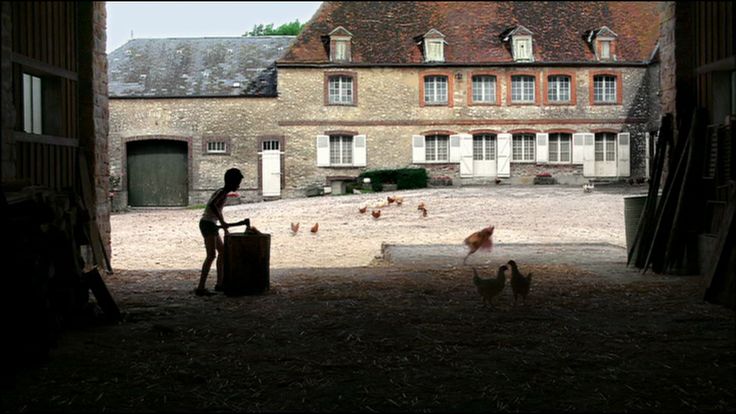
«The Hidden» (2005), Michael Haneke
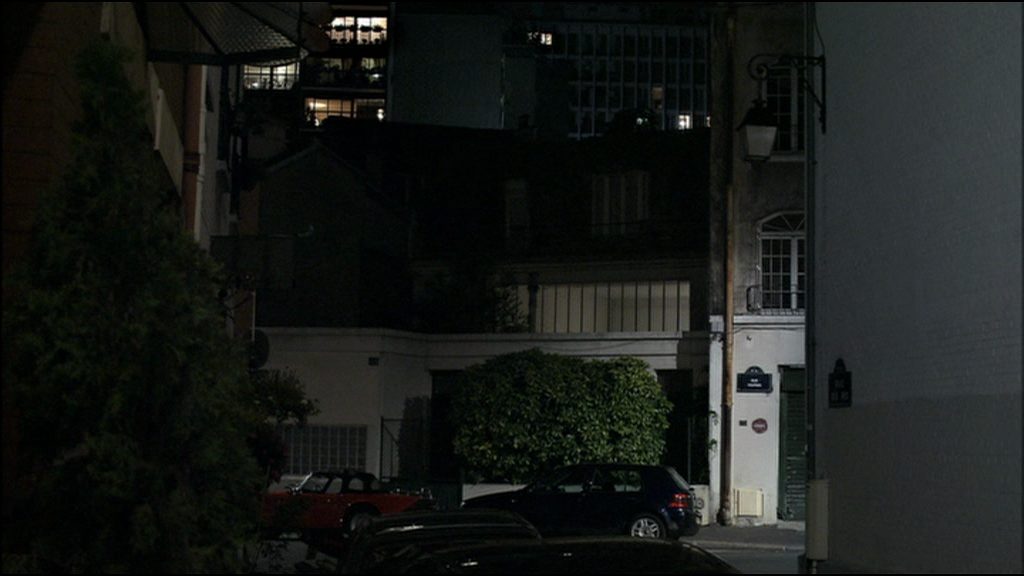
«The Hidden» (2005), Michael Haneke
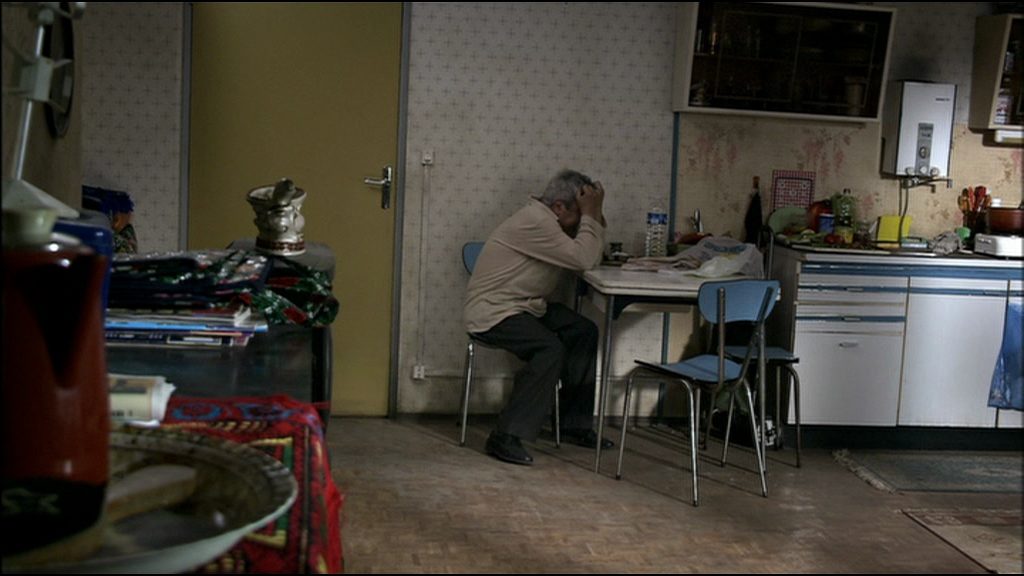
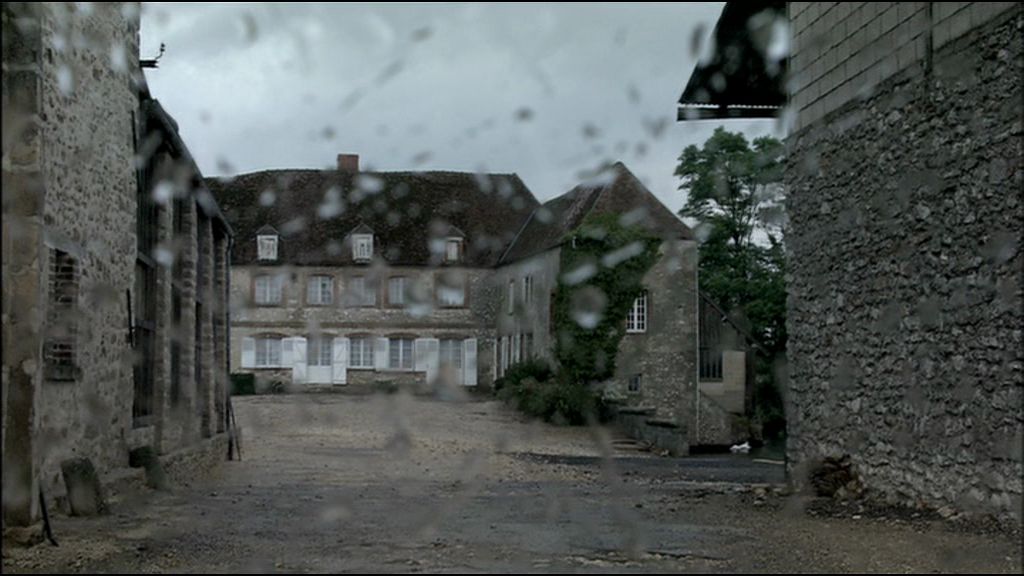
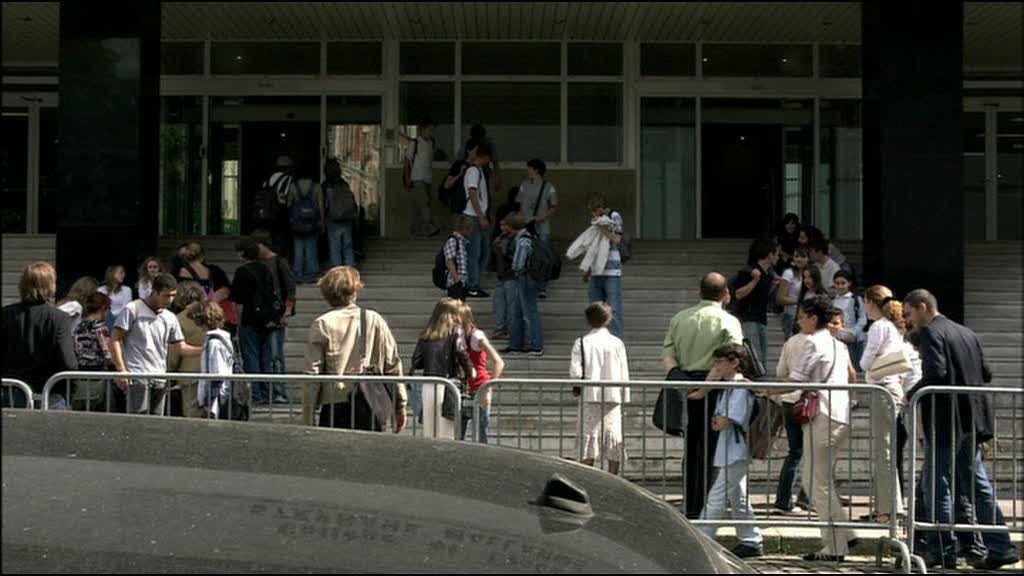
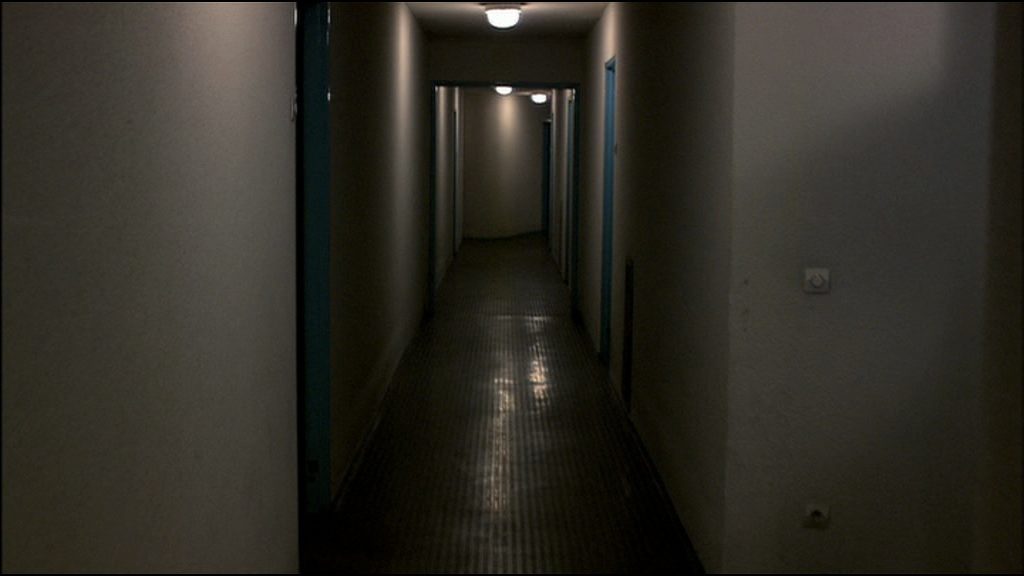
In «The Hidden,» Michael Haneke employs the frame’s boundaries to build tension. The film begins with a prolonged, static shot of a street and a house facade, revealed to be footage captured by an unknown observer. The static camera does not highlight specific objects but captures the entire space, leaving the viewer the agency to discover important details independently.
Subsequently, the director utilizes distant shots and a limited point of view: characters are often far from the camera or partially obscured. The scenes involving viewing videotapes are particularly expressive, as the image within the film becomes a separate narrative layer. The viewer, alongside the characters, attempts to uncover the source of the surveillance but receives no definitive answer.
Thus, the unknown observer remains outside the frame, and their presence is revealed through the very act of filming itself.
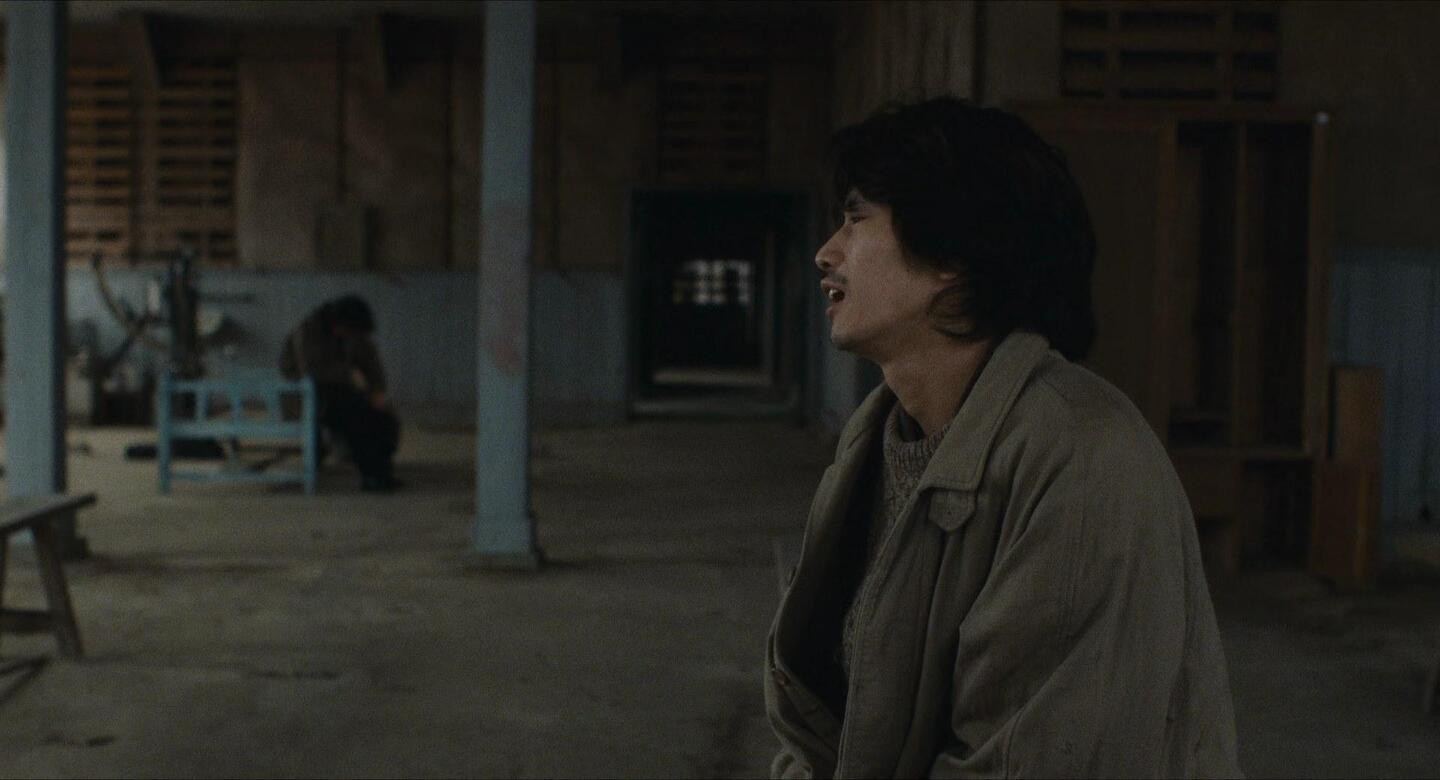
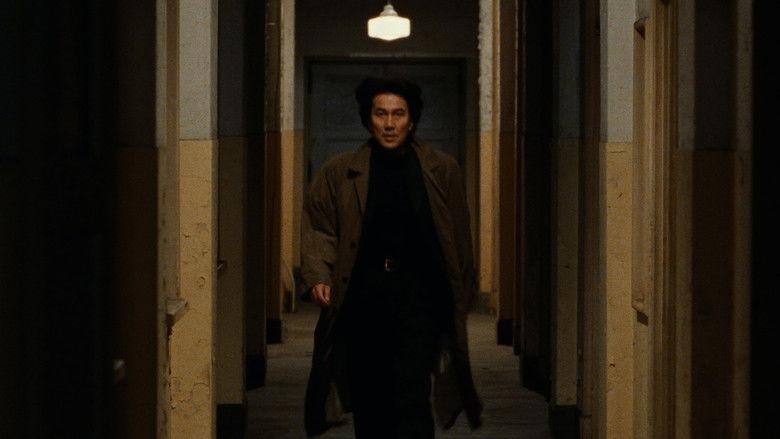
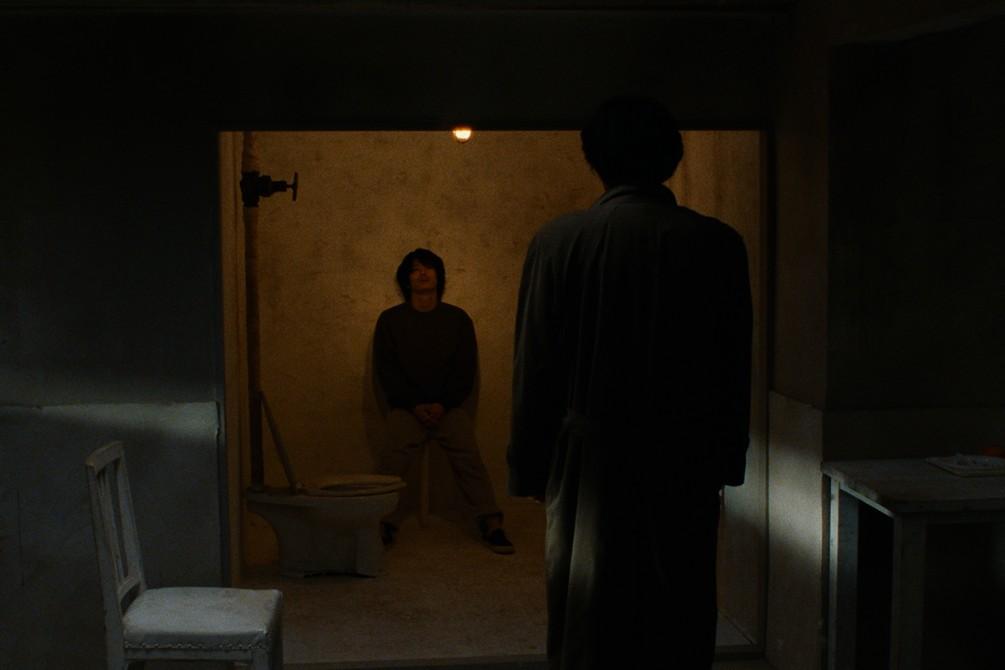
«Cure» (1997), Kiyoshi Kurosawa
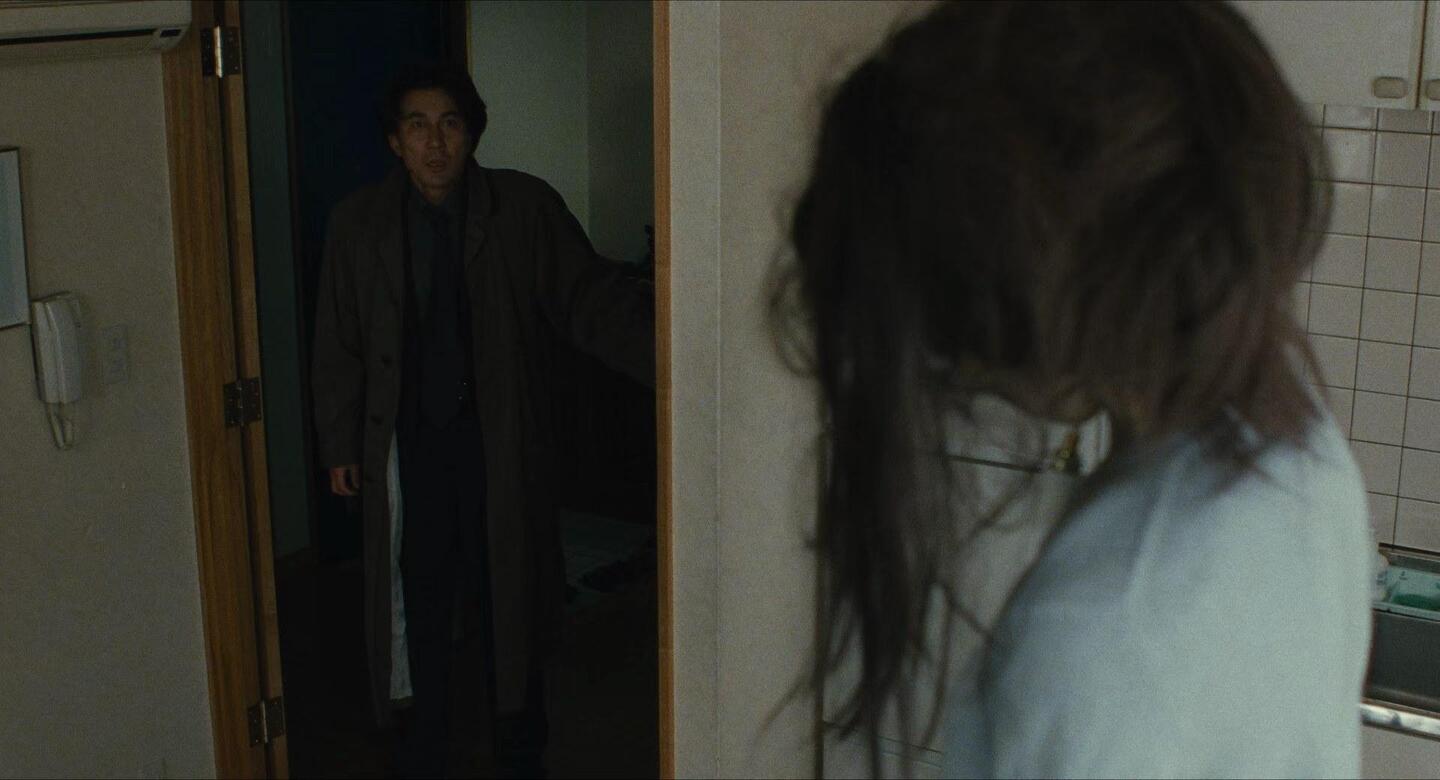
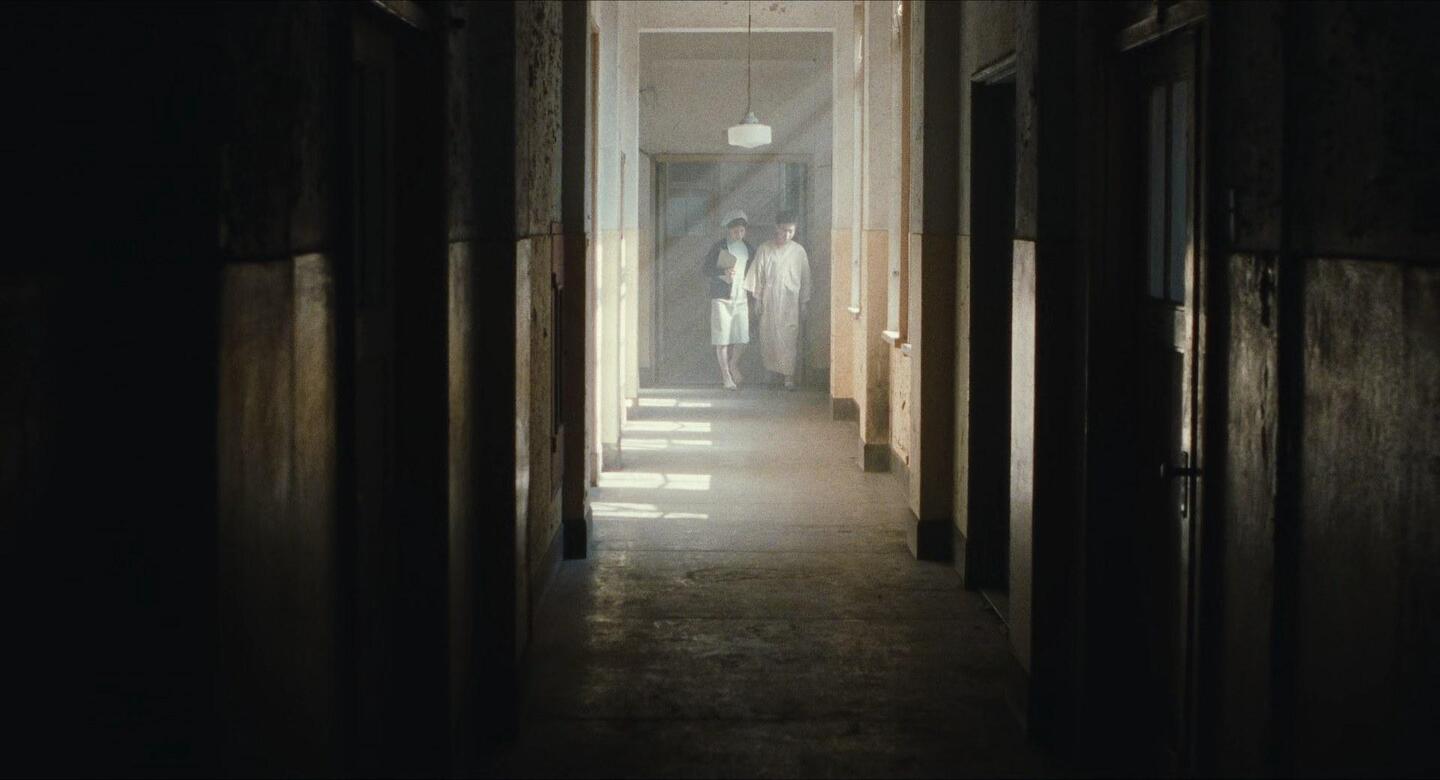
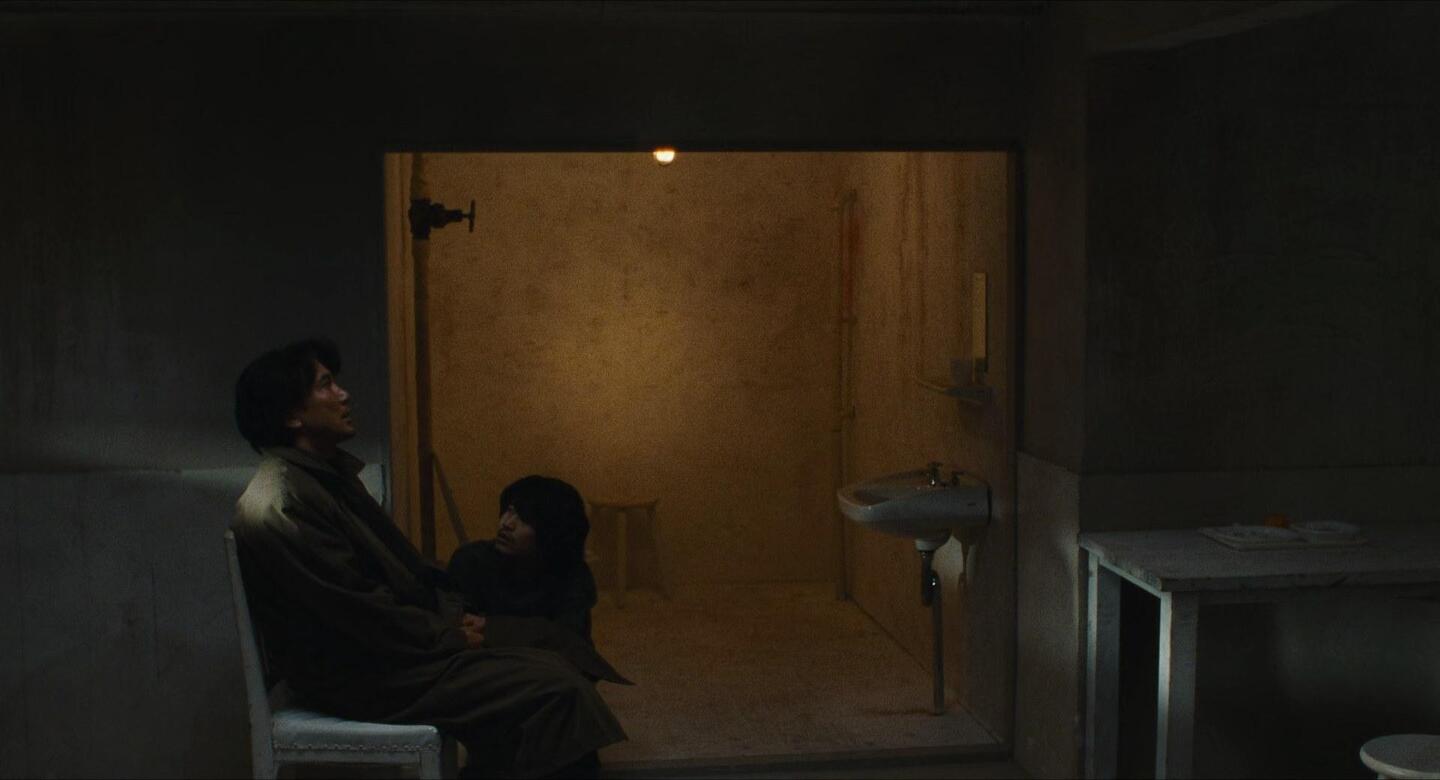
In «Quar,» Kiyoshi Kurosawa utilizes off-screen space to generate a feeling of hidden threat. The camera frequently captures empty rooms, corridors, and interiors, leaving portions of the space outside the frame. Scenes featuring the interrogations of Takabe and Miyam are particularly indicative. The characters are shown at a distance, and the empty space between them intensifies the sense of alienation. Doorways and room boundaries divide the shot into visible and concealed areas. Figures are often placed deep within or on the periphery of the image, drawing the viewer’s attention toward the surrounding environment.
Unlike «Hidden,» where uncertainty is tied to observation, Kurosawa creates it through composition and the limited scope of the viewer’s sight. The source of the threat remains undefined, forcing the viewer to independently search for it outside the frame.
Presence Traces