I MAKE GAMES HAPPEN
LET’S GET ACQUAINTED!
Hi! I’m Svetlana Nozdracheva, a Game Producer and Project Manager with four years of experience working on game projects. I’ve worked on everything from small independent games to larger projects with teams of up to 20 people. My experience covers team management, development planning, business plans, funding applications, and game promotion.I also create pitch decks and present games at festivals and industry events. Having experience in game design helps me understand both the creative and production sides of game development.WHY WORK WITH ME?
Game development can feel like herding cats: everyone has different tasks, ideas, and priorities. Teams change, deadlines get closer, and plans don’t always work out. My job is to bring people together, find solutions, set priorities, and keep the project moving forward. Here are three projects that show how I do it.
PETALFALL
Team Lead
Team: 9 members
Development: 10 months
Engine: Unity
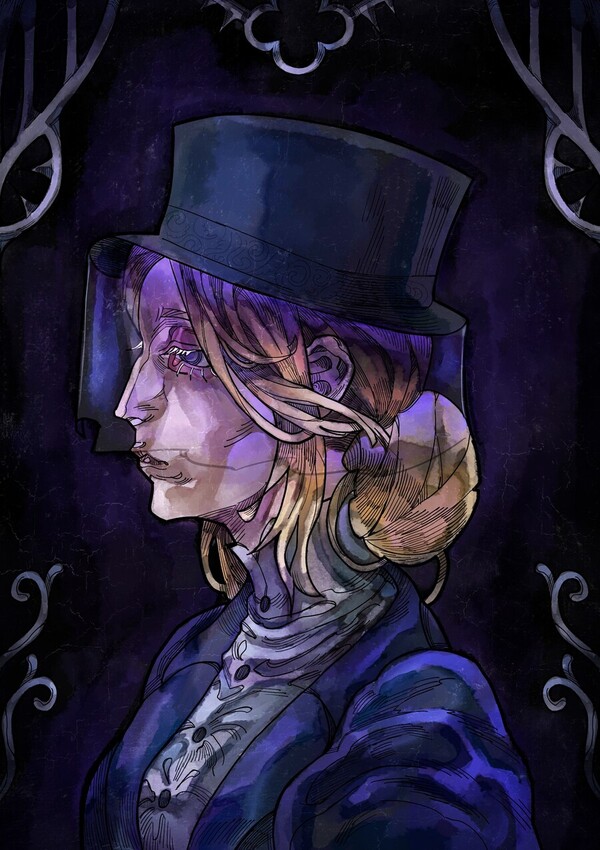
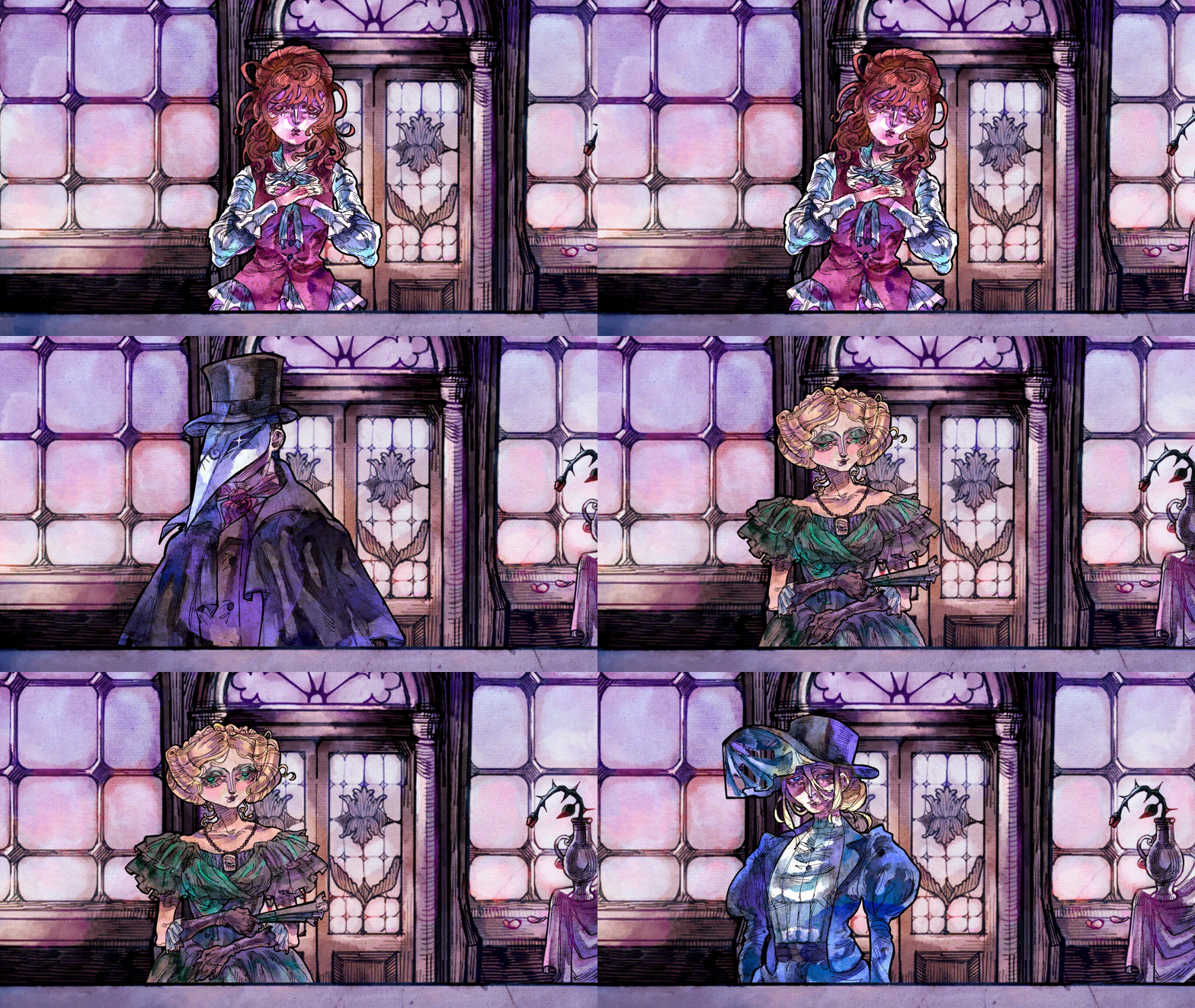
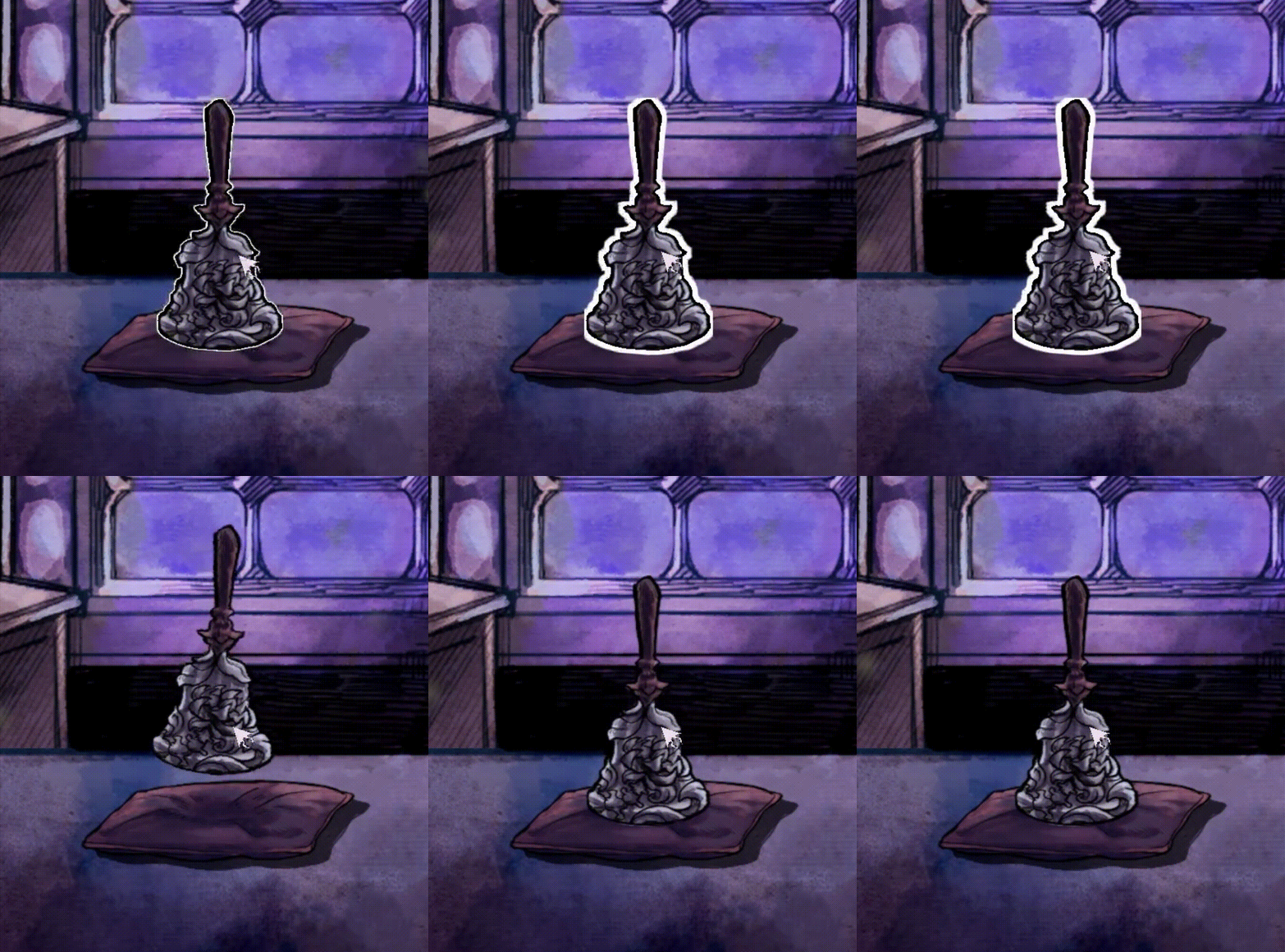
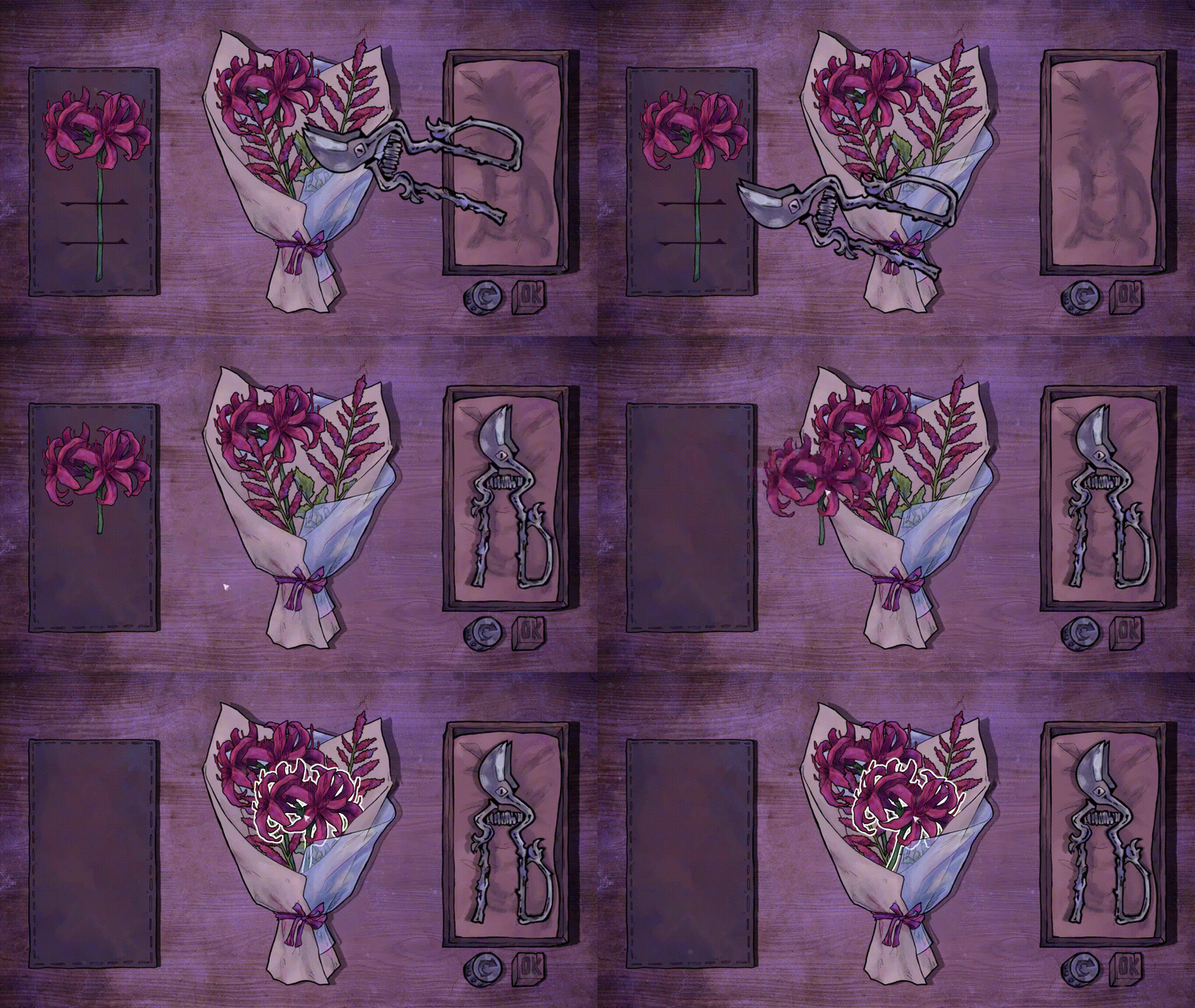
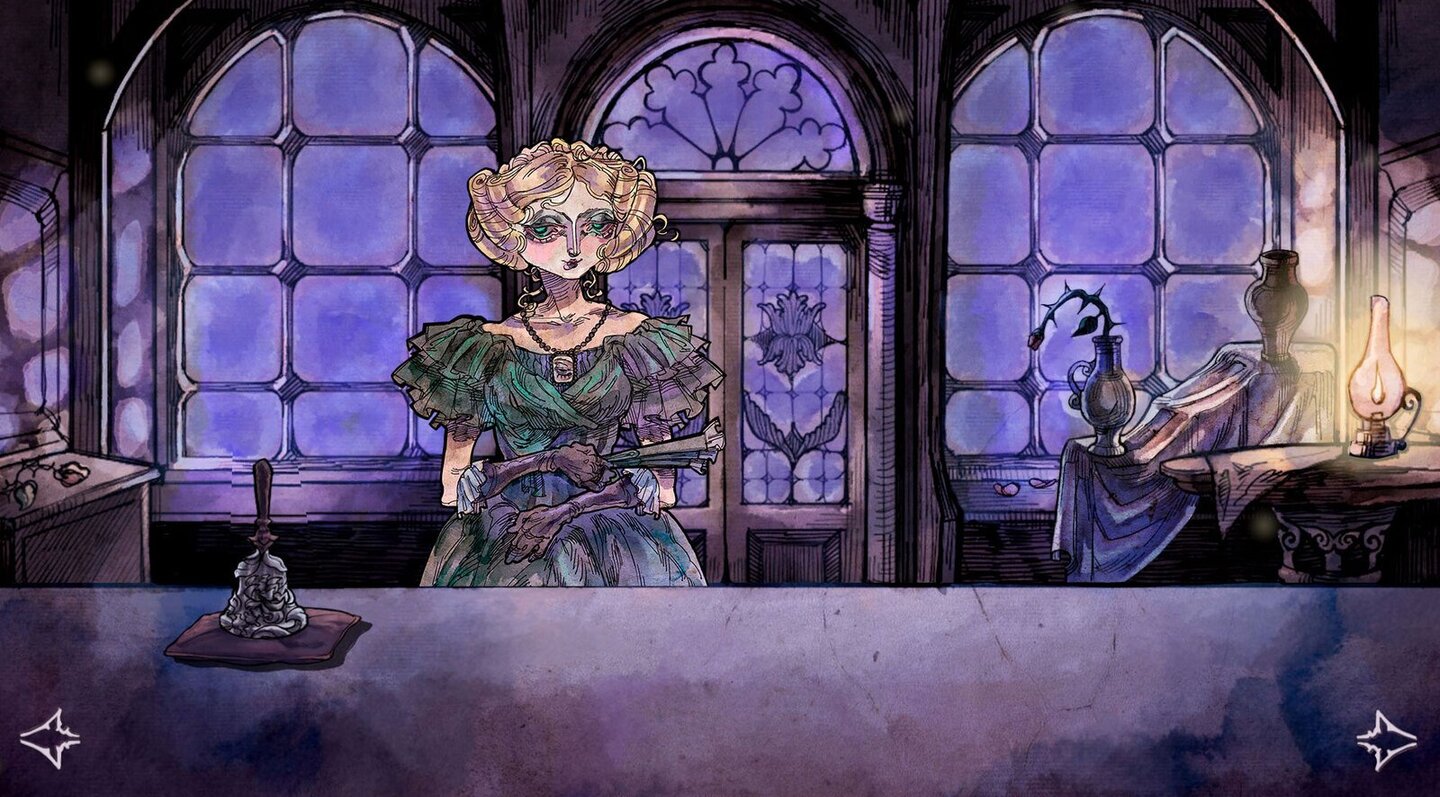
Outcome: 30-minute playable prototype, showcased at the Horizon of Indie Cultures Festival (2026).Petalfall is a dark narrative 2D florist simulator set in a Victorian greenhouse. You inherit both the greenhouse and a terrible curse that changes your appearance. The flowers you grow are not just beautiful — they are dangerous. What starts as a cozy experience slowly turns into something unsettling.
MY ROLE
My main responsibilities were managing the team, planning development, and keeping the game’s creative vision clear. We worked in two-week sprints using YouGile. Tasks were assigned based on each person’s skills, and I reviewed the team’s work to make sure the gameplay, story, and visuals worked well together.
CHALLENGE
HOW DO YOU TURN A BIG IDEA INTO A PLAYABLE GAME?
KEY DECISIONS
Finding the right people instead of compromising the project
We chose Unity for our 2D game, but most of the team only knew Unreal Engine. We had a clear idea for the game, but no Unity developers to build it. Instead of changing our technical approach, I recruited two Unity programmers who stayed throughout development.Cutting what didn’t work
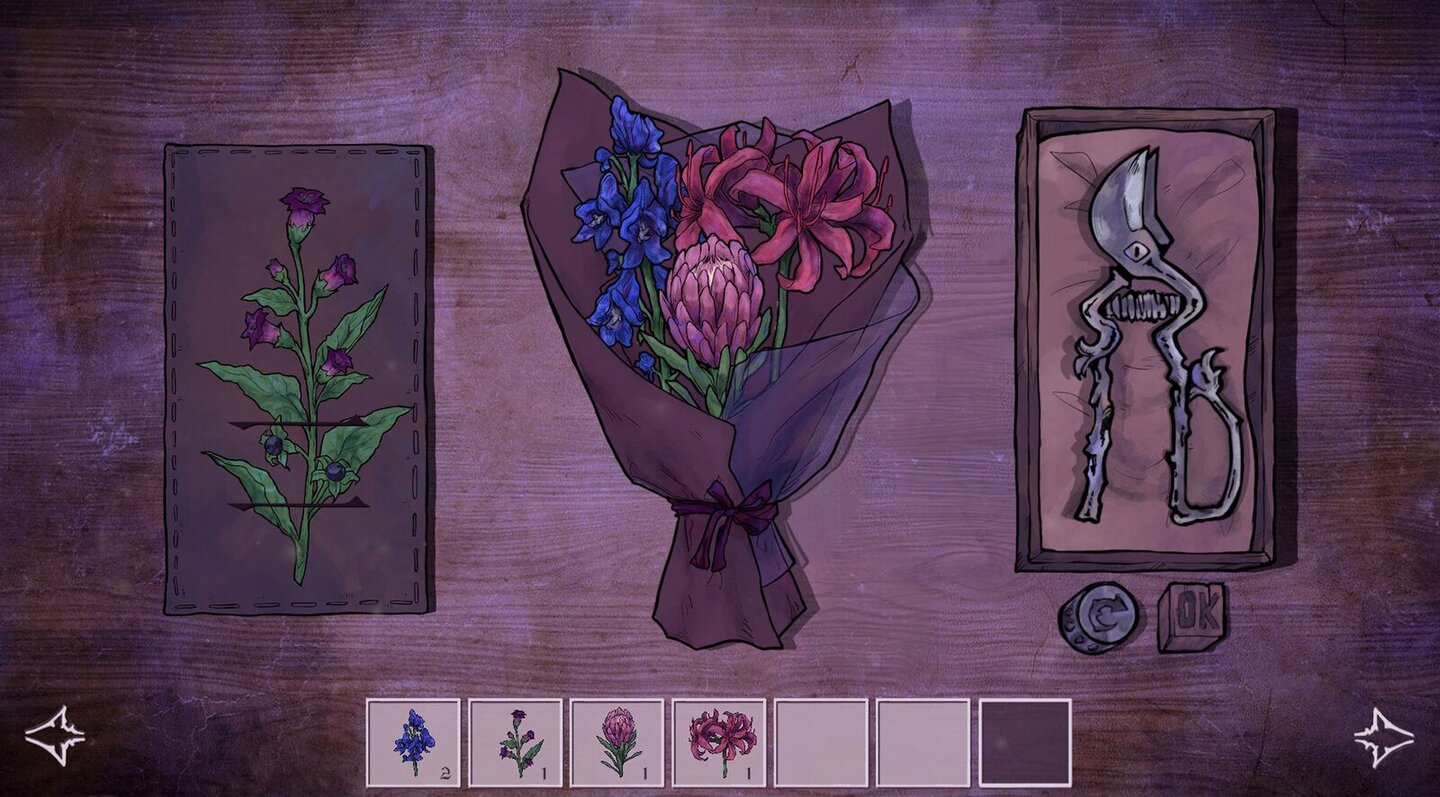
Petalfall originally had two extra systems: money and flower growing. But playtests showed that neither made the game more interesting. The money system didn’t fit the core gameplay, while planting and growing flowers felt slow and repetitive. The most interesting part was creating bouquets, where players could be creative and customize their designs. We had already spent time building these systems, but I decided to remove both and focus on bouquet making.Defending the creative vision
Our supervisor suggested adding mathematical puzzles to make the game more challenging. But Petalfall wasn’t about solving equations. It was about immersing players in an unsettling story hidden inside a cozy world. I argued against the change because it would distract from the experience our audience valued. We kept the gameplay focused on atmosphere and narrative rather than unnecessary complexity.
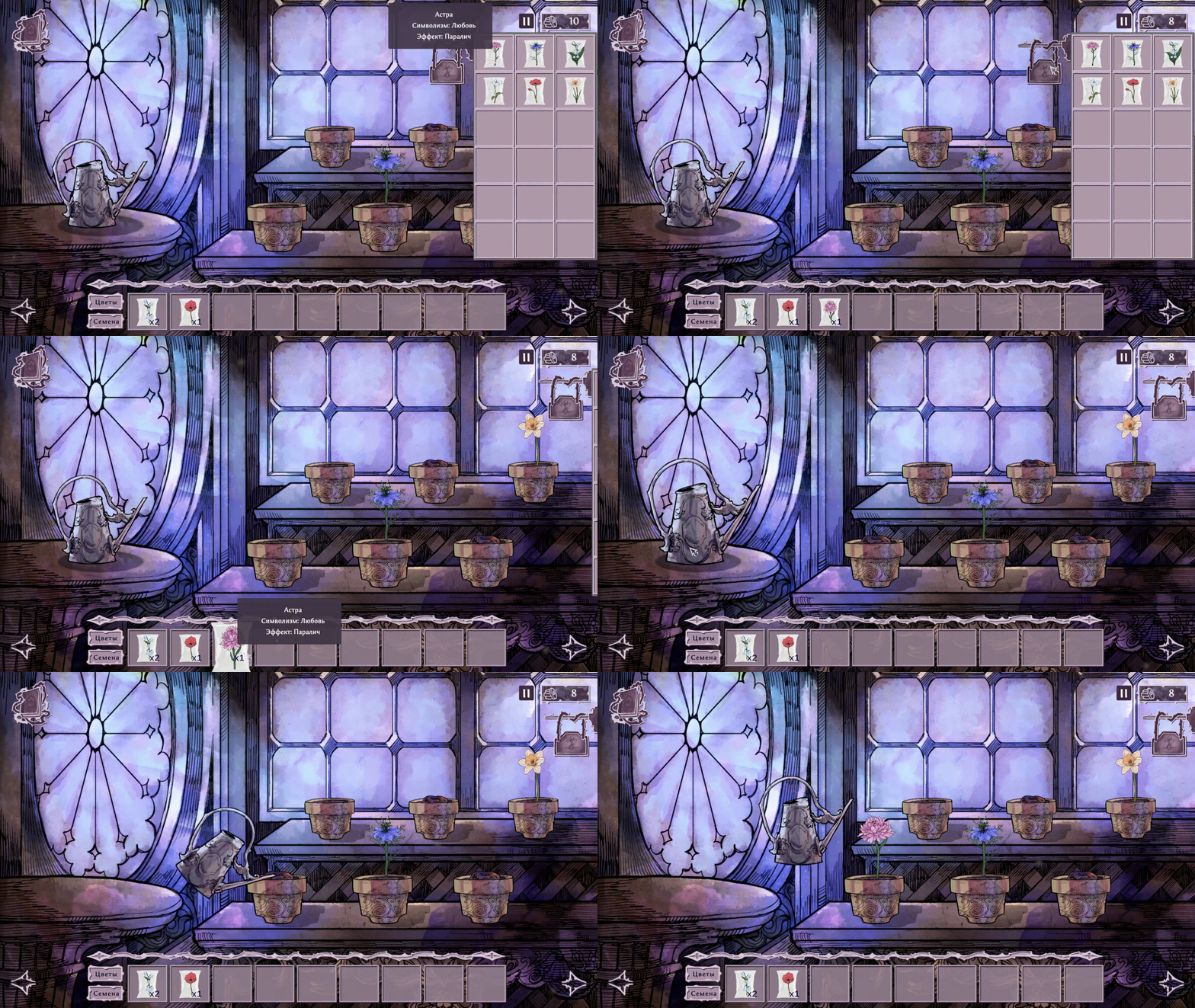
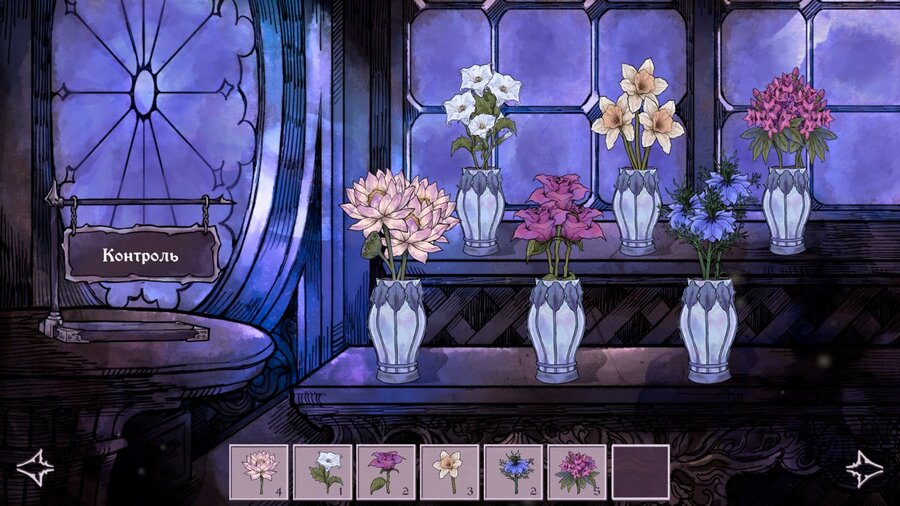
Before & after: removing the money and flower-growing systems
ARE YOU REALLY A PRODUCER?
Game Production

Team: 2 members
Development: 5 months
Format: Board game for 3–6 players, ages 12+
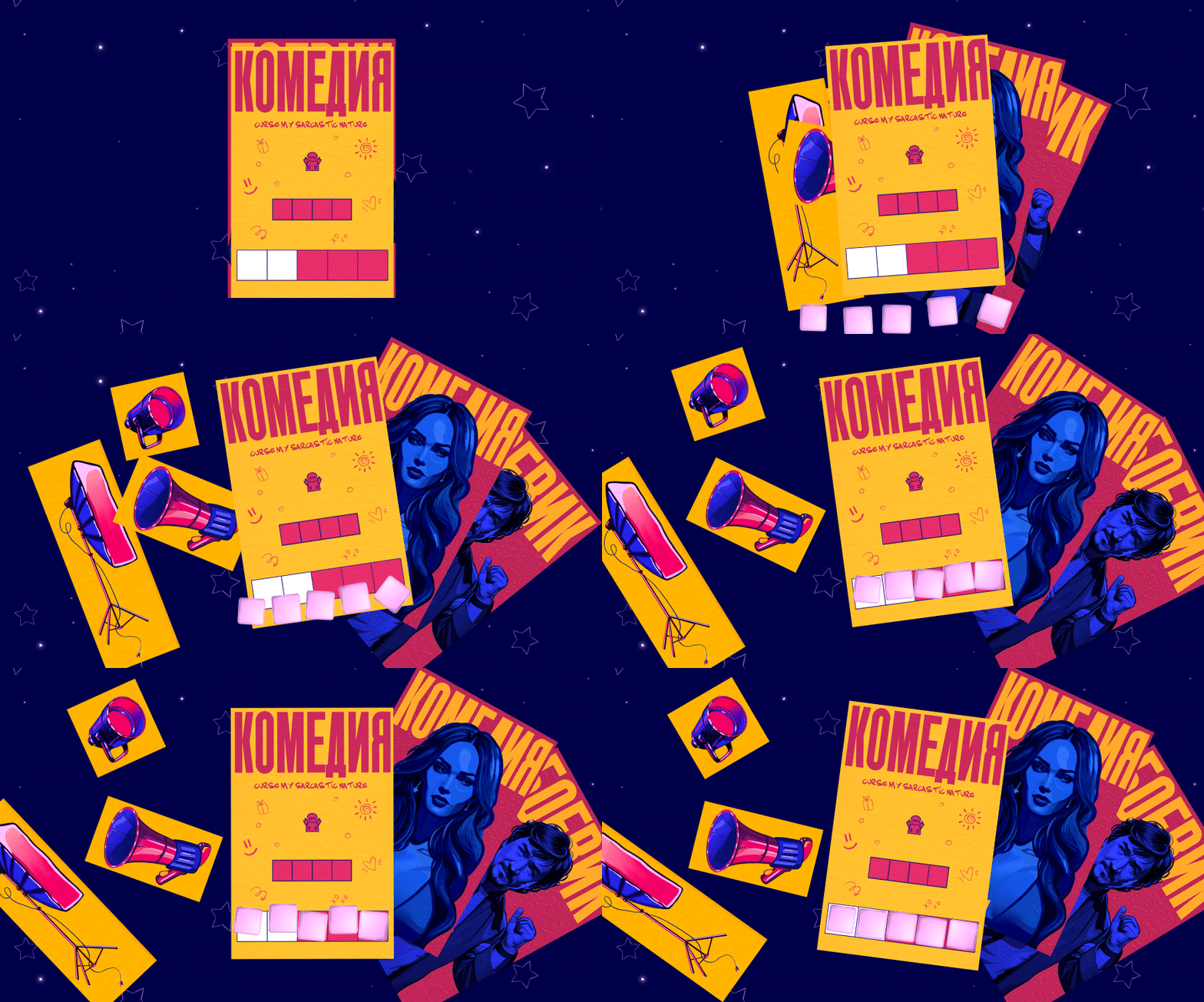
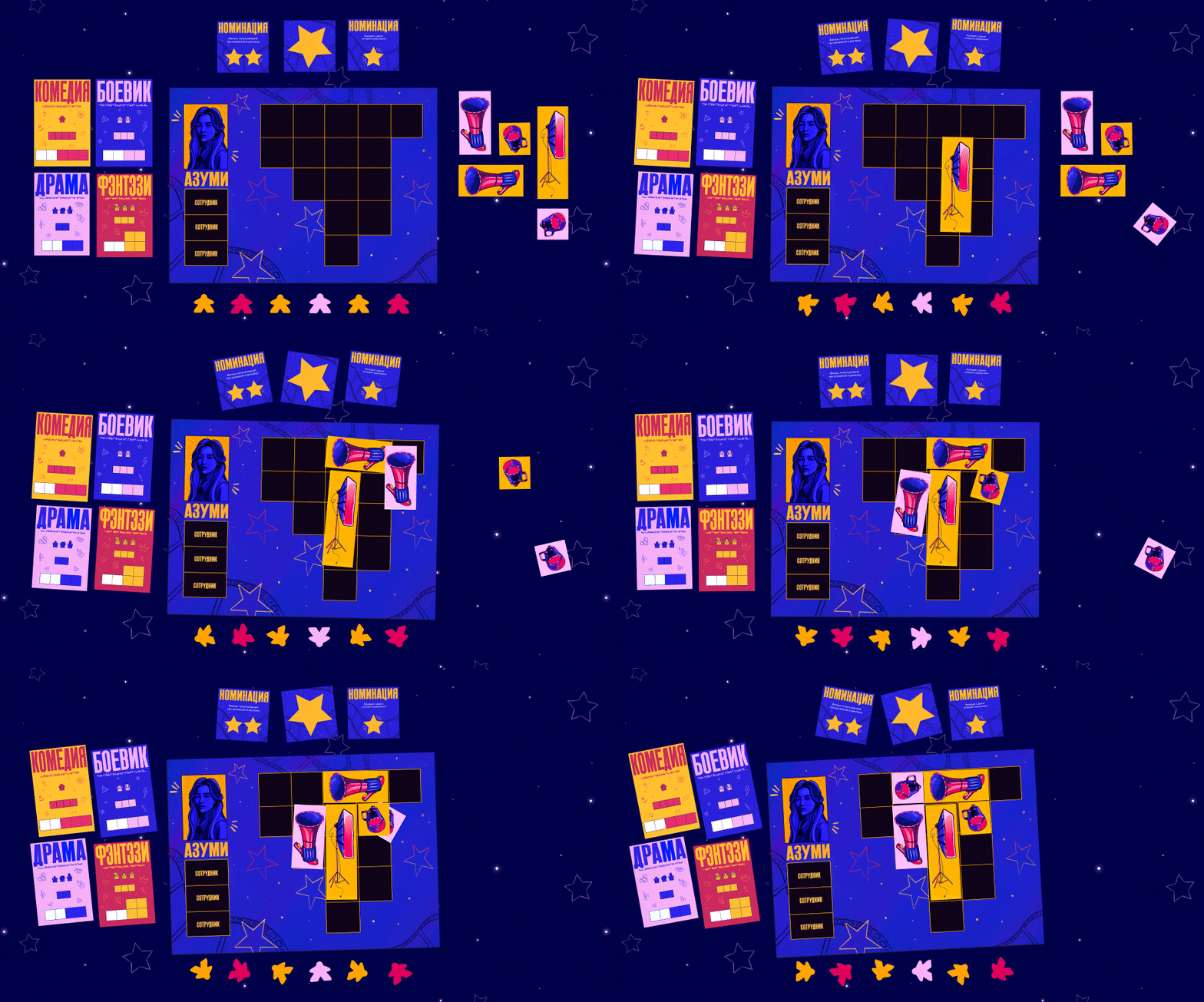
Achievements: winner of HSE CREATIVE OPEN’26, finalist of Board Game FutureAre You Really a Producer? is a competitive board game where players run their own film studios, hire actors, produce movies, and compete for prestigious awards.
MY ROLE
Together with my teammate, I worked on the game’s concept, mechanics, and rules. I created a communication brief, that covered target audience research, competitor analysis, product positioning, promotion channels, budget, and KPIs. This research helped me choose the right festivals and decide how to present the game to players and potential investors.
CHALLENGE
HOW DO YOU FIND AN AUDIENCE FOR A NEW GAME?
KEY DECISIONS
Defining who we were creating the game forWe had a finished board game, but nobody outside the university knew about it. To take the project further, we needed to reach not only players but also potential partners.In my communication brief, I identified three target audiences:
• Film Enthusiasts (ages 25–30)
• Creative Young Adults (ages 18–23)
• Publishers & InvestorsTaking the game beyond university
Based on my audience research, I chose suitable festivals and submitted applications. We presented the game at three events, including Granicon in St. Petersburg.At these festivals, I engaged directly with the audiences identified in my communication brief: explaining the rules, running gameplay demonstrations, presenting the project to potential investors, and collecting feedback.
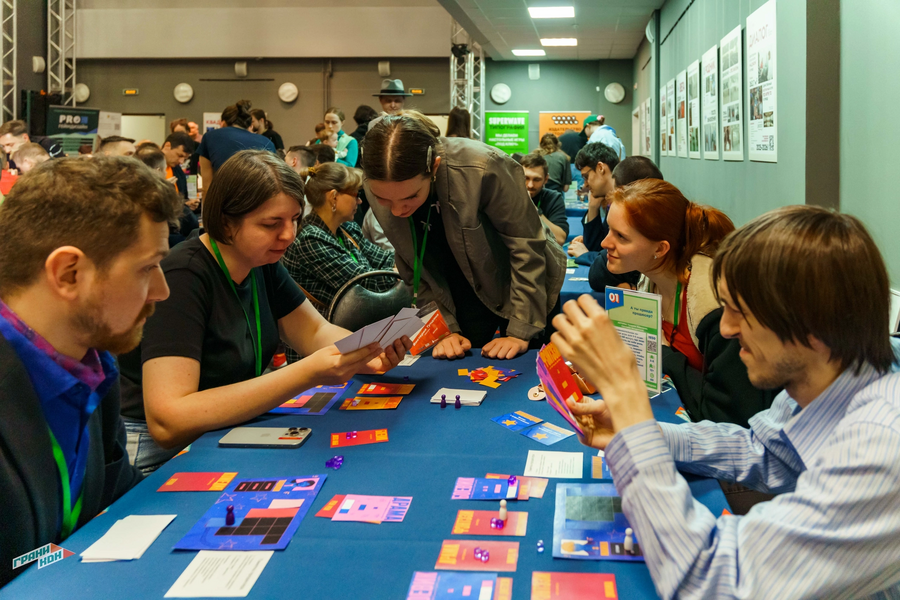
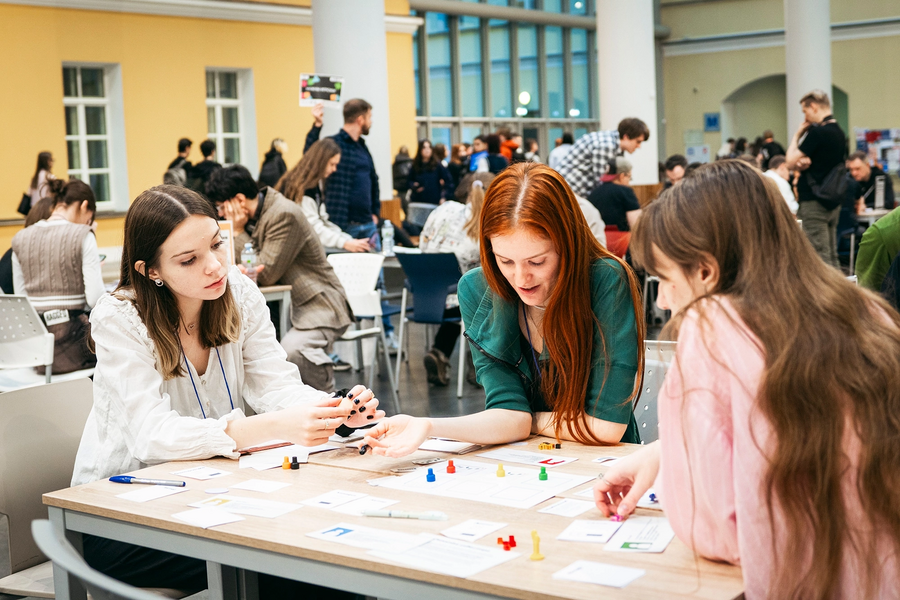
What started as an unknown university project became a board game showcased at three festivals. We became finalists of Board Game Future and won HSE CREATIVE OPEN’26 in the Board Game Design category.
VENETS KNYAGINI
Game Producer
Team: 15 members
Genre: Historical strategy with management and adventure elements
In development: Spring 2026 — Present
Achievements: Secured a grant for a historical research expedition; pitched the game at Connect Art MarketVenets Knyagini (The Princess’s Crown) is a historical video game about Princess Olga and the rise of Ancient Rus'. Players take on the role of her trusted advisor, making decisions that shape the future of the emerging state.
MY ROLE
As Game Producer, I coordinate a 15-person team, manage development, and keep the project on track. To improve coordination between departments, I set up Weeek, organized tasks by priority, and started regular meetings with team leads. So far, 185 tasks have been completed.