Introduction
A film promotion campaign is more than just a collection of trailers, posters, and interviews. It is a system of visual and communicative signals that gradually builds anticipation, sets an emotional tone, and helps the viewer decide why the film is worth seeing specifically in a movie theater.
This study examines the promotion of Christopher Nolan’s film, Odeyssey, which was released globally on July 17, 2026. The campaign combined exclusive access to special materials, an emphasis on the IMAX format, the director’s recognizable personal brand, a star-studded cast, public appearances by the actors, and large-scale urban installations.
The central question: How did visual imagery and marketing mechanics influence audience attention, emotions, and behavior—from initial interest to ticket purchase?Hypothesis. The campaign succeeded not only because of Nolan’s fame and the cast. It carefully dosed the information, transformed every new piece of material into an event, and linked the film viewing to a unique experience—primarily, the IMAX big screen.
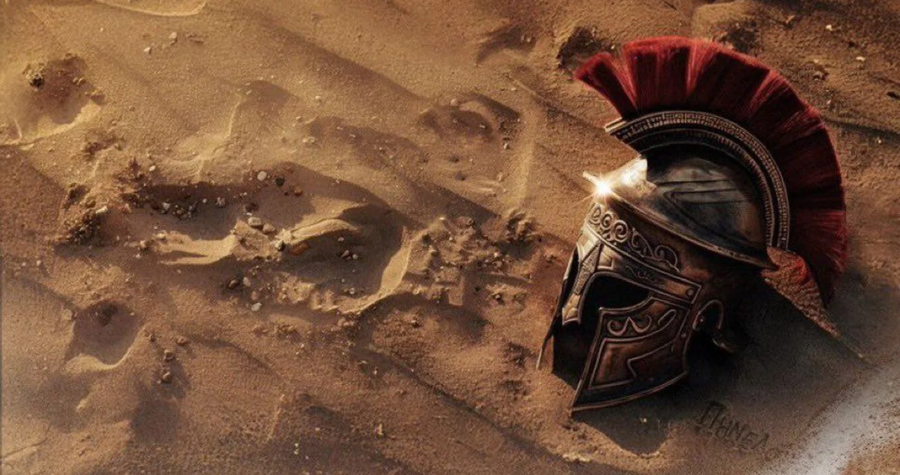
Excerpt from the Odyssey poster. Helmet on the sand (2026)
Contents
- Introduction
- Context
- Promotion Stages
- Campaign Visual Language
- Out-of-Home Advertising: The Trojan Horse
- Public Image of Actors and Fashion Media
- Perception Psychology: Three Levels of the Psyche
- Psychological Mechanisms of Marketing
- Conclusions
- Sources
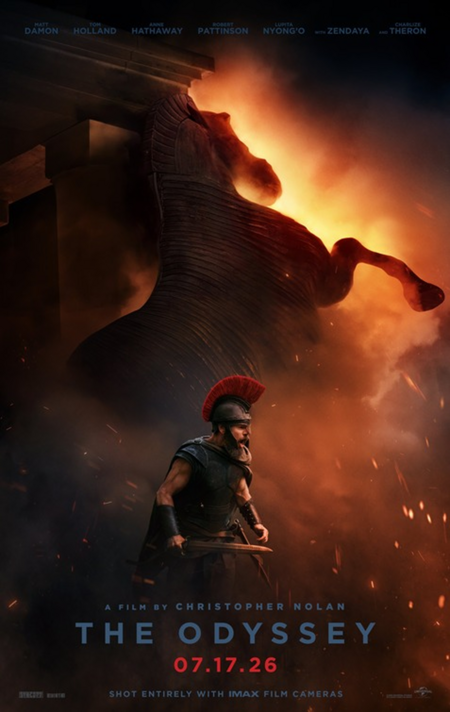
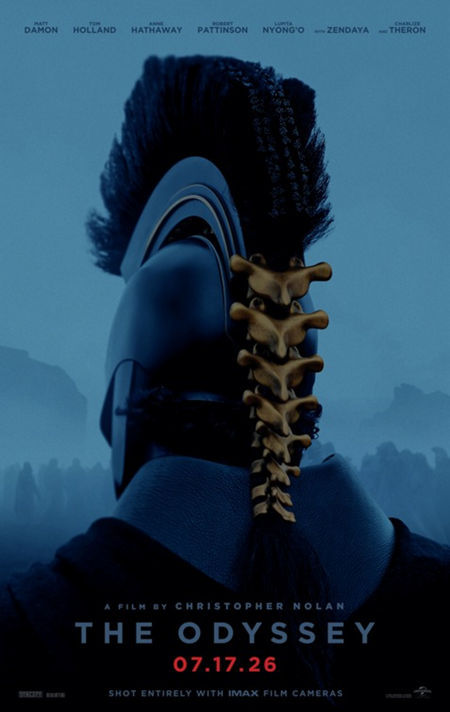
Official posters for the film Odyssey (2026)
Context
«Odeyssey» became Christopher Nolan’s next major project after «Oppenheimer.» A crucial part of the positioning was not just the plot, based on the ancient Greek epic, but also the viewing experience: Universal emphasized that the film was shot entirely on IMAX film cameras. This technical detail transformed into a standalone marketing promise. The formula «Shot entirely with IMAX film cameras» functioned almost like a secondary tagline. Audiences were encouraged to perceive the film not as just another premiere they could watch at home later, but as an event meant for the big screen.
The strategy connected theatrical screenings of teasers and the prologue, digital trailers, television placements, interviews, press tours, fashion media, and urban installations. These varied channels created distinct entry points into the film’s world.
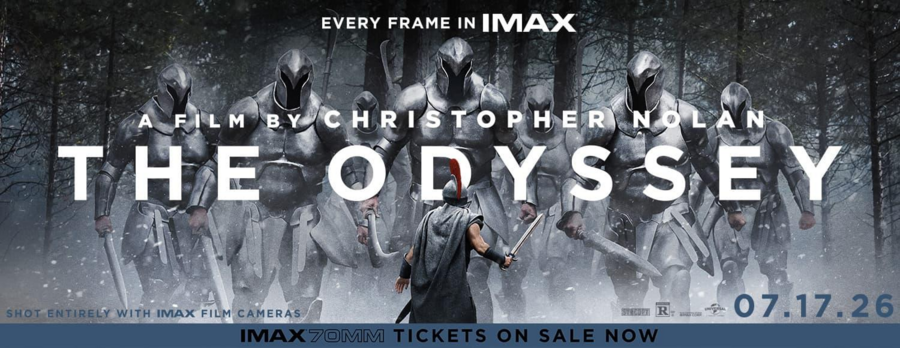
Official IMAX posters for the movie Odyssey (2026)
Stills from the filming of the Odyssey. IMAX camera
Promotion Stages
The campaign developed gradually. Initially, viewers were shown minimal information, and the actors' personas were kept mysterious. Later, early ticket sales and exclusive content appeared in movie theaters. Subsequently, the promotion expanded to digital platforms, television, the press, and public spaces.
«Universal Pictures Studio unveiled the first trailer for Christopher Nolan’s film Odyssey, starring Matt Damon.» (2025)
Summer 2025 — First poster and cinema teaser
July 2025 — Ticket sales one year before release
December 2025 — Prologue in select IMAX theaters and helmet poster
2026 — Trailers, TV spots, interviews, press tour
July 2026 — Premieres, installations, film release
Photo from the IMAX theater showing a teaser for the film Odyssey (2025)
Campaign Visual Language
The visual system was built on the contrast between restraint and scale. The posters featured a single main object, dark space, a limited palette, and a short phrase. They did not retell the story but offered a symbol that the viewer would want to decipher.
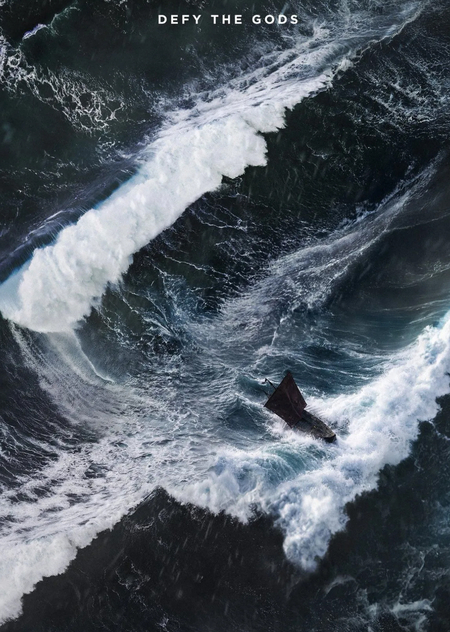
Poster «Defy the Gods.» The first poster combined an ancient sculptural image with the slogan «Defy the Gods.» The focus was not on a literal illustration of the narrative, but rather on the juxtaposition of an ancient symbol and a concise, modern slogan. The image establishes the theme of confrontation while leaving room for interpretation.
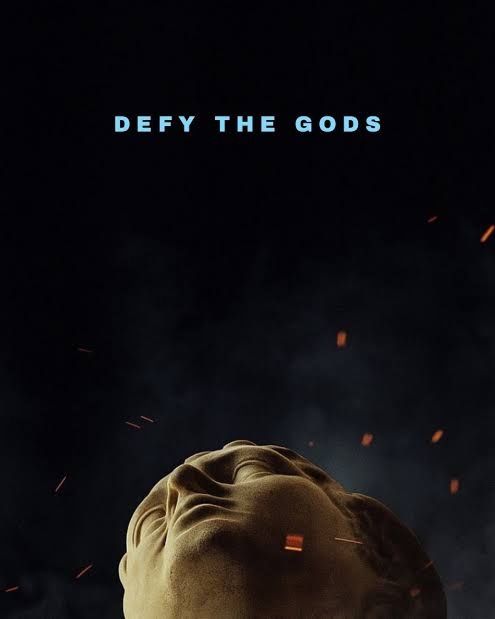
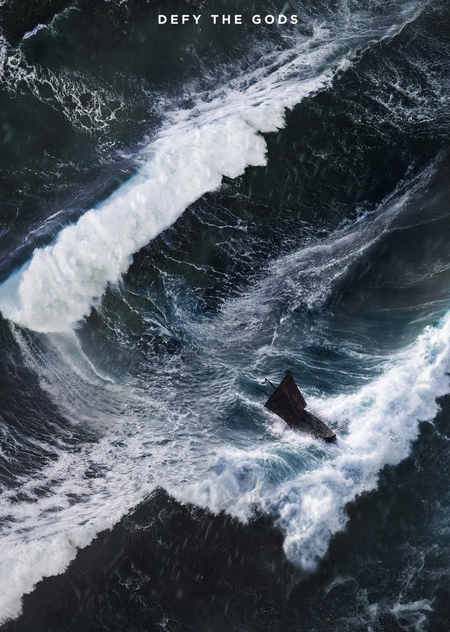
Defy The Gods Posters
Poster with a helmet. The next image is a helmet featuring a vertical element resembling a spine. It connects the heroic subject symbol with the image of physical fortitude. Unlike the first poster, there is a more specific reference to a character, but the plot is not yet revealed.
Official posters for the movie Odyssey. (2026)
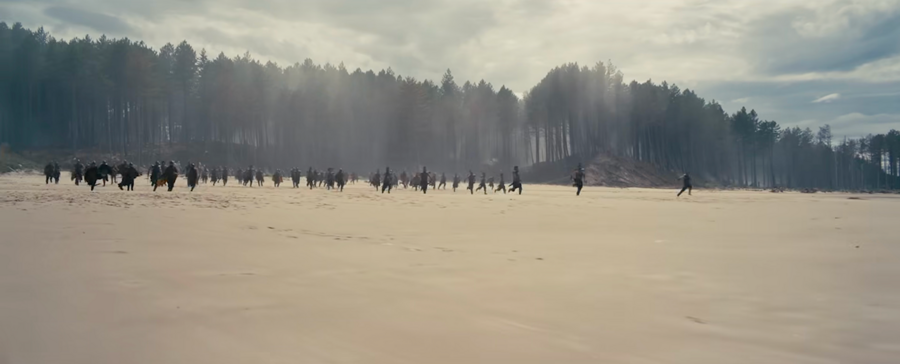
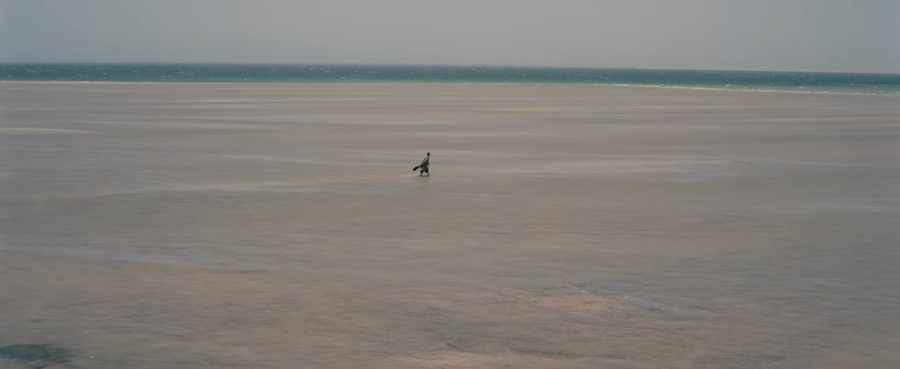
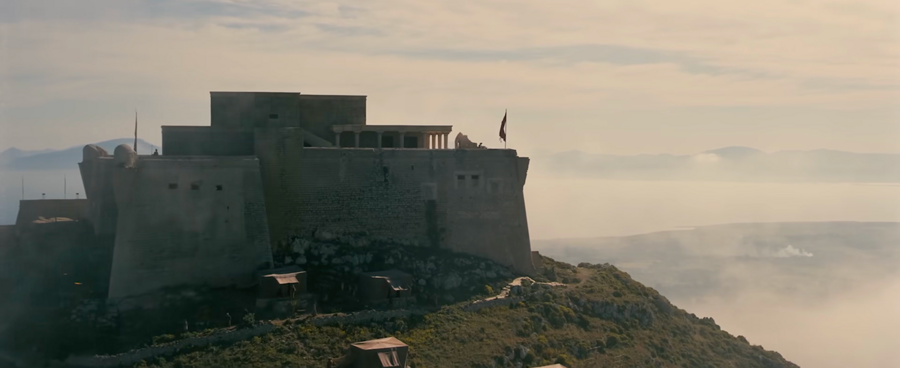
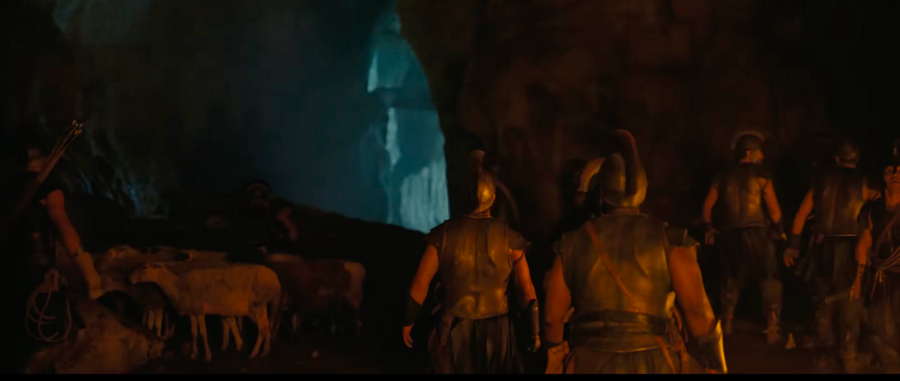
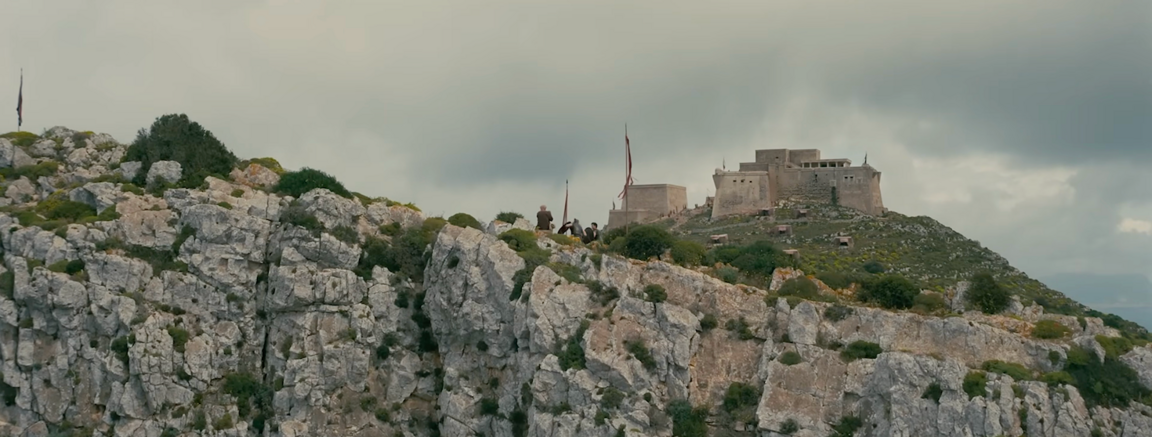
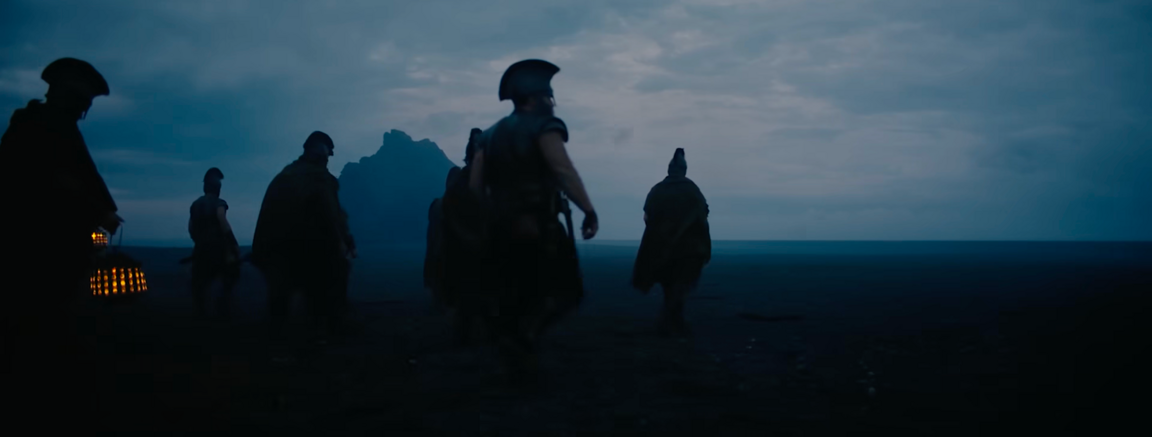
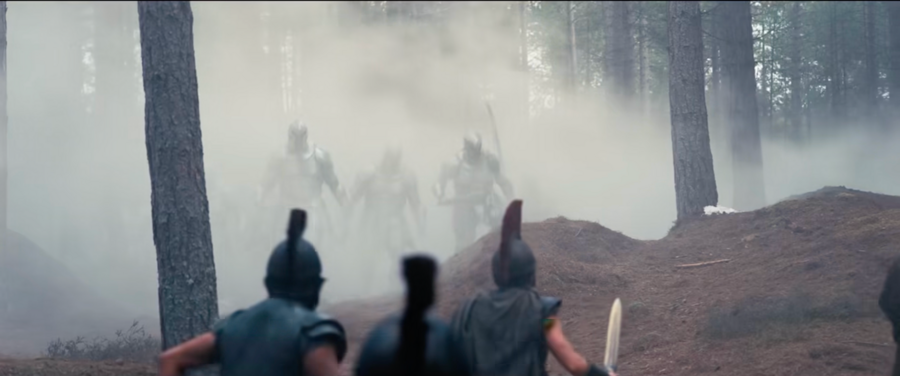
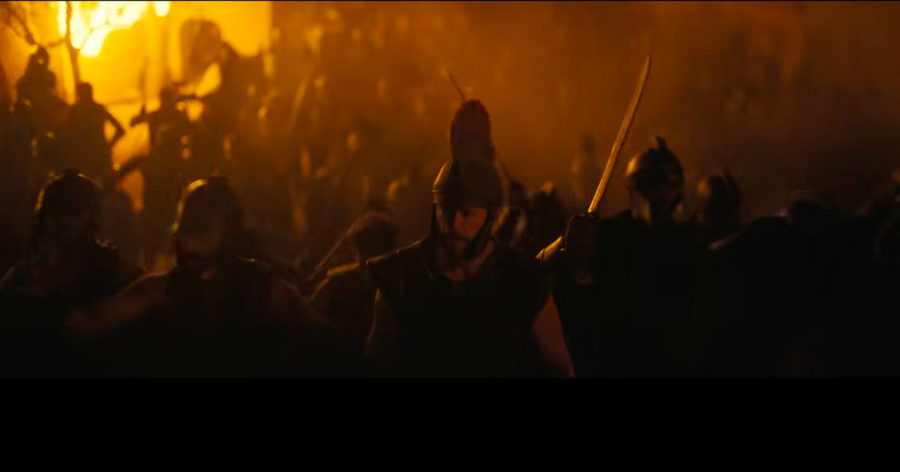
Dark, cold, and earthy tones in the trailers create a sense of weight, physical risk, and a rugged journey.
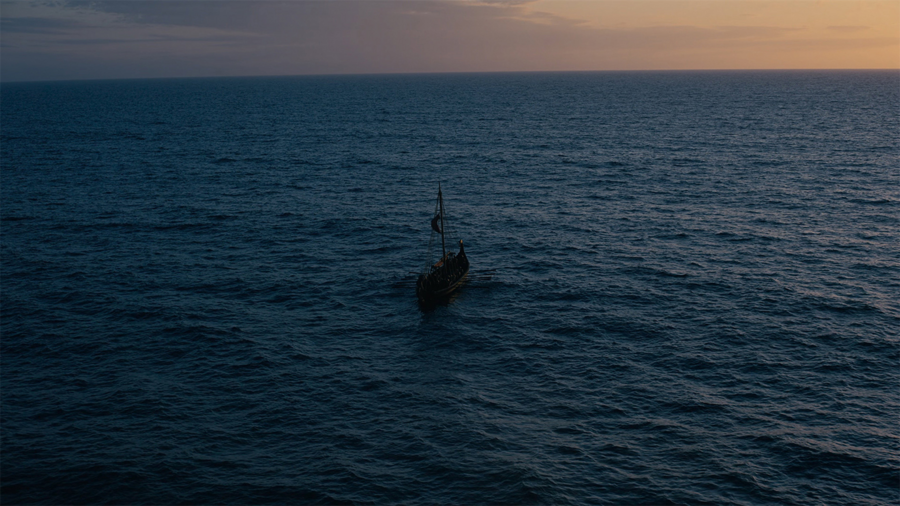
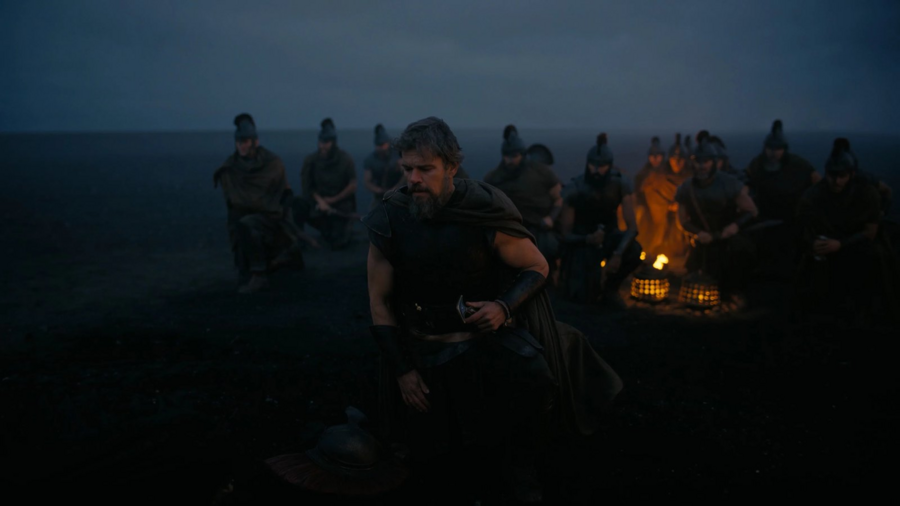
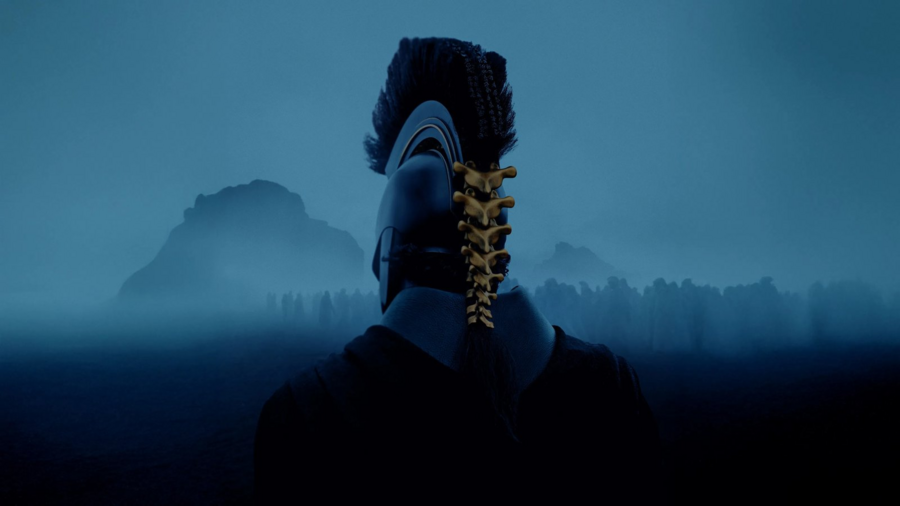
Stills from the film Odysseus (2026)
The scale of the space amplifies the feeling of challenge and a grand journey.
City Advertising: The Trojan Horse
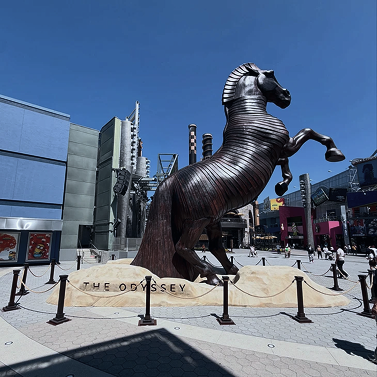
One of the most prominent offline elements was a large replica of the Trojan Horse. The image stepped outside the screen and into the urban space. This was a strong move for a narrative in which the horse is one of the most recognizable symbols. The installation worked on several levels: it attracted attention through its scale and unexpected presence in a familiar environment; it became a photo opportunity; it allowed visitors to disseminate images independently; and the symbol itself created narrative intrigue even for those who were not following the campaign.
According to reports on the campaign, the replica, which stood about 36 feet high, traveled between several cities, including London, Los Angeles, and New York. In Trafalgar Square, London, the horse was installed in July 2026.