INDEX
— Concept
— Main Body: 1. Bachelor and Utopians 2. Haruspicy and Termites 3. Impostor and Meek Followers 4. Steppe People and the Capital
— Conclusion
Concept
«Moor”—a game resembling a complex narrative labyrinth. It is intricate at its core: the game world, with its conventions generated by the mechanics and limitations of the game engine, intertwines with the real world, often breaking the fourth wall and involving the player as a character in a „theatrical performance.“
Against this backdrop of metanarrativity, it is unsurprising that the city in which the game’s events unfold becomes a character in its own right—a populated space.
Gorchon City is not just a space of streets and buildings where playable characters roam—it is a living, breathing system whose architecture, rules, and history shape the characters' destinies and define the boundaries of what is possible.
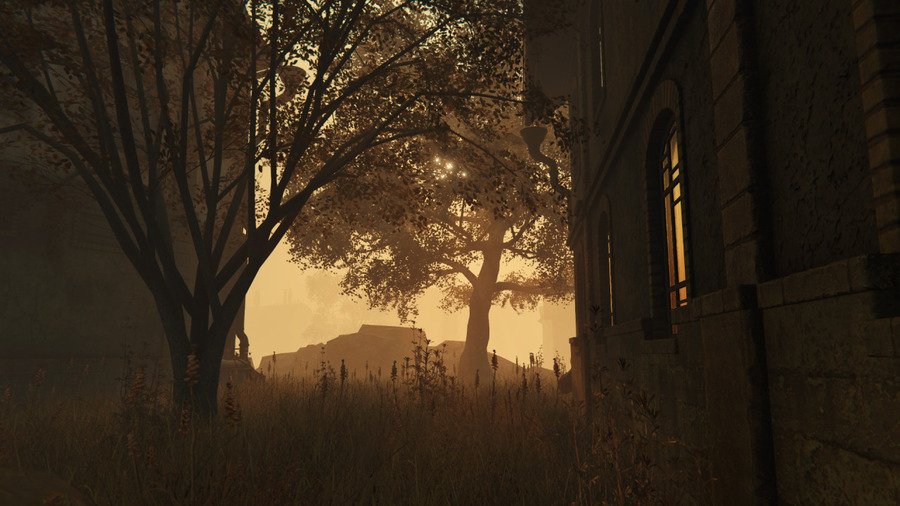
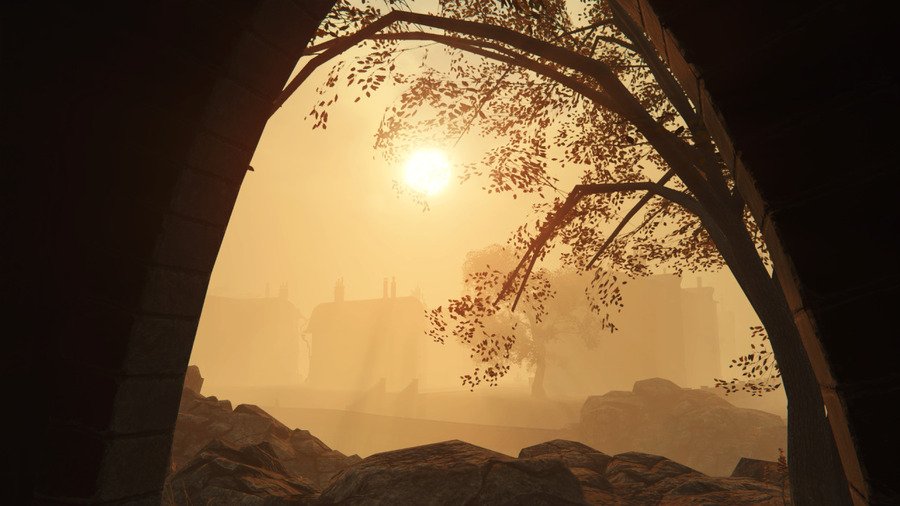
«Mor» Ice-Pick Lodge, 2019
Each protagonist encounters the city in their own way: for some, it is like an alien body they cannot fully grasp, while for others, it is like their own body, where every bone aches, and it is unclear how to reconcile with that pain.
It is through this variable of spatial perception that not only the narrative dynamics but also the player’s relationship to the City-on-Gorkhona is shaped.
«Mors» Ice-Pick Lodge, 2019
I chose this topic because I believe that the entire city of «Sea» is a projection of ideological, social, and philosophical conflicts. It materializes the intangible—the fear of the body, prohibitions on knowledge, hierarchies of power, and mystical connections. The city does not merely «contain» a narrative—it creates it and constantly influences it.
I am interested in tracing how the city’s space not only constrains or expands the characters' actions but also forces the player, through changing characters, to alter their perception of the city.
My hypothesis is that the City of Gorhon exists as a node of the material and immaterial: its topography fixes ideological divides, traumas—which can be inflicted by thoughtless adherence to traditions or by thoughtless rupture of them—moral dilemmas, and even metaphysical connections.
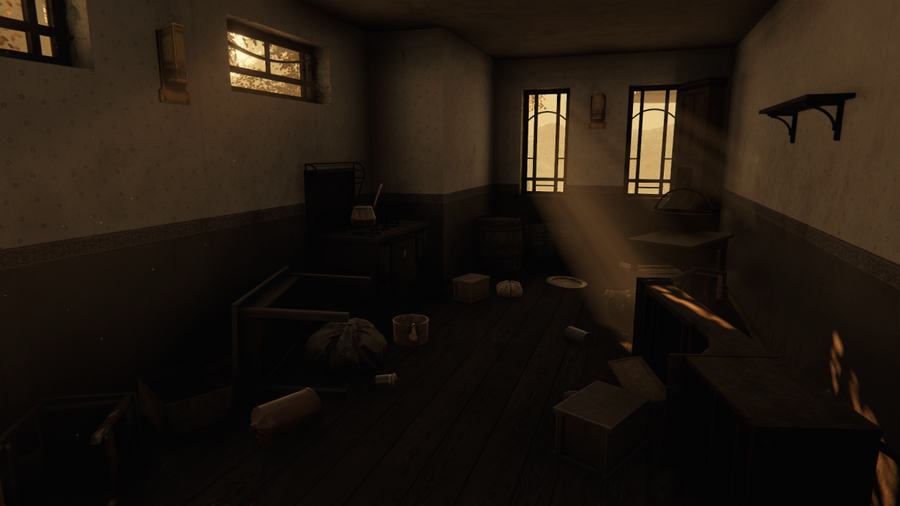
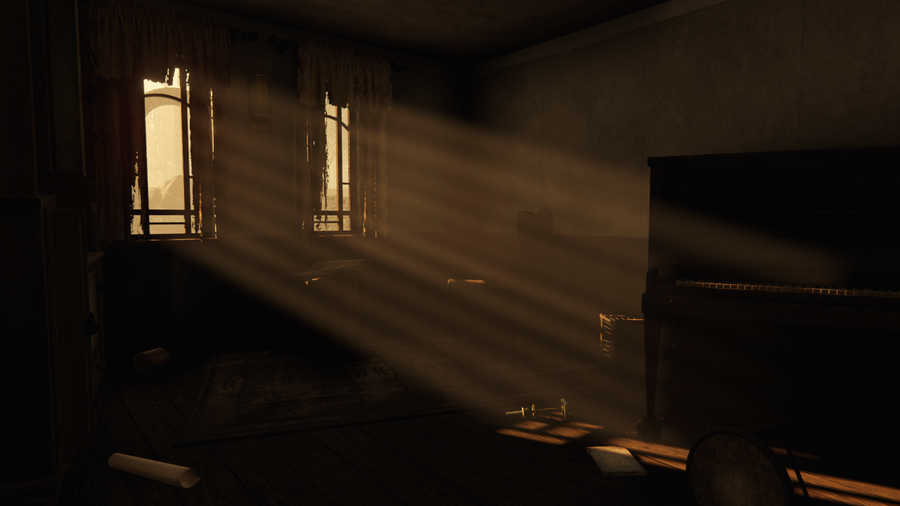
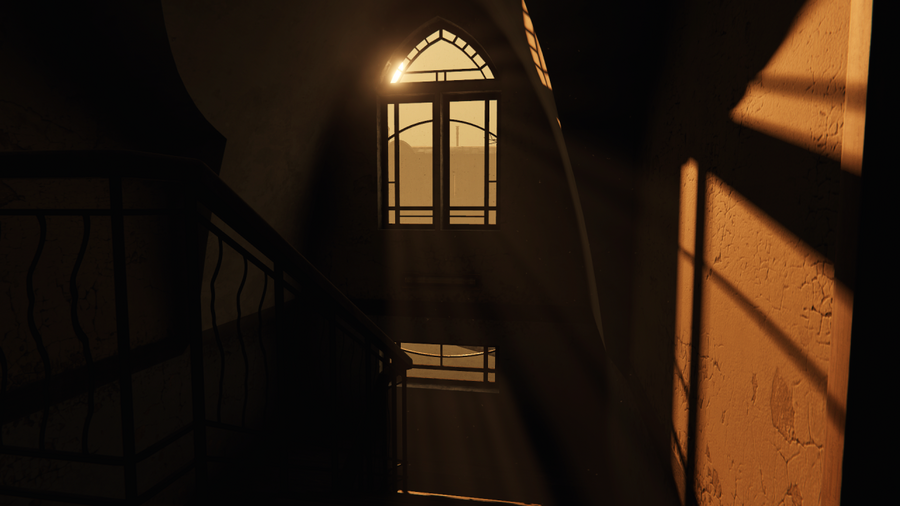
«Mor» Ice-Pick Lodge, 2019
It is precisely by inhabiting different characters that the player experiences an evolution of the city’s perception—shifting from a beloved visitor to a criminal, from a respected professional to an outcast.
I structured the research around character groups and the related philosophical-spatial paradigms:
- The Bachelor and the Utopians—the city as raw material for constructing something new that holds no intrinsic value.
- The Haruspex and the Termites—the city as a heritage that must be reclaimed or reinterpreted.
- The Imposter and the Meek—the city as a locus of suffering and sacrifice.
- The Steppe Nomads and the Capital—the city as a stolen and redefined space.
«Mor» Ice-Pick Lodge, 2019
«Moor» Ice-Pick Lodge, 2019
In this process, I also analyze how the architecture and the reimagining of building functions reflect the plague crisis and the ideological clash between the «old» and the «new.» The core idea is that there is no neutral space in Gorchonsk: every street, every house, every door is burdened with meanings, norms, and prohibitions.
All written sources were selected based on the principles of veracity and authority, and screenshots from the game serve as the visual material.
Bachelor’s and Utopians
It should begin by noting that the City operates under three distinct philosophies, and each of the three characters must prevent the demise of all participants within one of the «factions.»
Undergraduate Daniil Dankovsky is affiliated with the Utopians, who believe in the triumph of human reason over nature: for them, reality is crooked and bent, and a genius, once elevated, can shape this reality as they wish. For the Utopians, Dankovsky himself is that genius.
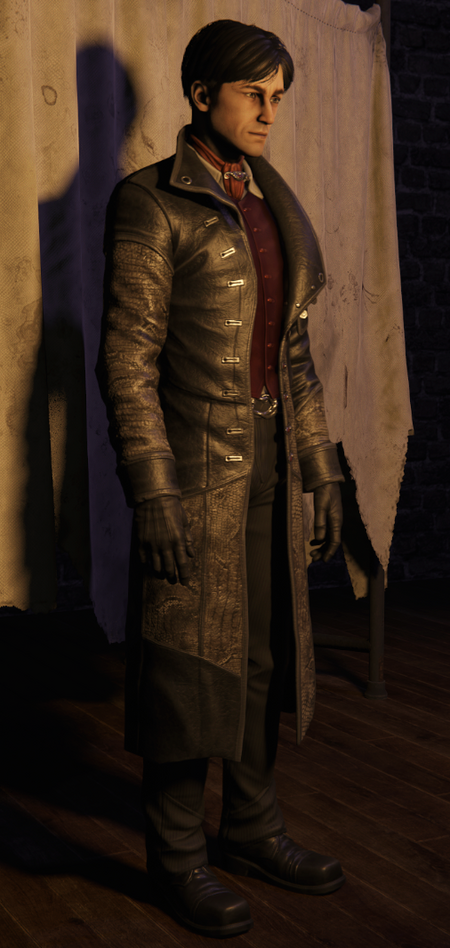
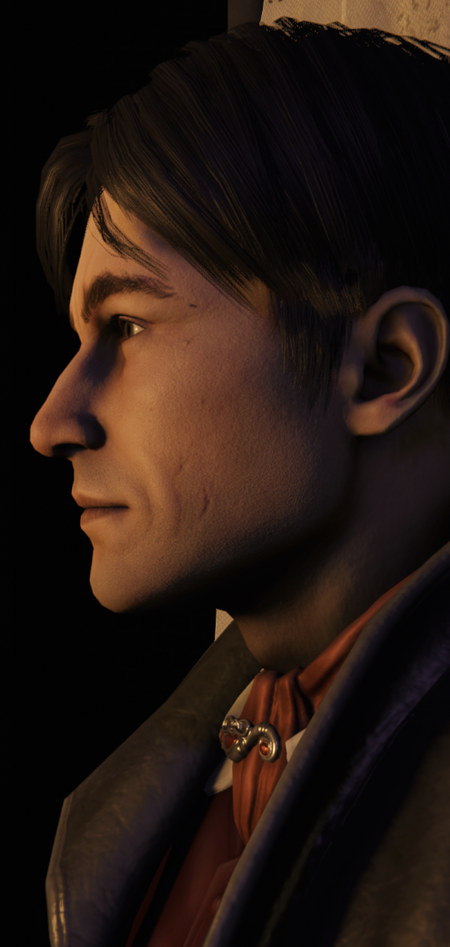
«Mors» Ice-Pick Lodge, 2019
Dankovsky—a renowned scholar from the Capital who studies thanatology, the science of death and the dying process. He seeks a way to conquer death and find immortality, but in the Capital, the Bachelor is persecuted for the «immorality» of his research in his own laboratory, «Thanatica.»
«Mor» Ice-Pick Lodge, 2019
In an attempt to find proof of his theories so he could present them in the Capital and save «Thanatik, ” Dankovsky travels to Gorkhon City—in search of the immortal Simon Cain, about whom his doctor friend from the city, Isidore Burakh, wrote to him.
All of Dankovsky’s hopes immediately crumble—Simon, the immortal «dragon,» is dead. With him dies the entire purpose of the Bachelor’s life—his quest for «Thanatos» will never be renewed, never fulfilled. The city of Simon’s death kills what is most precious to Daniil—his «Thanatos.»
«Mor» Ice-Pick Lodge, 2019
For Dankovsky Gorchon, it is initially alien. Let them treat him as a valued guest; he is initially provided food and shelter, and one of the ruling families of the city, the Kai, even offers him all its resources—but with the start of the plague, the situation worsens.
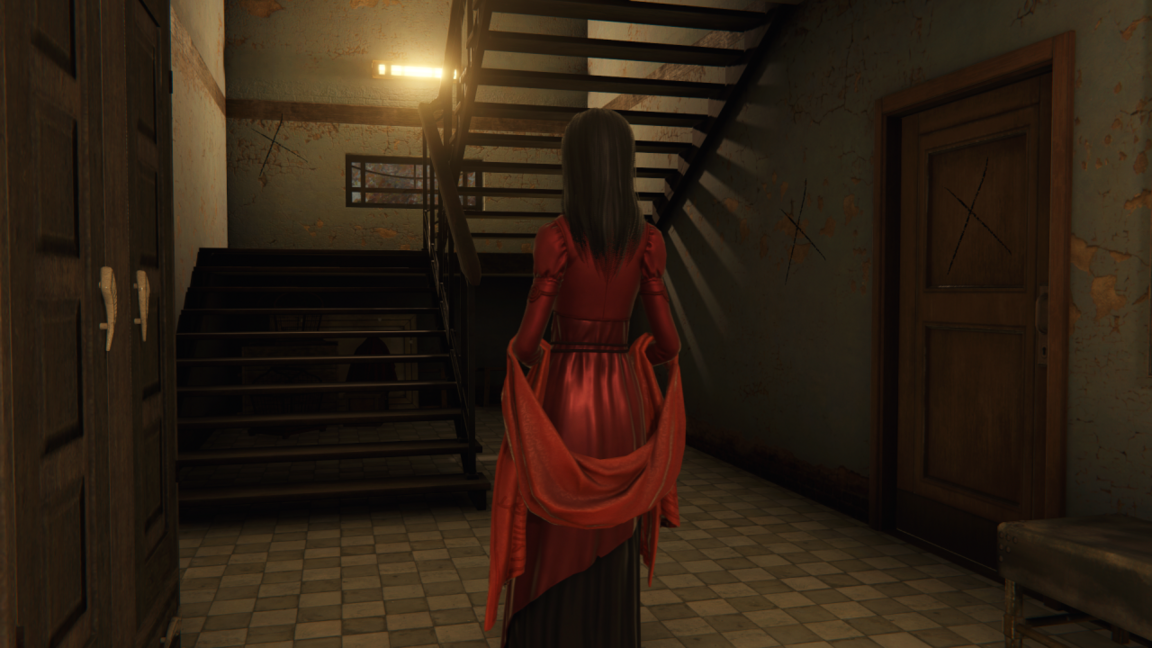
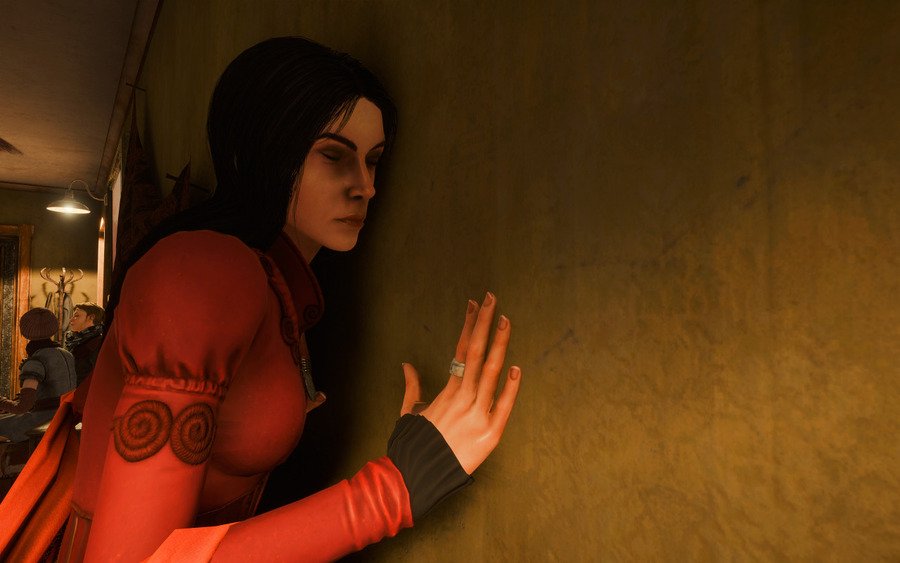
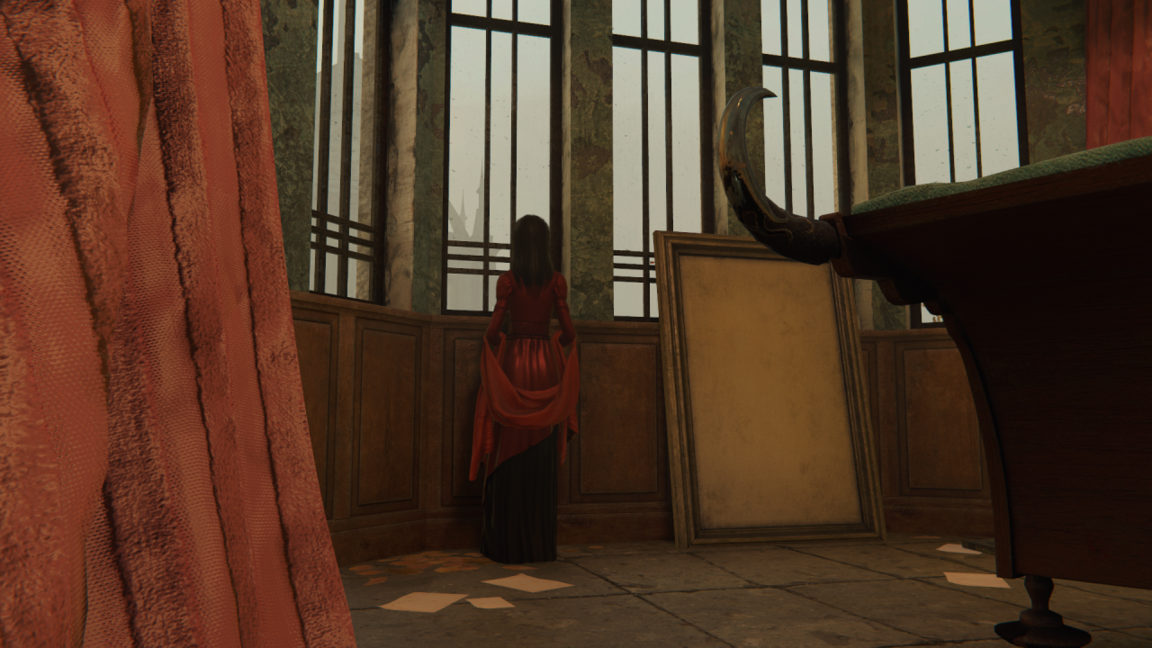
«Pathologic 3: Quarantine» Ice-Pick Lodge, 2025 // «Mor» Ice-Pick Lodge, 2019 // «Mor» Ice-Pick Lodge, 2019
His professional actions immediately encounter constraints: he is not allowed into the sacred place for the steppe people, Boyny; he is forbidden from drawing blood or dissecting corpses according to steppe traditions; and the city has no hospital—because before, everyone simply went home to Isidore, and now he is deceased.
The city here doesn’t just not help—it actively resists.