In recent years, A24, which began as an independent film distributor, has become one of the most prominent players in the modern film industry. Its films generate hundreds of millions of dollars, and its advertising campaigns become standalone events discussed long before the premiere.
A24 has learned to sell the film before the audience even realizes what they are being sold.
Navigator
I. ConceptII. A24: The Brand Beyond CinemaIII. Main BodyIV. Marty SupremeV. What a Drama! (The Drama)VI. Backrooms: The Reality Behind the ScenesVII. Comparative Analysis and Risk AssessmentVIII. Conclusion
I. Concept
For my study, I selected the advertising campaigns of A24—an independent American film company founded in 2012. In recent years, the studio has garnered attention not only for its films but also for its unconventional approach to promoting them.
What captured my interest was a specific trend: in recent years, advertising has often allowed a film to gain a life outside the screen even before its premiere. This takes the form of fictional companies, genuine announcements about the characters' lives, and unusual installations in public spaces. The audience is not merely invited to view an advertisement; they are invited to decipher what is happening and how the seen elements relate to the upcoming film.
By observing these campaigns, I myself gradually became hooked: I started following new materials, noticing subtle details, hunting for references, and trying to understand the narrative behind each unexpected marketing move.
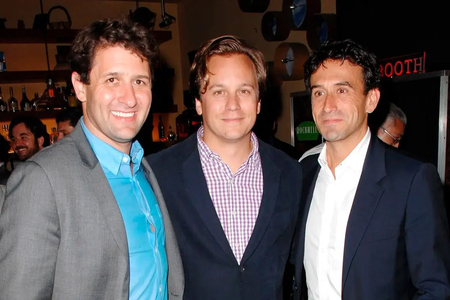
Founders of A24, from left to right: David Finkel, John Hodges, and Daniel Katz (Photo: David Crotty. PMC)
For this study, I selected the advertising campaigns for three A24 films spanning different genres: Marty Supreme (2025), The Drama (2026), and Backrooms (2026)—all of which have grossed approximately $728 million worldwide to date. These campaigns are noteworthy not only for the unconventional nature of their individual creative executions but also for the differences in how they engage the audience.This selection allows for a comparative analysis of the three campaigns, moving beyond merely examining successful individual layouts. The study will be grounded in official promotional materials: posters, trailers, social media publications, digital platforms, unconventional installations, and other marketing elements.Research Objective — to analyze the advertising campaigns for three A24 films, identify the visual and psychological techniques utilized, and compare the methods of audience engagement.*A24 Logo Animation
Research Question: How does A24 transform the viewer from a passive recipient of advertising information into an active and curious participant who wishes to independently explore the world presented to them and unravel its mysteries?
The core hypothesis of this research is that interest in A24's advertising campaigns is generated by constructing a standalone narrative around the film in real life—a narrative into which the viewer can become invested even before viewing the movie.
I hypothesize that one of the key mechanisms of impact in the selected campaigns lies in the intentional combination of the recognizable and the unexpected. The studio employs familiar images of actors, evocative situations, and cultural references, but places them in an unfamiliar context or leaves them without an obvious explanation, and then repeats this technique by placing the advertisements on surprising platforms. Furthermore, the methods used to create suspense differ across the three campaigns.
The principle of structuring the analysis proceeds from the general to the specific: first, A24 is examined as a brand and the peculiarities of its communication outside of cinema; then, individual psychological techniques and the three advertising campaigns are analyzed. The final section compares the solutions employed, their distinctions, and the potential limitations of this approach.
II. A24: The Brand Beyond Cinema
A24 gained renown through its auteur-driven cinema, its collaborations with emerging directors, and its unconventional approach to familiar genres. Its films resist easy categorization—the studio works across horror, drama, thriller, and comedy, often blending elements and deviating from traditional genre expectations. Having gained prominence, the studio has not compromised its principles; it has «not melted into the crowd» but has continued to forge its own distinct visual and cultural language.
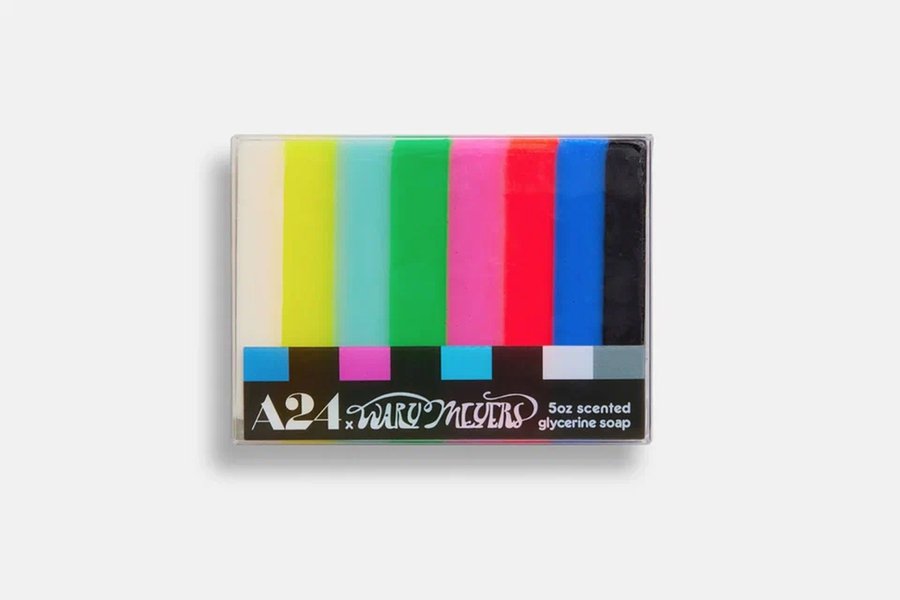
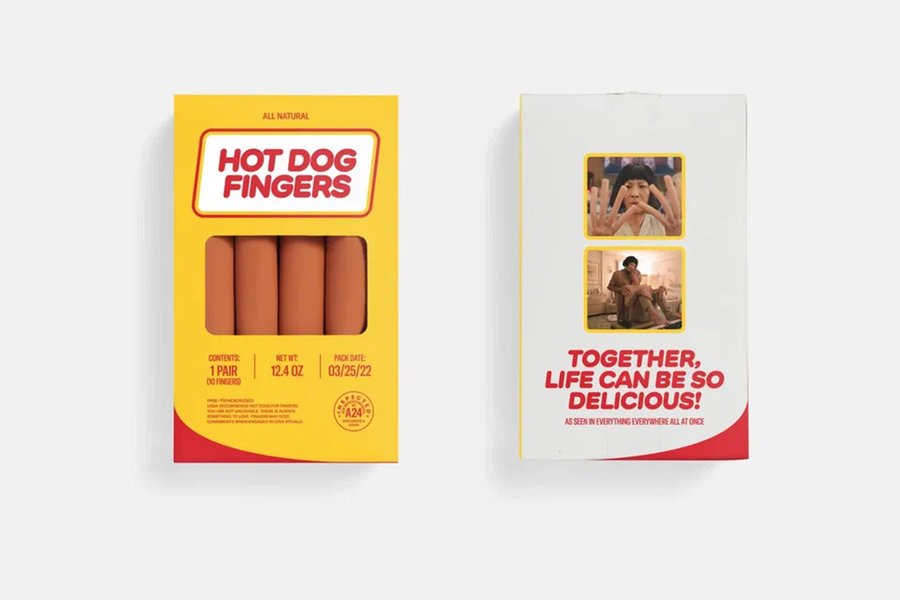
- Glycerine Soap A24 x Wary Meyers Test Card Soap (A24 shop) 2. Latex Hot Dog Finger Gloves, released as official merchandise for the film «Everything Everywhere All at Once» (A24 shop)
Unlike traditional Hollywood studios like Warner Bros., Disney, or Paramount, A24 sells a lifestyle—the chance to be part of a niche, unique, exclusive club. To love A24 is to align oneself with the culture of unconventional, anti-glamour auteur cinema.
Understanding its audience played a vital role in this. A24 knows exactly whom to reach: millennials and Gen Z individuals who love discussing trending topics on social media and scrolling through their feeds. These people aren’t interested in watching idealized red carpets, neither in the film plots nor in their promotional campaigns.
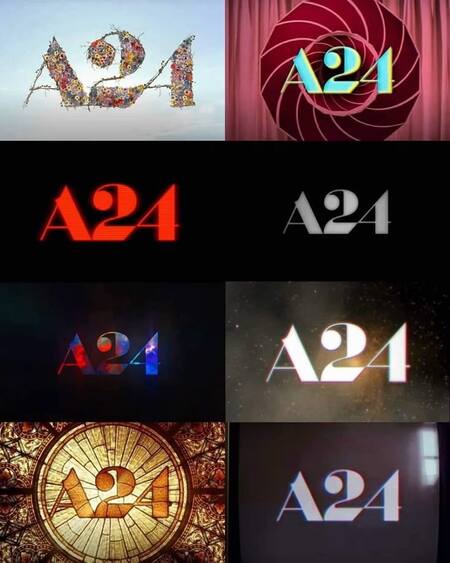
Various examples of stylized A24 film titles
III. Main Body
To begin, we can examine general psychological techniques for studio-audience interaction. In the context of a constant flow of information, advertising competes for the viewer’s limited attention. Familiar and repetitive messages quickly become unnoticed, making novelty and surprise particularly important. The brain seeks patterns and tries to anticipate events, and a disruption of usual expectations causes surprise and compels focus on what is happening. At the same time, the unusualness must be combined with recognizable elements—if a message is completely incomprehensible, it is more likely to cause confusion than interest.
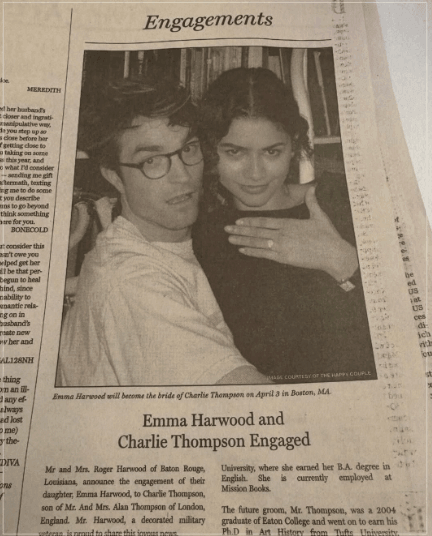
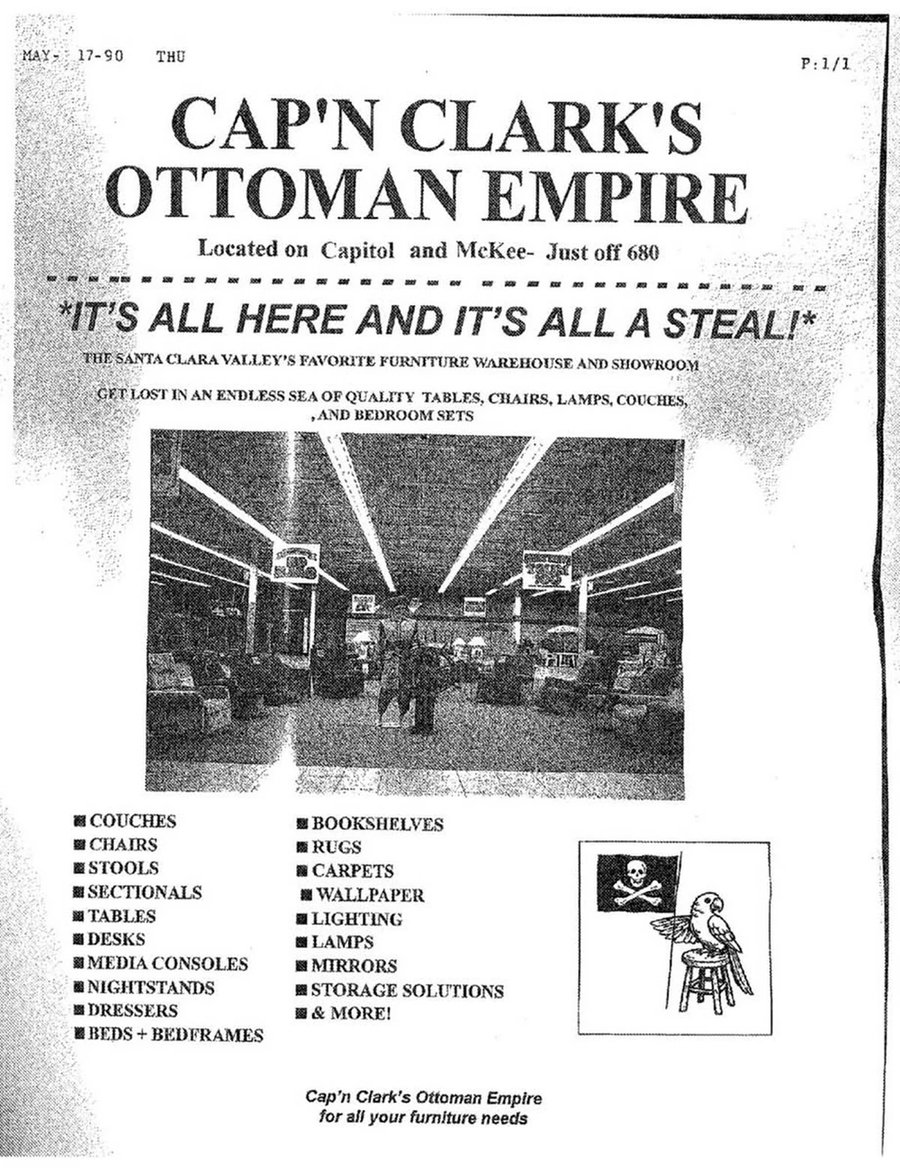
- News of Zendaya and Robert Pattinson’s engagement, published in the Boston Globe 2. A flyer for the fictional furniture store Cap’n Clark’s Ottoman Empire, received after sending a message to the fax number listed in the commercial.
Suspense and incompleteness help to capture attention. When a viewer is only shown part of the information and left with unanswered questions, a desire arises to discover what lies behind what they have seen, how individual details connect, and what will happen next. It turns out that the means to captivate and hold the viewer’s attention is the fascination with mystery. In the psychology of curiosity, George Loewenstein describes it as the sensation of a gap between what a person already knows and what they want to know. When a viewer notices a strange detail but realizes there may be an explanation behind it, a motivation arises to seek the missing information.
Another important aspect is creating a sense of presence within a fictional world. The viewer stops being just an external observer and begins to emotionally sympathize with what is happening and to project themselves into the presented situation. This immersion in the story is also called narrative transportation: the person’s attention, imagination, and emotions focus on the events and the world of the narrative. Thus, getting acquainted with a film can begin long before it is watched.
IV. Marty Supreme
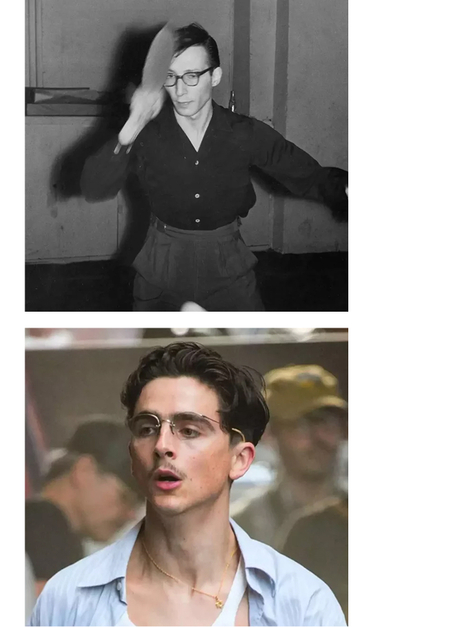
The film Josh Safdie’s «Good Time» is set in New York City in 1952. Marty Mauzer is a young shoe store clerk who dreams of becoming the best table tennis player. He is talented, charming, and incredibly self-assured, but his ambitions often tip into overconfidence and selfishness: for his goal, Marty is willing to deceive, manipulate those around him, and take risks. The character was partly inspired by the real table tennis champion, Marty Reisman.*American table tennis player Marty Reisman (Getty Images)Scene from the film «Good Time,» Timothée Chalamet, 2025
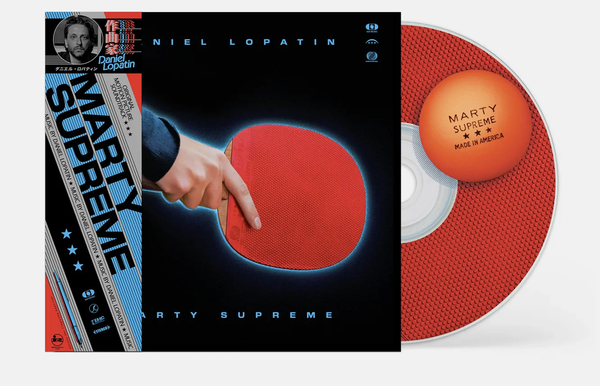

- Official soundtrack from the film «Marty Magnificent» (A24 shop) 2. Still from the film «Marty Magnificent, ” Timothée Chalamet, 2025
In promoting the A24 film, I carried that energy beyond the screen. Timothée Chalamet himself played a vital role: the actor seemed to continue embodying Marty—with his grand ambitions, showy confidence, and unwillingness to go unnoticed. Timothée had been playing table tennis for about six years, training with professional coaches, and performing the gameplay segments himself, without a stunt double. Therefore, the athletic element became not merely part of the plot, but a convincing aspect of the character.
Still from a promotional video (a parody of a Zoom video call), A24
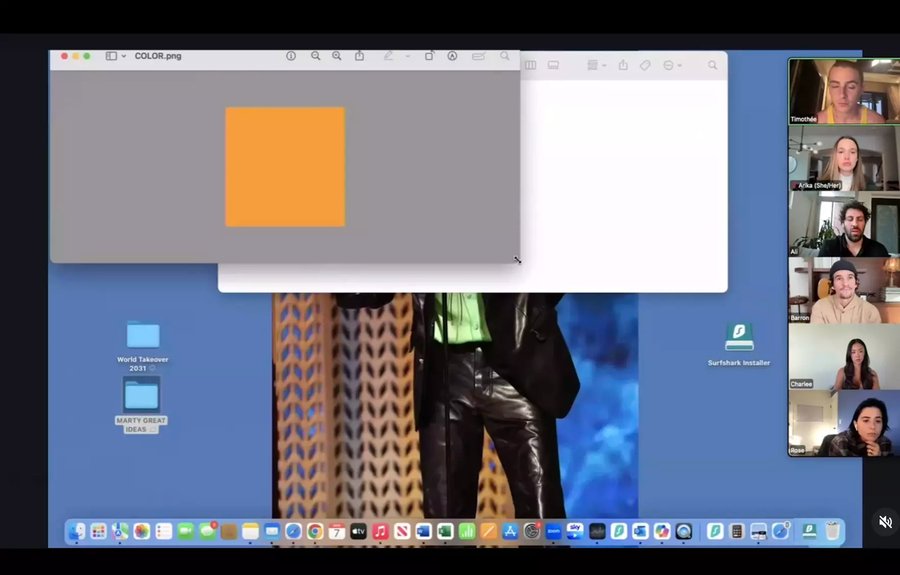
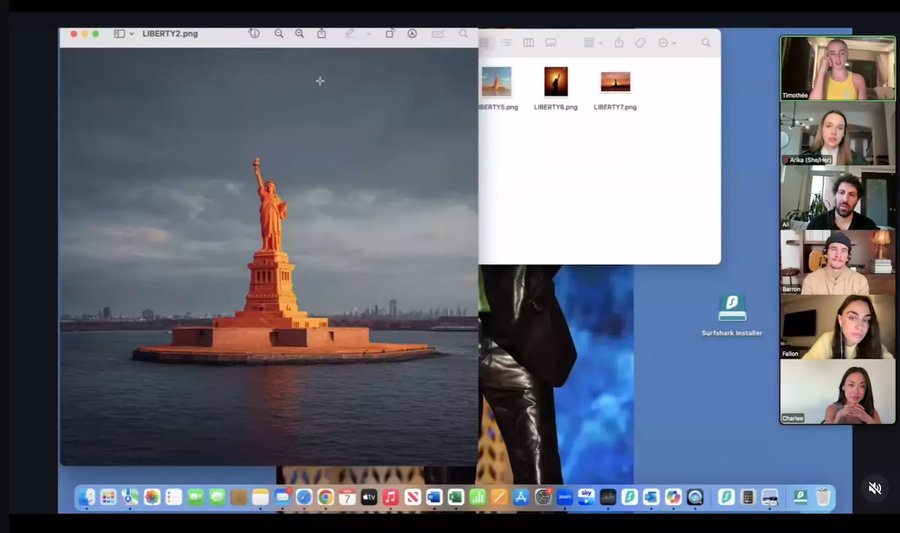
Stills from the commercial video (a parody of a Zoom video call), A24
Stage 1 One of the first steps in the campaign was an 18-minute video published on the actor’s account and the official A24 website, styled like a recording of an internal Zoom meeting with the team. The actor, with an entirely serious demeanor and immense ego, proposed increasingly absurd promotional tactics: repainting the Statue of Liberty and the Eiffel Tower orange, launching a huge airship, and making the film utterly unnoticeable. The staged meeting simultaneously parodied typical marketing discussions and set the tone for all subsequent promotion: they weren’t planning to be humble.


- Cast members from the A24 film promotion campaign (left to right: Odessa Azhun, Timothee Chalamet, Gwyneth Paltrow, and Tyler O’Connor 2) A24 video featuring Timothee Chalamet in promotional merchandise
Stage 2 The ideas proposed in the video gradually transformed into real events. The Nickelodeon orange zeppelin, marked with «Marty Supreme» and the slogan Dream Big — «Dream Big, ” began flying over Los Angeles at a modest speed of 25–30 mph, hovering over film screenings and industry events.
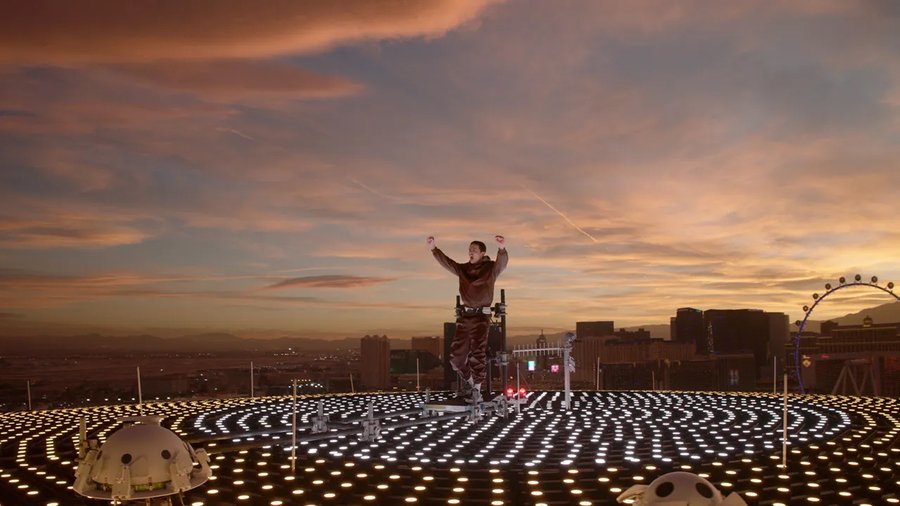

Timothée Chalamet on the roof of the Sphere concert venue in Las Vegas
Stage 3 In Las Vegas, a famous sphere was transformed into a giant table tennis ball: in the published video, Shalame stood on its peak, and the structure itself glowed orange.
1. Paparazzi shot of Timothée Chalamet in a jacket with the inscription «Marty Supreme» during a promotional campaign. 2. Kendall Jenner in a hoodie from the merch collection on social media. 3. Justin Bieber on social media.
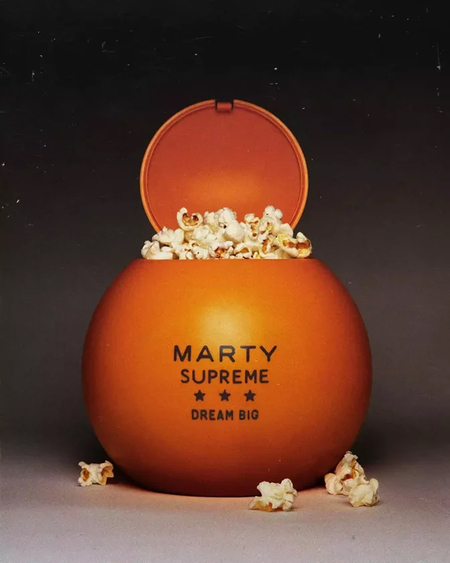
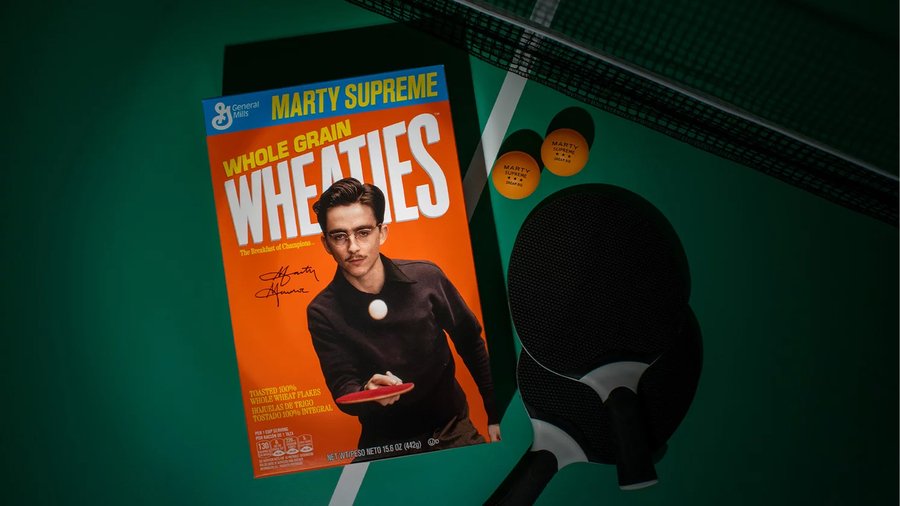
1. Collectible popcorn bucket shaped like a giant orange ping-pong ball (A24 & Regal Cinemas) 2. Limited edition Wheaties box featuring Marty Mauzer (the movie’s protagonist)