Authors: Shkil (Tchaikova) Victoria — graphic design, color palettes, concept, creative work in space, and other project elements Belyaeva Alena — 3D modeling, concept, creative work in space, and other project elements
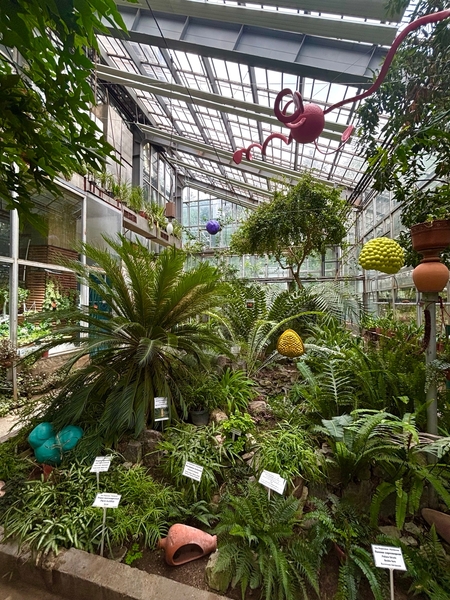
The Siberian Botanical Garden of Tomsk State University is the first major botanical institution east of the Urals.Plant collections: approximately 8,000 species, forms, and cultivars, about 4,000 of which are tropical and subtropical and housed in the garden’s greenhouses. The central greenhouse stands 31 meters tall—making it one of the tallest in the world.In addition to three temperature zones, the botanical garden features exhibition areas, which include: • Ferns • Ficus trees • Pool
The «CONDUCTOR» project is a way to change the perspective through which we view nature, revealing its fragility and perfection through the lens of technology. Pollen is an astonishing microscopic world that usually goes unnoticed by the human eye. By magnifying and materializing these forms through 3D modeling, we make the hidden visible and tangible, allowing people to view familiar nature in a new light.
We created magnified 3D models of pollen from various plants and turtle eggs (a favorite among our audience). These models are 3D-printed and placed in specific locations throughout the botanical garden. Some models are equipped with speakers broadcasting an audio tour, transforming them into unique information stations.
—pollen and eggs are united by the theme of the genesis of life (from pollination to hatching)—
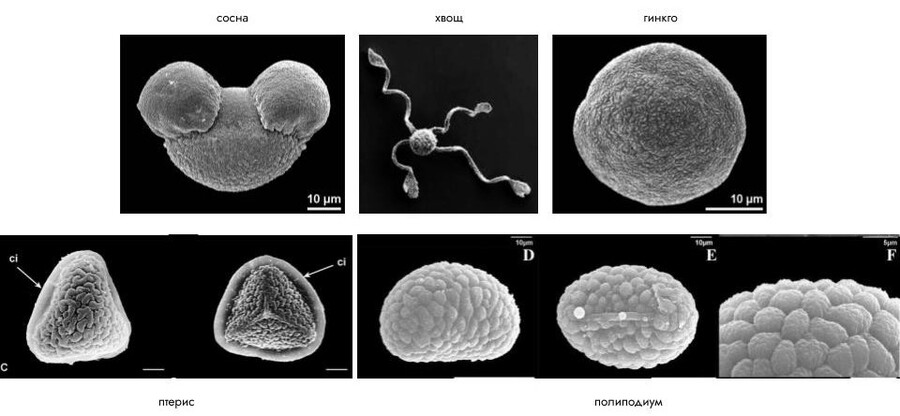
Specialists from the botanical garden selected plants from various rooms of the greenhouse. Following this, we jointly began searching for microphotographs of pollen and spores from these plants. The selected plants were: pine, horsetail, ginkgo, pteris, polypodium.
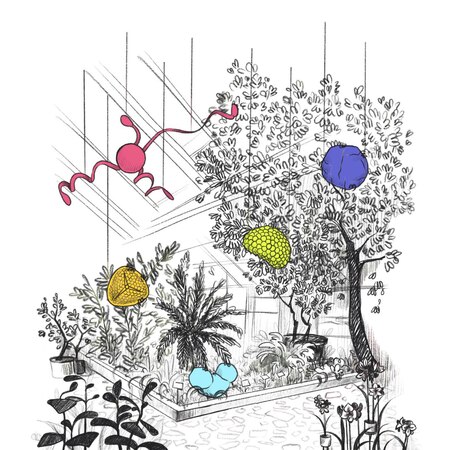
Based on the selected pollen, five 3D models were created; one of these models incorporates a cavity and openings for speaker installation.Visualizations were made using the developed models in the «Plant Evolution» area:— a suspended structure — pollen infographics — a floor model with a speaker
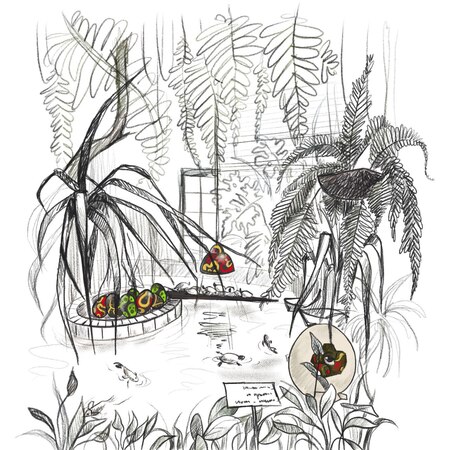
The project team developed models of clutch patterns (the clutch was stylized after the coloring of three turtle species: red-eared slider, swamp turtle, and trionics) and a model of a large turtle egg with a hatchling inside. Since this model was intended as an audio guide, it was equipped with sound output holes and a special opening for a speaker.
To maintain the overall aesthetic, the client was proposed to design and update certain elements of the space.
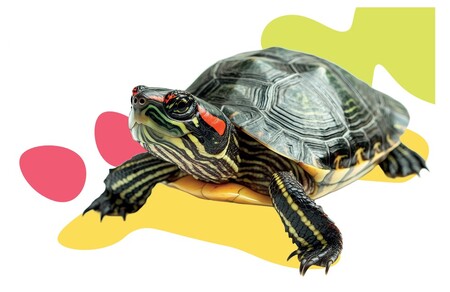
Bright colors were chosen for the first zone because the local plants are mostly non-flowering (we wanted to add some color) and also to demonstrate the diversity of pollen colors. The palette for the second zone consists of colors corresponding to the appearance of the inhabitants of the pool, predominantly the Red-eared Slider turtle.
Another key area of focus was the creation of script for the audio tour. The goal of the tour was to build a cohesive, memorable image of the Botsad ecosystem through vivid stories about individual plants. The script includes interesting facts and stories about red-eared turtles, koi carp, and the selected plants. The project’s unique feature is the generated «pollen melodies, ” which are based on images of the pollen under a microscope. These melodies serve as audio transitions between the informational blocks in the audio tour.
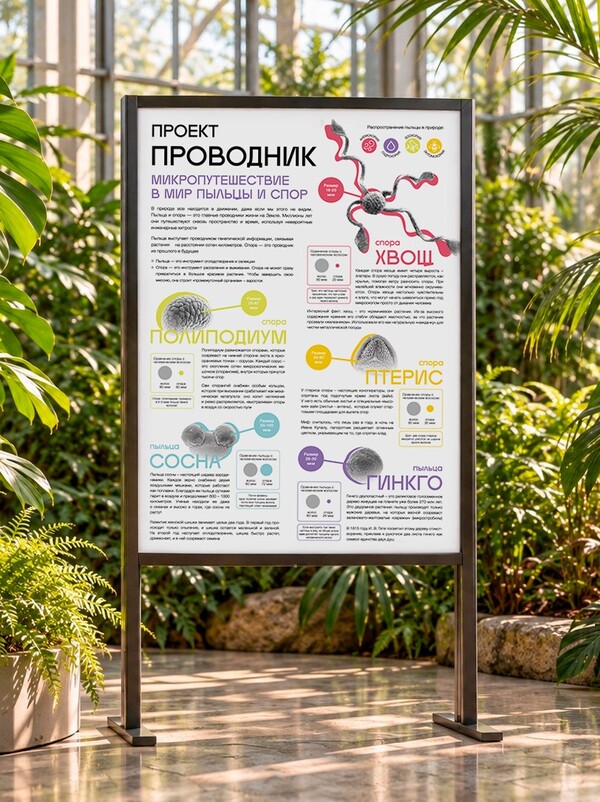
For the overall identity, it was necessary to supplement the project with accompanying infographics. Using relevant imagery and interesting facts about turtles, fish, and pollen, informational dashboards were designed.
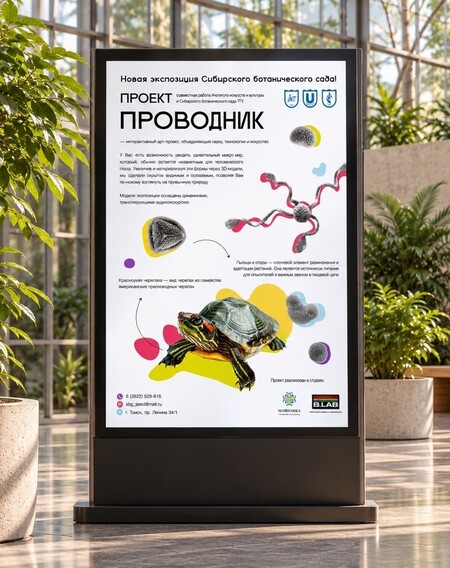
For the promotional campaign, a video reel and posters in both digital and print formats were developed. The poster provides information about new exhibitions in the botanical garden’s greenhouse, the theme of these exhibitions, and contact details. Visually, the poster’s style continues the established theme of the infographics. The digital poster is adapted for the informational screen in the lobby.
- the project is fully realized; it is not presented in the portfolio in its entirety, as the rights to its materials transferred to the Siberian Botanical Garden of Tomsk State University.