
Данный проект является учебной работой студента Школы дизайна или исследовательской работой преподавателя Школы дизайна. Данный проект не является коммерческим и служит образовательным целям
Проект принимает участие в конкурсе
Исходный размер 1920x553

Red Bull logo

ABOUT THE BRAND

Red Bull is an Austrian energy drink brand launched in 1987 by Dietrich Mateschitz 
and Chaleo Yoovidhya. Over the course 
of several decades, the company has evolved from an energy drink manufacturer into a global media brand active in the fields of sports, music, culture, and entertainment. Today, Red Bull is present in more than 
170 countries and is one of the most recognizable brands in the world.
Исходный размер 1920x1200

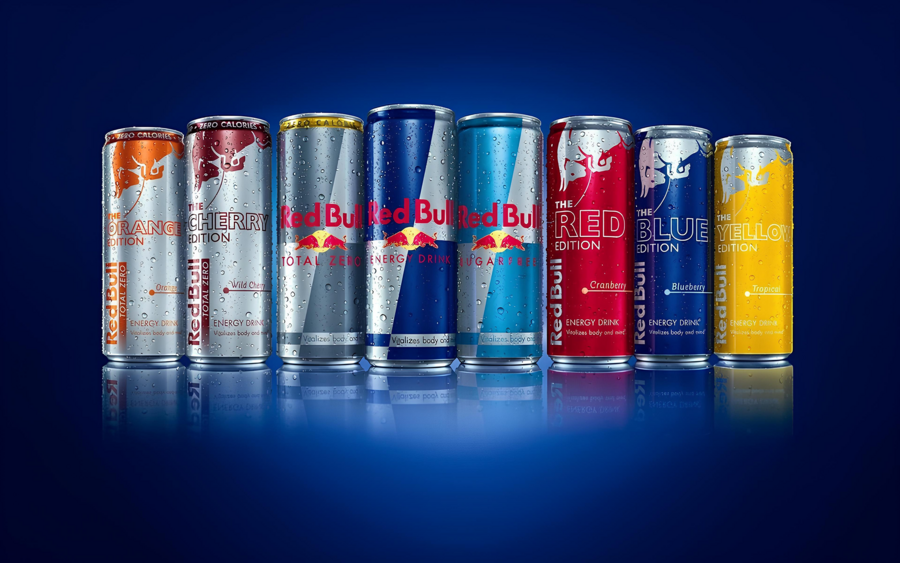
Red Bull energy drinks

Исходный размер 1920x1004

Red Bull’s positioning

ADVERTISEMENT

The slogan «Red Bull Gives You Wings» has been the cornerstone of the brand’s communication since the late 1980s. Although the phrase literally means that «Red Bull gives you wings, ” the company uses it as a metaphor for overcoming limitations, gaining energy, and going beyond the ordinary. Over time, the slogan has evolved from a simple advertising message into the foundation of Red Bull’s entire brand communication.

Исходный размер 1920x1080

Red Bull’s slogan

One of the first visual interpretations of the slogan was Red Bull’s signature illustration style. In these illustrations, the idea of «wings» was depicted literally: the characters could fly, travel, and do things that seemed impossible in everyday life. Through humor and simple visual metaphors, the brand created a strong association between the drink and the feeling of freedom.

Исходный размер 1920x1080

Red Bull was one of the first brands to bring the idea of «gives you wings» from advertising into the real world — through airplanes, flights, and extreme sports.

Over time, the image of wings began to move beyond illustrations. While early marketing campaigns featured illustrated characters, Red Bull later started to bring this concept into real-world events and sports initiatives. Airplanes, flights, aviation competitions, and record-breaking attempts became extensions of the same idea: that people are capable of going beyond the ordinary and literally taking to the skies.

Loading...

In its commercials, Red Bull used short animated stories in which the protagonist gained symbolic «wings» after drinking the beverage. Importantly, the brand said almost nothing about the drink’s taste or ingredients. Instead, its messaging centered on the idea of transformation: Red Bull helps you become more energetic, bold, and ready for new opportunities.

SPORTS PROJECTS

Исходный размер 1920x1080

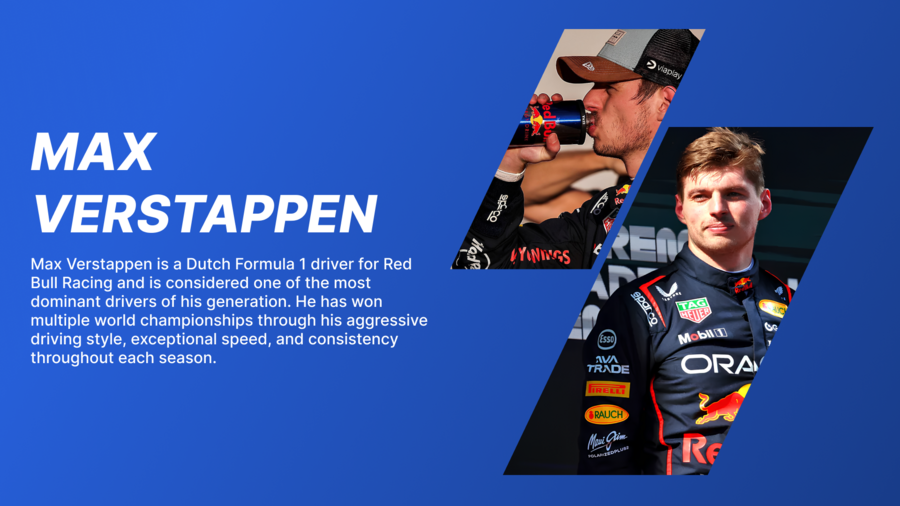
Oracle Red Bull Racing

Oracle Red Bull Racing is a Formula 1 team owned by Red Bull and one of the most successful teams in modern motorsport. Founded in 2005, the team quickly became one of the championship’s leading contenders, winning numerous titles in both the Drivers’ and Constructors’ Championships.

Исходный размер 1920x2076

Red Bull Stratos

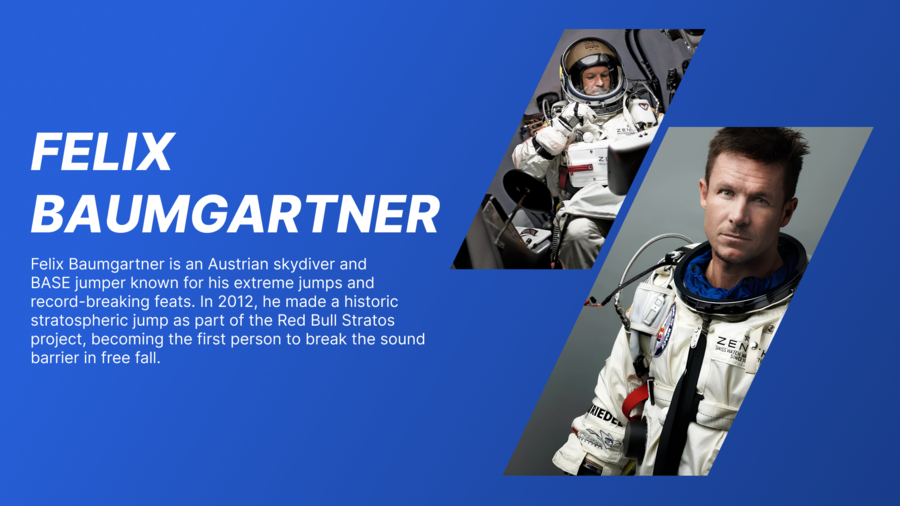
Red Bull Stratos was a scientific and athletic project in which Felix Baumgartner jumped from the stratosphere from an altitude of nearly 39 kilometers. The mission set several world records and became one of Red Bull’s most famous projects.

Исходный размер 1920x2565

Red Bull Rampage

Red Bull Rampage is one of the most prestigious freeride mountain biking competitions, held in the deserts of Utah. Participants design their own extreme courses and perform spectacular stunts on natural terrain.

Исходный размер 1920x1883

Red Bull Cliff Diving World Series

Red Bull Cliff Diving World Series is a global cliff diving competition in which athletes dive into the water from platforms up to 27 meters high. It takes place in picturesque locations around the world and is considered the premier championship in the sport.

Исходный размер 1922x1883

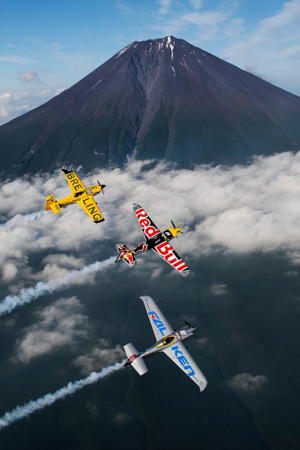
Red Bull Air Race

Red Bull Air Race was an international air racing series in which pilots flew at high speeds through a course of inflatable pylons. The series was renowned for its combination of precision flying, speed, and spectacular action for spectators.
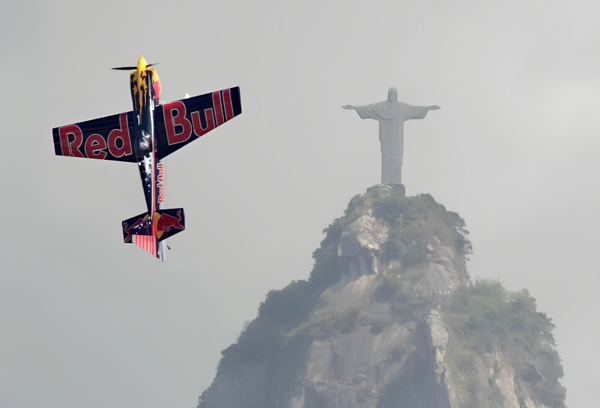
Red Bull Air Race

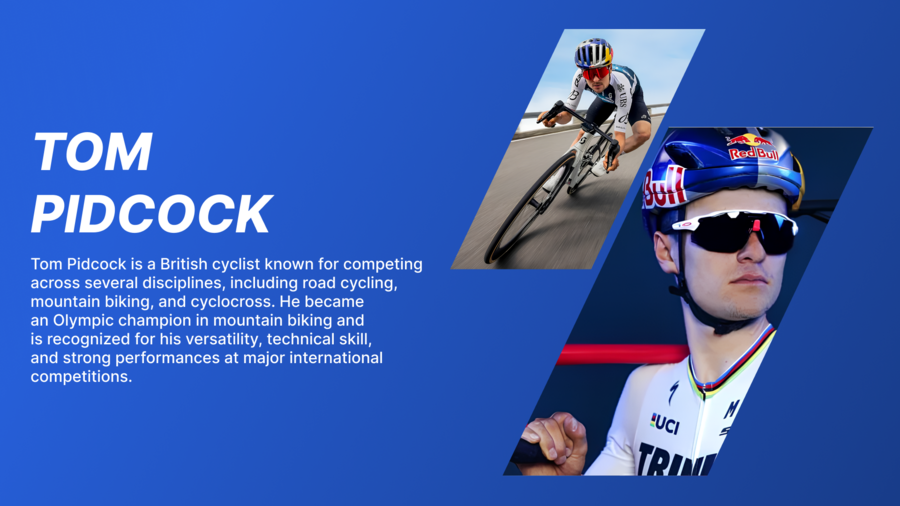
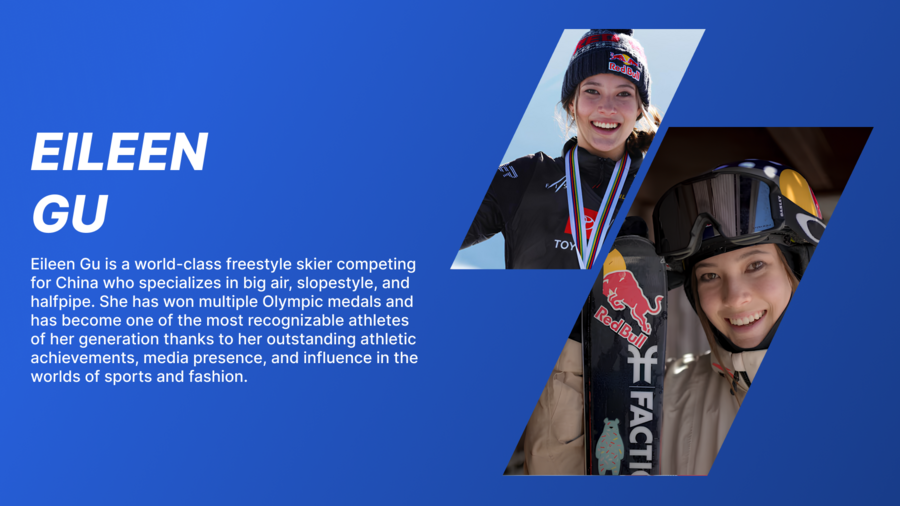
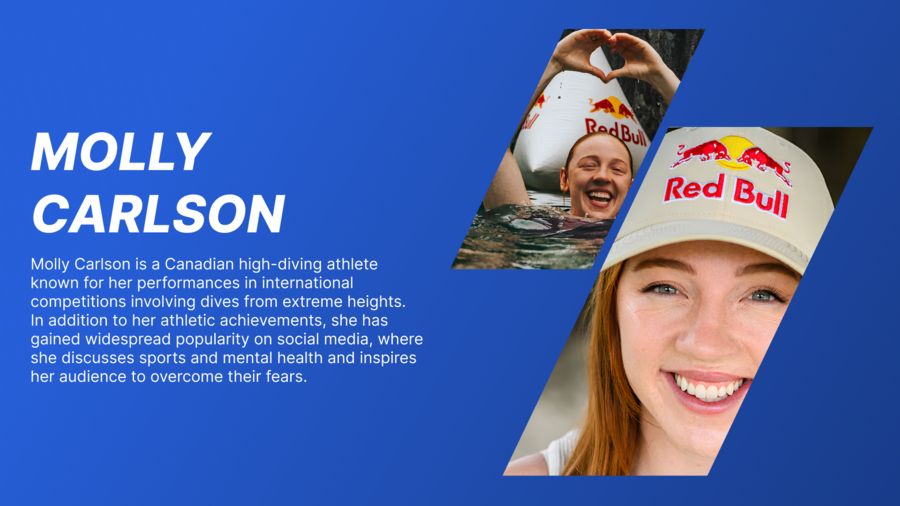
ATHLETES
0

Athletes

MEDIA PROJECTS

Исходный размер 1920x1080

Red Bull TV is the brand’s own media platform, featuring live streams, documentaries, sports shows, and TV series. It is one of the strongest examples of a brand transforming into a media company.

Исходный размер 1920x1725

Red Bull Media House is Red Bull’s media division, producing films, magazines, digital content, podcasts, and television programs. In essence, it functions as the brand’s own media company.

Исходный размер 1920x1789

Red Bull’s official YouTube channel* is one of the largest branded YouTube channels in the world. It features sports highlights, documentaries, interviews, extreme sports projects, and content focused


0

Stills from the film The Art of Flight

EVENTS

Исходный размер 1920x1080

Red Bull Batalla is one of the world’s most famous freestyle rap competitions. It is particularly popular in Spanish-speaking countries.

Исходный размер 1920x2334

Red Bull BC One is one of the most prestigious breaking competitions in the world. It effectively showcases the brand’s connection to street culture.

Исходный размер 1934x1942

Red Bull Soapbox Race is not focused purely on sport, but rather on creativity, humor, and community engagement.

Исходный размер 1921x469

Red Bull Soapbox Race

PR CONTENT

ReRed Bull’s communication strategy is not built around direct advertising of the drink, but around creating memorable events, heroes, media content, and communities. The company actively uses event marketing 
by hosting extreme sports and cultural events that engage the audience. It also uses hero PR by promoting people who represent achievement, courage, and ambition. In addition, Red Bull relies on content marketing, producing videos, documentaries, and media stories, as well as community building, creating communities 
of like-minded people.

All these elements are united by a common brand idea: overcoming limitations, embracing risk, and achieving outstanding results. This transforms Red Bull from an ordinary beverage into a symbol of the lifestyle and values of active, ambitious, and determined people.

REPEATING PATTERNS

0

Repeating patterns

THEORETICAL FRAMEWORK

0

Social Identity Theory / Narrative Paradigm

Social Identity Theory

Social Identity Theory, developed by Tajfel and Turner, suggests that people define themselves through their membership in various social groups. Individuals tend to associate themselves with groups that have a positive status and reflect desirable personal qualities. As a result, a brand can function not only as a product, but also as a symbol of a specific social identity.

This theory is particularly relevant to the analysis of Red Bull, as the company promotes not merely an energy drink, but a lifestyle. Through sports competitions, music projects, media platforms, and athletes associated with the brand, Red Bull builds a community of people united by the values of courage, ambition, a drive to achieve, and a willingness to go beyond the ordinary. Thus, the audience begins to identify less with the product itself than with the social group represented by the brand.

Narrative Paradigm

According to the Narrative Paradigm developed by Walter Fisher, people perceive the world through stories. Persuasion arises not only through logical arguments, but also through narratives that seem plausible to the audience and align with their values.

This theory is relevant to the analysis of Red Bull, as the brand’s communication is built primarily around stories about people, events, and achievements. Instead of advertising the drink’s characteristics, the company creates stories about athletes, records, competitions, and overcoming challenges. The repetition of these narratives forms a unified brand story, in which a person is capable of going beyond their own limits and achieving the impossible.

SOCIAL IDENTITY THEORY

An analysis of Red Bull’s communication shows that the brand systematically cultivates this kind of identity. In virtually all of the case studies examined, the focus is placed on people who demonstrate outstanding achievements: Formula 1 drivers, extreme sports competitors, pilots, musicians, dancers, and members of other creative and athletic communities. At the same time, the product itself rarely becomes the main focus of communication. Instead of highlighting the drink’s functional characteristics, Red Bull emphasizes people and their achievements, associating itself with values such as courage, independence, ambition, a willingness to take risks, and the ability to overcome personal limitations.

This mechanism is particularly evident in projects such as Red Bull BC One, Batalla, Formula 1, Air Race, and the brand’s numerous sporting events. These projects help form lasting communities of people with shared interests and worldviews. Fans of breaking, motorsport, extreme sports, or music culture are given the opportunity not only to consume content, but also to feel a sense of belonging to a broader group of like-minded people. This creates a sense of social identification, whereby audience members begin to perceive the successes of athletes and event participants as achievements of the community to which they feel they belong.

The next stage involves social comparison. Red Bull consistently contrasts its heroes with routine life and ordinary limitations. The brand’s athletes set records, participate in extreme competitions, and perform feats that seem unattainable to most people. As a result, the audience is offered an appealing role model to identify with. The brand becomes associated not simply with a drink, but with a particular lifestyle based on activity, ambition, and a constant drive for new achievements. As a result, a stable social identity is formed, in which Red Bull serves as a symbol of a specific group of people. Consumers begin to perceive the brand as part of their own value system and as a means of expressing their belonging to a community of those who strive for growth, self-realization, and pushing the boundaries of what is possible. This is precisely why audience loyalty is often built not on product characteristics, but on the desire to be part of the world and culture that Red Bull creates.

NARRATIVE PARADIGM

An analysis of these case studies shows that, despite the differences between Formula 1, Stratos, Rampage, Air Race, Red Bull BC One, Batalla, and other projects, they are all based on a single narrative structure. Virtually every story begins with a protagonist who faces a specific challenge or limitation. This is followed by a stage of overcoming difficulties, requiring skill, courage, and perseverance. The finale is the achievement of a goal, a victory, or the setting of a new record. This structure is repeated so consistently that it becomes a recognizable part of the brand’s communication.

This mechanism is particularly evident in the Red Bull Stratos project. Felix Baumgartner’s jump from the stratosphere was presented not merely as a sporting event or a scientific experiment. The project’s communication was built around the story of a man who decides to do the impossible and go beyond the known limits of human capability. A similar structure can be seen in other cases. In Formula 1, drivers compete at extreme speeds and constantly strive to surpass their own results. In Rampage, participants perform dangerous stunts on challenging courses, facing risk and physical limitations. In the brand’s music projects, the narrative revolves around creative self-expression, competition, and the pursuit of recognition.

Through the repetition of these narratives, the analysis identifies Red Bull’s core communication patterns: the hero as the central figure, the overcoming of limitations, extreme situations as the norm, and the formation of communities of like-minded people. These patterns do not exist separately from one another. Instead, they function as elements of a single narrative that the brand has been telling its audience for many years. Regardless of the specific project or field of activity, Red Bull consistently returns to the idea that people are capable of achieving more than is commonly believed to be possible.

The slogan «Gives You Wings» plays an important role in this system. Although simple, it functions as a concise narrative for the brand. The slogan does not describe the product or list its features. Instead, it offers a symbolic story about overcoming limitations and moving beyond the boundaries of familiar experience. Together with numerous case studies, it helps create a unified narrative in which Red Bull is associated with possibility, growth, and the achievement of goals.

Thus, the Narrative Paradigm explains why Red Bull’s communication remains consistent and effective across different channels and projects. The brand does not communicate the drink merely as a product. Instead, it tells a recurring story of courage, ambition, risk, and pushing the boundaries of what is possible. This story forms the basis of the emotional connection between the brand and its audience.

0

What works effectively / Limitations of the strategy / Recommendations

CONCLUSION

The analysis shows that Red Bull’s communication strategy remains effective. The brand successfully uses mechanisms of social identity 
and narrative persuasion to build 
a community of people united by 
the ideas of growth, overcoming limitations, and achieving new goals.

Библиография
1.

Red Bull: official website [Electronic resource]. — URL: https://www.redbull.com (accessed: 08.06.2026).

2.

Red Bull Company Profile [Electronic resource]. — URL: https://www.redbull.com/int-en/energydrink/company-profile (accessed: 11.06.2026).

3.

Oracle Red Bull Racing: official website [Electronic resource]. — URL: https://www.redbullracing.com/int-en (accessed: 09.06.2026).

4.

Red Bull Racing Team // Formula 1 [Electronic resource]. — URL: https://www.formula1.com/en/teams/Red-Bull-Racing.html (accessed: 12.06.2026).

5.

Red Bull Stratos: official project website [Electronic resource]. — URL: https://www.redbullstratos.com (accessed: 10.06.2026).

6.

Red Bull Rampage // Red Bull [Electronic resource]. — URL: https://www.redbull.com/int-en/events/red-bull-rampage (accessed: 13.06.2026).

7.

Red Bull Soapbox Race // Red Bull [Electronic resource]. — URL: https://www.redbull.com/int-en/tags/soap-box-race (accessed: 12.06.2026).

8.

MC Battle // Red Bull [Electronic resource]. — URL: https://www.redbull.com/ru-ru/tags/mc-battle (accessed: 12.06.2026).

9.

Red Bull BC One // Red Bull [Electronic resource]. — URL: https://www.redbull.com/ru-ru/event-series/bc-one (accessed: 12.06.2026).

10.

Red Bull Cliff Diving World Series // Red Bull [Electronic resource]. — URL: https://www.redbull.com/int-en/event-series/red-bull-cliff-diving (accessed: 12.06.2026).

11.

Red Bull Air Race // Red Bull [Electronic resource]. — URL: https://www.redbull.com/ru-ru/tags/air-racing (accessed: 12.06.2026).

12.

Red Bull TV // Red Bull [Electronic resource]. — URL: https://www.redbull.com/int-en/discover (accessed: 09.06.2026).

13.

Red Bull Media House: official website [Electronic resource]. — URL: https://www.redbullmediahouse.com (accessed: 11.06.2026).

14.

Red Bull: YouTube channel [Electronic resource]. — URL: https://www.youtube.com/@RedBull (accessed: 13.06.2026).

15.

Social Identity Theory // Simply Psychology [Electronic resource]. — URL: https://www.simplypsychology.org/social-identity-theory.html (accessed: 09.06.2026).

16.

Social Identity Theory // Britannica [Electronic resource]. — URL: https://www.britannica.com/topic/social-identity-theory (accessed: 11.06.2026).

17.

Narrative Paradigm // Communication Theory [Electronic resource]. — URL: https://www.communicationtheory.org/the-narrative-paradigm/ (accessed: 10.06.2026).

Источники изображений
1.

Red Bull — Max Verstappen Biography [Electronic resource]. — Available at: www.redbull.com/ru-ru/athlete/max-verstappen-bio (accessed: 08.06.2026).

2.

The Fourth Phase [Electronic resource]. — Available at: yandex.ru/video/preview/9493611056788780812 (accessed: 08.06.2026).

3.

The Art of Flight [Electronic resource]. — Available at: vk.com/video4360908_456239051 (accessed: 08.06.2026).

4.

Red Bull Russia Official Website [Electronic resource]. — Available at: www.redbull.com/ru-ru (accessed: 08.06.2026).

5.

Cover Poster [Electronic resource]. — Available at: ru.pinterest.com/pin/509751251579754032/ (accessed: 14.06.2026).

Мы используем файлы cookies для улучшения работы сайта и большего удобства его использования. Более подробную информац...
Показать больше