
Actor Kelvin Harrison Jr.
As the subject for my advertising analysis, I chose the Prada Holiday 2026 promotional campaign titled «Drawing Prada: Animated by Hand,» which launched in late October 2026. Prada is an Italian fashion house established in 1913, renowned for its minimalist design and intellectual approach to apparel creation. The campaign was helmed under the creative direction of Miuccia Prada and Raf Simons, with Ferdinando Verderi serving as the project’s creative director. The Prada Holiday 2026 advertising campaign invites viewers to set aside digital efficiency and immerse themselves in a world of hand-drawn animation, where every frame is meticulously sketched by hand.
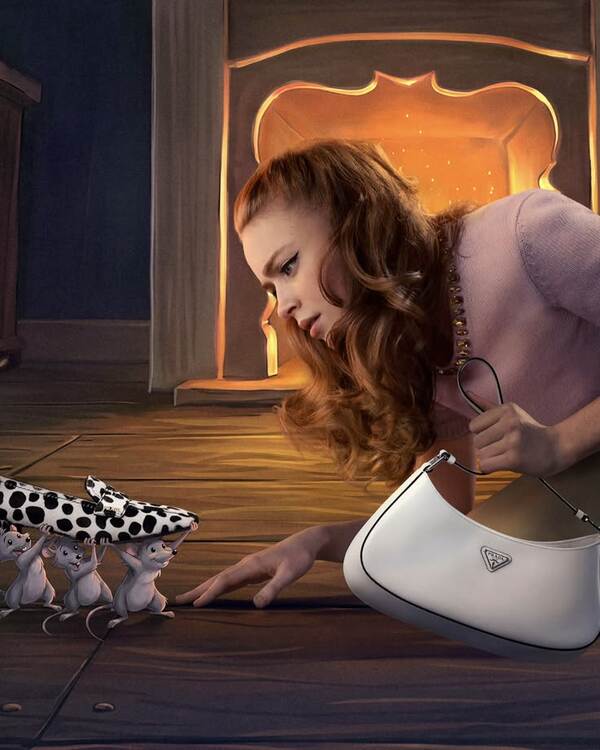
The company’s visual style is built upon the contrast between two registers: illustrated animation and photography.
The Prada Holiday 2026 promotional campaign was not only focused on evoking a sense of winter fairytale and nostalgia for classic Disney animation. The advertising invites viewers into a world where human labor and the imperfection of handcrafted work become the brand’s core message. The campaign featured Maya Hawke, Sadie Sink, Kelvin Harrison Jr., Luther Ford, and Chen Haoyu, with animation helmed by legendary Disney animator John Pomeroy, who worked on Pocahontas and Fantasia 2000.
Thus, Prada expresses a desire to distance itself from the pervasive use of generative tools and to favor the rare contemporary method of frame-by-frame animation.
Unlike many contemporary advertising campaigns that utilize generative imagery, Prada deliberately chose labor-intensive frame-by-frame animation and even released documentary footage of the animators' work, making the production process part of the message.
I chose this campaign because it embodies a paradox worth exploring: a luxury brand whose business model is based on efficiency consciously chooses the most inefficient technique—thousands of drawings for just a few seconds of screen time. This gesture seems irrational from a production standpoint, but it turns out to be rational from a communicative one.
«Drawing Prada: Animated by Hand» is effective advertising because the choice of frame-by-frame animation as both a visual language and a production process simultaneously addresses three goals:
— It establishes an emotional connection through nostalgia — It differentiates the brand amidst the oversaturation of AI content — It transforms the «inefficiency» of production into symbolic luxury value.
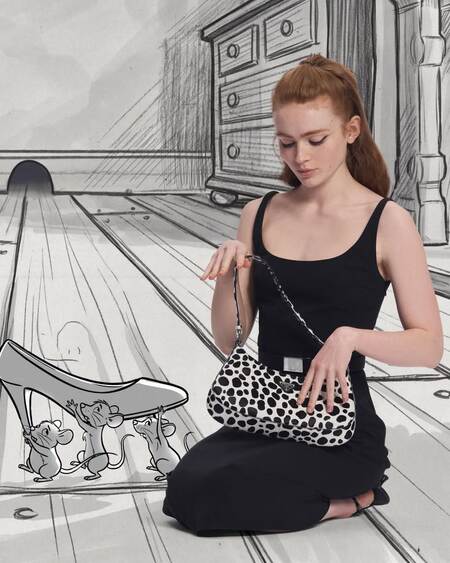
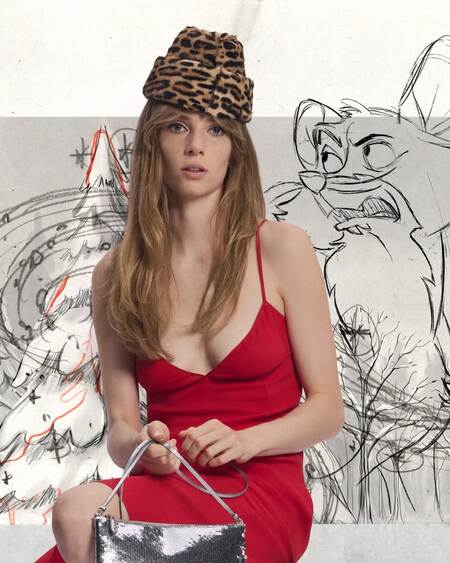
Actresses Sadie Sink and Maya Hawke
The analysis of the commercial video utilized methods such as comparative analysis, analysis of user responses, and evaluation of production decisions through interviews with the creators.
Campaign Character
The character of the advertising campaign is built upon an anti-digital and craft concept. Prada deliberately rejects generative imagery and rapid content production, emphasizing labor-intensive frame-by-frame animation and the «inefficiency» of manual labor as its primary visual and conceptual gesture.
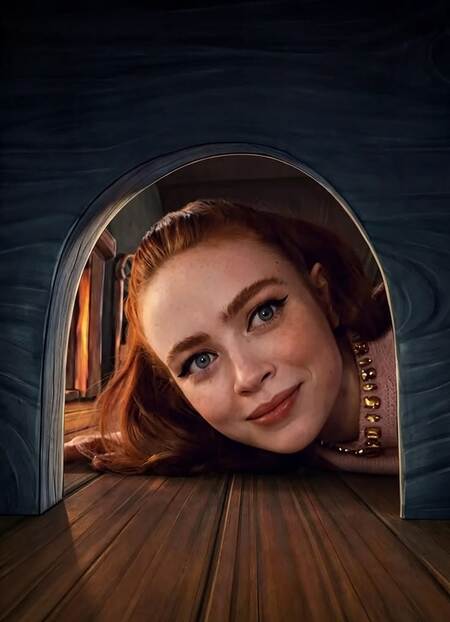
The task is to establish an emotional connection with the audience at a communicative level by evoking a sense of human presence, nostalgia, and authenticity, positioning Prada against the deluge of «AI sludge» flooding the advertising market. At the positioning level, the goal is to cement the brand’s status as a house where craftsmanship and handiwork are not a marketing gimmick but a fundamental value.
Methods of Intervention
Emotional Impact
The emotional impact is built upon nostalgia and the «warmth effect.» The visual language references classic Disney animation—the kind viewers remember from childhood. This aesthetic activates warm memories and lowers critical distance—the audience perceives the campaign not as an advertisement, but as «something familiar.»
Actress Chen Haoyu
Cognitive impact functions through the sunk-cost effect.
The viewer sees not just the final result, but the process—Prada released behind-the-scenes footage of the animators' work, and the lines in the videos are deliberately «shaky,» revealing the artist’s hand. This triggers a specific logic: «If the brand invested this much effort, it means they care.»
The effort is interpreted as proof of authenticity—and this shifts how the product is perceived: the bag, which the mouse steals the shoe for, is viewed as a valuable item rather than just another catalog commodity. Additionally, the «in-crowd» effect comes into play: the campaign appeals to an audience tired of AI and searching for something «human, ” and this audience willingly becomes an ambassador by sharing the video with comments like, „this is how it should be done.“
Behavioral Impact
The behavioral impact is evident in the campaign’s ability to provoke voluntary sharing. A high level of engagement in the comments indicates that viewers didn’t just watch the video—they felt compelled to voice their opinions, thereby spreading the message further.
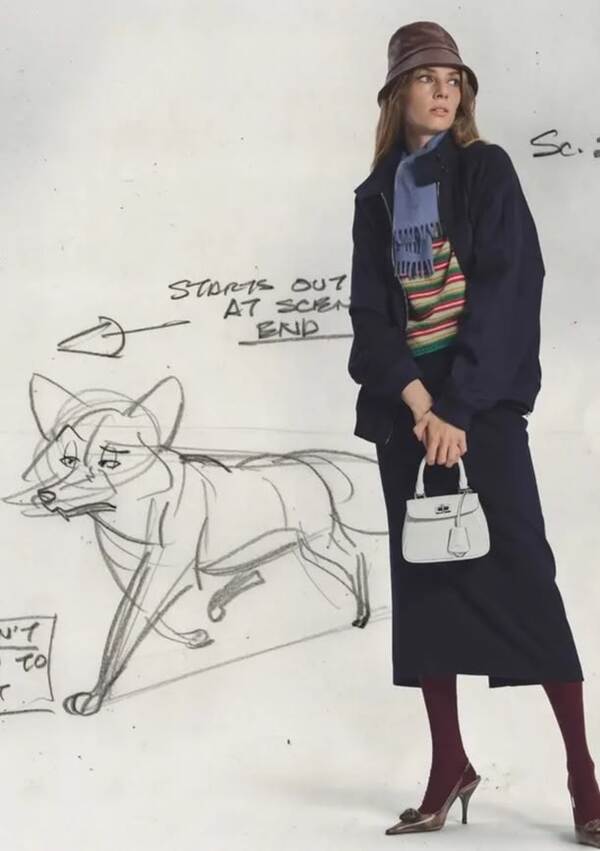
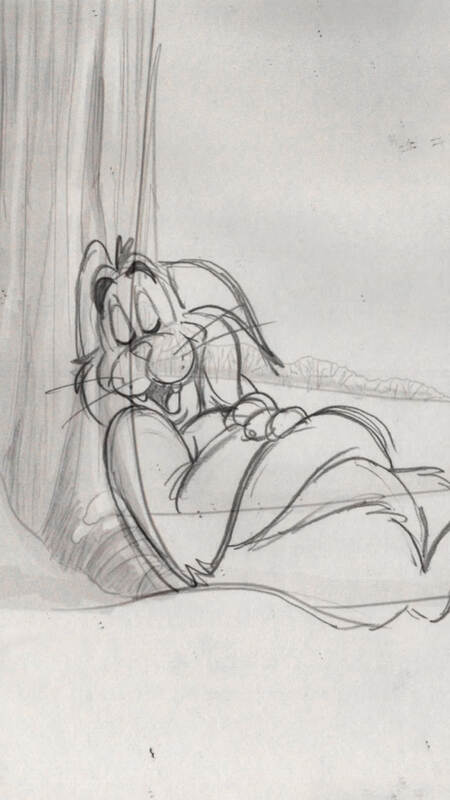
The campaign also fosters an ethos in support of handcrafted labor: users thank Prada for «the brave and absolutely right decision—choosing the warm spirit of a true artist over soulless AI generation, ” which builds reputational capital the brand can leverage in future communications.
Collectively, these methods function as a unified mechanism: nostalgia captures attention, visible labor builds trust, and the contrast with AI transforms aesthetic pleasure into a moral stance—causing the viewer to champion the campaign as if it were their own.