«SNOVA» is a media outlet focused on everyday style, starting with your personal wardrobe. We help you find unexpected combinations of familiar items and curate outfits for your real-life plans for the day.
What if the new look is already in your closet?
Favorite jeans usually go with one T-shirt, the blazer only appears for work, and a dressy skirt awaits the next celebration. This is how familiar outfits are assembled—sets we rarely venture outside of.
We invite you to try something different: pairing the blazer with jeans, using a shirt as the outermost layer, or matching the skirt with a simple sweater. Sometimes, simply changing your shoes or adding an accessory can make familiar clothing look entirely new.
The foundation of these articles is solving specific problems: getting ready for class, selecting an office outfit, or changing for an evening engagement. Each breakdown showcases multiple combinations and explains what items you can substitute if you don’t have them on hand.
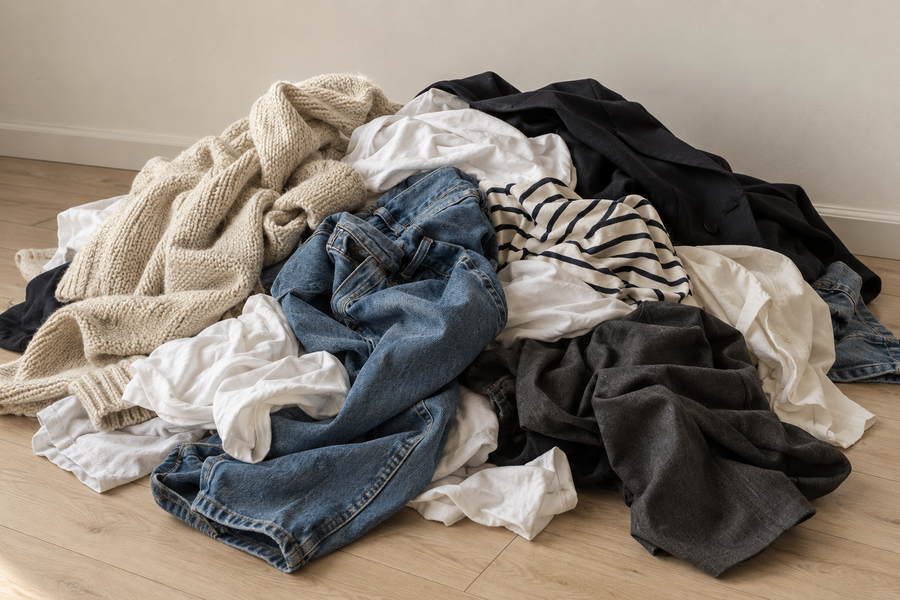
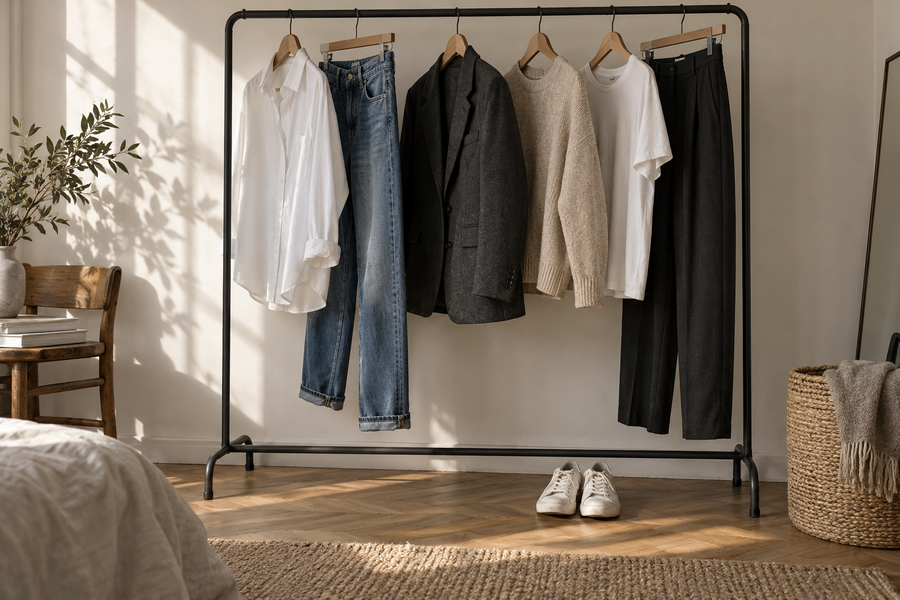
«SNOVA» helps you see more possibilities in the clothes you already own.
We break down combinations and explain how to apply them to your own wardrobe:
— what to pair with your favorite pieces to create a new look; — how to revamp outfits for school, work, or a meeting; — the role footwear, accessories, and layering play; — how to substitute a missing item; — how to bring back clothes you haven’t worn in a long time; — when a new combination is sufficient and when a purchase is necessary.
Our goal is to help readers utilize their existing wardrobe more often and select clothing with pleasure.
Practical media on everyday style. At the heart of every feature is a familiar item and several ways to wear it for different occasions and moods.
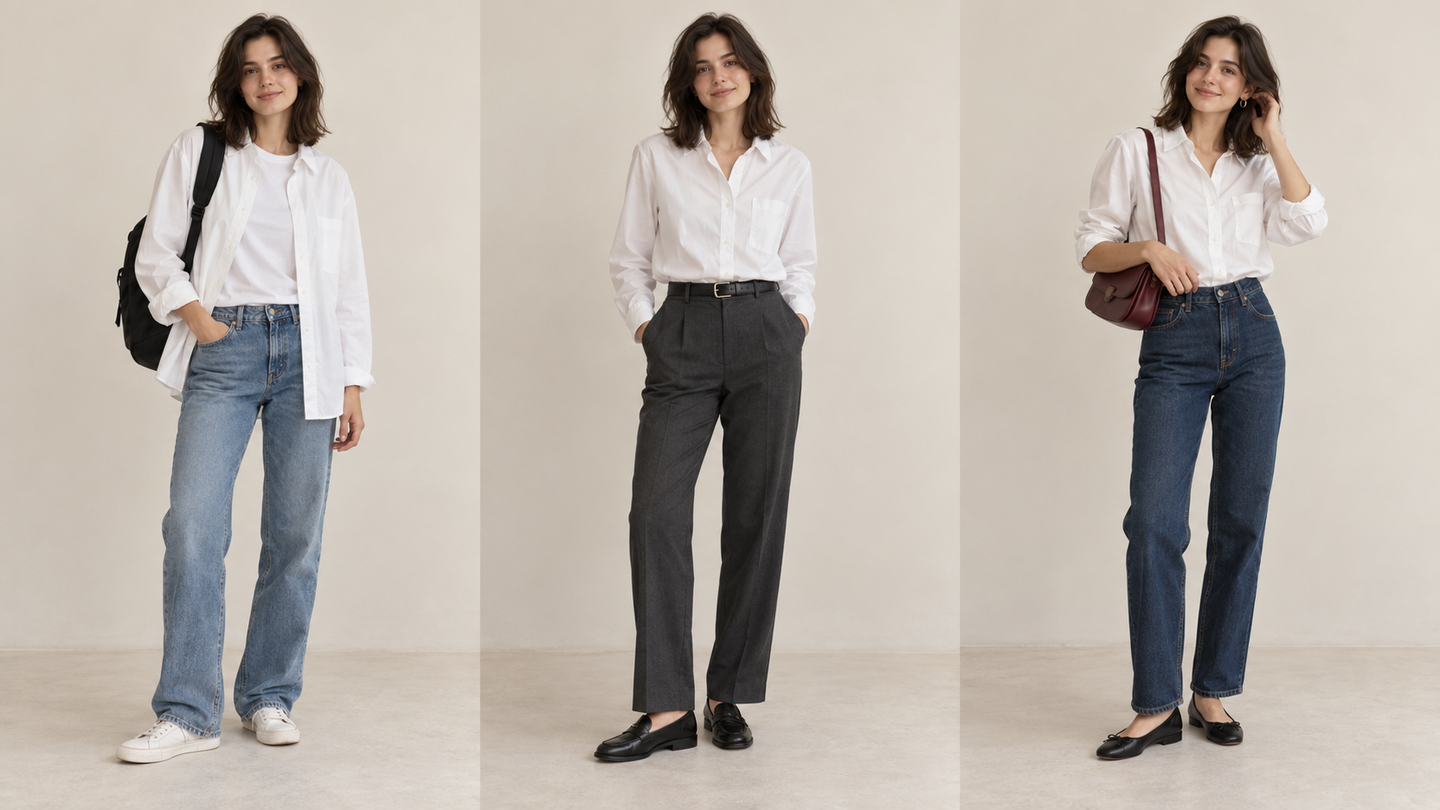
Media Goal.
«SNOVA» demonstrates how to repurpose familiar items for various occasions: studying, working, walking, and socializing. Through simple examples, the reader learns to notice new combinations and try them out on their own.
The media helps readers:
— create several looks using one item; — select outfits that match their plans and lifestyle; — understand how shoes, accessories, and layering pieces alter an ensemble; — find alternatives to items from favored looks; — bring back long-forgotten pieces to their everyday wardrobe; — determine what they truly need before making a new purchase.
The project’s value lies in bridging inspiration with action. The reader receives actionable options that they can try on themselves and replicate with their own clothing.
Segment and Niche Topic
SegmentPractical lifestyle media focusing on fashion, personal style, and mindful wardrobe utilization.Niche TopicNew ways to style existing clothing for everyday life.The project centers on a single garment and its potential: what to wear it with, what situations it suits, and how to elevate a familiar look with its inclusion.Media Focus Areas:— one item in multiple outfits; — looks for studying, working, and leisure time; — combinations of colors, silhouettes, and textures; — layering and attention to details; — substitutions within existing looks; — reader wardrobe analysis.
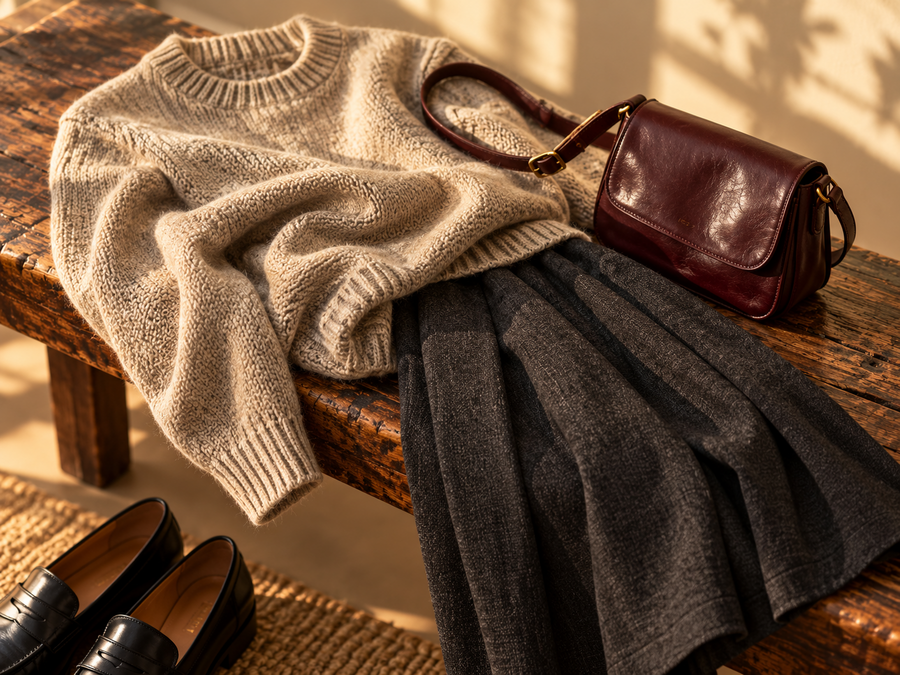
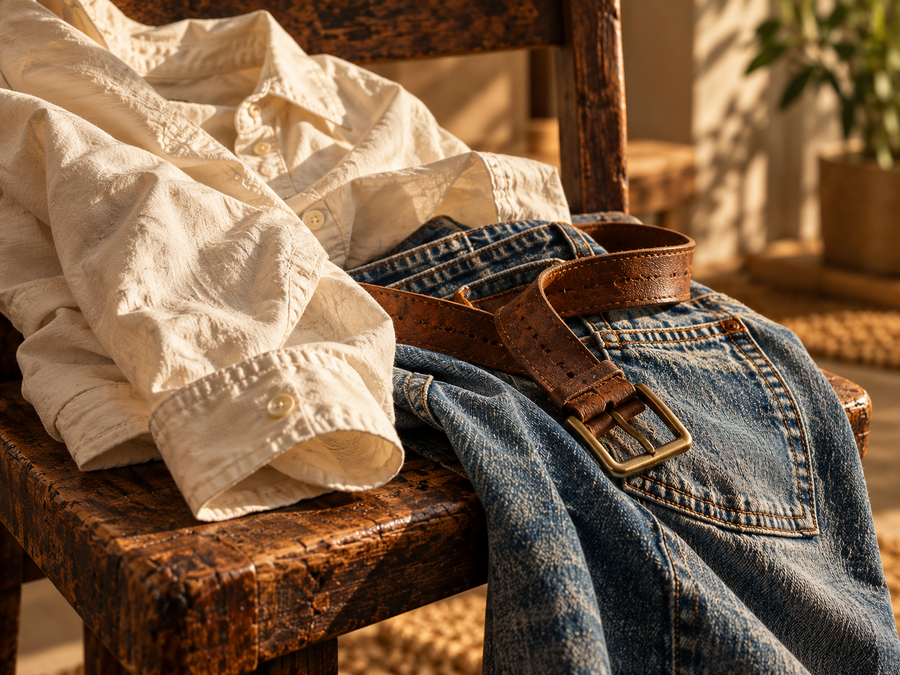
Editorial System
Six sections help explore the potential of everyday clothing through concrete examples.One Piece We select a wardrobe item and assemble several different outfits around it. Example: a white shirt—for a date, the office, or an evening event.Pairing We explain how color, silhouette, and texture work together. We show techniques the reader can replicate. Example: jeans and a sweater—how to transform a familiar look using proportions.Substitution We suggest alternatives to pieces from a favorite look while preserving its mood and comfort. Example: no jacket—how to use a thick shirt as an outer layer.Back in Play We reintroduce clothing that hasn’t been pulled from the closet in a long time into daily ensembles. Example: a «special occasion» skirt—three daily combinations.The Detail We show how a small change affects the entire look: different shoes, a belt, an accessory, or how to tuck in a shirt. Example: one outfit with sneakers versus loafers—what changes?Your Closet We analyze readers' clothing based on their habits, plans, and preferences. Example: five items for a student—outfits for a study week.
You can approach a single shirt with various objectives: showcasing layering, assembling a complete work outfit, using it as a substitute for a light jacket, or complementing an evening look. This allows you to consistently create valuable content based on your familiar wardrobe.
Competitive analysis.
Objective of the Analysis — to understand where the audience seeks inspiration for everyday looks, how easily they can apply advice, and what additional value «SNOVA» can provide. We are studying fashion media, stylist blogs, store content, and visual inspiration services. We are paying attention to the journey from a beautiful photograph to an outfit combination that a person can recreate with their own wardrobe.Analysis CriteriaPositioning and Audience: who the project is aimed at and what problem it promises to solve. Topics: trends, shopping, personal style, or styling existing clothing. Platforms: where the content is published and how it is adapted for each channel. Formats and Tools: articles, cards, short videos, stories, polls, and follower breakdowns. Visual Style: photography, collages, real-life looks, and the visual clarity of combinations. Tone of voice: how understandable the recommendations are and whether the reader retains freedom of choice. Practical Value: whether the look can be recreated, if substitutions are provided, and what elements we should borrow for our project
Direct Competitors
Pinterest A visual search service where users find and save ideas to thematic boards. For the «SNOVA» audience, it can serve as an alternative way to search for outfit combinations. Source. Platforms: website and mobile app. Tools: pins, boards, sections, saves, and links. Visuals: diverse, depending on the creators and chosen collections. Tone of voice: lacks a unified editorial voice; images convey the primary information. Strength: convenient search and organization of visual ideas.LamodaA fashion platform that merges clothing purchasing with style content. It develops a fashion magazine and item-selection tools, including an AI stylist. It competes for the attention of the person deciding what to wear. Source. Analysis platform: website. Formats and tools: articles, collections, product recommendations, AI stylist. Visuals: commercial fashion, complete outfits, and clothing photographs. Tone of voice: accessible, inspiring, and helpful in making choices. Strength: connecting the user’s query to specific clothing options. Key insight: selection should begin with the context—the occasion, season, and preferences. «SNOVA» applies this logic primarily to items the reader already owns.Marie Claire A lifestyle media outlet where fashion coexists with other facets of daily life. It publishes stylist advice and materials on building a foundational wardrobe. The reviewed article emphasizes the link between clothing and an individual lifestyle. Source. Analysis platform: website. Formats: expert articles, lists, recommendations, photo collections. Visuals: magazine-style, featuring illustrations of complete looks. Tone of voice: explanatory, expert, and occasionally definitive. Strength: detailed topic exploration and specialist participation. Key insight: recommendations are most useful when they take into account a specific person’s life. «SNOVA» uses this principle in brief breakdowns: one task, multiple solutions, and the option to choose what fits best.
Indirect Competitors
The Symbol A fashion media outlet offering recommendations for clothing selection and styling. In its analyzed publications, it showcases several ways to wear a single item—for example, a shirt. This aligns closely with the core mechanic of «SNOVA.» Source. Analysis platforms: website. Formats: short articles, combination guides, photo examples. Visuals: fashion looks, photographs of celebrities and street style. Tone of voice: light, advisory, focused on current fashion. Strength: visual demonstration of various styling options. Key insight: the «one item—multiple looks» format is already used by competitors. To differentiate itself, «SNOVA» adds a specific scenario, an explanation of the combination, and accessible substitutions for each option.12 STOREEZ A clothing brand that presents finished combinations and produces wardrobe content. In the studied video, a stylist offers several looks and explains the item choices. Source. Analysis platforms: website and YouTube. Formats: collections, outfit photos, styling videos. Visuals: restrained, with attention to colors, silhouettes, and textures. Tone of voice: calm, advisory, product-focused. Strength: holistic presentation of the wardrobe. Key insight: combinations are easier to digest when the visual is not cluttered. «SNOVA» adopts this principle but works with clothing from various brands and the reader’s personal items.
Potential Competitors
Lifhacker A practical media outlet offering instructions for daily life. It publishes materials on basic wardrobes, clothing selection, and organization. Source. Analysis platform: website. Formats: instructions, lists, checklists, explanatory articles. Visuals: functional, supporting the recommendations. Tone of voice: clear, practical, problem-solving oriented. Strength: clear structure and sequential actions. Main insight: useful material must help the user take the next step. For «SNOVA,» this means the ability to immediately try on the suggested combination.T—Zh Media featuring stories about everyday life and personal experiences. In the «Readers' Wardrobe» feature, characters share details about their favorite clothing and shoes. Source. Analysis platform: website. Formats: personal narratives, reader submissions, clothing selections. Visuals: photos of the featured individuals and their clothing. Tone of voice: specific, conversational, rooted in personal experience. Strength: real-life wardrobes and relatable circumstances for making choices. Main insight: readers can become protagonists and co-creators of the media. «SNOVA» develops this idea in the «Your Closet» segment by creating new outfits from submitted items.Goryashchaya Izba A women’s media outlet focused on daily life. Its public posts cover topics related to responsible care for clothing and eco-friendly wardrobes. Source. Analysis platforms: website and Telegram. Formats: articles, recommendations, short posts with links. Visuals: illustrations and photographs accompanying the topic. Tone of voice: conversational, supportive, accessible. Strength: connecting everyday issues with self-care and personal habits. Main insight: clothes reuse can be discussed without guilt or pressure. «SNOVA» encourages experimenting with a wardrobe at a pace comfortable for the reader.
Competitive Analysis — Findings
Your Existing Wardrobe The starting point of this publication is the clothing a person already owns. New purchases become a possible addition, not a prerequisite for a look.Specific Scenarios The combinations are tied to real-life plans: studying, working, strolling, or meeting up. It’s easier for the reader to understand when and why to use a recommendation.Actionable Guidance Each analysis provides several options, explains the reasoning behind the choices, and suggests alternatives. A beautiful image can become your own complete outfit.
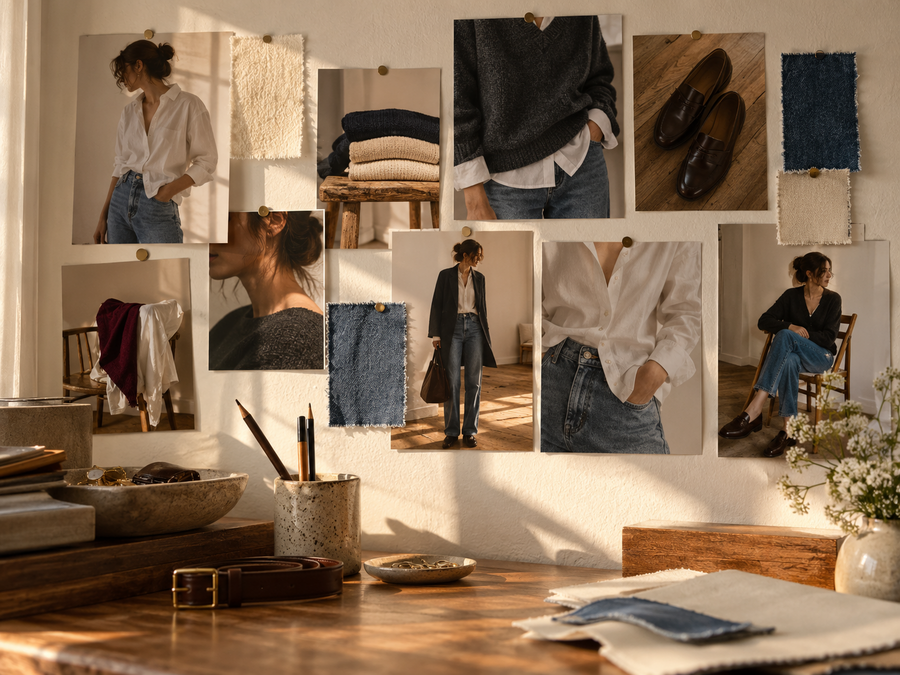
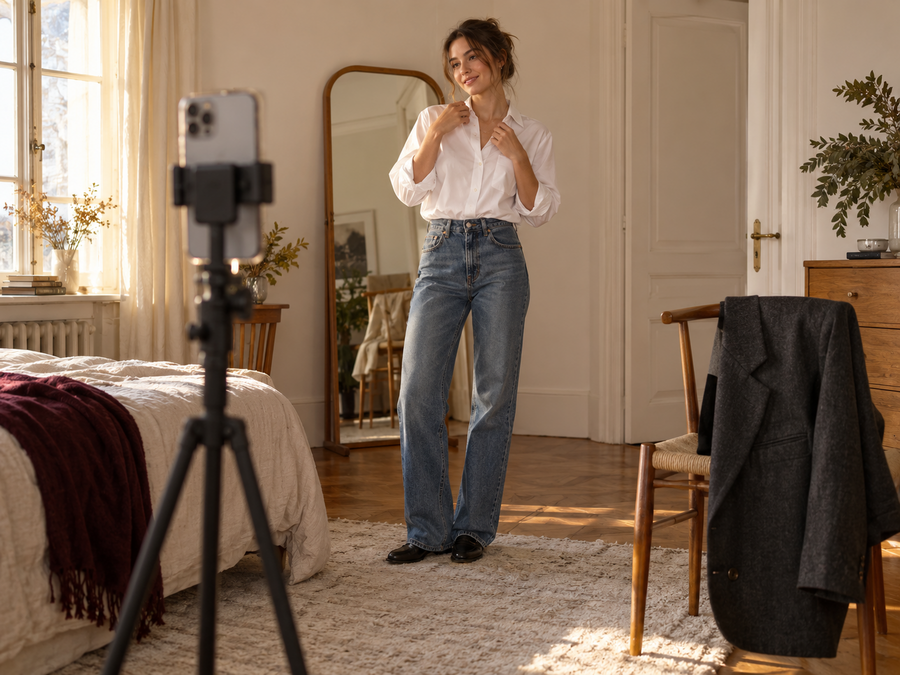
From the analysis, we borrow expressive photography, concise instructions, thematic navigation, and reader stories. Based on these elements, we create a recognizable format: familiar object → several combinations → situation → replacements.These conclusions are based on the reviewed open materials. The audience’s preferences and the format’s demand will be tested through surveys, discussions, and initial publications.
Distribution Channels
Each platform serves a specific function: introducing a project, explaining a combination, or helping preserve a useful idea.
Telegram — Try it and discuss The main platform for «SNOVA» and a place for regular communication with our readers. Channel content includes: — one item presented in multiple looks; — short explanations of pairings; — options for swapping clothing and accessories; — polls and discussions; — breakdowns of subscribers' wardrobes; — topic navigation. Posting presents a small challenge that you can try immediately: for instance, tucking in a shirt, adding a layer, or changing your shoes.VKontakte — See the transformation A platform for introducing the project to a new audience through short videos and cards. The core principle is: one item → several options → a noticeable difference. Examples include: — a white shirt for school, work, and meetings; — one outfit paired with sneakers and loafers; — how to wear a dressy skirt every day; — how to change a look by adding an outer layer.Pinterest — Save the idea A visual archive of combinations that is easy to return to. We plan to publish: — collections based on specific items; — layouts of complete outfits; — «one item—three looks» cards; — examples of color and texture pairings; — substitution options; — boards dedicated to life situations.