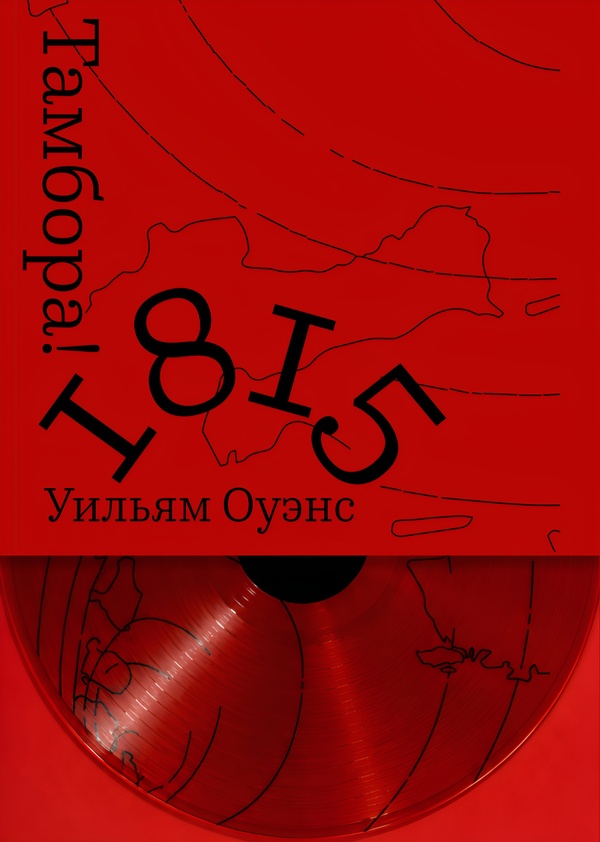

● William Owens composed «Tambora!» as a programmatic concert piece for a school orchestra. It is very short in duration (only 1 minute and 20 seconds) and technically very simple (using only six notes), yet it attempts to evoke the catastrophic eruption of Mount Tambora in 1815 through sound.
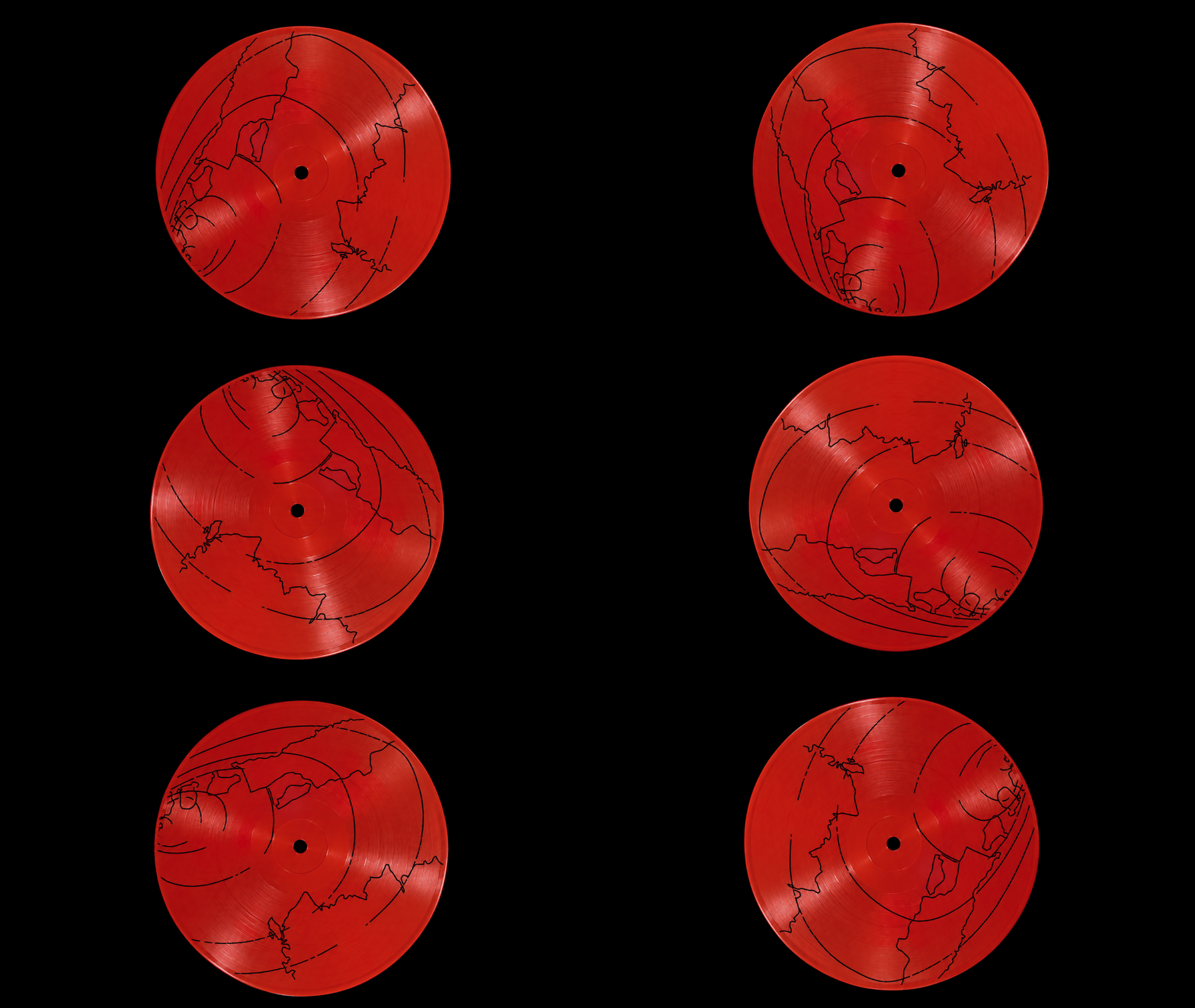
The lines on the diagram illustrating the blast wave propagation from the 1815 eruption formed the basis of the graphics.

● Owens’s piece is not merely abstract music, but a sonic illustration of a real historical event, where the composer attempts to convey the magnitude of a natural disaster that changed the climate of the entire Earth through simple means (clapping, stomping, percussion).
● In the play, bold melodies intertwine with the sounds of claps and footsteps, which are not mere ornamentation—they serve as a way to convey the rumble and shuddering of the earth. It is recommended for listening while reading the calendar of the Tambora eruption’s consequences.