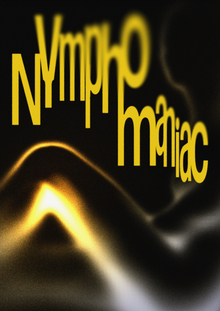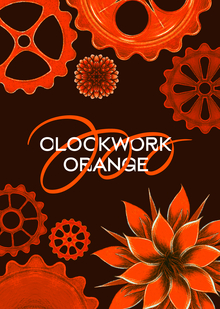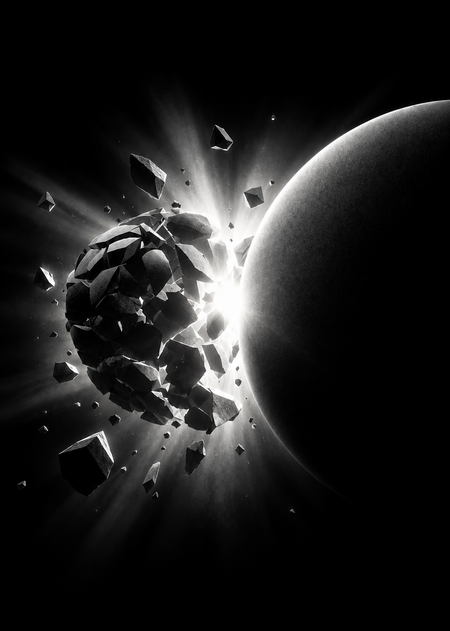
Alternative opening titles for Lars von Trier’s film Melancholia (2011). The concept is based on the slow approach of two planets, symbolizing the inevitability of catastrophe. The letters transform into stars, scatter across space, and gradually coalesce into names. Through movement, light, and typography, the titles convey the film’s anxious atmosphere and the feeling of an impending end.
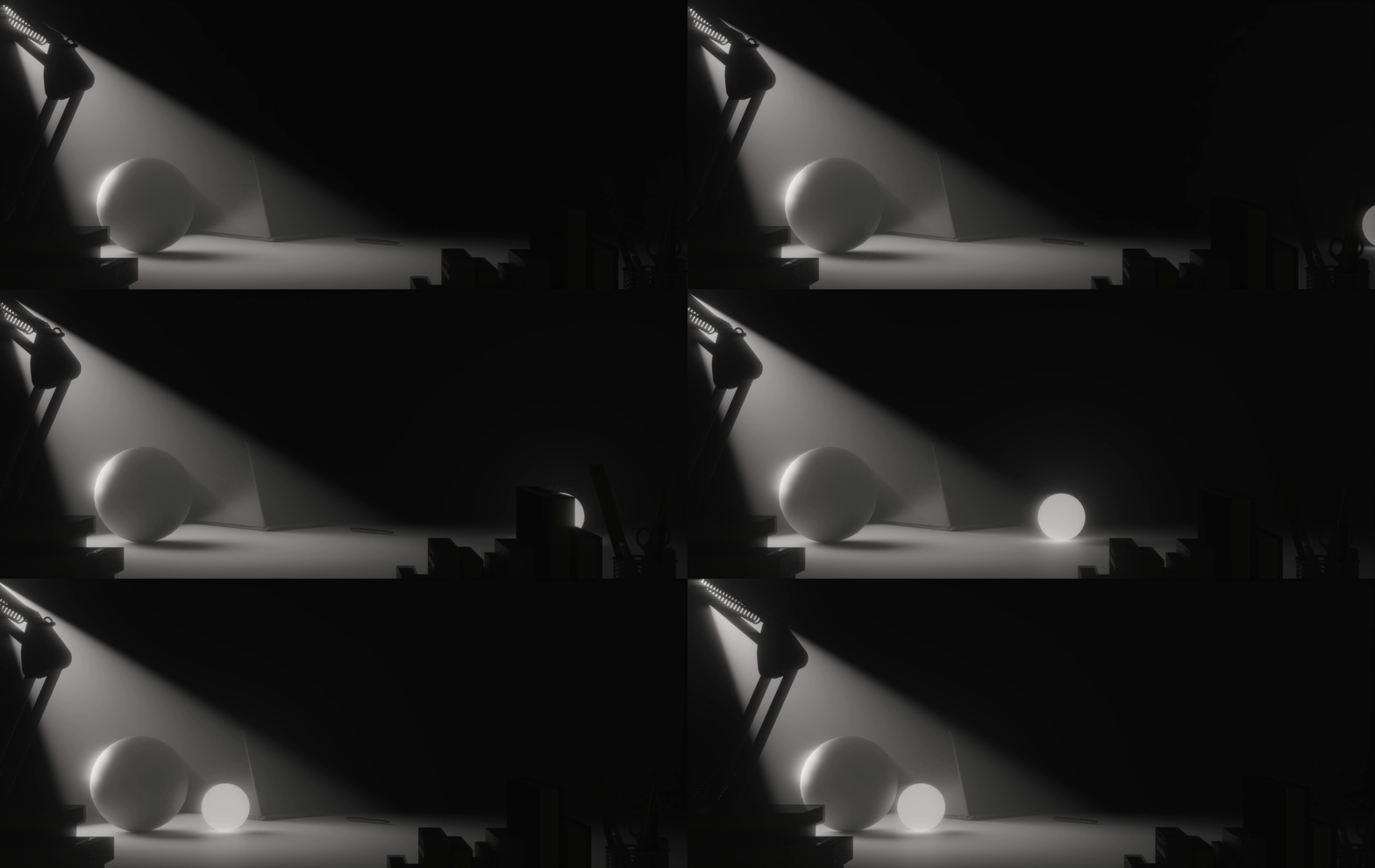
Anticipation of disaster
The central image of the credits will be the collision of two planets. Their gradual approach serves as a visual metaphor for inevitability, while the infinite black expanse heightens the sense of loneliness and anxiety. Instead of rapid action, the composition relies on slow movement and prolonged pauses. The viewer observes the approach of a catastrophe whose outcome is predetermined.
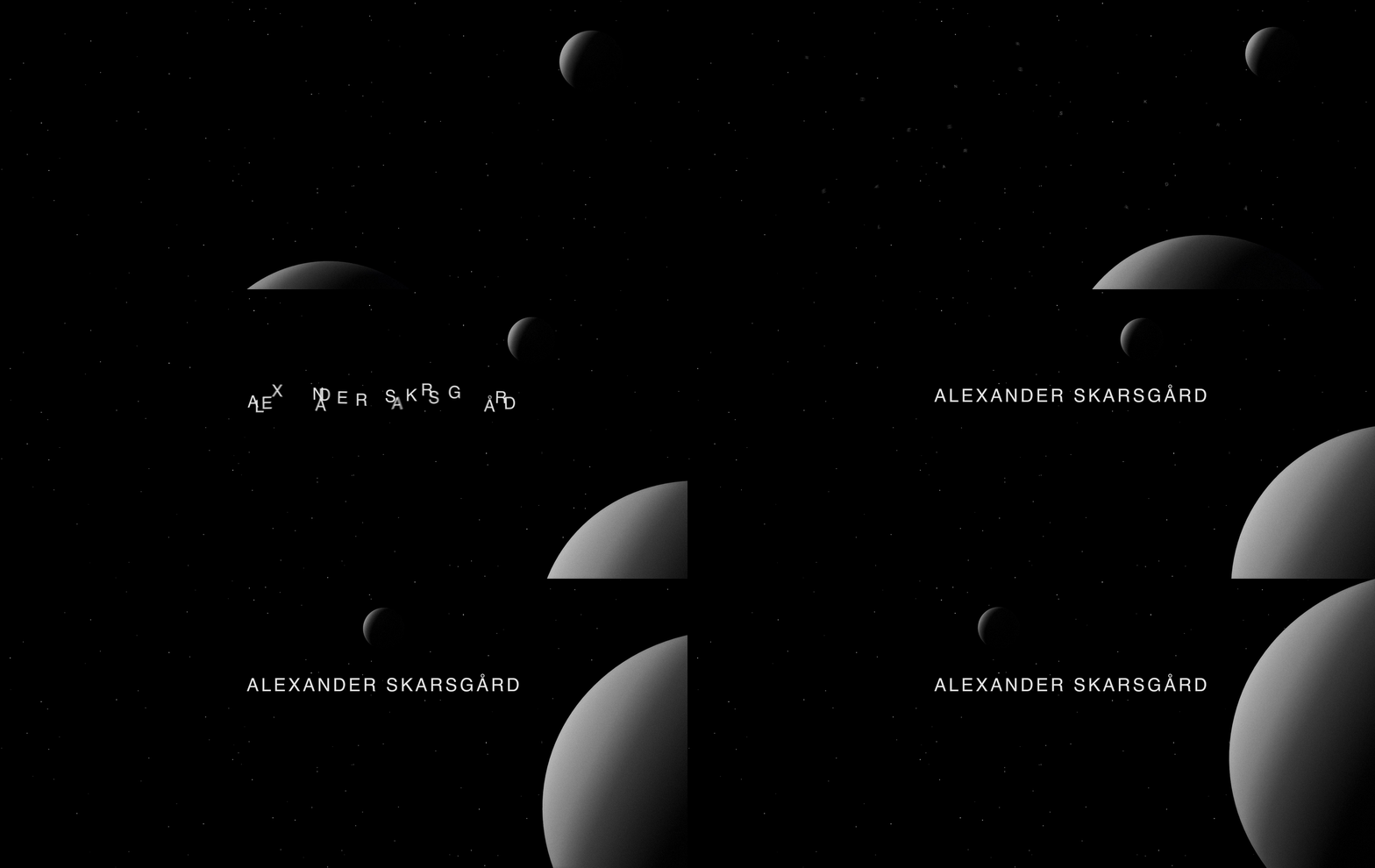
Typography becomes a part of the cosmic expanse. Dispersed letters move like stardust, gradually coalescing into the names of the film’s participants. After the text appears, the symbols dissolve again, vanishing into the darkness. This decision unites graphic design and motion into a single visual image.
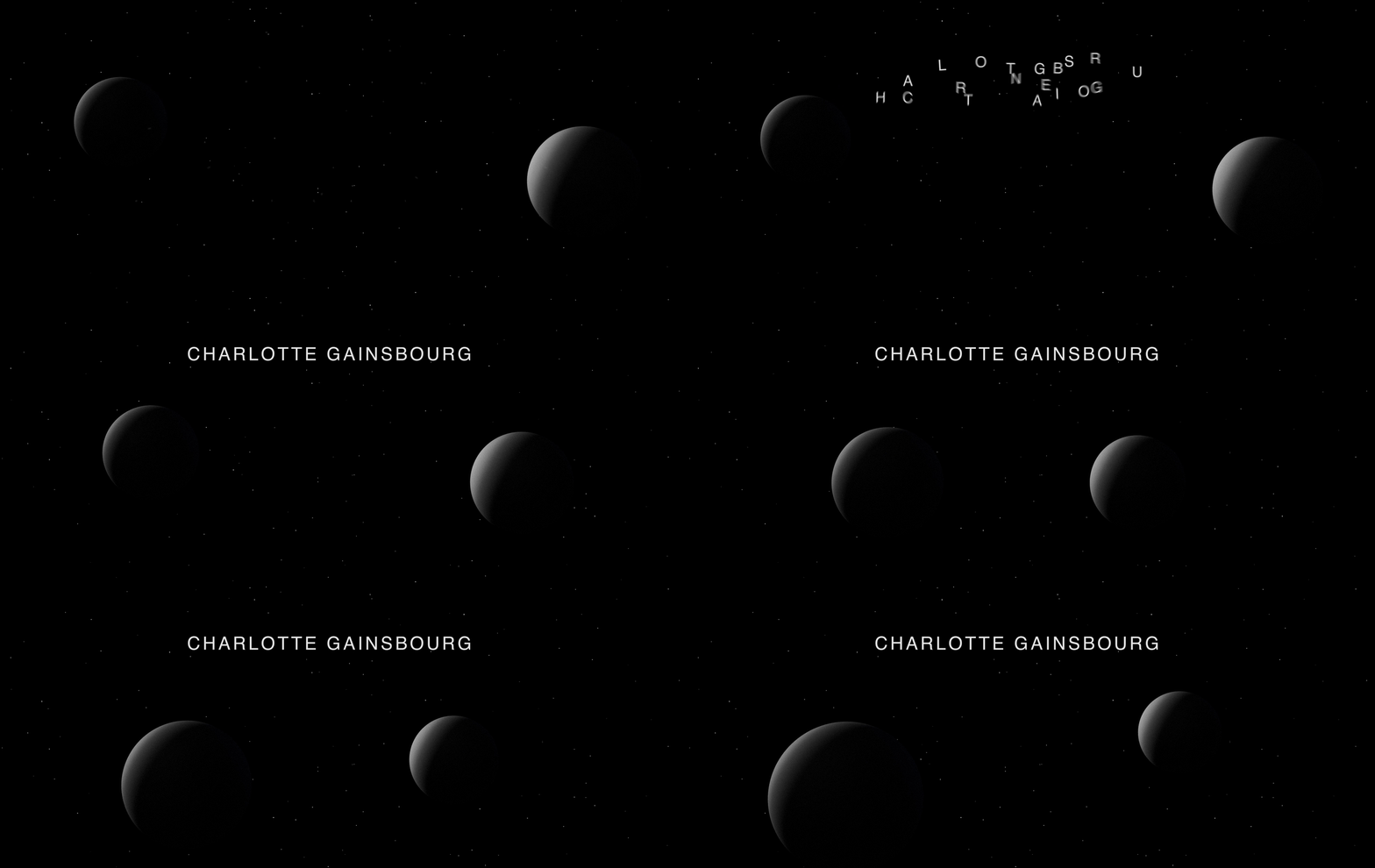
The composition is built upon long shots where the planets slowly move toward one another. The changing scale and distance between the objects create a sense of inevitable collision. The movement develops gradually—from a nearly static starry expanse to the final convergence of the celestial bodies.
The visual system is built on a monochromatic palette, a deep black background, and cool, directional lighting.
Fine grain and scattered stars complete the image, creating a sense of depth and a cinematic atmosphere.
The Creation Process
Work on the titles began with concept development and storyboarding. The sequence of shots, the characteristic motion of the planets, and the principles of typographic appearance were defined. Cinema 4D was used to construct the volumetric objects, lighting, and virtual camera movement. Further work was conducted in Adobe After Effects: animating letters, stars, setting glow effects, and unifying the visual elements into the final sequence. Special attention was paid to movement trajectories, the smoothness of transitions, and the unified rhythm of the composition.