
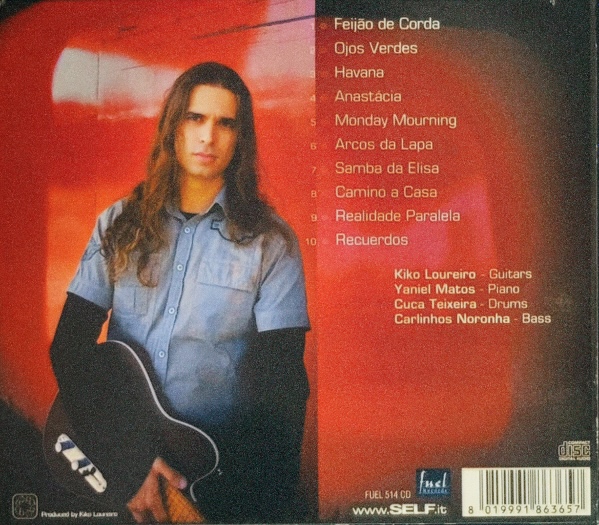
In 2006, the renowned Brazilian guitarist Chico Loreiro (Pedro Henrique Loreiro) released the album Universo Inverso, which blended the core musical structures of Brazilian jazz culture with the technically complex and rapid guitar playing characteristic of heavy rock and metal genres.
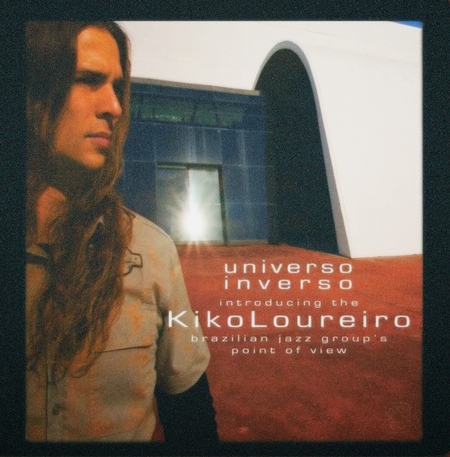
The fusion of jazz and rock cultures, also known as «jazz fusion» and «jazz rock,» emerged and was popular back in the 60s, but this phenomenon remains relevant today for musicians. This is because the evolution of the music industry—particularly rock music—has introduced new instrumental techniques that weren’t present before, thereby creating opportunities to innovate within the genre’s boundaries.
In Brazil, jazz culture is significant in variations of its style, such as bossa nova—a genre that emerged in the 1950s as a fusion of folk and jazz traditions—and samba, a genre primarily known as dance music also tied to inherited traditions. Both styles feature a very distinctive and characteristic rhythmic structure, incorporating syncopation (shifting the accent to a weak beat) as well as polyrhythm—the layering of rhythms over one another.
Kiko’s musical creativity was influenced by his cultural background and the rock and metal music industry, where he is most renowned. He is best known for his work with the popular bands Angra (one of the most renowned Brazilian prog-metal bands) and Megadeth (an American thrash-metal band that was pivotal in defining its genre).
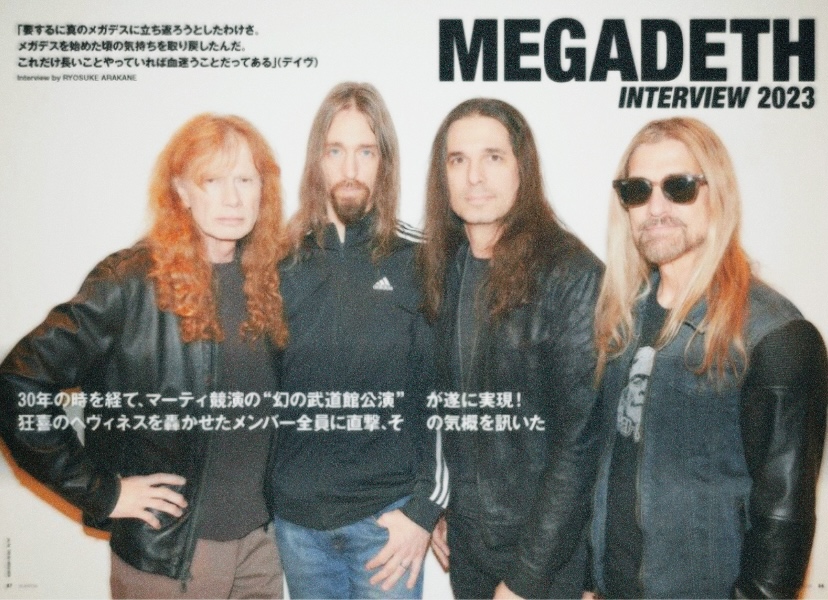
Kiko Loreiro from Megadeth, alumnus of Rokin’on magazine, 2023
Clip from the «We’ll Be Back» solo live performance from the Waken festival (2023)
Inverse Universe
Alongside Kiko, professional jazz musicians collaborated on creating this album: keyboardist Yanyel Matos, also known on the Cuban salsa scene, bassist Carlinyus Noronha, session musician and composer Edgar Teixeira, and drummer Edgar Teixeira. The conceptual idea behind the album was to present their perspective on what Brazilian jazz is, developing an idea about its various elements in each track.
Feijão de Corda — Inverse Universe
The album’s composition incorporates influences from 80s jazz-rock, Spanish music, and Brazilian music—for instance, «Samba da Elisa» features a structure clearly characteristic of the samba style—as well as Latin American rhythms (in «Camino a Casa»). All of this is fused with technically proficient guitar parts that include staple metal techniques, such as shred, sweep-picking, tapping, and more. Furthermore, the guitar arrangements, carrying shades of both rock and jazz, fit musically and rhythmically into the album’s structure, creating clarity and expressiveness within the stylistic aspects of each track.
Samba Da Elisa — Reverse Universe
Green Eyes — Inverse Universe
Thus, it can be concluded that this album is indicative of the development of contemporary jazz-rock and jazz fusion genres, while simultaneously being technically innovative.