Introduction
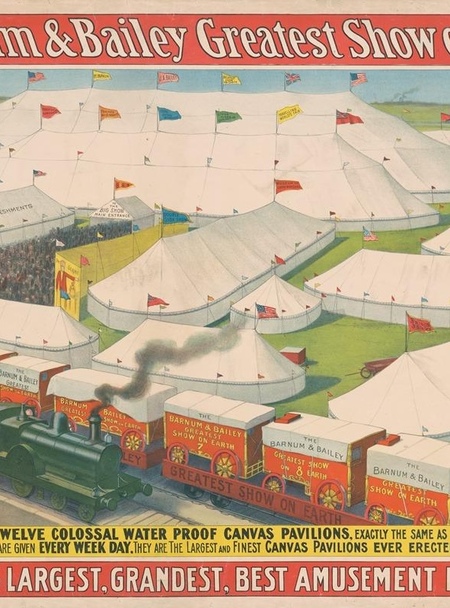
The circus is not just a performance; it is an entire mobile system—architecture, transportation, infrastructure, labor, and daily life.
The circus represents a unique model of a mobile settlement where architecture, daily life, work, and leisure are unified within a single, portable system. Unlike a traditional home, the circus is not tied to a specific location; it is capable of creating its own temporary habitat, moving, and recreating it in a new place.
When the circus arrived in a new city, it established a temporary settlement on the territory: tents, residential cars, kitchens, storage facilities, stables, workshops, and transport. In essence, it was an autonomous city that appeared for several days and then vanished completely.
Navigation
oo
1. Where did the history of the circus begin?
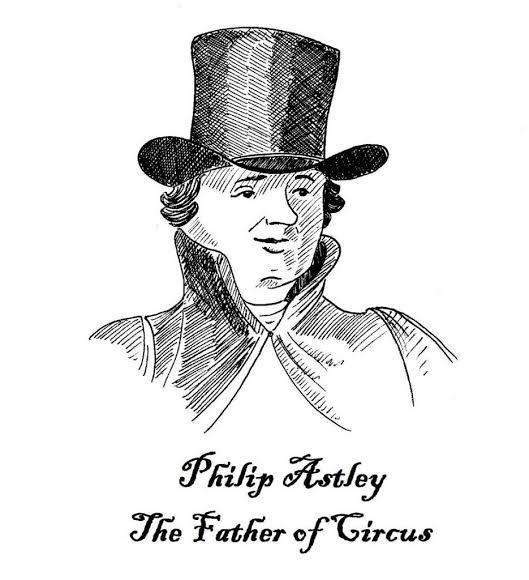
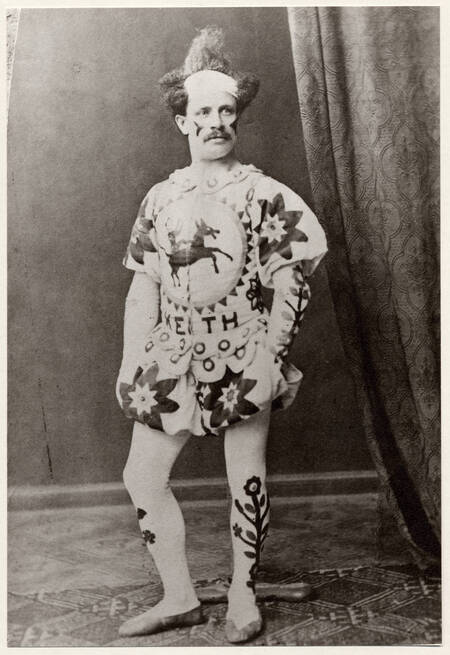
1. Philip Astley, Father of Modern Circus 2. Charlie Keat, Circus Artist
Modern circus emerged in the second half of the 18th century. One of the key figures in its development was the English equestrian Philip Astley. In 1768–1769, he organized a venue for equestrian performances in London, around which the familiar format of the circus show gradually took shape: a round ring, seating for spectators, acrobats, clowns, and horse performances.
Early circuses were not yet mobile settlements in the conventional sense. Performances took place in specially designated venues, and sometimes in wooden structures. Some of these featured permanent constructions and even stables for the horses. However, circus troupes gradually began traveling between cities in search of new audiences.
In the early stages, these were small, family-run businesses. One family might organize the shows independently, transport horses, props, and necessary supplies. Artists often juggled multiple roles: they performed in the ring, managed the show’s organization, and maintained their own infrastructure.
Gradually, the circus ceased to be merely a performance that visited a city. It began transforming into an entire itinerant system capable of autonomously organizing a space for living and working.
A crucial development was the introduction of portable structures. In 1892, the British circus artist and owner Charlie Keith patented a mobile circus building. Its design consisted of wooden elements and a canvas roof that could be disassembled and stacked for transport. Inside, there were provisions for spectator seating, a ticket booth, and even a promenade area.
2. Big Tent
The Birth of the Big Top: The Circus Tent as Architecture
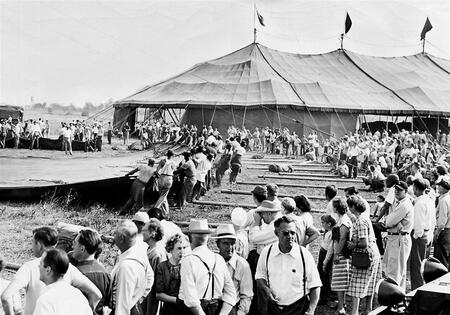
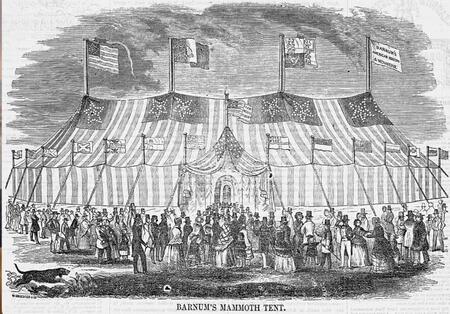
1. Circus in Town: Ringling Brothers, Barnum & Bailey visit Toledo in 1937 2. 1875: Barnum’s Hippodrome
One of the most significant events in the history of the traveling circus was the introduction of the large tent known as the Big Top.In 1825, American Joshua Perdy Brown began using a canvas structure in the circus that could be quickly set up, dismantled, and transported to another location. Prior to this, circus performances relied mainly on fixed venues or temporary wooden structures.The tent proved to be a much more practical solution. Setting it up required a fabric cover, wooden supports, ropes, and fastenings. The entire structure could be transported in a relatively compact form.The arrival of the Big Top fundamentally changed the nature of the circus. The troupe no longer depended on the availability of a suitable building in the city they visited. They could independently create a performance space almost anywhere.
Photo of a circus structure, 1950s, Pacific Coast of Mexico.
The architecture of the tent was built around several core elements: central supports that held up the main structure; fabric coverings that formed the roof and walls; side poles that provided stability; guy ropes and moorings that anchored the tent to the ground; and a circular arena around which spectator seating was organized.
A key distinction between the tent and a traditional building was the absence of a permanent foundation and load-bearing walls. The architecture existed through a system of tension, supports, and fixings.
Later, the structure became more complex. Taller supports, domes, and larger expanses of fabric appeared. The development of aerial acrobatics also required greater height for the structure.
3. RV Life
3.1 How did circus artists live?
For many circus families, travel was not a temporary adventure but a permanent way of life. Artists could spend most of the year on the road, moving between cities and countries.
Their home was the caravan, or verdine. This was a small residential wagon, which was transported by horses, and later by cars and trucks.
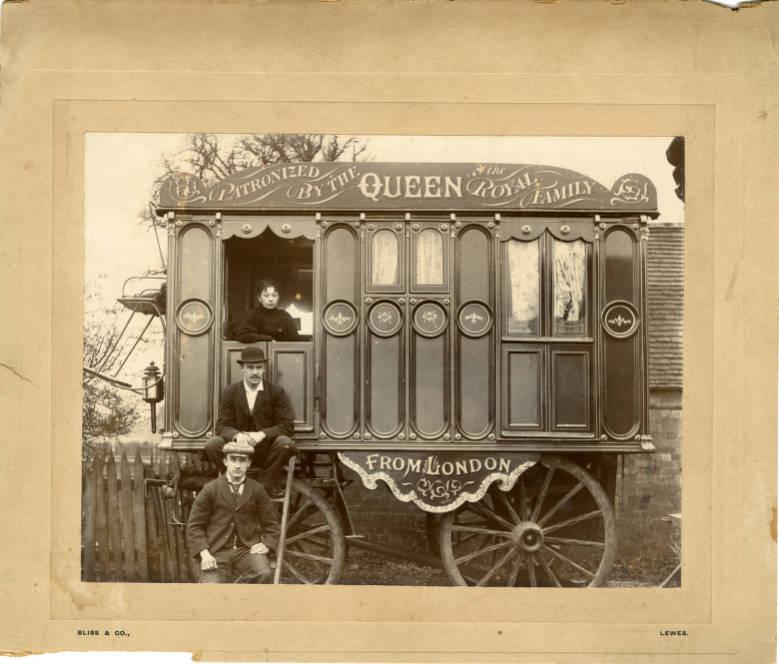
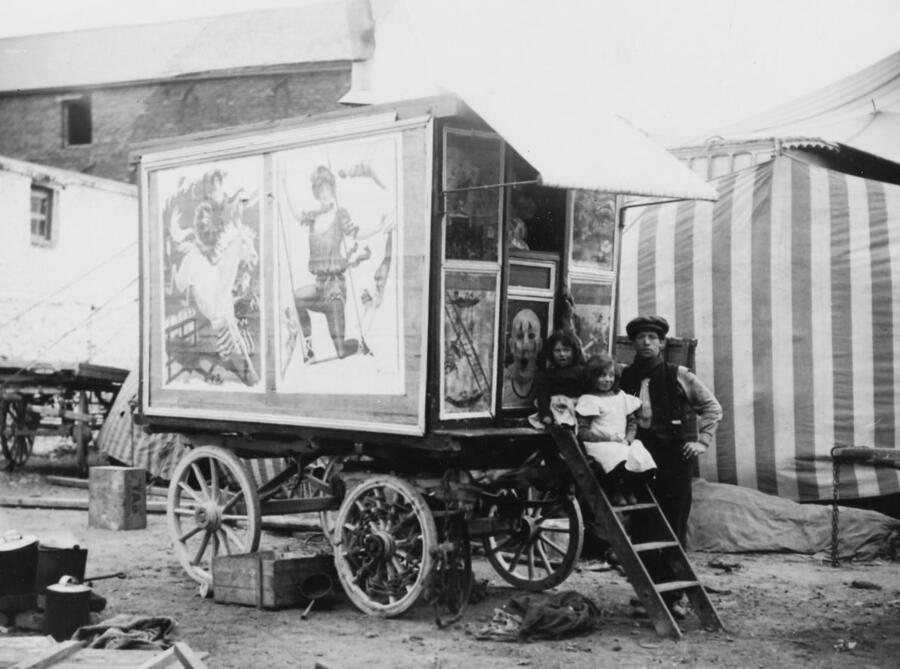
1. Life of Traveling Circus Performers in Strabane, Northern Ireland in the Early 1910s 2. Sangers Circus Living Wagon, c. 1880–1899
The Barnum & Bailey greatest show on Earth, the world’s largest, grandest, best amusement institution (1899) // https://artvee.com/dl/the-barnum-bailey-greatest-show-on-earth-the-worlds-largest-grandest-best-amusement-institution-2
Philip Astley, father of the modern circus // https://raluy.com/ru/philip-astley-padre-del-circo-moderno/
Charlie Keith, circus performer // https://tudorscircuscambridge.uk/1890-to-1893-keith-in-cambridge-tudor-on-the-move/
Circus in town: Ringling Brothers, Barnum & Bailey visit Toledo in 1937 // https://www.toledoblade.com/memories/2017/07/17/Circus-in-town-Ringling-Brothers-Barnum-Bailey-visit-Toledo-in-1937
1875: Barnum’s Hippodrome // https://lafayettesquarearchives.com/1875-barnums-hippodrome
Photo of a circus structure, 1950s, Mexican Pacific Coast // https://www.doportugalcircus.com/history