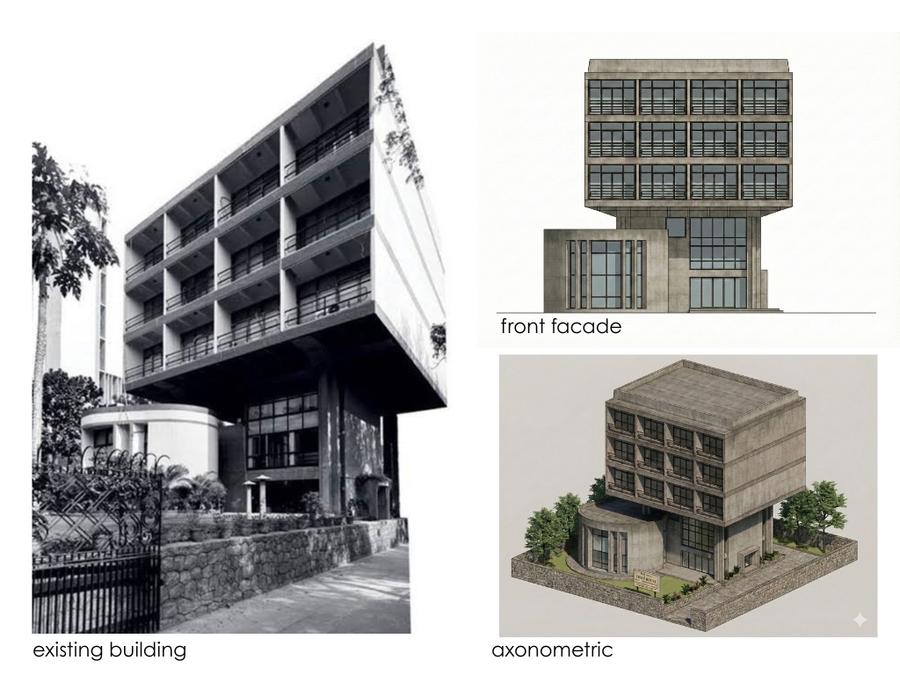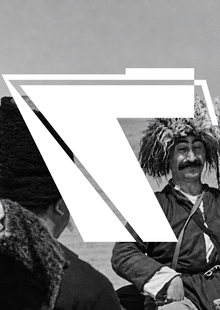
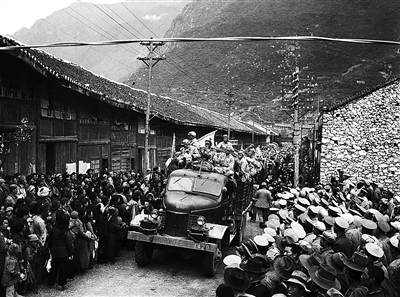
Tibet House Museum in Delhi was established as a cultural refuge during a moment of displacement, when Tibetan communities in exile sought to preserve their art, philosophy, and collective memory outside their homeland. Conceived not merely as a museum but as an archive of living culture, the building has evolved over time into an institutional space for learning, preservation, and dialogue. This dual role of sheltering fragile cultural artifacts while remaining open to the public forms the foundation of the facade intervention. The proposed design responds to this condition by reinterpreting the building as a «wrapped archive, ” where layers of protection, memory, and continuity are expressed architecturally rather than symbolically. (Fig. on left: PLA marching into Kangding, 1950)

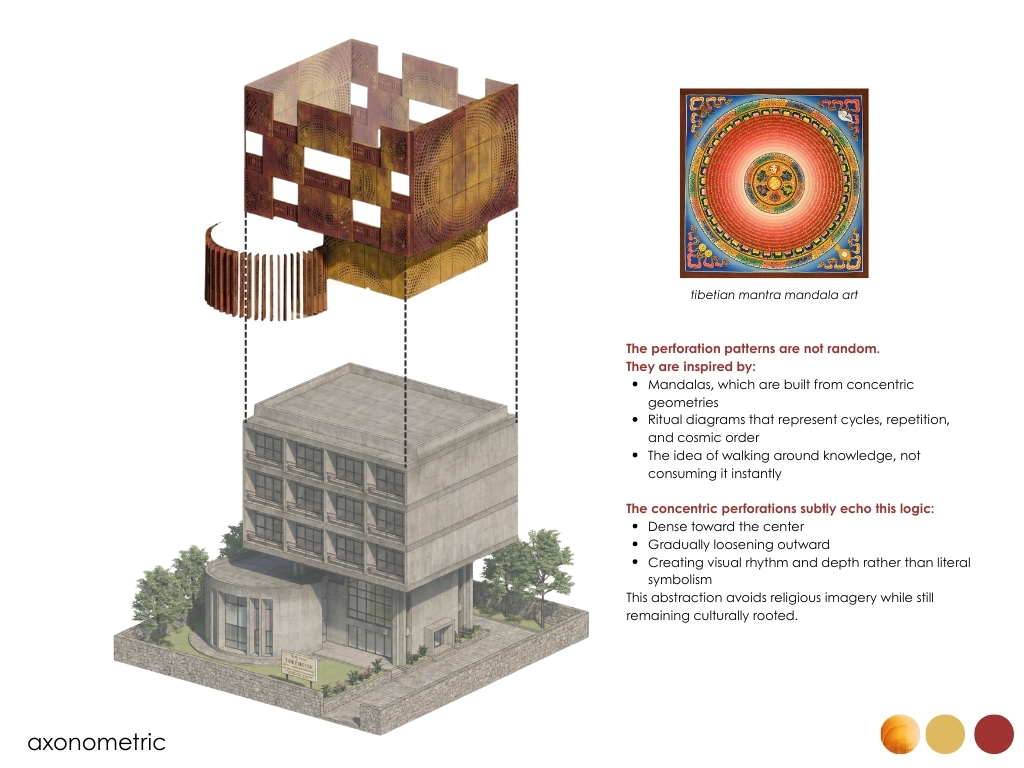
Tibetan art and artifacts housed within Tibet House—particularly thangkas (paintings), manuscripts, and ritual objects are inherently fragile and traditionally treated as layered, portable archives rather than static displays. These objects are wrapped, unwrapped, filtered through light, and revealed gradually, emphasising protection as much as visibility. This sensitivity to light is reflected in the original building itself; constructed in 1974 in a restrained Brutalist architectural language, the museum incorporates largely closed east and west façades to minimise direct sunlight and ensure controlled interior conditions. The proposed façade intervention builds upon this logic, not by altering the existing structure, but by introducing a secondary layer that extends the building’s original protective intent. Through perforation, depth, and gradient, the new skin operates as an architectural filter offering controlled light modulation and visual symbolism while remaining subordinate to, and respectful of, the original Brutalist massing. (Fig. Teacher (lama), Ground Mineral Pigment on Cotton, 1800 — 1899)

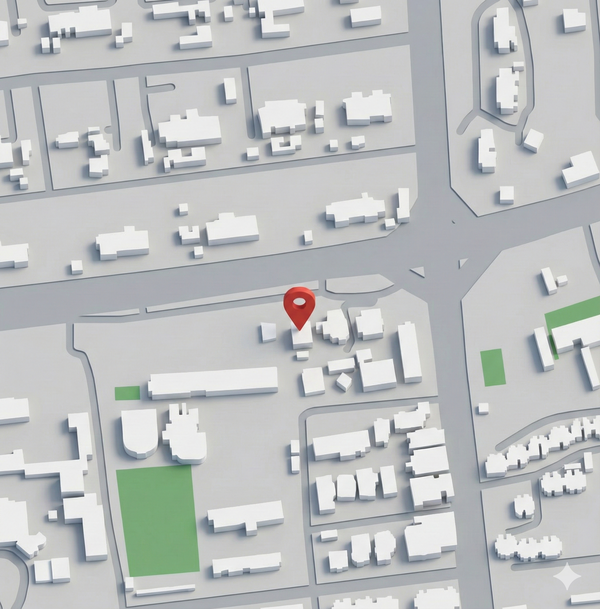
Existing Building
Facade Design
Original size 1024x768
Original size 2048x2048

Animation

Loading...
Loading...
Wrapped Archive
Rijul Sharma предложил архитектурный проект «Wrapped Archive» для Тибетского дома в Дели, который переосмысливает здание как защищённое хранилище культурного наследия. Проект использует второстепенный фасадный слой с перфорацией и градиентом, чтобы сохранить оригинальную брутальную массу и обеспечить контроль над освещением внутри музея.
Project description created with AI
Project created at 23.12.2025
More projects in architecture
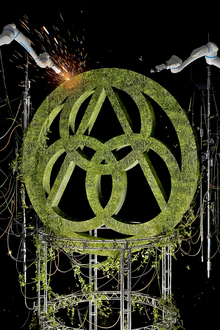
Художница ля вава создала проект выставки EDEN, в котором исследует взаимодействие технологий и природы через мультисенсорные пространства. Проект включает в себя зоны с запахами, звуками и визуальными элементами, создающими ощущение гибридной реальности между естественным и искусственным.
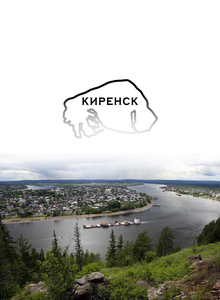
Юрий Аграфонов представил градостроительный проект города Киренск в виде комплекса схем и аналитических материалов. Проект включает детализированные функциональные, топографические и инсоляционные схемы, а также анализ отраслевой занятости в городе.
Екатерина Бутягина исследует историю и архитектурные особенности советских соцгородов 1930-1980 годов. Проект описывает, как планировка, декор и зонирование соцгородов отражали идеологию социализма и коллективизма.
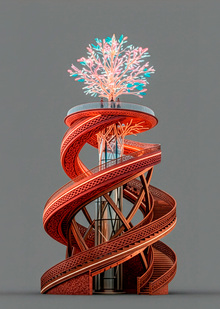
Yuriy Kutenkov создал проект, объединяющий архитектурные идеи и современные технологии для преобразования мира через созидание. Проект включает в себя применение нейросетей и цифровых инноваций для создания доступной и устойчивой архитектуры, способной объединять людей и гармонизировать природу.
designschool.am
designschool.am — цифровая экосистема, объединяющая профессиональное портфолио для дизайнеров — студентов, выпускников и сотрудников программы «Коммуникационный дизайн» (совместный проект Российско-Армянского Университета и Школы дизайна НИУ ВШЭ), образовательную онлайн-платформу, площадку, агрегирующую международные онлайн-конкурсы в креативных индустриях и другие профессиональные инструменты.... Show more
We use cookies to improve the operation of the website and to enhance its usability. More detailed information on the use of cookies can be fo...
Show more