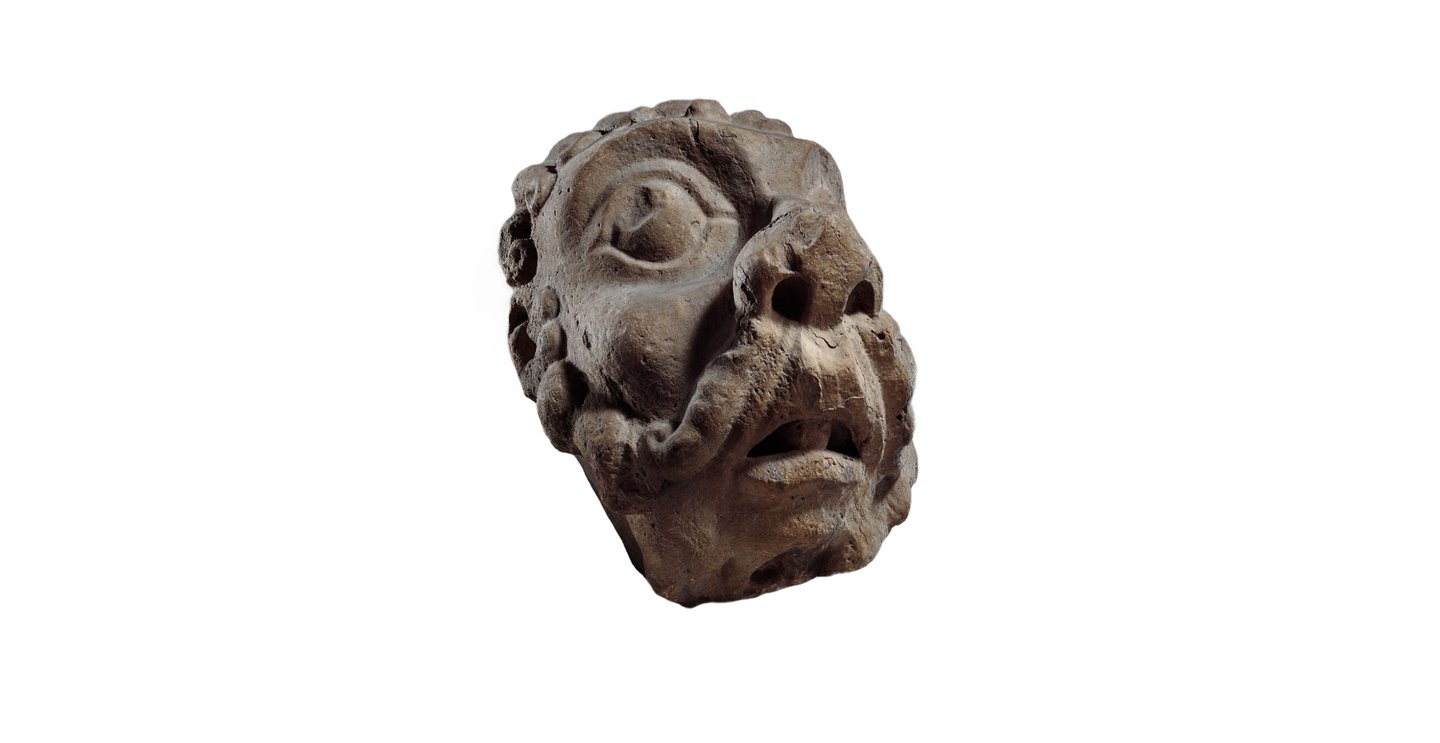
Concept
Gothic-period architectural structures—monumental cathedrals and temples—are traditionally perceived as sublime and sacred spaces, symbolizing the triumph of theological thought. In reality, during the Middle Ages, the church served as a kind of «architectural model» of the Universe—a space that brought one closer to divine grace and guided the human soul toward transformation. Each of the countless structural and decorative solutions in Gothic cathedrals embodied this sacred meaning: whether it was the upward-striving silhouette or the system of internal lighting.
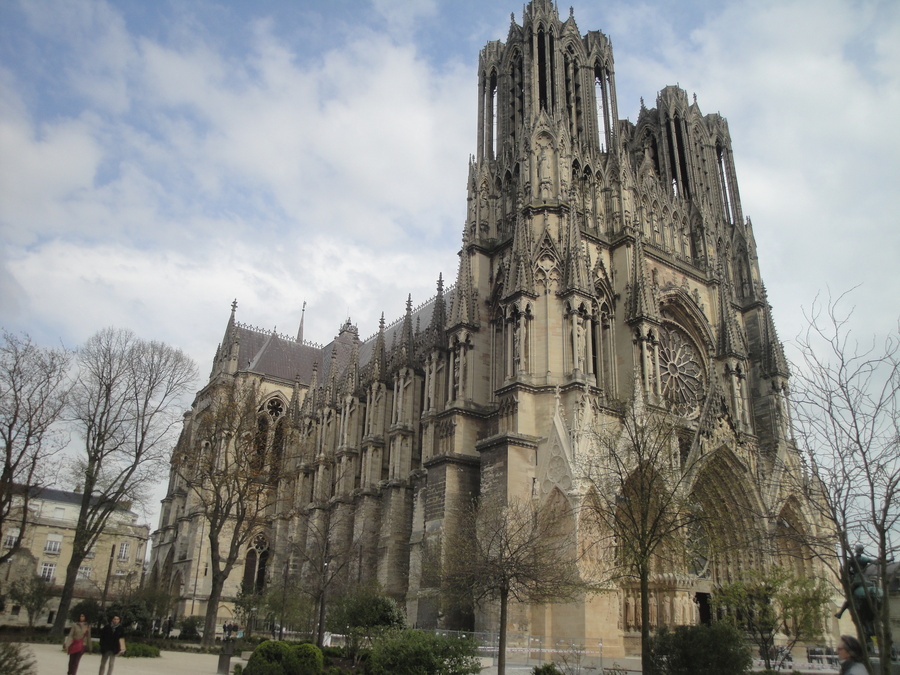
Reims Cathedral, France, 1208–1311
Among the distinctive features of Gothic architecture is its rich sculptural ornamentation: building facades were adorned with statues and reliefs depicting biblical scenes, images of saints and rulers, and scenes of crafts and daily life—everything that the medieval person knew about the world order. It is no coincidence that Émile Mal, the founder of the French school of medievalism, called medieval architecture the «bible for the illiterate.»
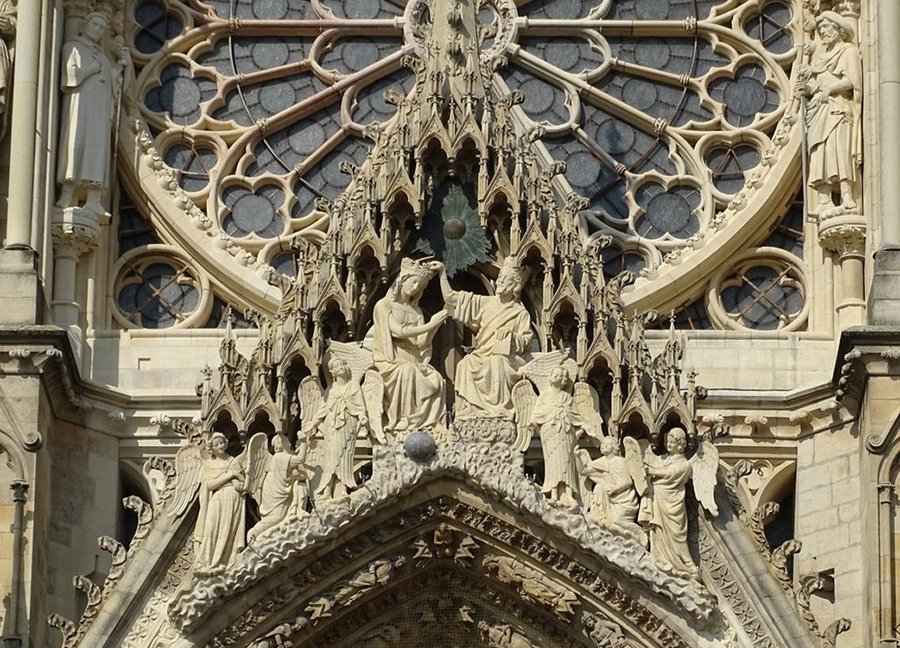
«Coronation of the Virgin Mary, ” central portal of Reims Cathedral
However, among the sculptural adornments of cathedrals, which carried an enlightening, spiritual, and religious character, there are depictions of various marginal characters—chimerae, gargoyles, deformed anthropomorphs, and other grotesque monsters—that seem inconsistent with this tone; these will be designated as «grotesque» in this visual study.
Grotesque is an artistic device based on the distortion of reality: the combination of incompatible elements and exaggeration. In architecture and art, this term corresponds to sculptural depictions of mystical and humanoid creatures with intentionally deformed proportions, which were used as decorative elements of buildings.
Grotesques on the facade of Reims Cathedral. Postcard photograph, 1914.
During the Gothic period, grotesques were one of the key elements in the design of religious structures. One of the most striking manifestations of the grotesque in Gothic architecture is the gargoyle—a sculptural detail in the form of a fantastical winged creature that serves as a waterspout. Primarily, its role is purely functional. Grotesque sculpture, unlike the gargoyle, is not utilitarian—nor is its essence limited merely to decoration.
Gargoyle on the facade of Reims Cathedral
In the symbolically designed structure of Gothic religious architecture, the appearance of the grotesque cannot be accidental, which sparks particular interest in the question of how the sacred and sublime space of the cathedral coexists with monstrous and demonic imagery. The presence of grotesques allows us to view Gothic cathedrals not only as embodiments of harmony and holiness but also as spaces where the fears, fantasies, and sins of the medieval person find expression.
In this visual study, I aim to investigate the phenomenon of the Gothic grotesque, examining it not as an antithesis to the sublime aesthetics of religious architecture, but as an inherent supplement to its visual language and a complete artistic entity. The «ugly, ” deformed figures of the grotesques are capable of representing phenomena and states that cannot be expressed through harmonious forms—this is the key element of the grotesque’s expressiveness; it becomes a means of understanding the structure of the world, its contradictions, and its boundaries.
Decorative sculpture from Europe’s most significant Gothic structures—such as the Chartres Cathedral, Bamberg Cathedral, Notre Dame de Paris, and Amiens Cathedral—as well as from lesser-known churches, shrines, and monasteries, will be used as research material. The work focuses on analyzing specific grotesque imagery within the architectural environment—identifying the patterns of their appearance and the methods by which they are integrated into the sacred space.
Navigation
1. Concept of Visual Research
2. Main Body:
Chapter 1. Gargoyle: A Functional Grotesque
Chapter 2. The Grimace in Grotesque Sculpture
Chapter 3. The Devil as an Image of the Grotesque
3. Conclusion
5. Bibliography
Gargoyle: Functional Grotesque
One of the most recognizable forms of Gothic grotesque is the gargoyle. It is a sculptural waterspout designed to divert rainwater from the building’s walls. Despite its originally utilitarian function, the gargoyle also serves as an artistic element of the structure’s decoration: the downspouts took the form of fantastic hybrids of various animals, dragons, demons, and even human figures.
The gargoyle phenomenon unites architectural necessity with the expressive plasticity of the grotesque: its elongated body, emphasized snout, disproportionate limbs, and tense posture make the sculpture a prominent part of the cathedral’s exterior appearance. Thus, a utilitarian element transforms into an autonomous artistic image.
Gargoyle on the facade of Notre Dame de Paris, France, 1163–1345
Here is a gargoyle in the classic interpretation of this figure: an elongated body suited to its water diversion function, and a mouth that forms the drainage outlet. The grotesque appearance of the gargoyle is based on hybridization—the torso of a large bird is joined with a lion’s head (presumed).
Gargoyle on the facade of Notre-Dame de Paris, France, 1163–1345
Another example of a classical gargoyle, depicting a fantastic creature: amphibian limbs, human hands, and an animal head. Gargoyles were portrayed as unrealistic monsters because people believed that reproducing the image of an «unclean spirit» «protected» the temple walls from its «real» manifestations.
Grotesque in the Reims Cathedral, France, 1211
One of the core motives of the grotesque—upon which the artistic depiction of the gargoyle is based—is hybridity: the combination of morphological traits from different species. This technique was utilized to create decorative grotesque sculptures and reliefs, both within the sanctuary space, such as in the capital of Reims Cathedral, which depicts a hybrid of bird and human.
Notredame de Paris Chimeras, France, 1163–1345
The visual appearance of the gargoyle is related to other grotesque sculptures in temple spaces—the chimera. These too depicted fantastical creatures and reflected the idea of «protection» from «evil,» but they no longer served a functional purpose.
Gargoyle on the facade of York Minster, England, 1220–1472
Human figures could also serve as gargoyles: the sinner became the «monster.» This image «reminded» people of what would happen to a human soul consumed by evil.
The artistic form of gargoyles reflects the primary plastic techniques of grotesque sculpture in general: the combination of various creatures, exaggeration of specific body parts, caricatured facial expressions, and tense or unnaturally contorted poses.