Concept
This visual study examines European auteur cinema from the latter half of the 20th century as a space where the director functions not only as a narrator but also as a demiurge—that is, a figure organizing the film’s world as a closed system of power. In this type of cinema, the author’s will manifests not only at the level of plot or idea, but primarily through visual strategies: frame composition, mise-en-scène, the use of color, light, interior texture, camera distance, editing rhythm, and the organization of the gaze.
At the heart of the study is the question of how directorial control becomes visible within the film itself. The author, in European cinema of this period, does not merely present characters; instead, they subject them to a specific visual regime: placing them in rigidly constructed spaces, restricting their freedom of movement, establishing hierarchies among bodies, faces, objects, and the environment. Because of this, the shot begins to function as a field of power where the author’s own stance is expressed.
Based on the films of Ingmar Bergman, Federico Fellini, Luis Buñuel, and Rainer Werner Fassbinder, this study shows that authorial cinema of the latter half of the 20th century is often structured around a paradox: the director proclaims human depth, freedom, subjectivity, and internal complexity, yet simultaneously transforms the character into an element of their own aesthetic system. For this reason, the figure of the author here can be understood as demiurgic: they create a world, establish its laws, and distribute within it the right to visibility, movement, intimacy, and speech.
Hypothesis
The research hypothesis posits that in European auteur cinema of the latter half of the 20th century, directorial subjectivity manifests as a form of visual power: the author constructs the screen space in such a way that characters are not autonomous agents of action, but objects of compositional, psychological, and symbolic control.
In other words, the auteur style in the films of Bergman, Fellini, Visconti, and Fassbinder is expressed not only in recognizable aesthetics but also in a unique method of subordinating the film’s world to a singular directorial will. This power is realized through recurring visual strategies: the isolation of figures within the frame, the spatial pressure of the interior, the theatrical staging of the mise-en-scène, the disciplining frontality, color as a tool of emotional violence, and montage as a means of managing viewer perception.
Methodology
The methodology is based on a combination of visual, comparative, and interpretive analysis. At the core of the research is the film as a visually organized system, within which the authorial power is expressed through frame composition, mise-en-scène, spatial relationships, color, light, physicality, shot size, and the organization of the spectator’s gaze.
The primary method is visual analysis, which allows us to examine the film’s elements as carriers of meaning and tools of control.
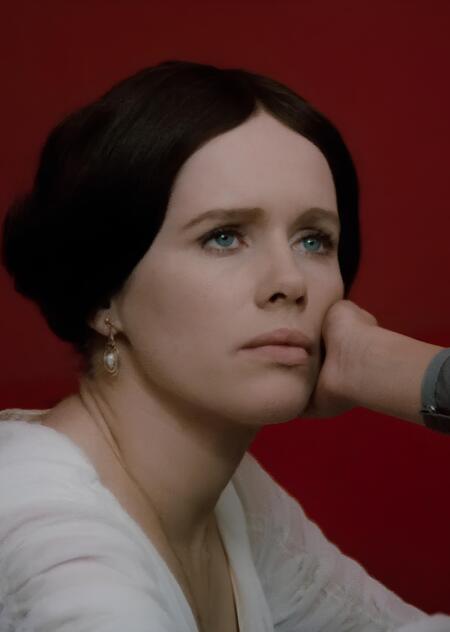
«Persona,» 1966, dir. Ingmar Bergman
Contents
- Concept
- The Watched Subject: Close-up as Pressure
- The Gaze as Hierarchy: Who Has the Right to Look
- The Room as Cage: The Power of Space
- The Body as Part of the Composition
- Spectacle as Control: Excess, Circus, and Decorative Cruelty
- When the Demiurge Breaks
- Conclusion
Face Under Surveillance: Close-up Becomes Pressure
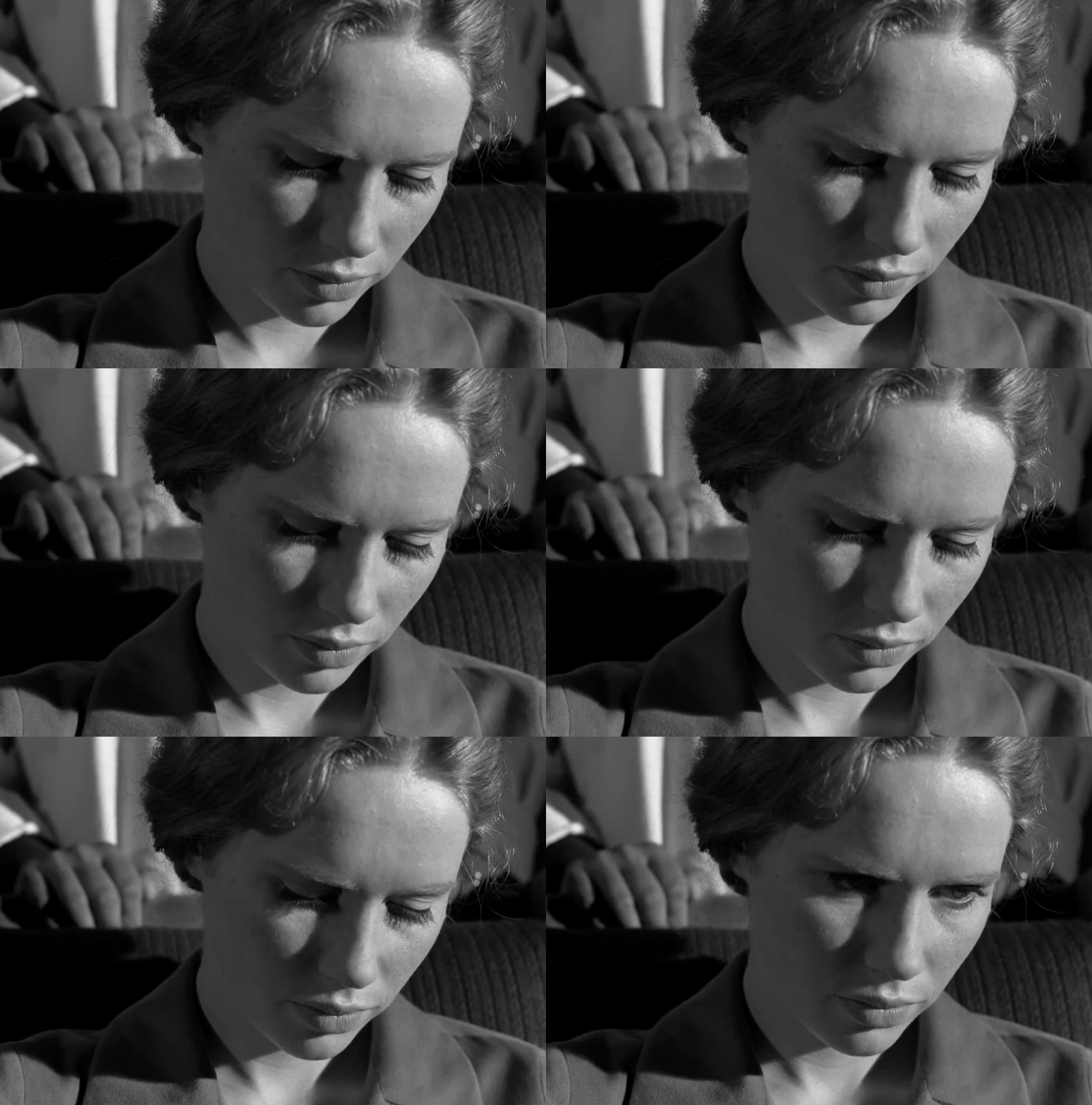
In the film Persona, the close-up becomes a form of pressure. The face of Elisabeth Vogler, who has refused to speak, is almost the only place where the viewer can search for meaning. Yet, this silence does not grant her freedom—on the contrary, the camera begins to examine her even more closely. Every pause, head turn, lack of reaction, or barely perceptible shift in gaze is transformed into material for analysis. The less the protagonist reveals about herself through words, the more her face submits to visual scrutiny.
Bergman utilizes the close-up as a space of enforced intimacy. The face is presented to the camera; it cannot be hidden or left unread. This is especially evident in the relationship between Elisabeth and Alma. Alma speaks, confesses, and reveals herself emotionally, but it is through speech that she becomes vulnerable. Elisabeth remains silent, yet her silence functions as a power—she observes, absorbs, and provokes the other’s self-revelation. Ultimately, the close-up fixes the inequality between the one who looks and the one who is being examined.
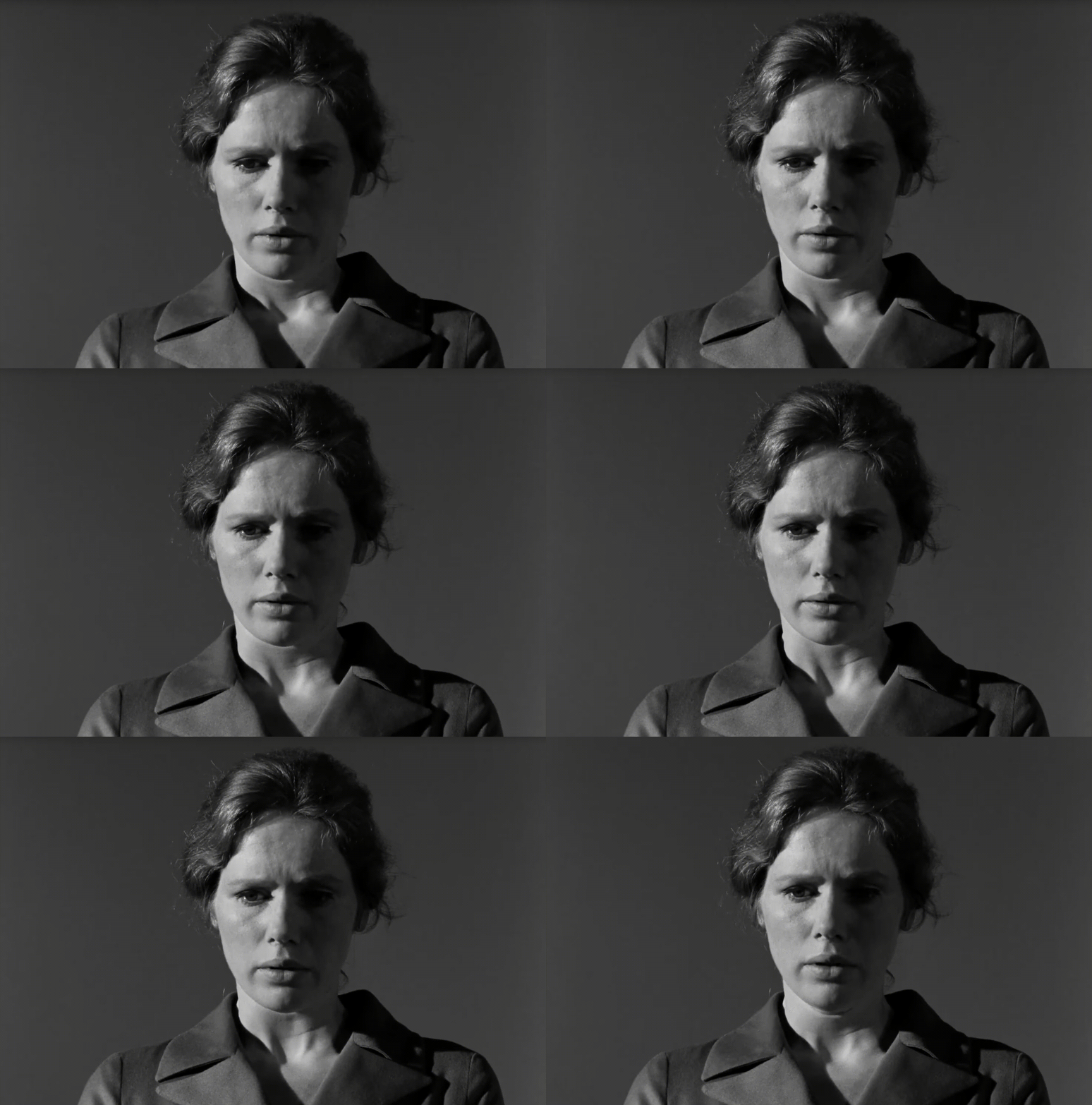
«Persona,» 1966, dir. Ingmar Bergman
«Persona, ” 1966, directed by Ingmar Bergman
«Persona, ” 1966, directed by Ingmar Bergman
In the film «Whispers and Screams, ” the close-up examines bodily vulnerability. Here, the face becomes linked to pain and the inability to conceal suffering. Agnes’s face, set within a red interior, seems almost trapped between her body and the space. The camera zooms in so closely that the viewer perceives a state of disintegration, exhaustion, and agonizing presence within the body.
Bergman intensifies the pressure of the close-up through color. The red rooms are perceived as an internal tissue—a space resembling flesh or an organ. Consequently, Agnes’s face is immersed within the environment itself. The red background renders any facial expression more painful, even physiological. The character finds herself inside a closed emotional-bodily system from which there is no escape. The camera denies the viewer a safe distance from suffering. The close-up does not automatically console or humanize.
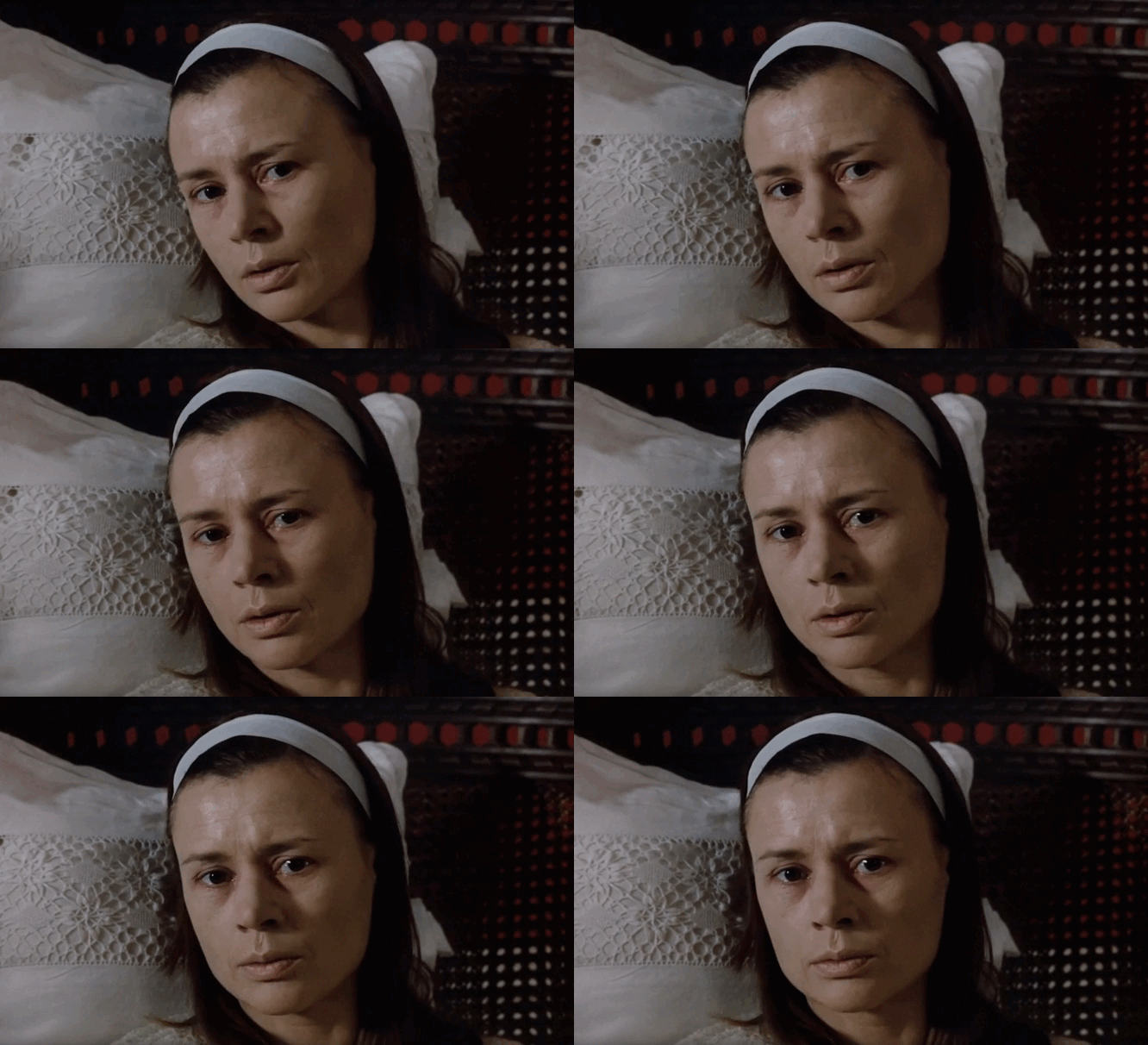
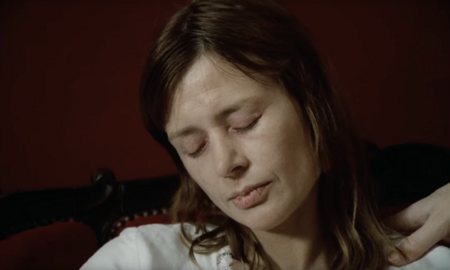
«Whispers and Screams, ” 1972, directed by Ingmar Bergman
«Whispers and Screams, ” 1972, directed by Ingmar Bergman

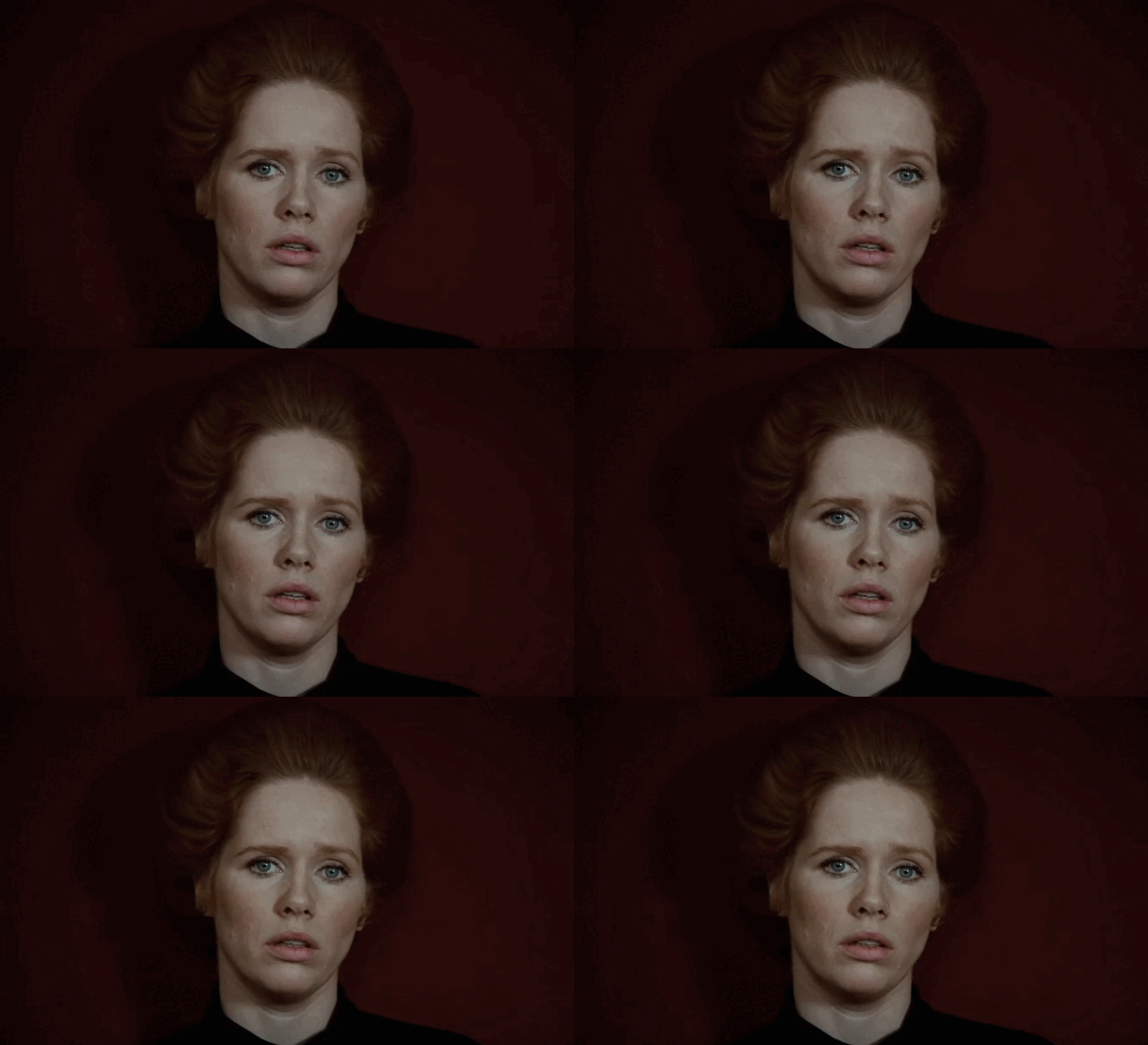
«Whispers and Screams, ” 1972, directed by Ingmar Bergman
Gaze as a Hierarchy: Who Has the Right to Look
The gaze in auteur cinema is a form of power distribution. The camera is capable of establishing a hierarchy between characters when one observes, evaluates, and appropriates, while the other is placed under someone else’s scrutiny. Therefore, the gaze determines who occupies the active position and who is reduced to an image, a body, a face, or a function within someone else’s system—and in doing so, it can define social roles.
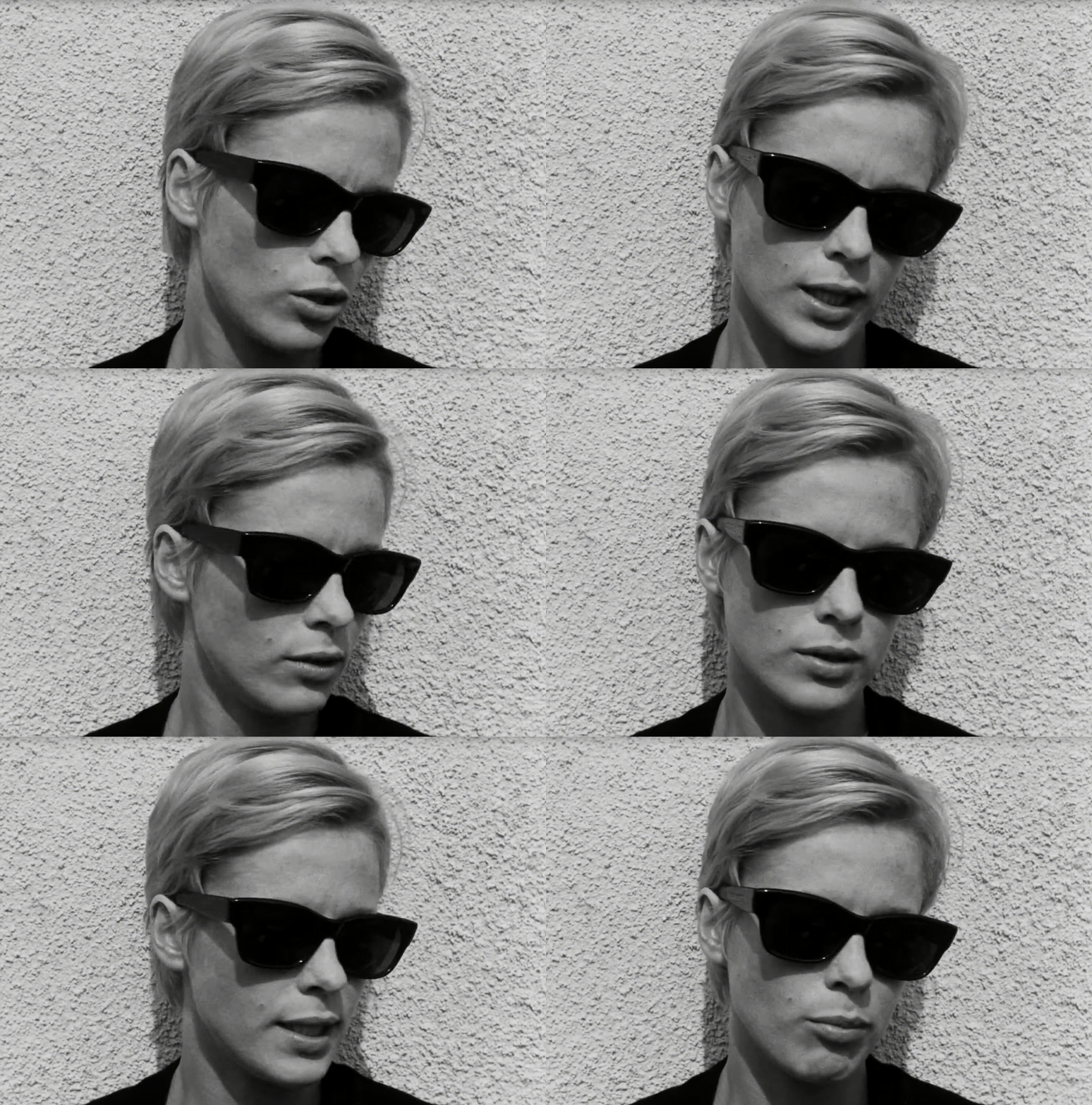
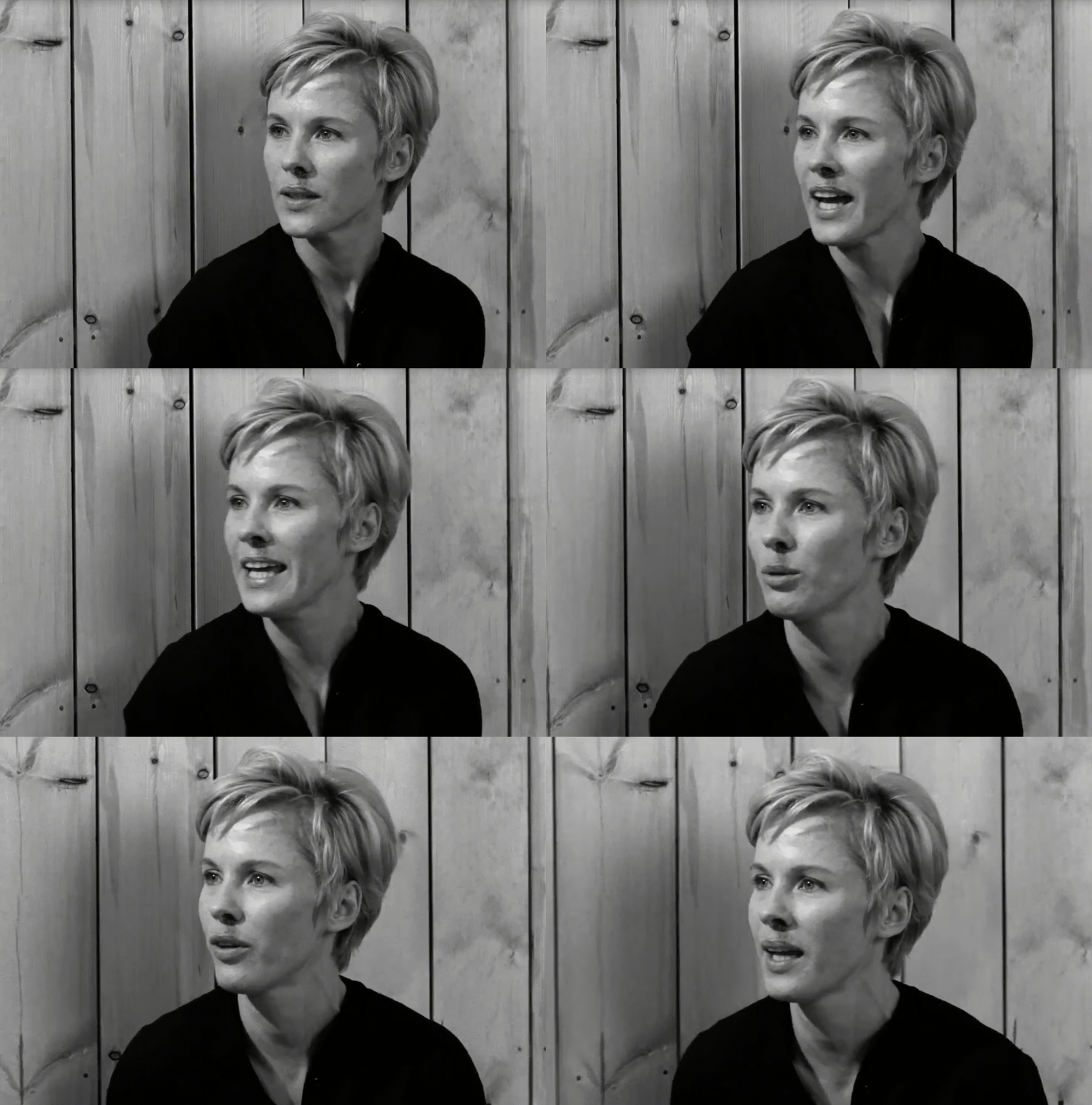
In Persona, this hierarchy is built upon the asymmetry between silence and speech. Elisabet speaks very little, but her silent gaze organizes the power dynamic when she watches Alma, listens to confidences, remains guarded, and thus maintains control over herself. Alma, conversely, speaks more and uncovers herself more deeply, making her vulnerable. On the surface, the speaker seems active, but the one who is silent and watching proves to be more powerful. Bergman demonstrates that power can belong to the one who simply holds the other within the field of their gaze.
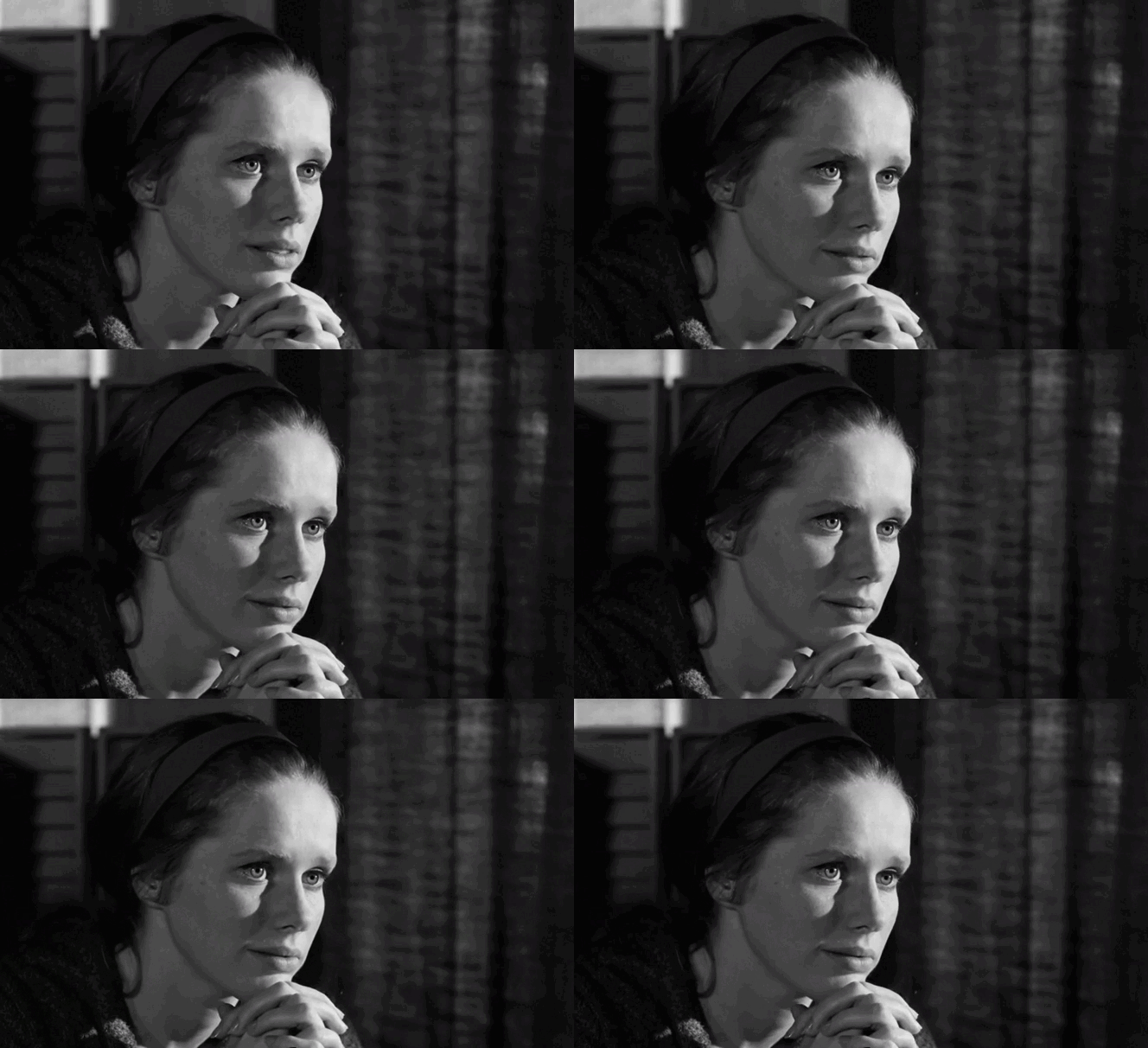
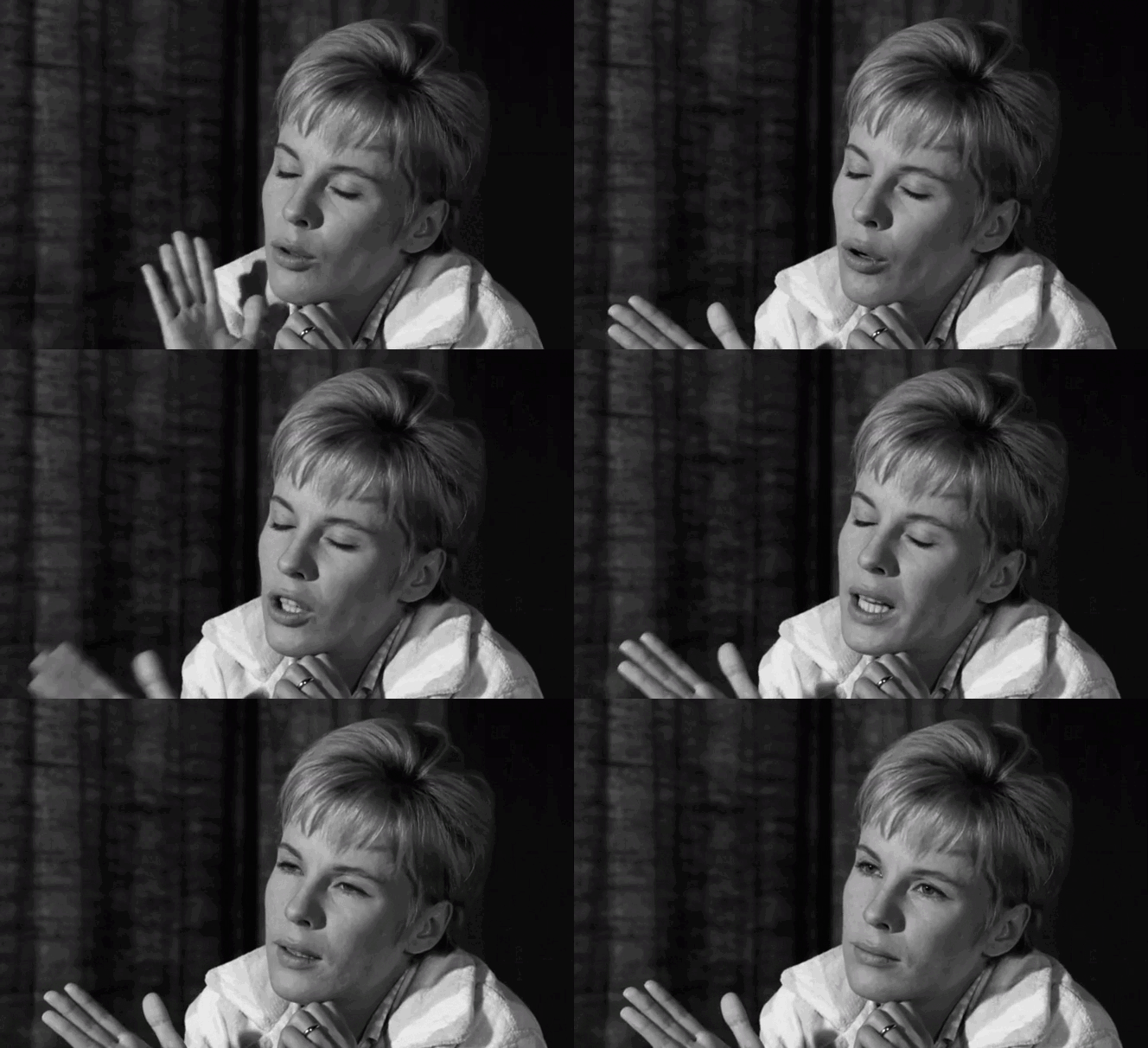
«Persona, ” 1966, dir. Ingmar Bergman
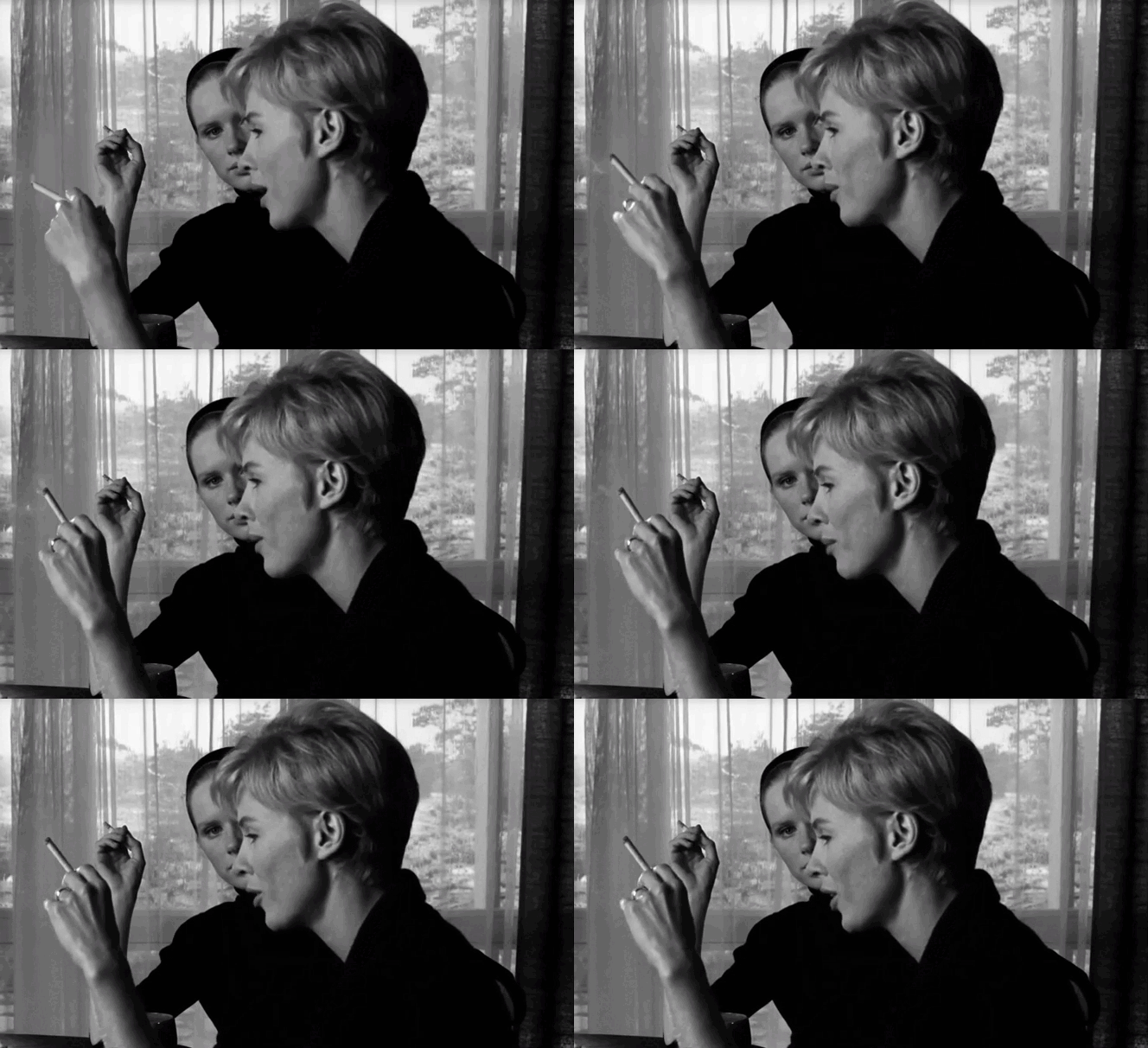
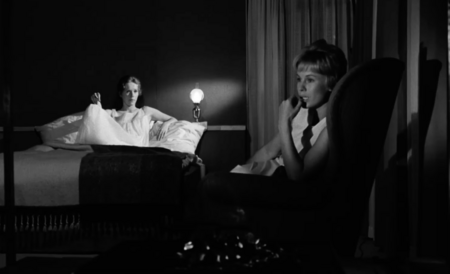
«Persona, ” 1966, directed by Ingmar Bergman
In Rainer Werner Fassbinder’s «Bitter Tears of Petra von Kant,» the gaze is structured as part of a stage hierarchy. Petra occupies an active position: she observes Karin, assessing her outward appearance, posture, and gestures, and gradually attempts to integrate her into her own system of control. Within this structure, Karin becomes the figure toward which attention is directed, while Marlene, conversely, is almost stripped of authority on stage. She is constantly present in the frame—working, moving around the room, and fulfilling assignments—yet remains on the periphery of speech and sight. Fassbinder demonstrates that being visible is not equivalent to possessing a subject position. Marlene is observed as a function, but not as an equal participant in the action. Consequently, Petra’s room transforms into a space where one watches and assigns meaning, another becomes the object of observation, and the third exists as a silent figure of subordination.
This study examines Rainer Werner Fassbinder’s film «Bitter Tears of Petra von Kant» exclusively within an art-critical context: as an example of auteur mise-en-scène, closed space, visual hierarchy, emotional dependence, and directorial control over the characters' bodies, gazes, and speech. The analysis is not intended to promote any particular behavioral models.
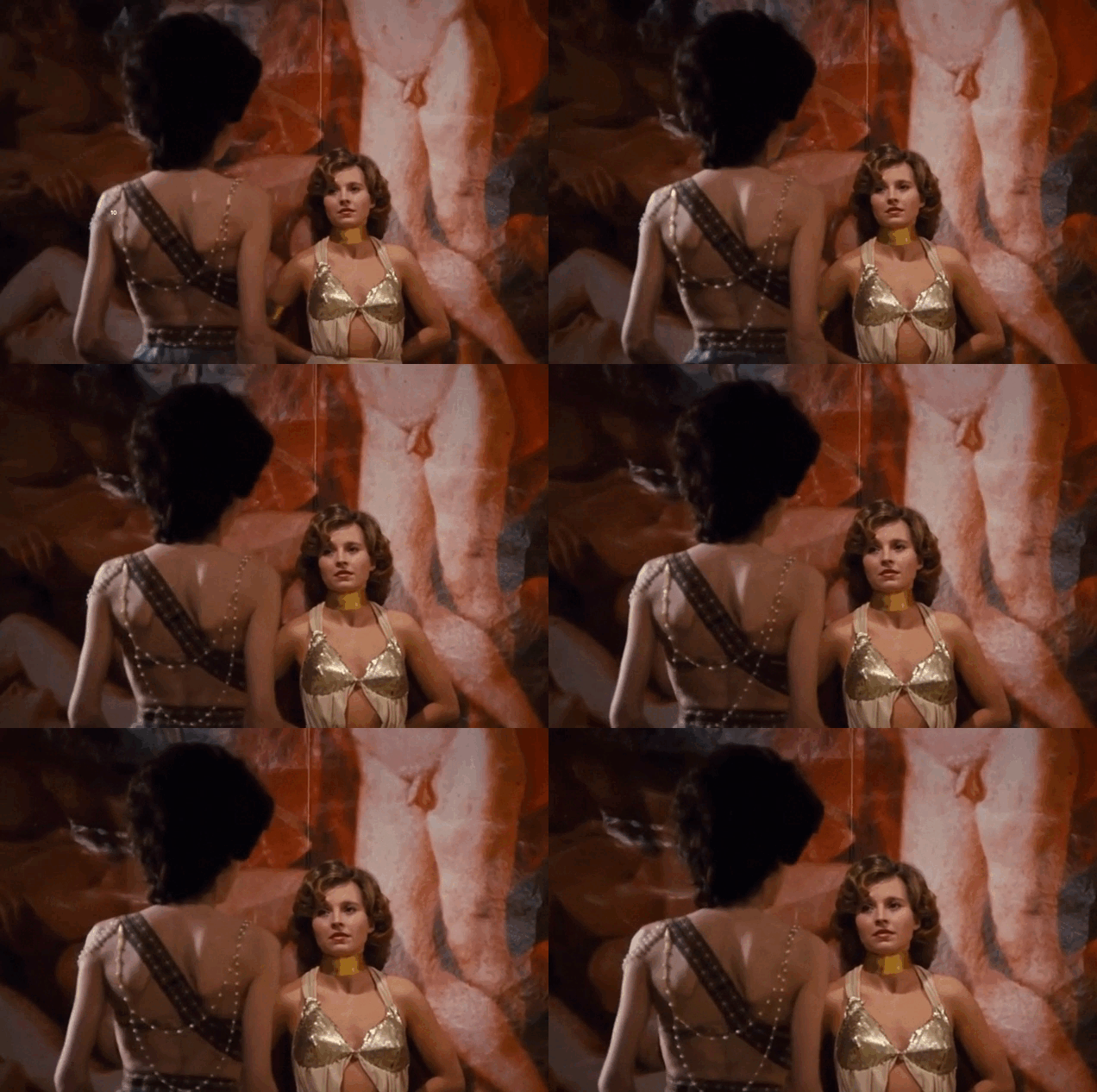
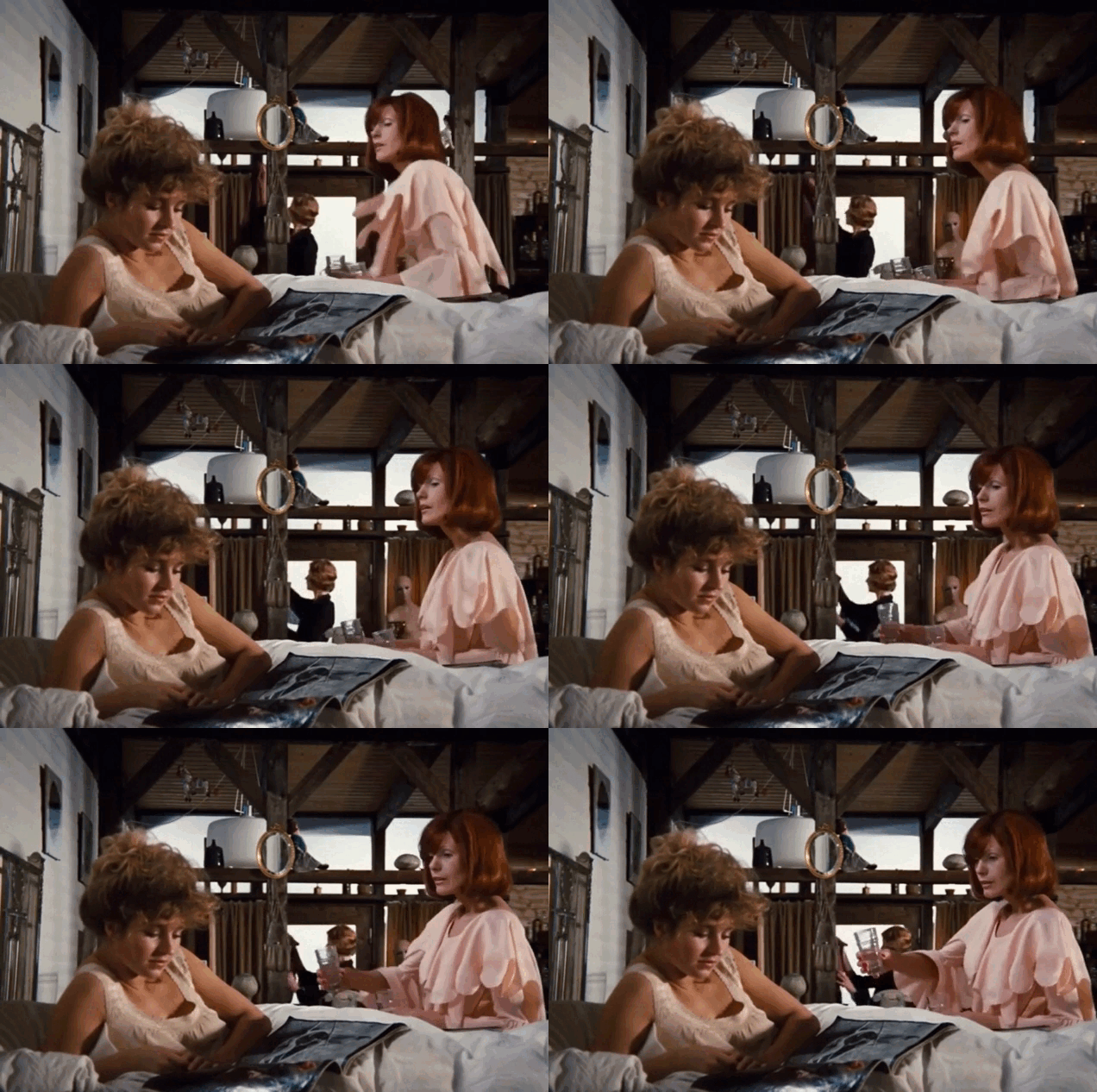
«Bitter Tears of Petra von Kant, ” 1972, directed by Rainer Werner Fassbinder
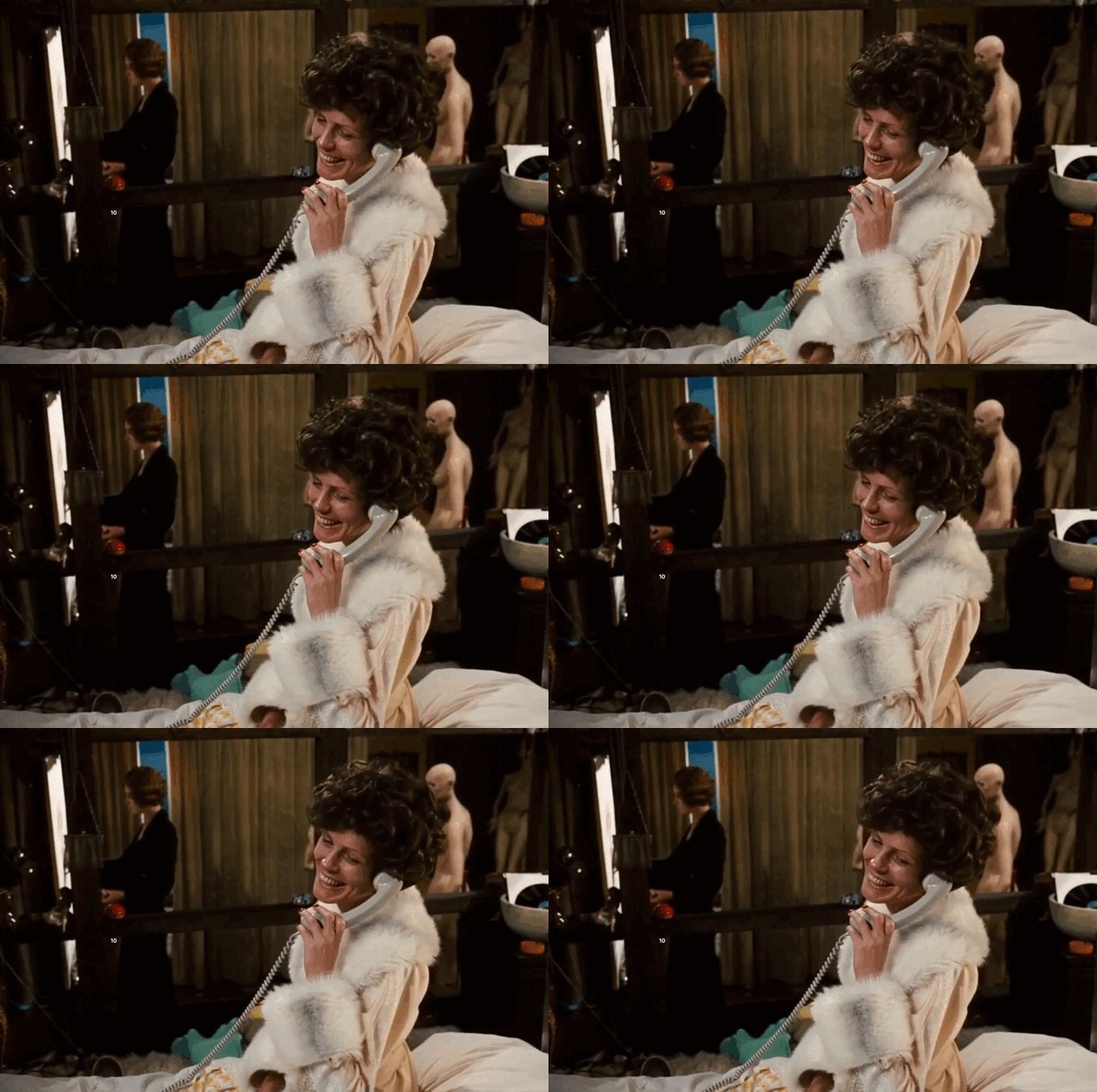
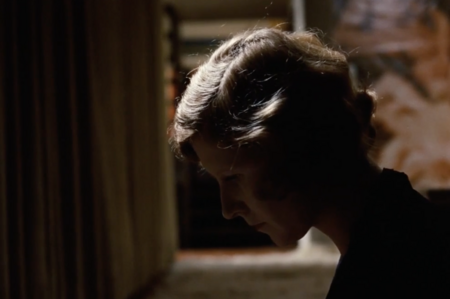
«Bitter Tears of Petra von Kant, ” 1972, directed by Rainer Werner Fassbinder
In scene 8½, the harem portrays how the female characters transform into figures of Guido’s internal fantasy. They exist as archetypes gathered around his desires, memories, guilt, and need for control. The stage space is arranged like a theatrical model of authorial imagination, and Guido himself occupies the central position around which this spectacle is organized. To watch here is to appropriate and structure others within one’s own system.
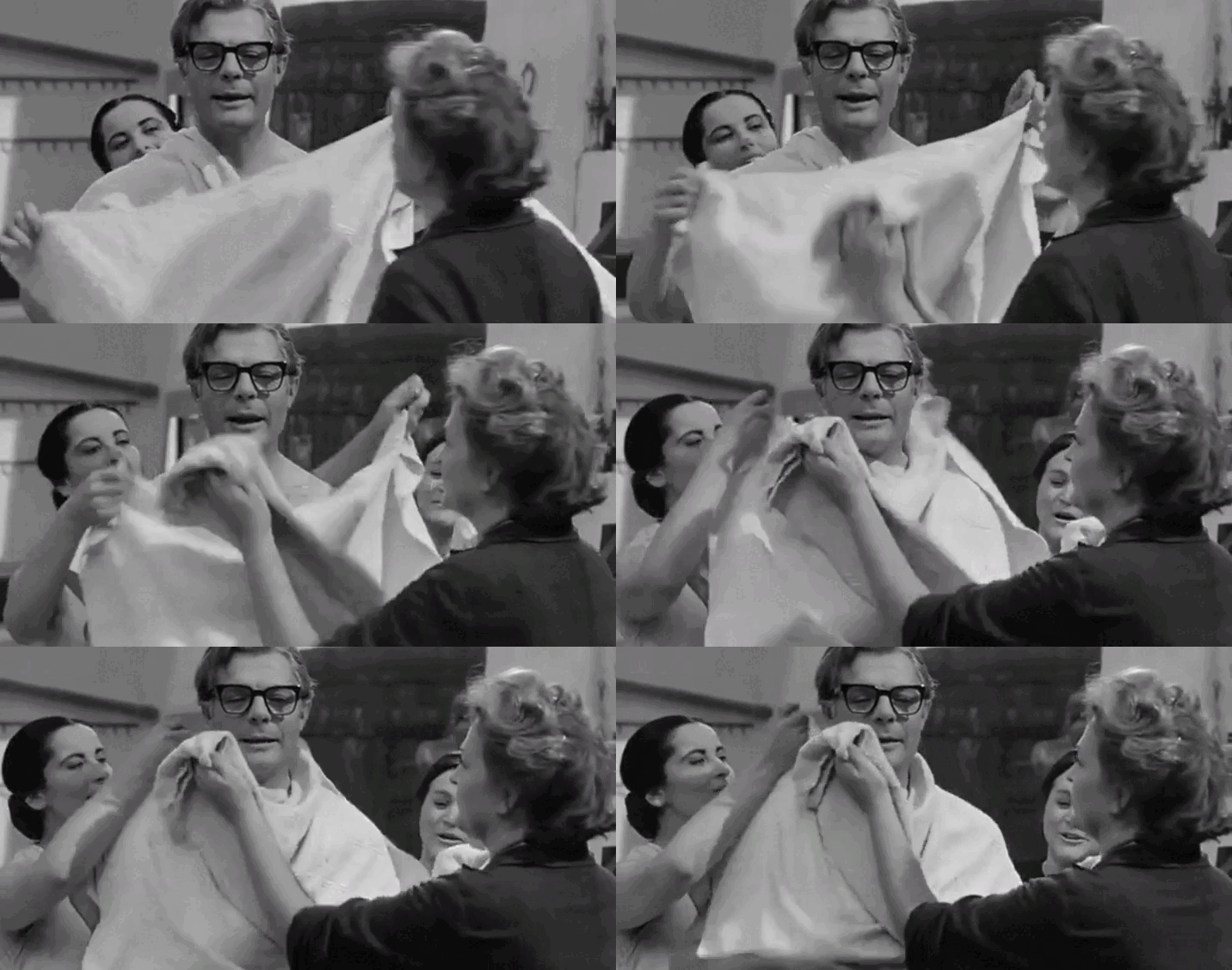
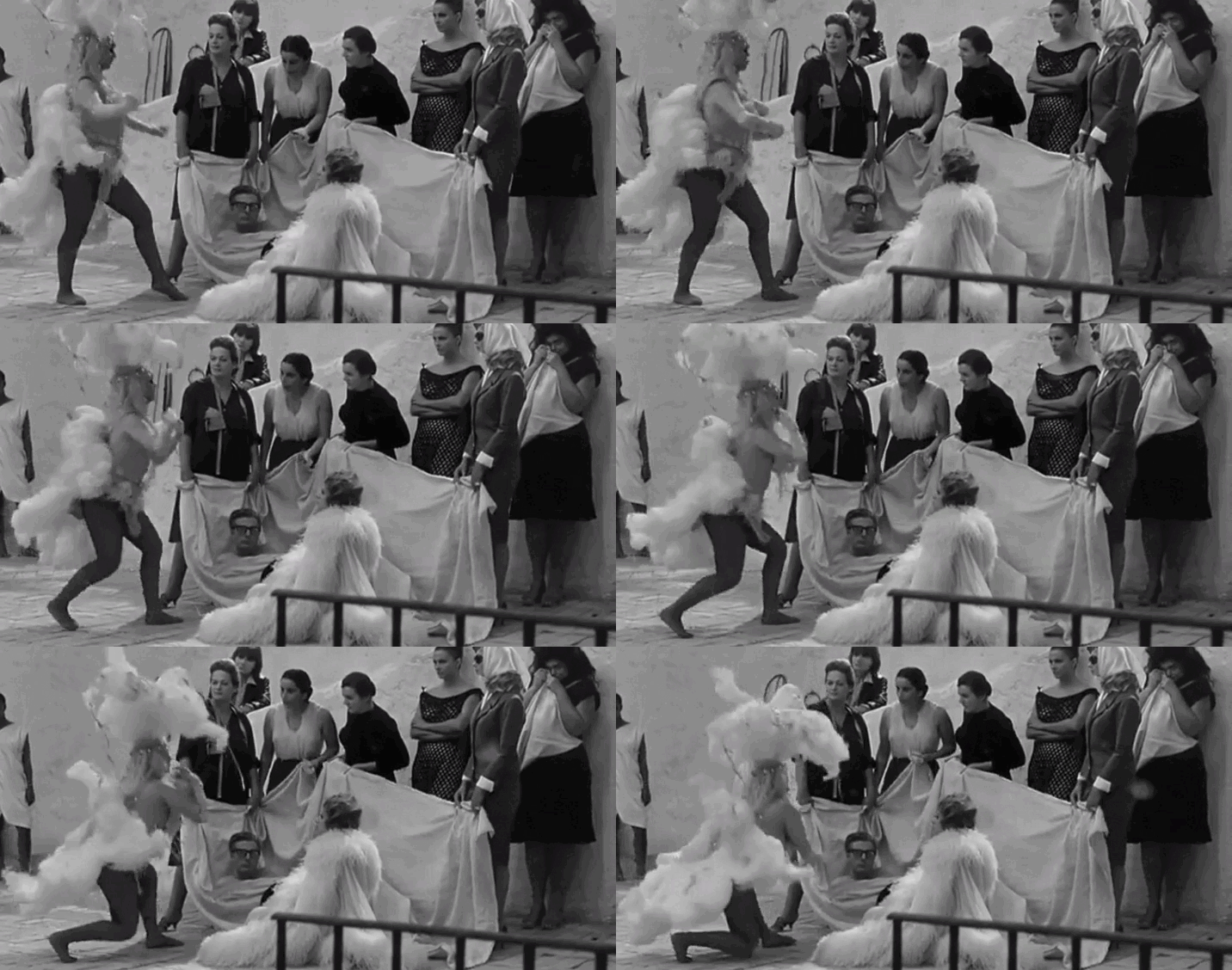
«8½, ” 1963, directed by Federico Fellini
The Room as a Cage: The Power of Space